







Introduction:How many days should you wait after opening a bag of floral-scented coffee beans before brewing them to get the best aroma? In fact, each coffee bean variety has a different degassing period and flavor window. This article explains in detail the flavor development curve of light-roast, fruity and floral beans, teaches you how to estimate the best pour-over timing based on the roast date, and shares professional-level storage tips to help you enjoy the most enchanting floral-tea notes and bright acidity in your pour-over coffee.
Many people think the charm of floral coffee lies only in the momentary burst of fruit or floral notes when sipped, but in reality, the entire process—from the citrus or berry aromas released during grinding, to the gradually emerging tea-like qualities and soft acidity after pouring water—is full of delicate changes. To fully appreciate these layers, besides choosing a bean with an appealing flavor description, it's also important to pay attention to the roast date, the integrity of the packaging, and how soon you plan to finish the beans.
After roasting, coffee beans continue to release carbon dioxide internally, and this natural degassing process typically lasts anywhere from several days to two weeks. Brewing beans that are too fresh often leads to overly rapid expansion of the coffee bed, rapid loss of aroma, and even excessively sharp flavors due to excessive internal gas. With proper resting time, water molecules can more easily penetrate the coffee grounds, allowing floral notes, sweetness, and acidity to reach a more balanced state, resulting in a clearer and more defined cup profile.
The so-called "prime drinking period" refers to the optimal range of time during which a coffee bean’s flavors are at their best, rather than the absolute shelf life indicated on the package. For many fruit- and flower-forward coffee beans, the aroma may not have fully developed in the first few days after roasting; usually, it is around one to two weeks post-roast that pour-over brewing can better showcase rich layers. However, since each bean’s roast level, packaging technology, and storage conditions vary, it’s best to treat the roast date as a reference rather than an unchangeable rule.
If you’ve purchased a lightly roasted bean with distinct fruity and floral characteristics, you might try brewing it around the seventh day after roasting. Generally speaking, the second to fourth weeks are the more common optimal drinking windows. If you prefer beans with a pronounced sweetness or rounder body, sometimes letting them sit a bit longer can even bring out a softer expression. It’s recommended to use the same grind size and coffee-to-water ratio, and brew again every few days—this approach makes it easier to identify the peak state of the beans compared to evaluating just one particular day’s result.
 In terms of storage, sealed bags with a one-way degassing valve can effectively slow oxidation before opening. But once opened, air, moisture, light, and ambient temperature can all accelerate aroma loss. After each use, be sure to expel excess air from the bag as soon as possible and seal it tightly. Store the beans in a cool, dry, and odor-free cabinet. Many people mistakenly believe that the refrigerator can extend shelf life, but frequent temperature changes and condensation when accessing the beans can actually compromise their freshness.
Additionally, the size of the coffee bean bag can affect the stability of the flavor you experience. If you usually drink only one cup per day, opting for smaller packaging is more conducive to maintaining the expression of fruity and floral notes compared to buying a large bag all at once. If your household consumption rate is higher, you might also consider repackaging the beans into smaller portions after opening, reducing the number of times the whole bag is exposed to air. When taking beans out, it’s recommended to use a dry spoon or scoop to avoid contaminating the inside of the packaging with moisture or oils from your hands.
How can you tell if a floral bean is still in a suitable state for brewing? In addition to checking whether the aroma is strong, you can also observe whether the aroma after grinding is fresh, whether the expansion and release of the coffee bed during pouring is natural, and whether the brewed cup delivers a clear sense of sweetness and leaves behind floral or tea-like aftertastes. If you find the aroma becomes thin, takes on a cardboard-like taste, or the brewed coffee feels dry and hollow, it may be that the beans have passed their optimal drinking period. In this case, you might consider reducing purchase quantities or adjusting how frequently you buy beans.
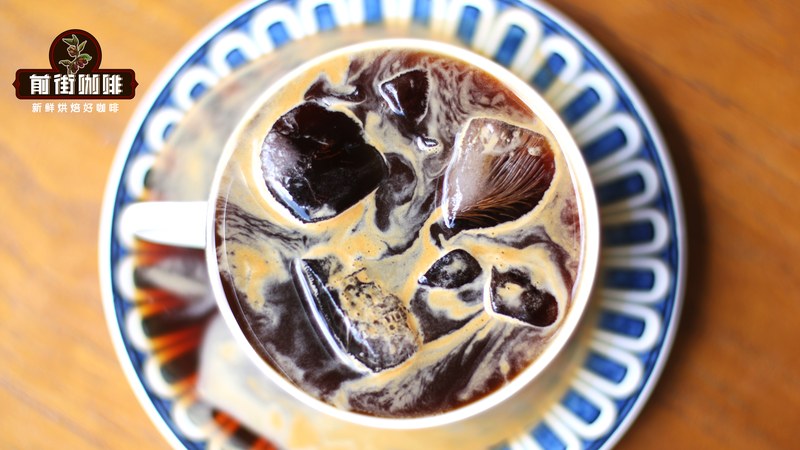
In summary, if you want to fully appreciate the evolution of a fruity and floral coffee bean, start by marking the date when you open the bag, observing differences in aroma and taste after each brew, and even experimenting with different temperatures or brewing methods (such as enhancing fruitiness with iced pour-over or achieving a rounder mouthfeel through cold brew). All of these can help you find your own ideal flavor window. Through actual tasting and record-keeping, you’ll gain deeper insight into the unique traits of each bean at different stages, and truly understand that floral character isn’t just a marketing word on the package—it’s the captivating flavor that your cup of coffee authentically presents.
The above content is compiled by CoffeeHunters, a coffee news website.

