







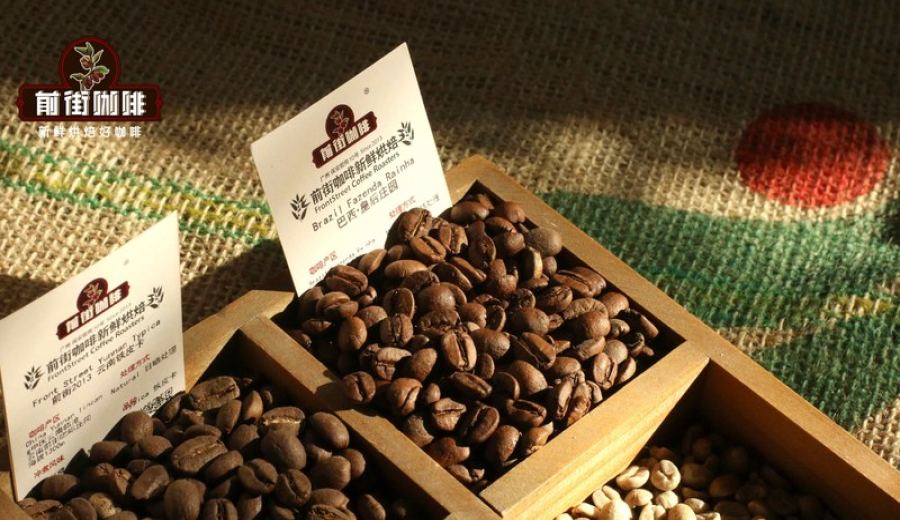
Introduction:Brazilian coffee beans are known for their rich, nutty flavor profile, but many people don’t realize there’s a “resting period” between roasting and when the beans are at their best to drink. This article dives deep into the optimal time to enjoy Brazilian beans after opening, how long to wait based on different brewing methods, and how to store them after opening to extend their peak flavor window—so you can enjoy a round, full-bodied cup every time.
To brew a balanced cup of Brazilian coffee, it’s not just about the roast flavor—you also need to pay attention to the time between roasting and brewing. Generally speaking, Brazilian coffee beans with nutty, cocoa, and caramel notes need time after roasting to release built-up carbon dioxide, a process called the “resting period,” which is key to transforming initial sharpness into a smoother flavor. So when buying, remember to check the roast date first, and plan your drinking schedule according to how often you brew—this helps you get a better sense of the actual taste than relying solely on flavor descriptions.
Freshly roasted coffee beans don’t necessarily mean they’re ready to brew right away. After roasting, beans continue to release carbon dioxide, and using them too early may result in unstable water flow, overly fast bloom, or overly sharp flavors. For pour over, it’s recommended to start trying fromfive to seven daysafter roasting; whereas for espresso or machine brewing, you usually need to waitseven to fourteen days, depending on factors like roast level, bean density, and equipment condition.
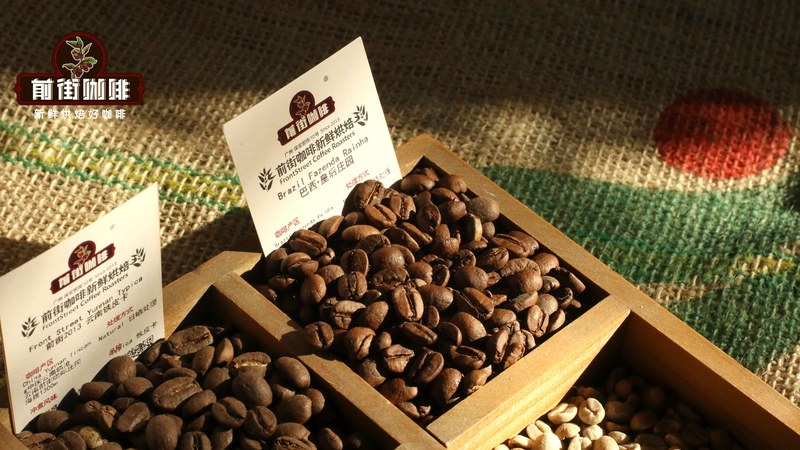
The so-called “optimal flavor period” refers to the stage when the coffee beans exhibit relatively ideal and pleasant flavors—not a fixed expiration date. Lighter roasts often have pronounced floral and fruity aromas, but these can change quickly, so it’s recommended to observe their evolution after degassing. Medium to medium-dark roasted Brazilian beans, however, have more stable nutty, chocolatey, and caramel profiles, and generally can be stored longer. Typically, the one to two weeks before opening is when the flavors are most vibrant, and if stored properly after opening, the aromatic qualities can still remain enjoyable for the next two to three weeks.
If you mainly use pour over, it’s recommended to estimate your usage forabout two to four weekswhen purchasing. Calculating based on one cup per day using around 15g each time, choosing a200g packtends to preserve freshness better than larger packages. For those who prefer espresso brewing, consumption is usually faster, so you might opt for a slightly larger package—but make sure your daily usage is consistent. Buying just enough for what you can finish at once often allows for a fuller experience of flavor changes than hoarding beans for months.
When Brazilian coffee beans reach their optimal drinking stage, they typically first display prominent roasted aromas, nutty tones, and sweetness. Over time, acidity in the cup gradually softens, and the aftertaste becomes more restrained. If your brewed coffee tastes only woody, muted, or astringent, don’t rush to assume it’s the beans’ fault—first check the roast date, how many days it’s been open, and how it’s been stored. Flavor changes in coffee are inherently a product of time, and a bit of patience can often lead to a rounder, more enjoyable experience.
Different coffee beans react differently to the required degassing time. For example, a certain brand’s Ethiopian Huila is a light roast with bright tropical fruit and berry aromas—when brewing pour over, it usually needs a few extra days for the aromas to concentrate. If you enjoy fresh, bright fruitiness, you can start tasting aroundabout a week after roasting, and try it every few days afterward to observe its gradual flavor evolution.
Another example is a certain brand’s Yirgacheffe Guji Dingding, which is great for observing the timing of light roasts. This bean often features citrus, berries, and floral notes, with initially more pronounced acidity—but after more thorough degassing, the tea-like body and sweetness become more cohesive. Such beans are perfect for savoring slowly via pour over, and if you try cold brew instead, the lower temperature can further mellow the acidity and offer more possibilities for experimentation after opening.
The key to storing opened beans is minimizing exposure to air, moisture, light, and high temperatures. If the bag has a one-way degassing valve, it’s recommended to squeeze out excess air, seal it tightly, and then store it in a cool, dry cupboard away from heat sources like the stove, window, or bathroom. Avoid keeping coffee beans in transparent containers for display, as light and frequent opening will accelerate aroma loss. Sealing the bag promptly after each use helps maintain freshness better than repeatedly switching containers.
If you drink coffee slowly, it’s advisable to divide unopened beans into smaller portions and store them sealed, opening only one portion at a time. As for freezing, while not essential for everyday use, it can be helpful if you buy a large amount and can’t finish it soon. When dividing for freezing, you can seal based onone week’s worth of usage, and make sure to let the package return to room temperature before opening to avoid condensation forming on the beans, which can affect flavor.
To determine whether a bag of Brazilian coffee beans is still in good condition, you can assess it based on aroma, taste, and extraction performance. If after grinding the aroma is still noticeable, the coffee bed reacts naturally during brewing, and the cup has sweetness, it means the beans are still in good shape. If the aroma noticeably weakens and the cup tastes one-dimensionally bitter, you can try slightly adjusting the grind size or raising the water temperature a bit—but it’s not recommended to frequently overhaul extraction parameters. Keeping track of the opening date and your brewing experiences each time can help you quickly find your personal “golden drinking window.”
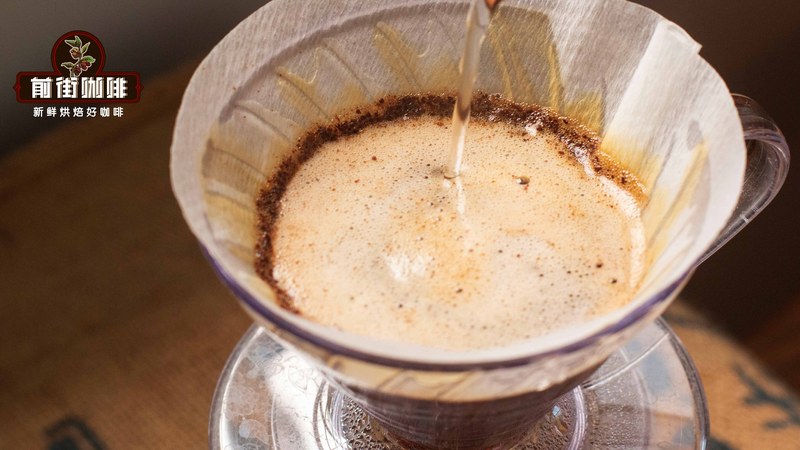
In summary, when selecting Brazilian coffee beans, it’s recommended to consider the roast date, packaging size, and your daily consumption. If you’re drawn to the rounded flavors of nuts, cocoa, and caramel, you can start brewing aroundabout a weekafter roasting; if you prefer brighter, fruitier notes, you can allow for a longer degassing time and continue observing the changes after opening. By controlling purchase quantity and storage methods, you can enjoy Brazilian coffee showcasing diverse flavors—from lively to mellow—at different stages, and savor the unique experience of each brew.
The above content is compiled by CoffeeHunters, a coffee news website.

