







Introduction:Freshly roasted coffee beans do not immediately reach their optimal extraction state. From degassing and maturation to the gradual decline in flavor, each stage affects your pour over experience. This article will help beginners understand the flavor evolution cycle of coffee beans, learn to plan drinking schedules based on roast dates, and combine practical storage tips and environmental advice, so you can easily enjoy every bag of pour over beans at its best.
Once coffee beans are roasted, they immediately begin a complex and continuously changing flavor journey. Freshly roasted beans are filled with a large amount of carbon dioxide, which can not only hinder water flow during pouring but also make it difficult for aromas to fully release. As a result, many beginners mistakenly believe that the fresher the beans, the better. In reality, beans left to rest for several days often exhibit more pronounced sweetness and greater complexity. Rather than blindly chasing “extreme freshness,” it’s better to create a coffee bean flavor calendar based on when you receive the beans, the opening date, and your drinking plans.
The roast date printed on the packaging is far more useful as a reference than the general expiration date. The expiration date only ensures the beans are safe to consume within that timeframe, while what truly impacts pour over performance is the so-called “optimal drinking window”—the period when aroma, acidity, and mouthfeel are in better balance. It’s worth noting that this is not a sudden cutoff point, but rather a gradual process where flavors transition from vibrant to more subdued over time. When purchasing, be sure to confirm the clear roast date and refer to the roaster’s suggested maturation window.
The essence of resting beans (养豆) is allowing them to sit sealed so the carbon dioxide produced during roasting can slowly dissipate. Generally speaking,medium roastbeans typically become suitable for pour over around days 5 to 10 after roasting;light roastbeans, due to their higher density, usually require a longer rest of 7 to 14 days or even more; whilemedium-dark to dark roastbeans degas more quickly and may show their state within about 3 to 7 days. However, these figures are only guidelines—actual resting times can vary depending on factors such as roaster type, bean variety, packaging method, and storage environment, possibly advancing or delaying.
To determine whether coffee beans have reached a stage suitable for pour over, the most direct method is to test them over several consecutive days using similar brewing parameters. If you notice excessive bubbling during the bloom phase, unstable water flow during pouring, or if the aroma is dispersed by escaping gases upon tasting, it’s advisable to wait another two or three days. Conversely, when the fragrance becomes more open, the acidity-to-sweetness transition is smooth, and a clear aftertaste persists even after cooling, it usually means the beans have entered a stage where their flavors are more expressive. Keeping a record of the number of days post-roast for each bean variety and its corresponding brewing performance is more helpful in understanding its unique character than mechanically applying fixed days.
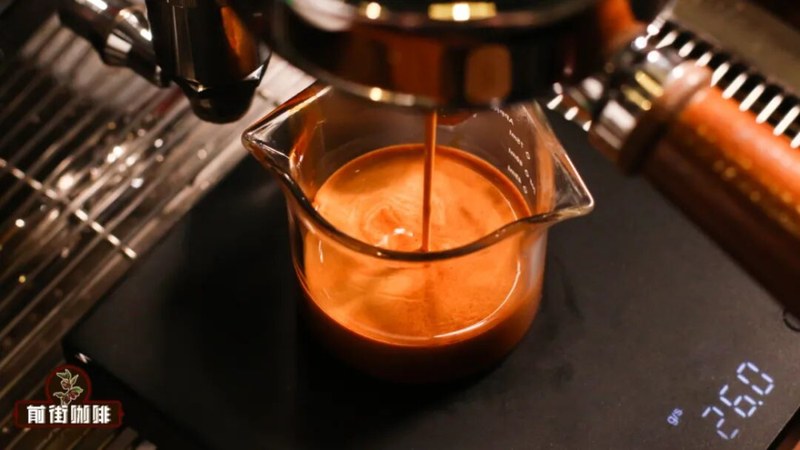
For beans known for their delicate aromas—such as those reminiscent of Panama’s Finca Esperanza Red Label Geisha—you can observe changes in their state further through the cooling process after brewing. During the initial pour, pay attention to whether light notes such as white flowers and citrus peel emerge, followed by the gradual development of a bergamot-like fresh tone and a tea-like soft finish. Using a hot pour over method, tasting from high temperature down to slightly cooled, not only allows you to experience the transition of aroma from bright to mellow, but also helps you more accurately judge whether the beans have fully revealed their potential.
If you wish to more directly perceive the differences before and after coffee bean maturation, you can choose beans with a richer sun-dried profile—such as sun-dried Geisha with notes of guava, ripe apricot, and berry jam. These beans may have more concentrated fermentation aromas during the first bloom, so it’s recommended to wait a few more days before brewing. Once their state stabilizes, making a hot drink with a gentle water flow often delivers a more cohesive fruit sweetness experience.
When planning how much to buy, it’s advisable to consider your personal consumption frequency. For example, if you use 15 grams per day, that’s roughly 105 grams per week, so a 200-gram bag can last about two weeks; if you brew only two or three times a week, you might consider choosing a smaller size or splitting a pack with friends. Ideally, finishing a bag of beans within two to three weeks after it enters its optimal drinking window often helps preserve its unique flavor characteristics better than opening multiple bags at once.
Storage after opening is also crucial. If the original packaging has a one-way degassing valve and is tightly sealed, you can gently squeeze out excess air, then seal it tightly and store it in a cool, dry, dark place with minimal temperature fluctuations. Transparent airtight containers are suitable for short-term storage but should be kept away from direct sunlight or heat sources like stoves. When taking beans out, it’s recommended to use a dry measuring spoon and reseal the package promptly to minimize the impact of oxygen, moisture, and kitchen odors on the beans.
For beans that you can finish within two or three weeks, room-temperature sealed storage is usually more convenient than refrigeration. If you purchase a larger quantity and need to store them for more than a month, divide them into small sealed portions for three to five brews at a time and place them in a frozen environment. When taking them out for use, keep the packaging intact and allow the beans to return to room temperature before opening and grinding. The portion that has been thawed should be consumed as soon as possible to reduce the negative effects of condensation and repeated temperature changes.
Additionally, beginners may prefer to buy whole coffee beans and grind them just before brewing. Once coffee beans are ground, the surface area exposed to air increases significantly, causing floral and fruity aromas to dissipate rapidly. If you don’t have a grinder at hand, you can ask the roaster to pre-portion and grind a few days’ worth and store each portion separately in a sealed bag. Clearly labeling the roast date, opening date, and expected consumption date on the bag can make the overall drinking schedule clearer and easier to manage.
The ideal journey for a high-quality bag of pour over coffee beans is not about opening the bag as early as possible, nor is it bound to a fixed number of days. The key lies in planning your purchase timing reasonably based on the roast date, carefully observing the beans’ state after bringing them home before deciding when to open the bag, properly controlling air and moisture exposure after opening, and brewing during the stage when the aroma is most vibrant. By following these principles, even beginners can experience a fuller and richer range of flavor changes from each bag of pour over beans.
The above content is compiled by CoffeeHunters, a coffee news website.


