







Introduction:If you want to brew a rich, espresso-like coffee at home, the moka pot is your most accessible option. This article starts with the extraction principles, then breaks down key details such as water level, grind size, heat control, and the timing for removing the lid. It also covers safety precautions and tips for choosing among Bialetti’s new pressurized moka pots, helping you avoid common mistakes on your first try and brew authentic Italian-style coffee with a thick layer of crema.
When it comes to recreating Italian coffee flavors at home, the moka pot is probably the easiest tool to start with. This classic design was born in1933, created by Italian inventor Alfonso Bialetti. It brews coffee by using steam generated from heating water at the bottom, and has since become the most common coffee appliance in Italian kitchens.
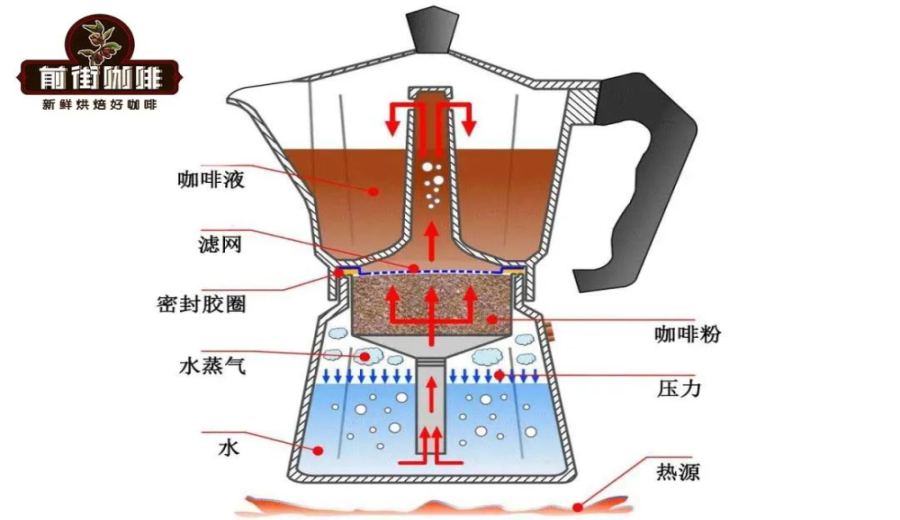
Its extraction principle isn’t complicated: water in the lower chamber is heated to produce steam. When the pressure builds up enough to push through the coffee grounds, the hot water is forced up into the upper chamber. The resulting coffee is bold and full-bodied, with a balance of acidity and bitterness, and a layer of crema on top. Among various Italian coffee brewing devices, it’s the most affordable and beginner-friendly option.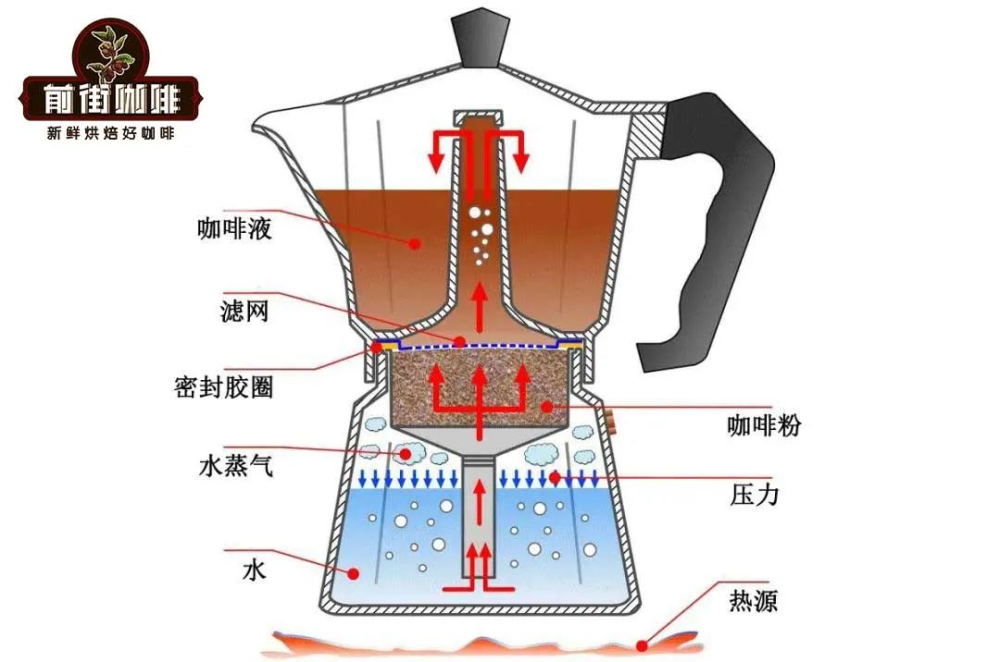 The equipment you need is also simple: a moka pot, a gas stove (with a trivet) or an induction or halogen stove as the heat source, plus coffee beans, a grinder, and water.
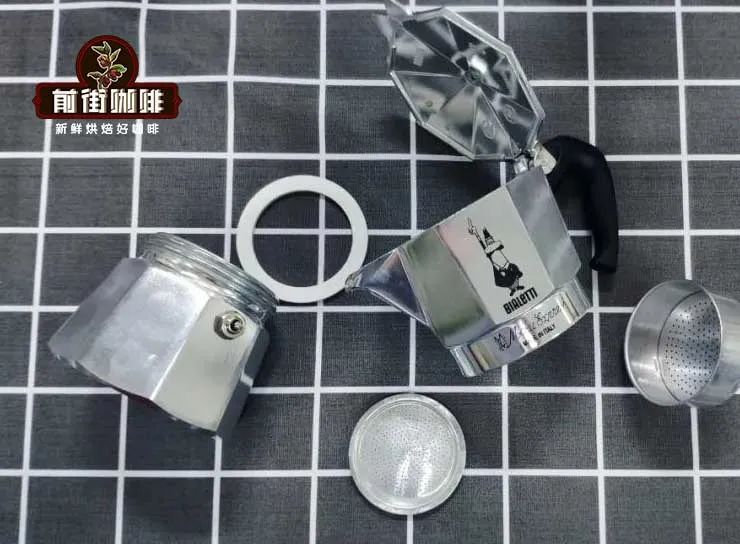
First, prepare the water. Pour clean water into the lower chamber,keeping the water level about 0.5 cm below the pressure relief valve. Never let it go above the safety valve—this small component is the lifeline of the entire brewing process.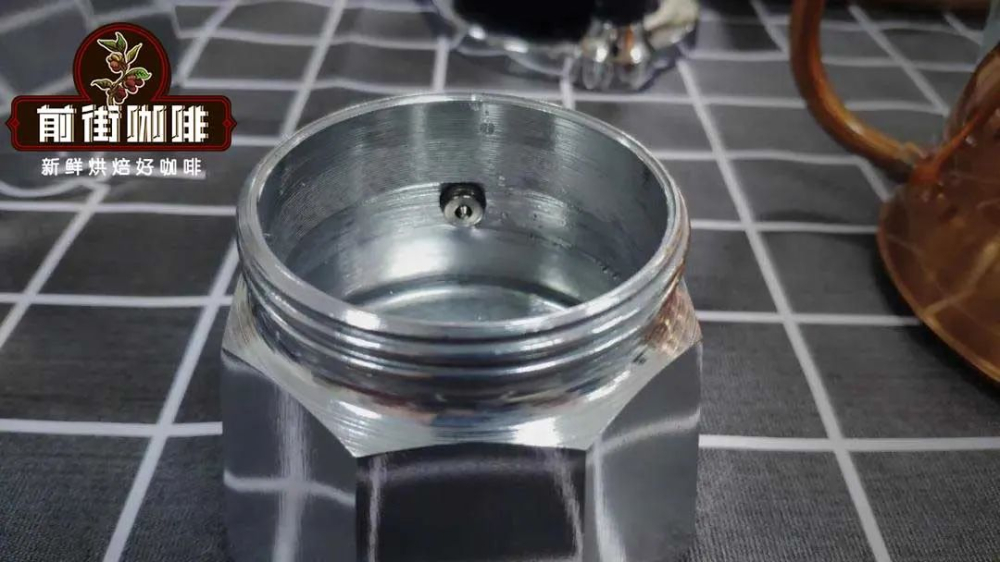
Next is grinding and filling the coffee. The grind size should beslightly coarser than espresso, which you can judge by comparing it to the gap size of the filter basket—make sure the grounds don’t fall through the holes into the lower chamber. Slowly add the coffee grounds into the basket, gently tap the basket to distribute them evenly, then shape the surface into a small mound before leveling it off with a leveling tool or your finger.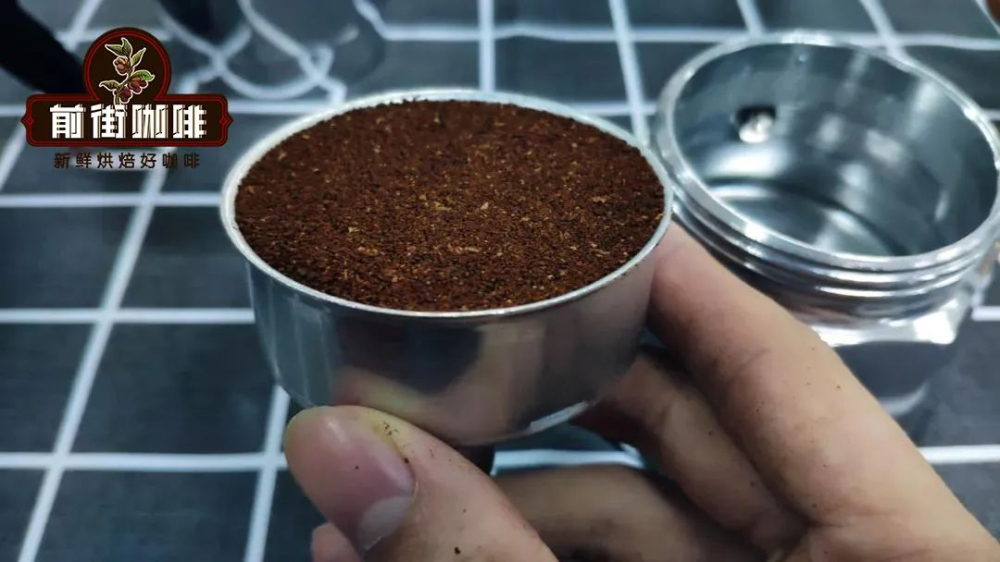 Filling the basket fully helps avoid extracting off-flavors: the more even the coffee density, the less likely it is that some grounds are over-extracted while others are under-extracted, which could result in uneven flavor or noticeable bitterness.
Now move to assembly and heating: place the filled basket back into the lower chamber, make sure the upper and lower chambers are tightly sealed, then put the moka pot on the stove and start with high heat.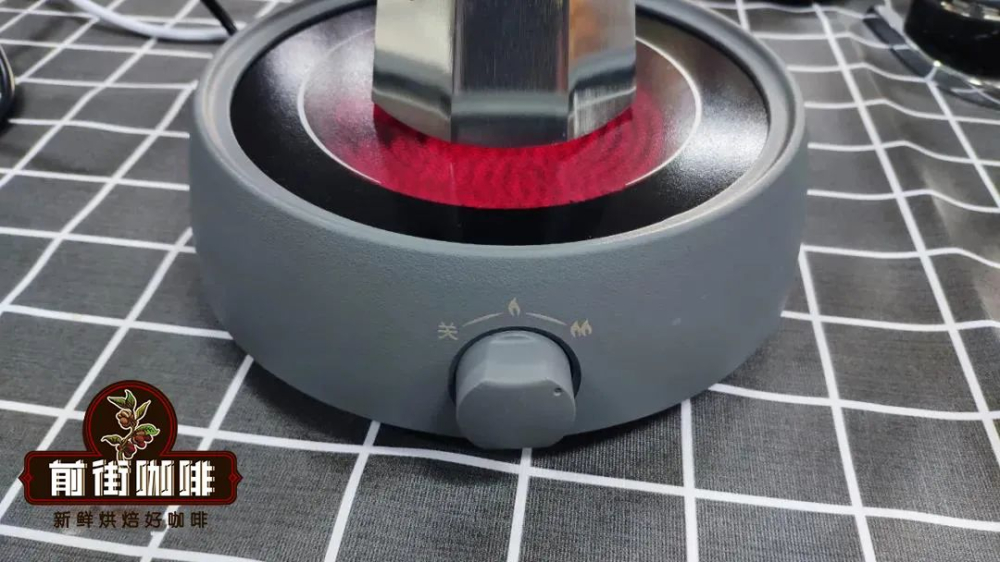 When the pot heats up to a certain temperature and you hear a clear “whistling” sound, it means pressure has built up. At this point, reduce the heat and open the lid of the upper chamber.
When about half of the coffee has flowed into the upper chamber, you can turn off the heat. The remaining coffee will be slowly “pushed” up by the residual heat and pressure.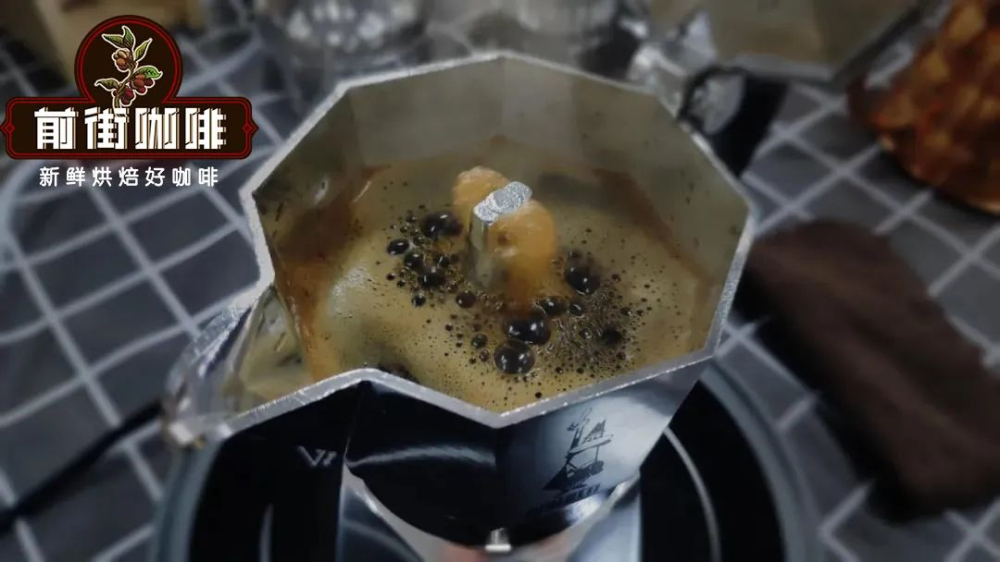 Once the brewing is complete, you can pour and enjoy. Moka pot coffee is quite strong and can even produce crema, making its texture the closest to espresso among all brewing methods. If it’s too strong for you, you can dilute it with water or milk, just like an espresso, to make an Americano or a milk-based coffee.
A few important points for safety and quality: never let the water level exceed the pressure relief valve; the moka pot gets extremely hot after heating, so never touch it with bare hands to avoid burns; if the coffee sprays out forcefully, the water is too hot, whereas if the flow is too slow, the water may be too cool or the heat too low—you can adjust by increasing the flame. Since the whole process involves pressure,heat controlis the core key to safe usage.
Besides the classic model, Bialetti recently released a new generation of pressurized moka pots.Starting January 22, numerous hands-on review videos of the new model have appeared online. Currently, the brand offers three models: the standard single-valve version without pressurization, the older double-valve version with gravity-based pressurization, and the latest double-valve pressurized version.
The biggest structural difference among the three is that the single-valve version has no pressurization mechanism; the older double-valve relies on gravity for pressurization; the new version eliminates the gravity structure and instead uses aninternal hydraulic layerin the upper chamber to achieve pressurization.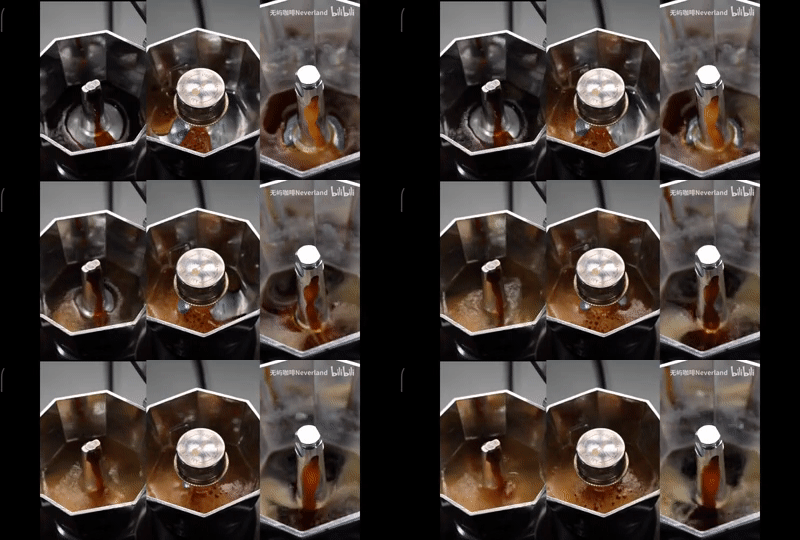 This change brings two main benefits: easier cleaning and better coffee quality.
From various comparison videos, it’s clear that the single-valve version produces less crema that dissipates quickly; both pressurized versions have noticeably more crema than the single-valve one; among them, the new double-valve version has thicker, creamier crema that also dissipates more slowly, delivering the best overall performance.
The above content is compiled by CoffeeHunters, a coffee news website.


