







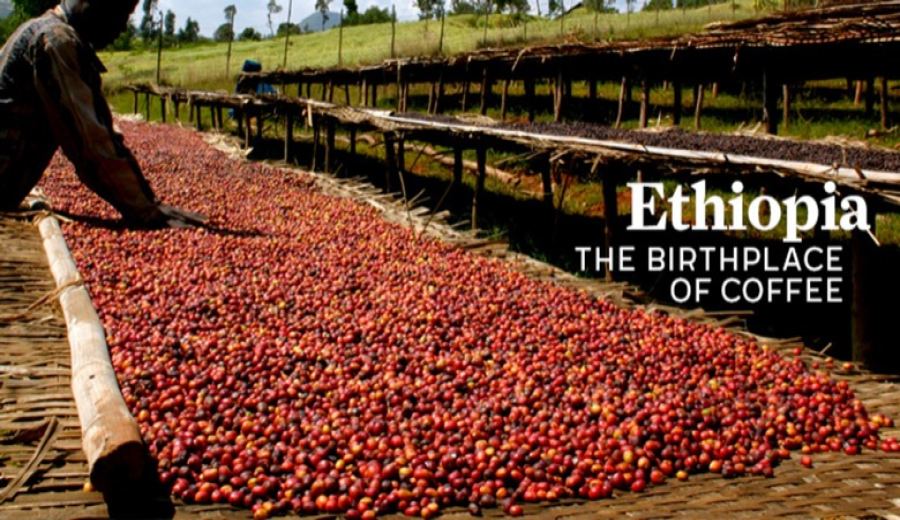
Introduction:Yirgacheffe is renowned for its diverse flavor profile, and the degree of roasting significantly impacts its final taste. This article delves into the flavor differences brought by light, medium, and dark roasts of Yirgacheffe, including common citrus, floral, cocoa, and nutty notes. It also provides bean selection tips and practical brewing references to help beginners find their ideal entry point based on personal preference.
The flavor range of Yirgacheffe is broad, and different roast levels guide it toward distinctly different taste directions: light roasts highlight bright acidity, floral and fruity aromas, and berry flavors; medium roasts enhance sweetness and a richer body, resulting in a smoother mouthfeel; dark roasts emphasize cocoa, nutty notes, and bold, intense flavors. For those new to this famous Ethiopian origin, it’s recommended to first check the roast level indicated on the packaging, then choose based on your preferred cupping flavor profile.
 Light Roast YirgacheffeThis roast level is generally the best choice for those who enjoy clean, natural-flavored black coffee. It preserves the origin’s original characteristics to the greatest extent, often featuring bright acidity reminiscent of citrus, with light and lively aromas. When brewed using a pour over method, hot water gradually releases enchanting layers of floral and fruity notes; however, if you’re accustomed to adding sugar or milk, the delicate aromas of a light roast may require an adjustment period.
If you want to try a light roast, look for options showcasing citrus, berry, and fresh floral characteristics. For example, some batches easily exhibit fruit tones similar to oranges or berries upon brewing, with a hint of green tea-like sweetness lingering after cooling. Using the pour over method can better fully release the aroma, and when making cold brew, the acidity tends to be gentler—perfect for summer drinking and recommended as an introductory sample to understanding the flavor of light roast Yirgacheffe.
Additionally, some light roast beans exhibit a more tropical fruit personality, such as red berry or tropical fruit tones, with lively aromas and clear sweetness. These are ideal for consumers who enjoy distinctive, memorable flavors. Pour over can intensify the fruitiness, while ice pour over results in an even lighter body, and cold brew offers a sensation akin to a soft fruit beverage—helpful for building an intuitive understanding of light roast layers.

Moving on tolight-medium to medium roast, Yirgacheffe’s flavor shifts toward a gentler and more balanced expression. At this roast stage, some floral and fruity notes may still remain, but the acidity is no longer as prominent. Instead, it offers a softer mouthfeel, distinct sweetness, and a smooth texture. For beginners transitioning from dark roasted coffee to single-origin beans, this roast level of Yirgacheffe often feels more approachable, whether enjoyed as pure black coffee or with a small amount of milk, both showcasing good drinkability.
Some light-medium roast choices feature nuanced, clean aroma layers, with an aftertaste that even carries an elegant tone reminiscent of black tea. It’s recommended to use a pour over for small-batch brewing and taste the coffee slightly cooled, as sometimes different aroma and sweetness characteristics can be discovered compared to hot servings. Additionally, when selecting medium roast beans, pay attention to whether the sweetness is sufficient and whether the mouthfeel is round enough—both are key factors influencing overall drinking experience.
As fordark roast Yirgacheffe, it’s better suited for those who prefer intense flavors and regularly consume milk-based coffee or espresso drinks. With a longer roasting time, floral and fruity aromas noticeably recede, replaced by heavier notes such as caramel, cocoa, and roasted nuts, while acidity is relatively subdued. For this type of bean, there’s no need to overly pursue subtle regional flavor differences—the focus should be on whether the coffee liquor pairs well with milk or ice to support the overall drink's layered profile.
If your daily drinks are mainly lattes or Americanos, you might want to prioritize medium or medium-dark roast options; if you primarily enjoy filtered black coffee, then light and light-medium roasts offer more room for exploration. Keep in mind, the darker the roast, the more suitable it usually is for creating bold espresso bases—but actual performance still depends on bean density, grind size, and brewing equipment settings. It’s advisable not to judge solely based on the roast level indicated on the package.
When selecting Yirgacheffe, consider creating your own “selection chart” by taking into account roast level, flavor descriptions, and your intended brewing method (e.g., pour over, French press, or espresso extraction). For instance, if you hope to experience fruity and floral notes, prioritize light roast beans suitable for pour over; if you prefer a balance of acidity and sweetness, look at options within the light-medium or medium roast range; if you mainly use it for milk-based coffee, medium to medium-dark roasted beans typically deliver better sweetness and body. After receiving the beans, it’s recommended to conduct several brew tests with similar coffee-to-water ratios, then fine-tune grind size according to actual taste—this way, you can better grasp the potential of that particular bean.
One of the charms of Yirgacheffe is how coffee beans from the same origin can display vastly different personalities depending on the roast level. For beginners, there’s no need to initially chase complex flavor descriptions. Simply start from your familiar preferences in strength and acidity-sweetness balance: if you’re drawn to tea-like notes and subtle florals, lean toward light roast; if you prefer a rounded and full sweetness, explore starting with medium roast; if milk-based coffee is your main drink, a darker roast might better match your taste expectations. With such a selection strategy, you can not only establish a clear direction for bean choice, but also gradually discover your own Yirgacheffe drinking coordinates.
The above content is compiled by CoffeeHunters, a coffee news website.

