







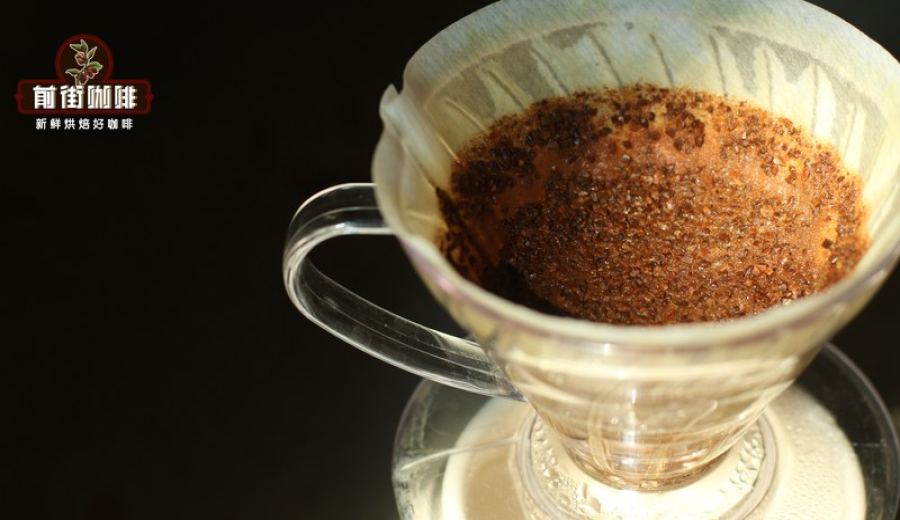
Introduction:Yirgacheffe is renowned for its unique floral notes, citrus tones, and tea-like body—but these characteristics can vary significantly with roast level. This article breaks down the actual flavor profiles of light, medium, and dark roasts, along with corresponding brewing parameters and purchasing tips to help you find the most suitable roast level for your taste preferences—whether you prefer pour over or milk-based coffee.
The charm of Yirgacheffe lies in its versatile flavor profile, which is largely determined by roast level. From bright, juicy citrus acidity and delicate floral notes to rich caramel and cocoa undertones, different roast depths can give beans from the same origin entirely distinct personalities. To achieve the most satisfying cup, it's often more practical and worthwhile to choose a roast level based on your preferred flavor direction rather than simply seeking out the name of the region.
If you prefer bright acidity and aromatic intensity, light-roasted Yirgacheffe is the ideal choice. These beans typically exhibit prominent citrus, white floral, berry, and even tea-like finishes. They feel light on the palate, and as the temperature drops, the layers of flavor become even richer. However, light roasts are more sensitive to brewing variables such as water temperature, grind size, and pouring rhythm, so it’s recommended to fine-tune these factors to fully showcase their origin characteristics. For example, a certain café’s Yirgacheffe Guddatu is a great entry-level light roast option. When hot-brewed, it offers a refreshing citrus acidity, soft berry aroma, and subtle floral notes, finishing clean like green tea. If using a pour-over dripper, a medium-fine grind is recommended to help enhance aroma and sweetness.
If you enjoy iced coffee, light-roasted Yirgacheffe also performs exceptionally well. Brewing with hot water at high concentration and then pouring directly over ice highlights the lively fruitiness, with acidity resembling fresh juice. For cold brew, the low temperature softens any sharpness, resulting in a smoother overall mouthfeel. For coffee lovers on a budget, getting multiple uses out of one bean can greatly enhance value.
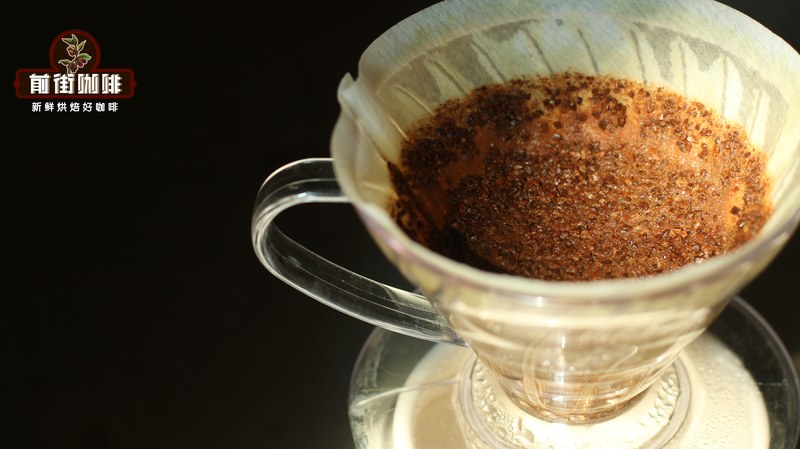
Medium-roasted Yirgacheffe excels in flavor balance. Here, acidity takes a backseat, harmonizing better with sweetness, body, and aroma. This roast level is suitable for hot pour over and can also be used to make Americano, making it broadly accessible. If you’re new to light roasts but concerned about overly bright acidity, medium roast is a more natural transitional choice. When selecting, look for product descriptions that mention both fruity-floral notes and terms like caramel, honey, or tea-like qualities—if only intense roasty flavors are present without aroma, the cup may taste dull; but if the roast is too light, acidity might dominate. An ideal medium roast batch should have clear sweetness and a non-astringent finish, making it easier for daily drinking and reducing extra spending from trial and error.
As for dark-roasted Yirgacheffe, its hallmark is toning down the origin’s bright characteristics in favor of intense notes like cocoa, roasted nuts, and caramel, resulting in a relatively fuller body. This roast level suits drinkers who enjoy a blend of bitterness and sweetness and desire a bolder coffee presence. When extracted via espresso machine, dark-roasted Yirgacheffe can still maintain distinct coffee flavor even when milk is added, giving lattes and other milk coffees stronger structure. However, dark roast doesn’t necessarily mean intense bitterness. By adjusting brewing parameters—such as slightly lower water temperature and shorter contact time—you can preserve more sweetness and body. If the cup feels dry or overly bitter, try using a slightly coarser grind. For those with a fast-paced lifestyle who want a quick coffee fix, dark roast styles usually offer higher tolerance and are better suited for everyday use.
When purchasing, don’t overlook roast date and packaging information. Light-roast beans typically require an appropriate resting period, as their aroma becomes more cohesive once degassing stabilizes. Medium to dark roasts reach drinkable status more quickly. It’s advisable to choose smaller packages based on your weekly consumption—not only does this ensure bean freshness, but it also makes it easier to compare differences between roast levels, avoiding buying too much in pursuit of complex flavors.
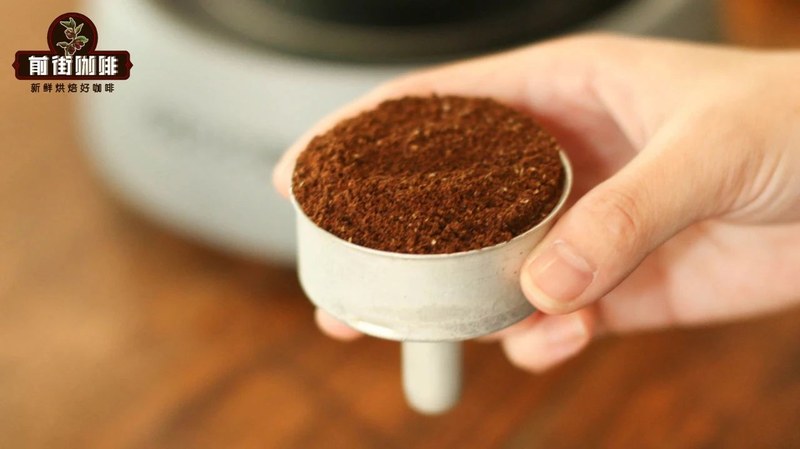
In summary, there is no single fixed way to enjoy a particular Yirgacheffe. The key lies in whether the roast direction aligns with your personal taste preferences. If you’re drawn to floral and fruity acidity, start exploring with a light roast pour over. If you prefer sweet and balanced flavors, prioritize a medium roast. If intensity and milk coffee performance matter most, a dark roast is the better choice. Referencing these judgment criteria along with bag descriptions and actual usage will ensure your budget is well spent, allowing you to enjoy the Yirgacheffe flavor that suits you best.
The above content is compiled by CoffeeHunters, a coffee news website.

