







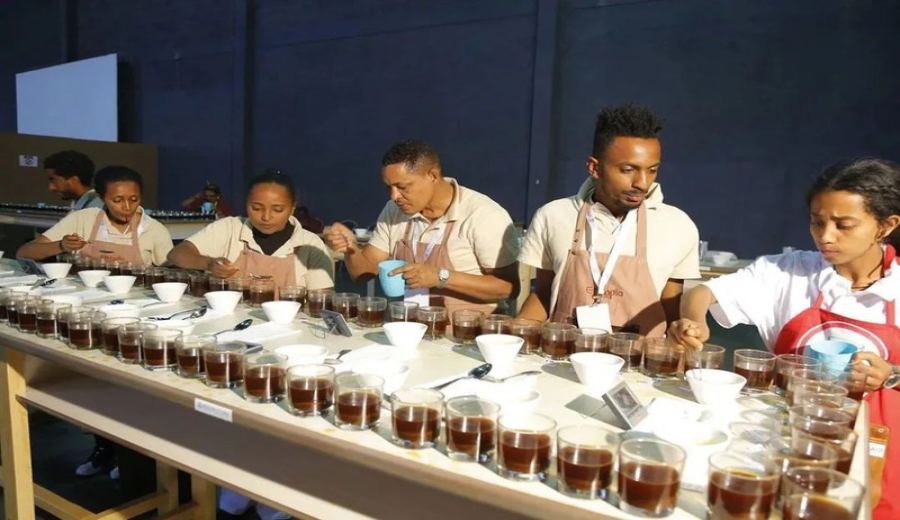
Introduction:Yirgacheffe is renowned for its distinctive floral and fruity aromas as well as its bright acidity. But with so many coffee beans on the market labeled as “Yirgacheffe,” how can you distinguish between authentic beans and those that fall short, or verify whether their flavor profiles are true to origin? Roast level is an important reference clue, but it shouldn’t be used alone to determine origin. This article will guide you through light, medium, and dark roasts to understand how different roast levels affect Yirgacheffe’s expression, and teach you how to make smarter choices by examining roast information, visual details, and flavor characteristics.
Identifying the authenticity of Yirgacheffe based solely on roast level isn’t enough, but it is indeed an important reference indicator. Different roast levels can significantly impact a coffee’s acidity, sweetness, aroma, and overall body, as well as influence our perception of regional flavors. Therefore, when making a purchase, it’s advisable to combine roast expression with origin information, processing method, and even specific batch details for a comprehensive assessment.
Takinglight roastas an example, this method usually preserves the most original regional characteristics of Yirgacheffe. If after brewing you detect clear citrus, floral, berry, or tea-like aromas, experience a distinct sweet-and-acid contrast on the palate, and still enjoy a clean aftertaste as the coffee cools, then these traits are quite consistent with the common style of Yirgacheffe from high-altitude regions. However, it’s important to note that rich aromas don’t necessarily mean the beans are genuinely from the region. If you detect pungent sourness or an obvious artificial fragrance, that could instead be a sign of improper processing or storage.
When reviewing packaging information, pay attention to whether the roast level description is precise. If it simply says “light roast” without indicating the origin range, processing method, roast date, or batch number, the basis for judgment is actually very limited. The more detailed the batch and processing information, the easier it becomes to cross-validate the flavor descriptions on the package with your actual brewing experience—rather than being swayed solely by flashy bean names.
In terms of appearance,light-roasted beanstypically exhibit a light brown to brownish hue, with a relatively dry surface, and the size and shape of the beans may vary slightly. This is related to natural variations in the green beans themselves as well as heat distribution during the roasting process. If you find beans with a shiny, oily surface and a color close to dark brown, yet they’re labeled as “very light roast,” it’s recommended to further confirm whether the roast settings for that batch align with the labeling.
If you brew a light-roasted Yirgacheffe labeled as such—such as the commonly seen Gedi Ding Ding variety—using a pour over method, you should be able to perceive a refreshing citrus tone, berry aroma, and delicate floral notes. Upon cooling, you might also notice an aftertaste reminiscent of green tea. This ability to showcase layers of flavor from hot to cold is one of the great charms of light-roasted Yirgacheffe. But if it’s labeled as light roast yet tastes only of charred bitterness or smokiness, it might be over-roasted or unevenly extracted during brewing.
Turning tomedium roastYirgacheffe, the key to identification lies not in whether the acidity remains strong, but rather in whether the overall fruitiness, sweetness, and mouthfeel form a harmonious and coherent profile. An appropriately medium roast can soften overly sharp acidity, making honeyed, ripe fruit, brown sugar, or tea-like textures feel rounder and smoother, allowing the regional characteristics of the origin to come through more easily. For those new to single-origin coffees, the medium roast version is generally more approachable for discerning Yirgacheffe’s regional signals.
For example, certain Ethiopian Huika beans roasted in a medium-light to light style, when brewed using pour over or iced pour over methods, often exude sweet aromas of tropical fruits and strawberries, with a lively brightness from passion fruit. Even when brewed as cold brew, they can maintain relatively natural aromas and textures, making them good samples for observing flavor performance at different temperatures.
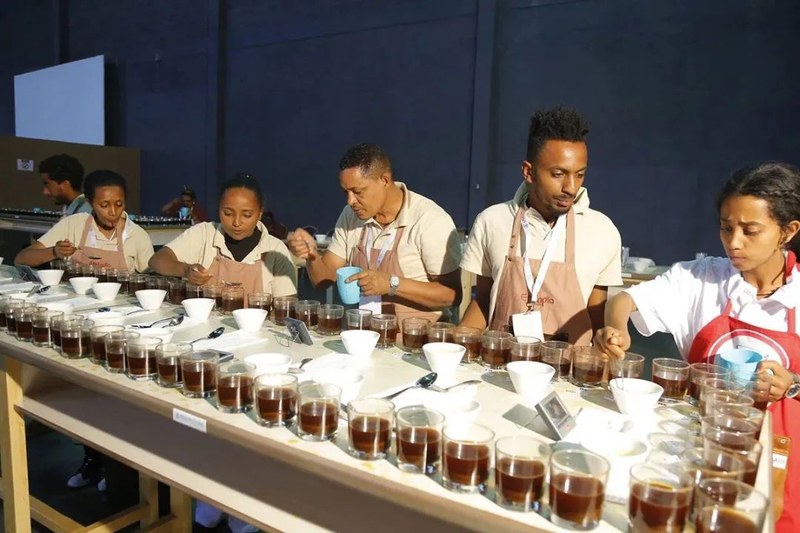
As fordark roast, it cannot directly serve as a basis for determining the authenticity of Yirgacheffe, but dark roasting does tend to mask many of the subtle characteristics unique to this region. If the coffee beans are excessively dark in color, have an oily sheen, and present primarily ashy, smoky, or intense bitter notes on the cupping table, the region’s signature floral and fruity tones will become blurred and hard to discern. If the packaging emphasizes floral and fruity notes but the actual roast is dark, it’s advisable to inquire with the seller about the roast curve or refer to actual cupping records.
Additionally, be mindful of how the term “Yirgacheffe” is used on the packaging. In some products, it is used as a regional name, while in others, it may merely serve as a flavor label or series name. Truly valuable information usually includes: Ethiopia, the specific Yirgacheffe region, processing station or cooperative name, variety, processing method, and roast date. Roast level is used to describe the direction of processing, but it can never replace a complete chain of origin information.
When purchasing, consider selecting both light and medium roast versions from the same roaster, and compare their packaging descriptions, bean appearance, and actual brewed flavors for consistency. The light roast version should display more pronounced fruity acidity and aroma, while the medium roast should emphasize sweetness and a smoother mouthfeel. Both can be high-quality genuine beans, but they may also lose their intended qualities due to improper storage or inaccurate roasting. By treating roast level as an auxiliary clue and combining it with origin information and actual cupping experiences, you can make a more reliable judgment.
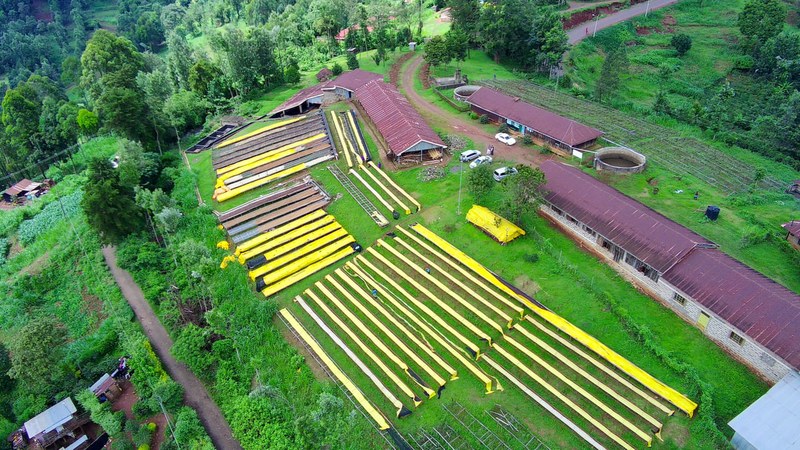
In summary, the charm of Yirgacheffe lies in the diverse expressions resulting from the interplay of regional environment, varietal characteristics, processing methods, and roast choices. If you prefer fresh floral and fruity tones, start with a light roast of freshly harvested beans; if you favor softer sweetness, a medium roast is a more approachable choice; and if you’ve only tried dark roast versions, you should pay extra attention to whether the roast is clean and the bitterness is well-contained. Choosing a roast depth that suits your personal taste can also help you more comfortably explore the true flavor world of Yirgacheffe.
The above content is compiled by CoffeeHunters, a coffee news website.

