







Introduction:You don’t need to buy a whole set of pour over equipment like a pour over kettle, filter cone, or paper filters to enjoy rich, delicious specialty coffee at home. This article starts with the century-long history of the French press, explains why it’s especially beginner-friendly, and uses Ethiopian Huila Geisha (Hua Kui) coffee beans as an example. We’ll outline key brewing parameters such as grind size, water temperature, coffee-to-water ratio, and steeping time to help you avoid common pitfalls like over-extraction and bitterness—so you can brew a cup bursting with flavors of strawberry cream and berries.
Want to enjoy a well-brewed pour over coffee at home? Often, you’d need to gather a full set of tools like a pour over kettle, filter cone, paper filters, thermometer, etc.—costly and space-consuming. But it doesn’t have to be so elaborate—just aFrench press (French Press), and with just three steps—adding coffee grounds, pouring water, and pressing down—you can still brew specialty-grade coffee with rich flavor and a full body. It’s arguably the most accessible entry-level brewing method.
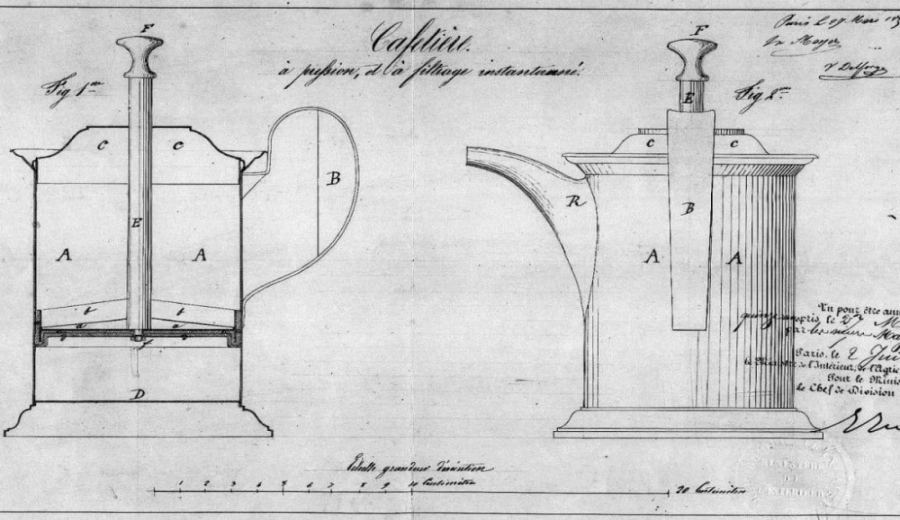
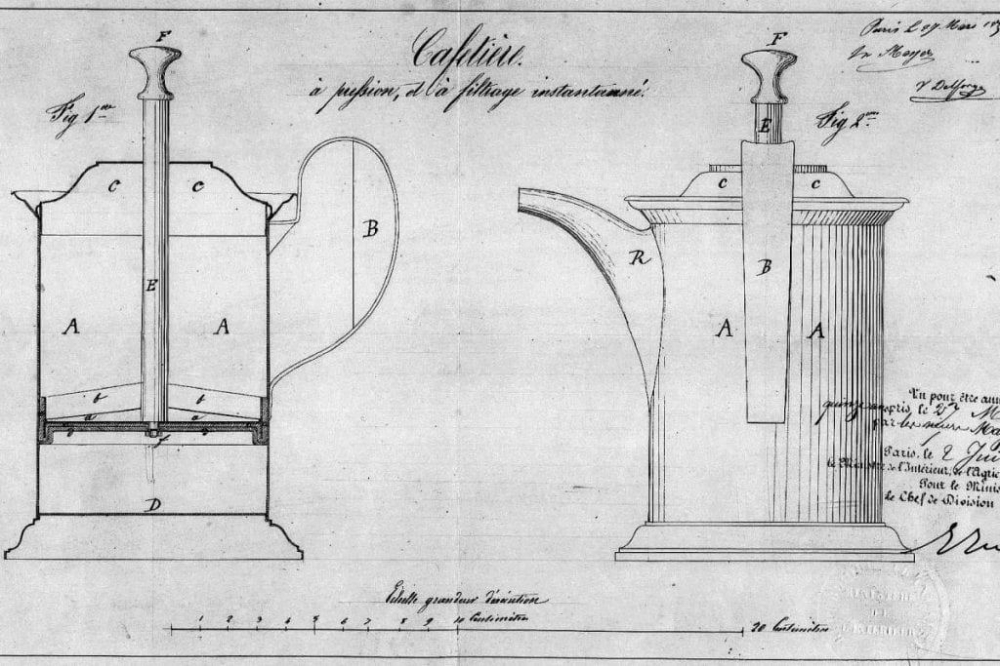
The history of the French press dates back to the 1850s. At that time, a craftsman and a businessman jointly obtained a patent for a “piston-filtering coffee device”: a metal container connected to a movable plunger, with holes at the bottom of the rod and layers of flannel sandwiched at both ends; by manually pressing the plunger down, coffee grounds were separated at the bottom of the pot, resulting in a relatively clean cup of coffee. It wasn’t until the late 1920s that a company in Milan, Italy, registered an improved version of the patent that the French press gradually evolved into the modern form we’re familiar with and became widely popular.
Interestingly, the original main use of the French press wasn’t for coffee, but for tea—the filter used for tea is coarser, while that for coffee is finer. Even today, for those with limited time or who aren’t ready to invest in a coffee machine, it remains a highly practical choice. Because it uses full immersion extraction, the coffee brewed with a French press has a thick body and bold flavors, making it particularly good at highlighting the sweetness and body of natural-processed beans.
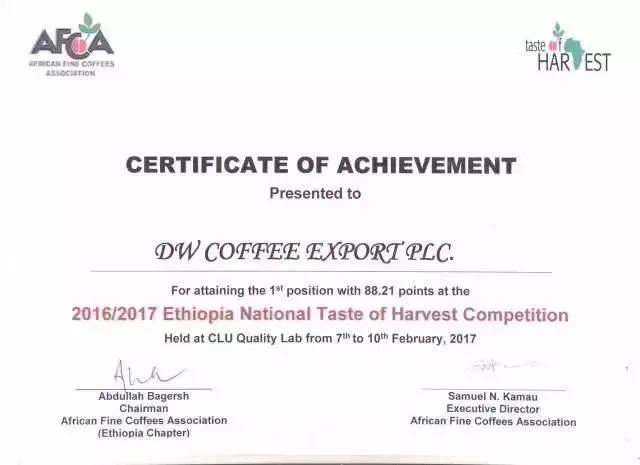
To test the capabilities of the French press, it’s best to choose a coffee bean with distinct flavors. Here, we’ll use Ethiopia’s star bean, “Hua Kui.” Hua Kui comes from the Buku Abel washing station in the Guji-Hambela zone, processed using the natural method. In 2017, Ethiopian DW Coffee sent the natural-processed beans from Buku Abel to the TOH (Taste of Harvest) green coffee competition, where they won the natural category championship in the Ethiopian regional round with their intense strawberry cream flavors. Later, a Beijing-based green coffee importer brought in the same championship batch, and, seeing the potential in its post-harvest processing, named it “Hua Kui,” meaning “the foremost among flowers”—a metaphor for “the king of all blooms.”
In the same year, during the China leg of the World Brewers Cup, nearly every competitor used Geisha beans, but contestant Li Jianfei took second place using the same batch of Hua Kui beans, propelling this Ethiopian origin into the spotlight. Since then, Hua Kui has been updated annually in “X.0” format: 2018’s Hua Kui 2.0, 2019’s Hua Kui 3.0, 2020’s Hua Kui 4.0, 2021’s Hua Kui 5.0, and in 2022, Hua Kui 6.0.
There’s also a special sub-line within the Hua Kui family—“Small Bean Hua Kui.” In the 2018 and 2019 batches, a small number of tiny beans were found. Cupping comparisons confirmed that these small beans were the main source of Hua Kui’s aromatic qualities. Starting in 2020, DW Coffee began processing these small beans separately, officially establishing the “Small Bean Hua Kui” brand. Cupping comparisons show that Small Bean Hua Kui’s flavor profile more closely resembles the strawberry cream notes of the 2017 championship batch; Hua Kui 5.0, on the other hand, leans more toward the typical citrus, berry, and tea-like characteristics of the Guji region.
However, one of the most common issues when brewing at home is this: the Hua Kui you taste at a café is dazzlingly good, but when you try brewing it yourself, it turns out bitter and astringent, completely off-profile. Compared to pour over methods that require stable pouring technique and experience, the French press minimizes variables. As long as you master a few key brewing parameters, even beginners can reliably reproduce Hua Kui’s berry-and-cream flavors.
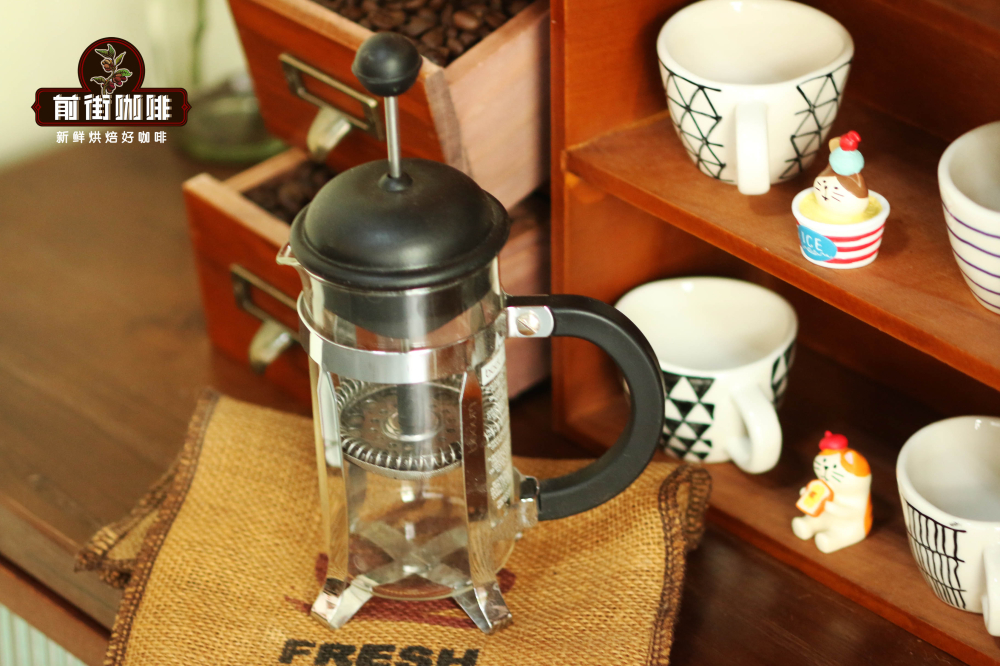
Recommended brewing parameters for Hua Kui using a French press:Water temperature: 90°C, coffee dose: 15g, coffee-to-water ratio: 1:15 (i.e., pour 225g of hot water), grind size: 70% through a Chinese standard No. 20 sieve. The steps are as follows: First, pour hot water into the French press to preheat it, then discard the water; add 15g of coffee grounds, then pour in 225g of 90°C hot water; pull the plunger up to the top and cover with the lid, then let it steepfor 4 minutes; once the time is up, slowly and gently press the plunger down to about a quarter of the way down the French press, then pour out all the coffee liquid—you’re ready to enjoy.
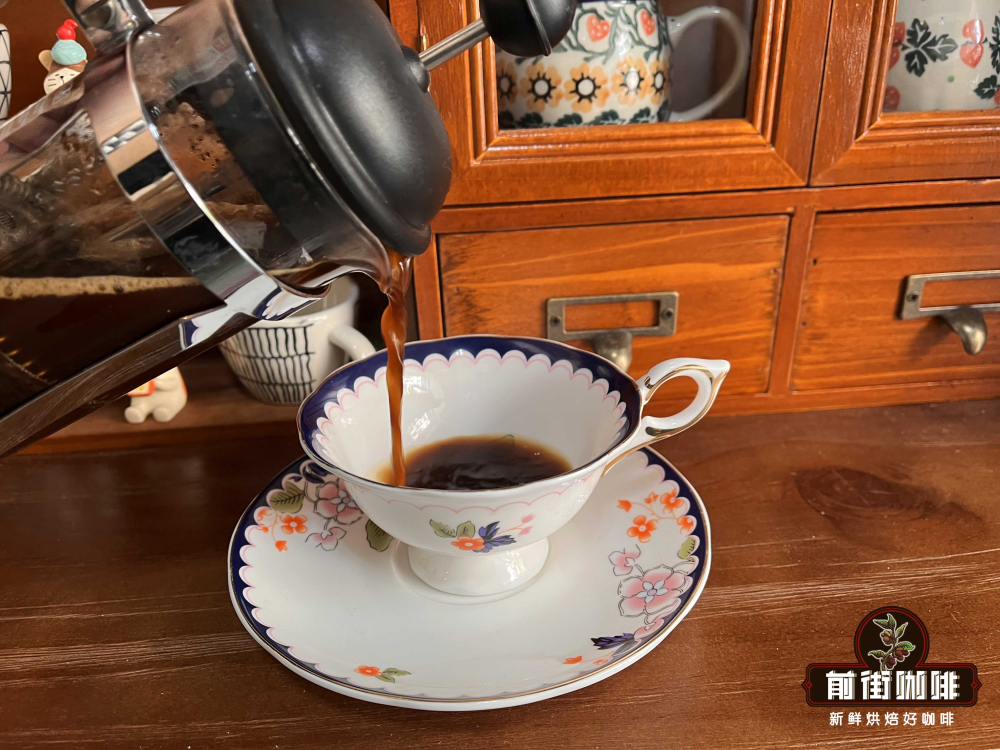
Coffee brewed with these parameters delivers a fruity berry aroma upon entry, with a distinct complex berry juice flavor and a creamy mouthfeel, overall rich and full-bodied. The reason for using the relatively high water temperature of 90°C is that Hua Kui is a medium-light roasted bean; its flavor compounds are released more slowly upon contact with hot water, so increasing the temperature helps accelerate extraction and fully bring out the aromas.
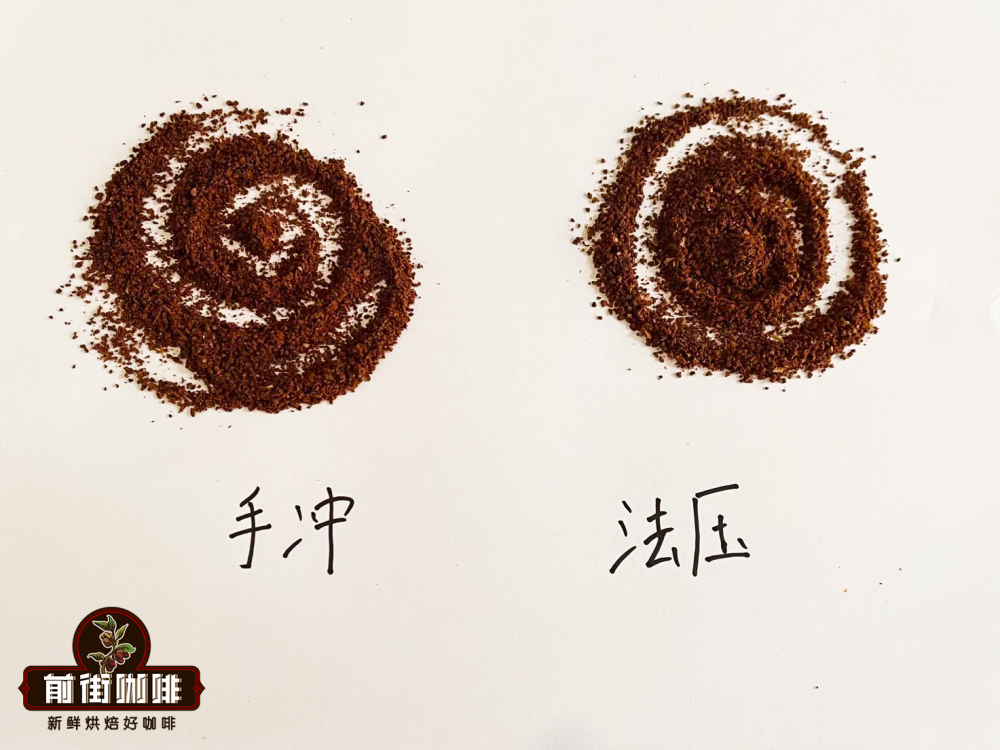
Grind size is the core factor determining success or failure with the French press. If you were to brew Hua Kui using a pour over cone with a three-pour method, because the contact time between hot water and coffee grounds is short and the water quickly drips into the server, a slightly finer grind—80% through a No. 20 sieve—is typically used. For the French press, however, the coffee grounds are steeped in hot water for a long time, so you must switch to a70%to reduce the surface area of contact between coffee and water and avoid over-extraction. The guiding principle is simple: grinding too fine leads to over-extraction, resulting in bitterness and astringency; grinding too coarse leads to under-extraction, resulting in a thin, watery body or even sour notes. Also, be mindful of two common mistakes: if you press too hard, you may stir up fine particles, leading to coffee sediment in your cup; and if you leave the coffee in the French press with the grounds after brewing, it will continue extracting and turn bitter—so be sure to pour it all out at once.
The above content is compiled by CoffeeHunters, a coffee news website.


