







Introduction:The French press is the go-to choice for many coffee lovers thanks to its convenience—not only is it simple to use, but it also preserves the full richness of coffee oils and original flavors. This article will delve into the ideal roast level and flavor profiles of coffee beans suited for the French press, and offer practical brewing tips and parameters to help you easily brew a smooth and rich cup of French press coffee.
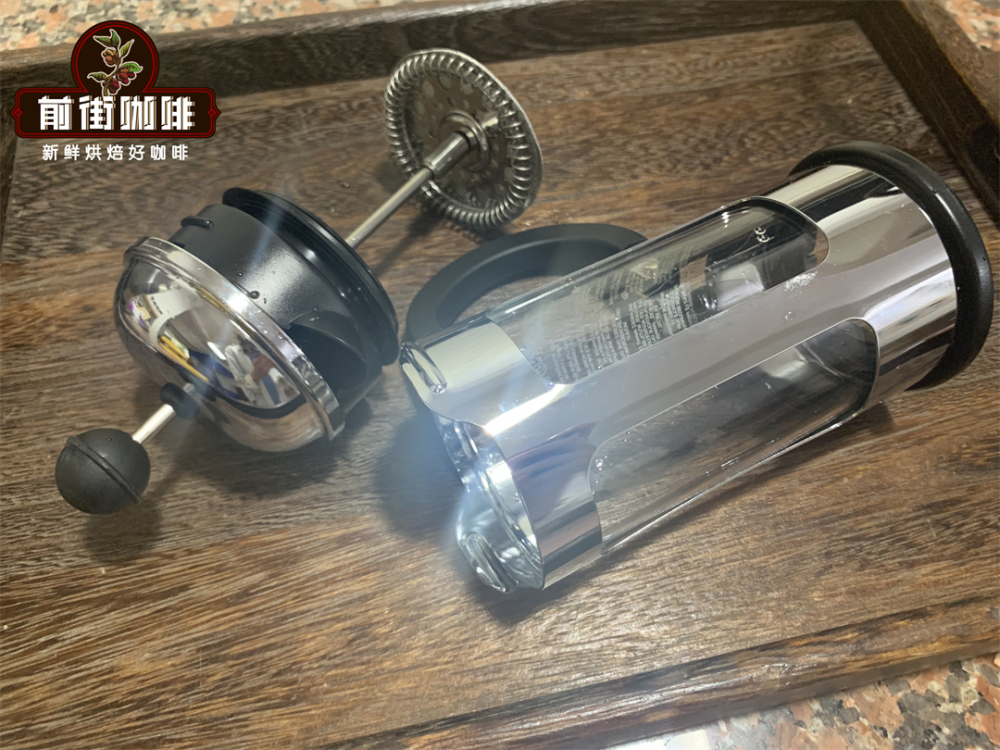
Among the many coffee brewing tools, the French press stands out with its simple design and high performance, winning favor among numerous coffee enthusiasts. Its principle is very straightforward: mix hot water with coffee grounds, let it steep, then use a metal filter to press the grounds to the bottom. No paper filter is needed—this not only makes it environmentally friendly but also retains the natural oils in the coffee, resulting in a richer and fuller flavor.
This brewing method is considered one of the most home-friendly approaches that closely resembles professional cupping, capable of fully showcasing the multi-layered flavors of coffee, including aroma, sweetness, and body. It’s especially well-suited as a morning pick-me-up. Its smooth and bold taste has won over many a loyal fan.
When selecting coffee beans for the French press, it's recommended to prioritize single-origin beans with bright acidity or complex flavor profiles, ideally roasted to a medium to dark level. Medium-dark roasted beans often carry notes of dark chocolate, nuts, and caramel, which complement the extraction characteristics of the French press, delivering a rich and full-bodied taste.
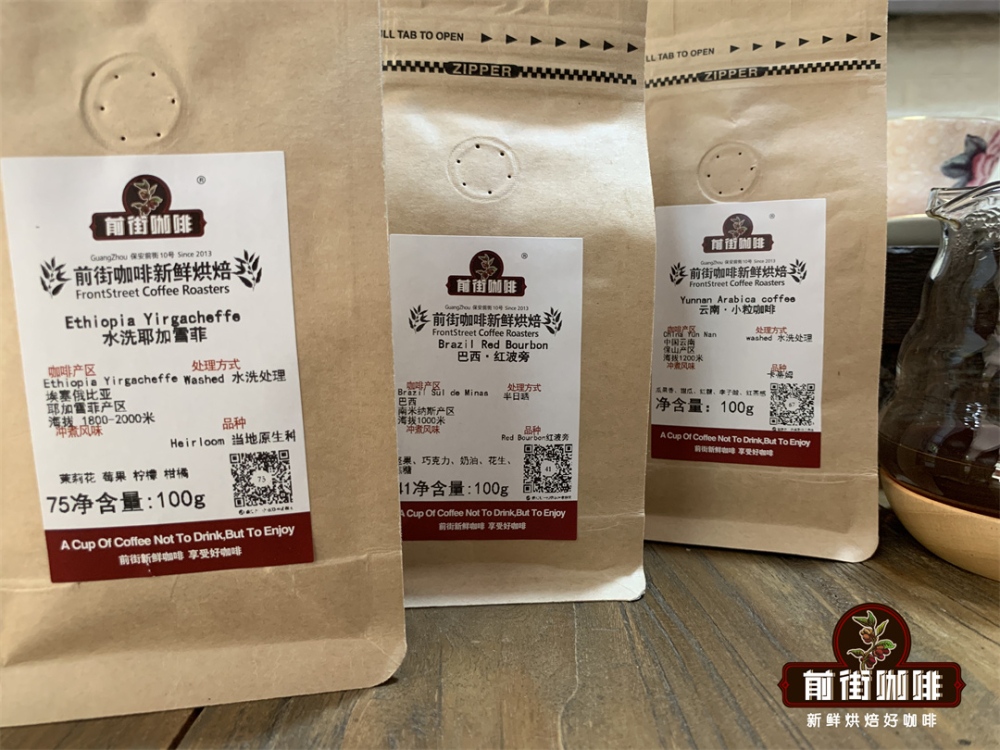
For example, beans from certain regions in Brazil, Colombia, and Indonesia, which are naturally well-balanced, can exhibit both body and aroma after medium-dark roasting—making them highly suitable for this brewing method. In contrast, light-roasted beans such as Ethiopia’s Yirgacheffe, while excellent for highlighting bright acidity and floral notes in pour over brewing, may become dull and monotonous in the French press due to over-extraction during extended steeping.
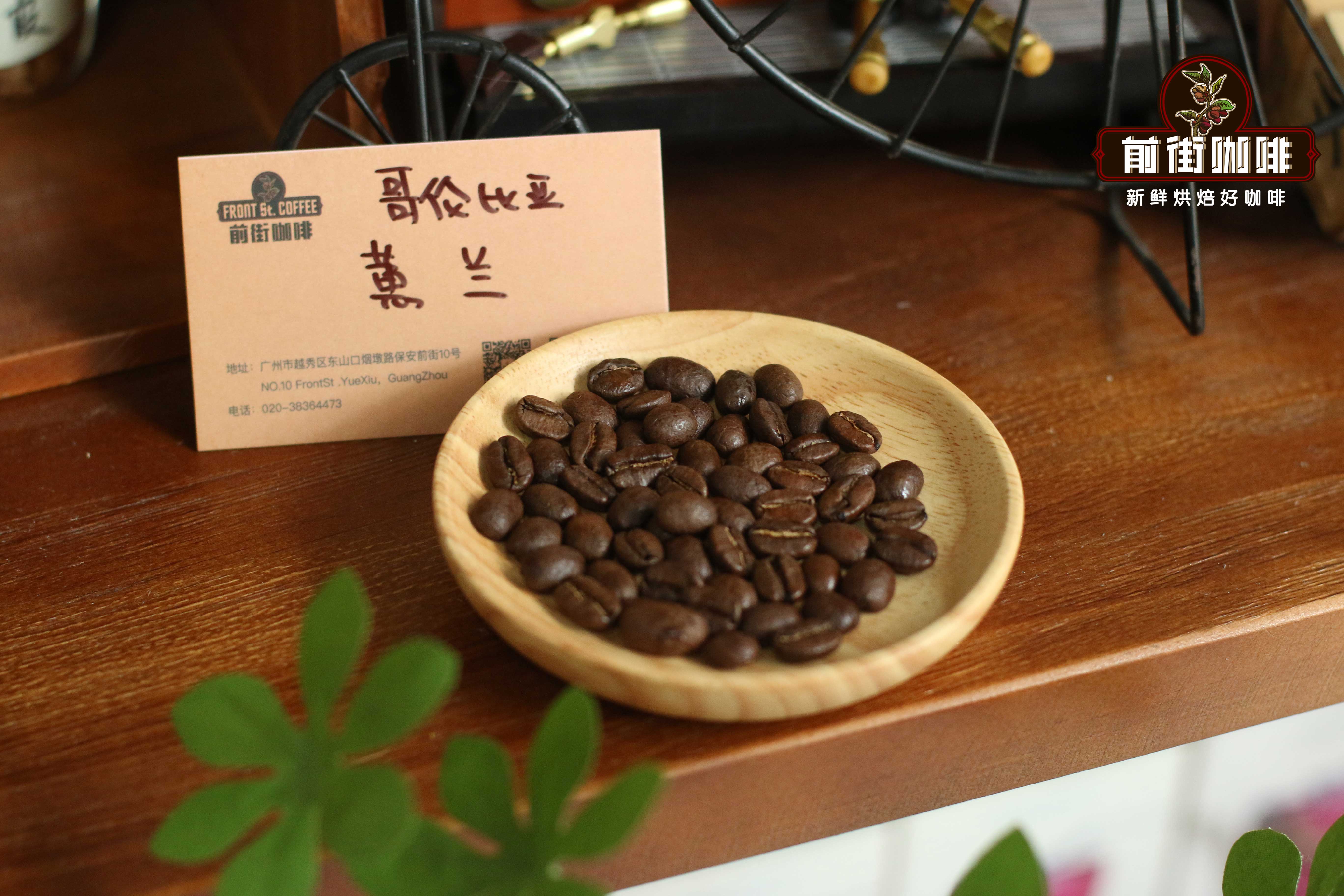
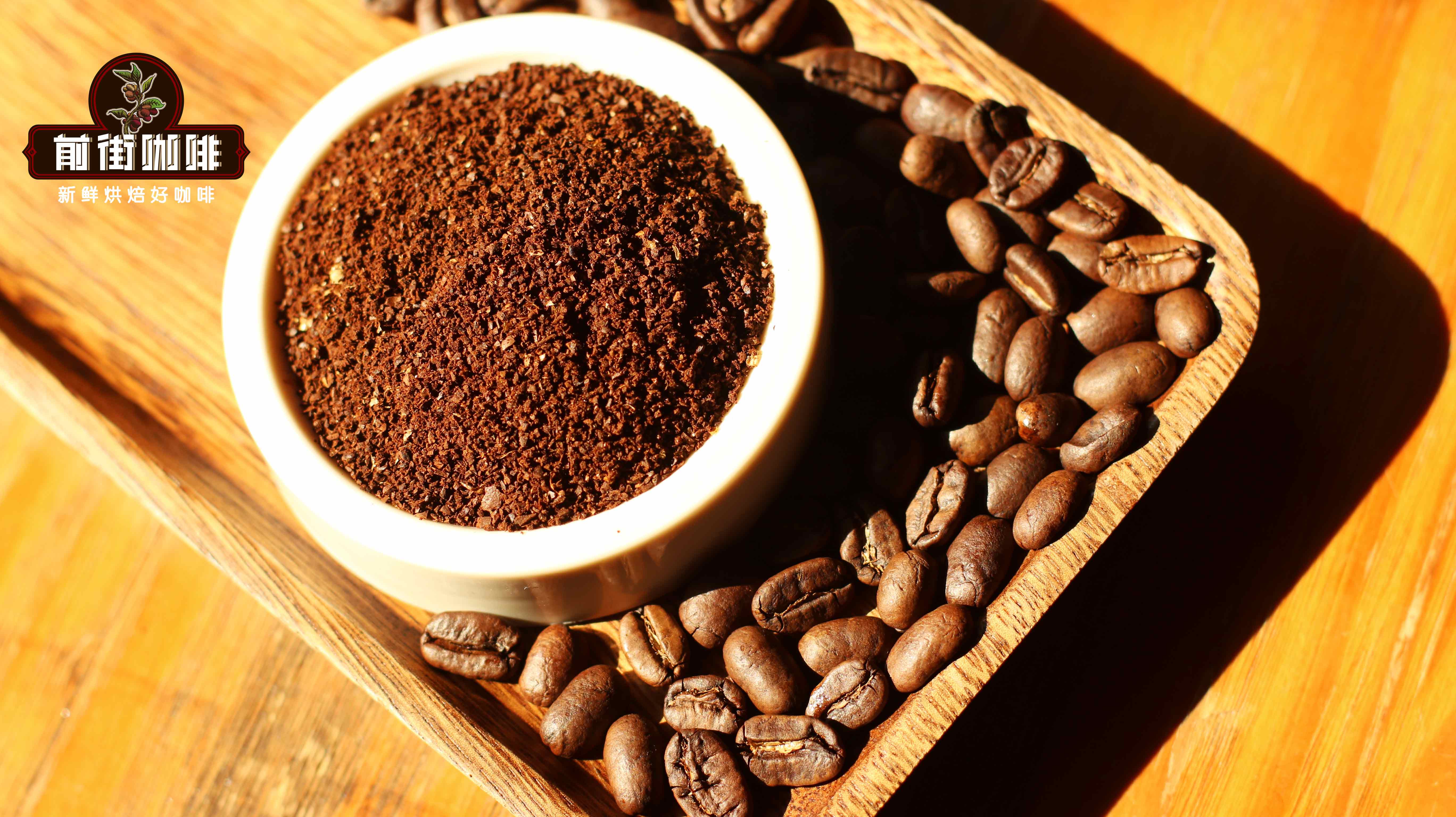
In practice, it’s recommended to use a medium-coarse grind, roughly similar to that for pour over but slightly coarser to prevent clogging the filter. Ideally, around 70%–75% of the coffee particles should pass through a standard sieve. If the grind is too fine, it may pass through the filter, resulting in cloudy coffee. For the coffee-to-water ratio, start with 1:10—for instance, 20 grams of coffee to 200 milliliters of water—and adjust according to personal taste. If using commercial drip bags, you might instead go with a 1:16 ratio, such as 15 grams of coffee to 240 milliliters of water.
During preparation, it’s advisable to use an electronic scale for precise measurement—even though French presses often have volume markings, be mindful that different coffee beans vary in density. Additionally, water selection is crucial: use filtered soft water to avoid overly hard water affecting the extraction flavor. Consistent water quality and weighing habits will help you reproduce your ideal coffee taste.
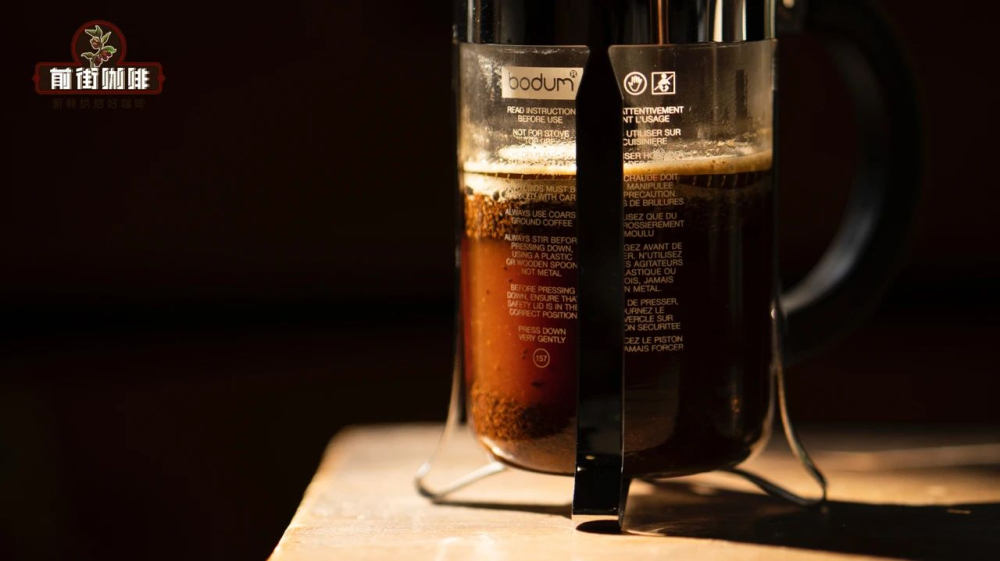
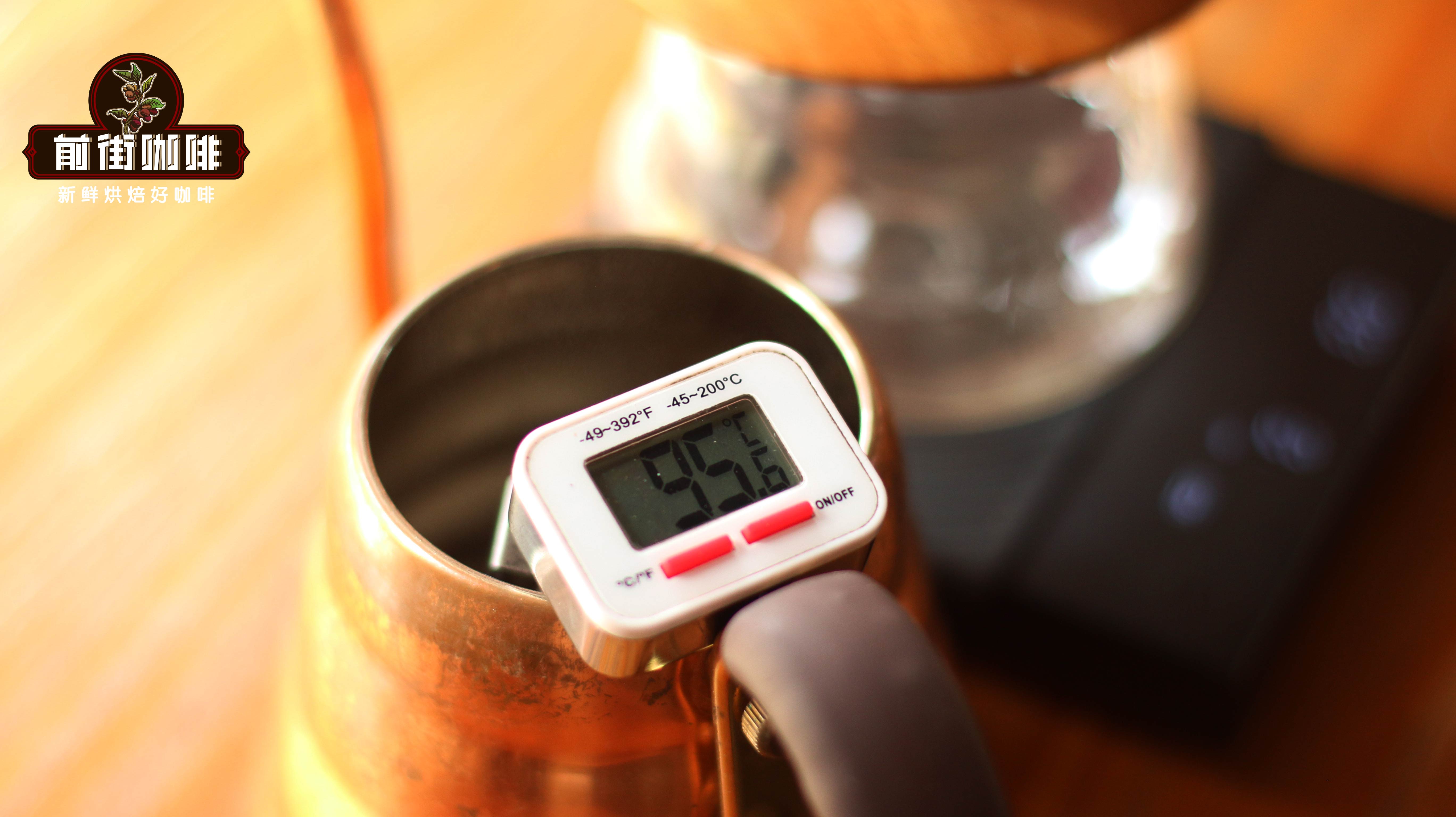
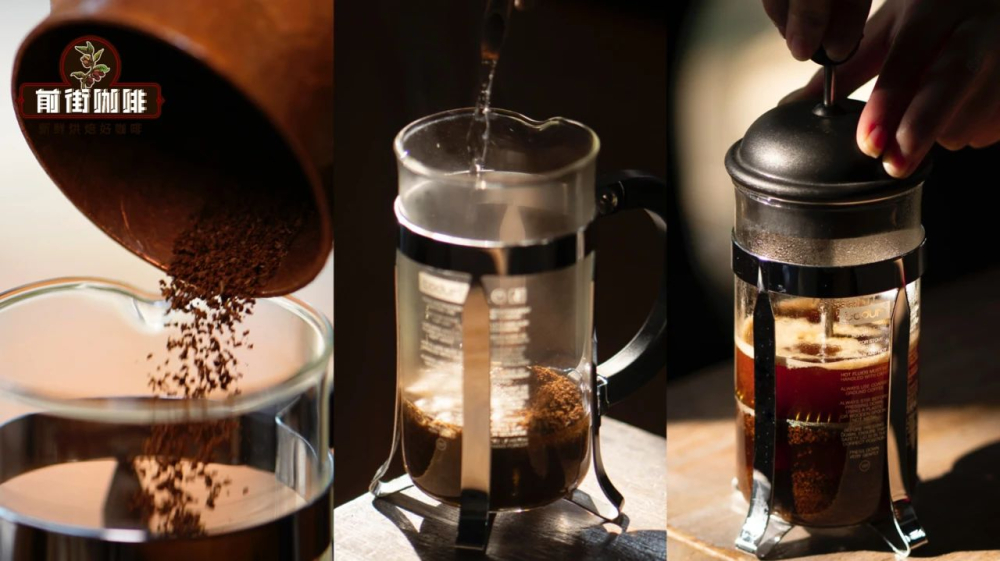
Here are the recommended steps for French press brewing: First, grind the coffee beans to a medium-coarse level, not too fine. Then, pour in hot water at around 93°C. For example, using 15 grams of coffee and 240 milliliters of water, pour the water in and gently stir to ensure the coffee grounds are evenly saturated. Next, put the lid on and let the coffee steep in the pot for about 4 minutes, keeping the filter at the top during this time.
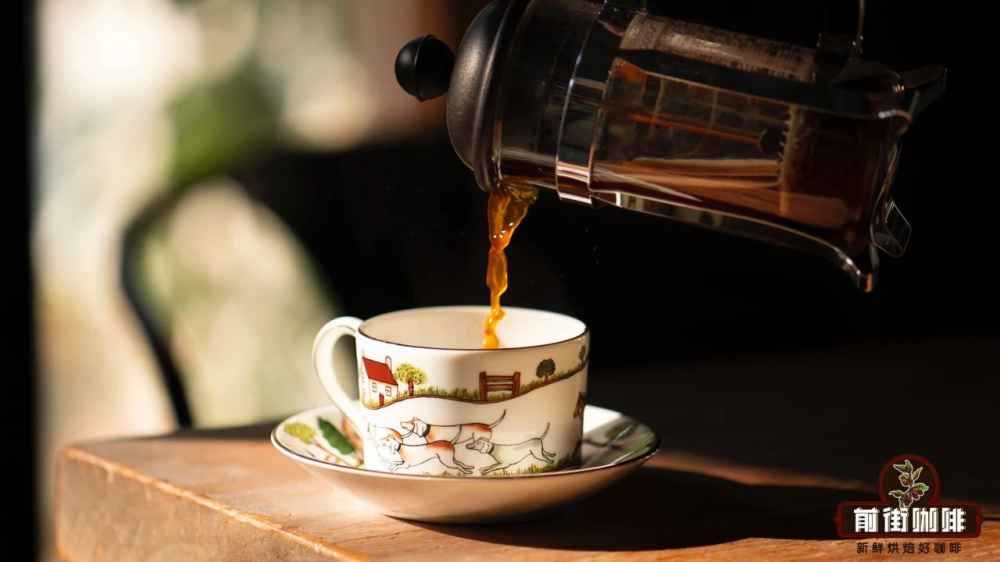
When the time is up, it’s recommended to first open the lid and remove any floating foam and settled particles with a spoon, then slowly press the filter down to the bottom. Apply even pressure when pressing to avoid going too fast, which could push coffee grounds through the filter. After brewing, it’s best to pour the coffee into your cup immediately to enjoy, as prolonged steeping can negatively affect the flavor.
In summary, the French press is a nearly zero-barrier brewing tool that still fully highlights the original flavors of coffee. It’s not only convenient to carry and clean, but also preserves rich oils and layered taste, making it perfect for coffee moments in a busy life. With the right bean selection and precise parameter adjustments, you too can easily enjoy a professional-grade French press coffee experience at home.
The above content is compiled by CoffeeHunters, a coffee news website.

