







Introduction:The Simon Specialty Processing Method, also known as the bag fermentation method, is an innovative technique originating in Ethiopia, developed by Simeon Abay — a former film actor turned coffee processing expert. This method controls the fermentation environment using polypropylene bags, imparting unique flavors such as watermelon, mint, and guava to the coffee beans. Although the beans may appear irregular in shape, they boast exceptionally complex flavor profiles. This article will delve into the processing procedure, characteristics, and cupping performance of this lesser-known yet highly promising method.
In the world of coffee, processing methods are not just about removing pulp and drying beans for storage — they are also crucial in shaping the flavor profile. Traditional methods like natural (sun-dried) and washed are widely known, but recently emerging specialty processing methods, such as the Simon Specialty Processing Method, have garnered attention for their ability to bring out unexpected fruity notes. Coffee beans processed this way often exhibit noticeable color variations and are even playfully referred to as “ugly beans.” However, their flavors are frequently astonishing — think refreshing watermelon, herbal mint, or tropical fruit aromas like guava.

These seemingly unappealing appearances actually conceal a rich sensory experience. The Simon Specialty Processing Method is also commonly known as the “bag fermentation processing method,” as its core lies in using polypropylene bags to control temperature and oxygen during fermentation. This fermentation approach promotes the growth of lactic acid bacteria, thereby developing a distinctive flavor spectrum that differs from traditional processing methods. However, because each bean occupies a different position inside the bag, the degree of fermentation varies, leading to uneven coloration after drying — a key reason for its distinct visual characteristics.
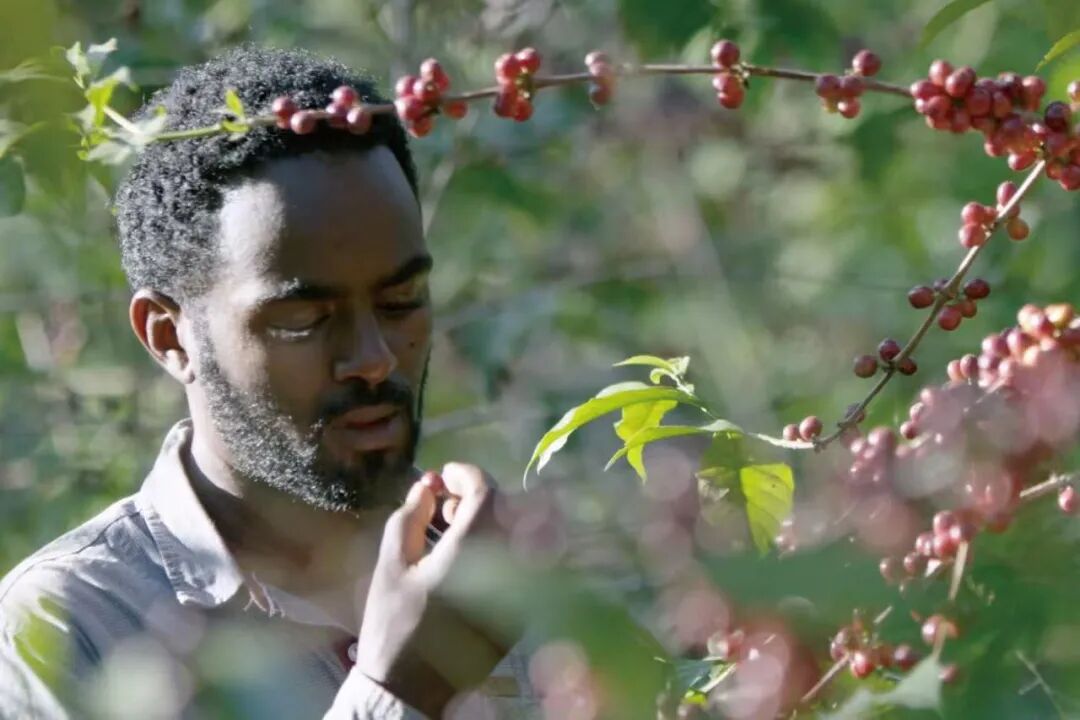
Speaking of the name of this processing method, it is quite personal in nature. Most coffee processing methods are named directly after their processing forms — for example, “natural,” “washed,” or “honey process” — all are named based on technical features. But the “Simon Specialty Processing Method” derives from its founder — Simeon Abay. Originally from Ethiopia, he studied film and once worked in acting before moving to the United States and becoming the head roaster at the renowned roastery Novo Coffee. Life took an unpredictable turn when, five years into his career, he was diagnosed with cancer. He returned to his hometown awaiting the end of his life but miraculously recovered, rejoined the coffee industry, and eventually became the processing director at the specialty coffee brand Ninety Plus (90+).
Ninety Plus is one of the earliest brands to apply specialty processing methods to the Geisha variety, known for its innovation and high quality. Leveraging his talent and passion for processing techniques, Simeon developed various processing methods including bag fermentation, with the Simon Specialty Processing Method being one of them. This approach involves fermenting beans in a sealed bag, precisely controlling the fermentation environment to influence the final flavor expression of the coffee.

So how exactly does the Simon Specialty Processing Method work? First, freshly harvested coffee cherries are immediately transported to the processing facility, where they undergo soaking and sorting to remove unripe, defective, and foreign materials. Next, the selected high-quality coffee cherries are placed into polypropylene bags, which are then sealed and left to ferment in a cool, dry place for five days. During these five days, to ensure even fermentation and avoid localized over-fermentation, workers turn the bags every 12 hours, adjusting the position of the beans and also managing oxygen circulation within the bag to create an environment more conducive to the activity of lactic acid bacteria.
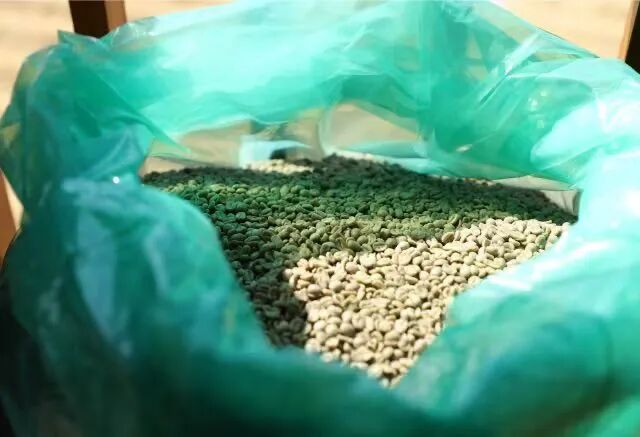
This oxygen-restricted fermentation method helps develop acidic aromatic notes similar to those found in yogurt or kombucha, which then translate into unique fruity and fresh characteristics in the coffee. However, because the beans occupy different positions in the bag — some near the opening, others at the bottom — the degree of fermentation varies, resulting in visibly uneven colors after drying. Typically, beans at the top and bottom of the bag, having undergone more thorough fermentation, appear darker in color, while those in the middle, with lighter fermentation, have a lighter hue. Such color variation has become a defining visual trait of the Simon processing method.

After fermentation, the coffee cherries are moved to raised beds for prolonged drying, with the overall drying period lasting approximately 20 days. During this time, to avoid excessive sun exposure and uneven moisture evaporation, workers cover the cherries with shading layers during the hot daytime hours and moisture-proof layers during humid nighttime periods, stabilizing the drying environment to ensure uniform dehydration of the beans. Once dried, the coffee beans are further stored, typically in jute sacks, and any dried and loosened pulp and outer skins are removed before export, completing the entire processing procedure.
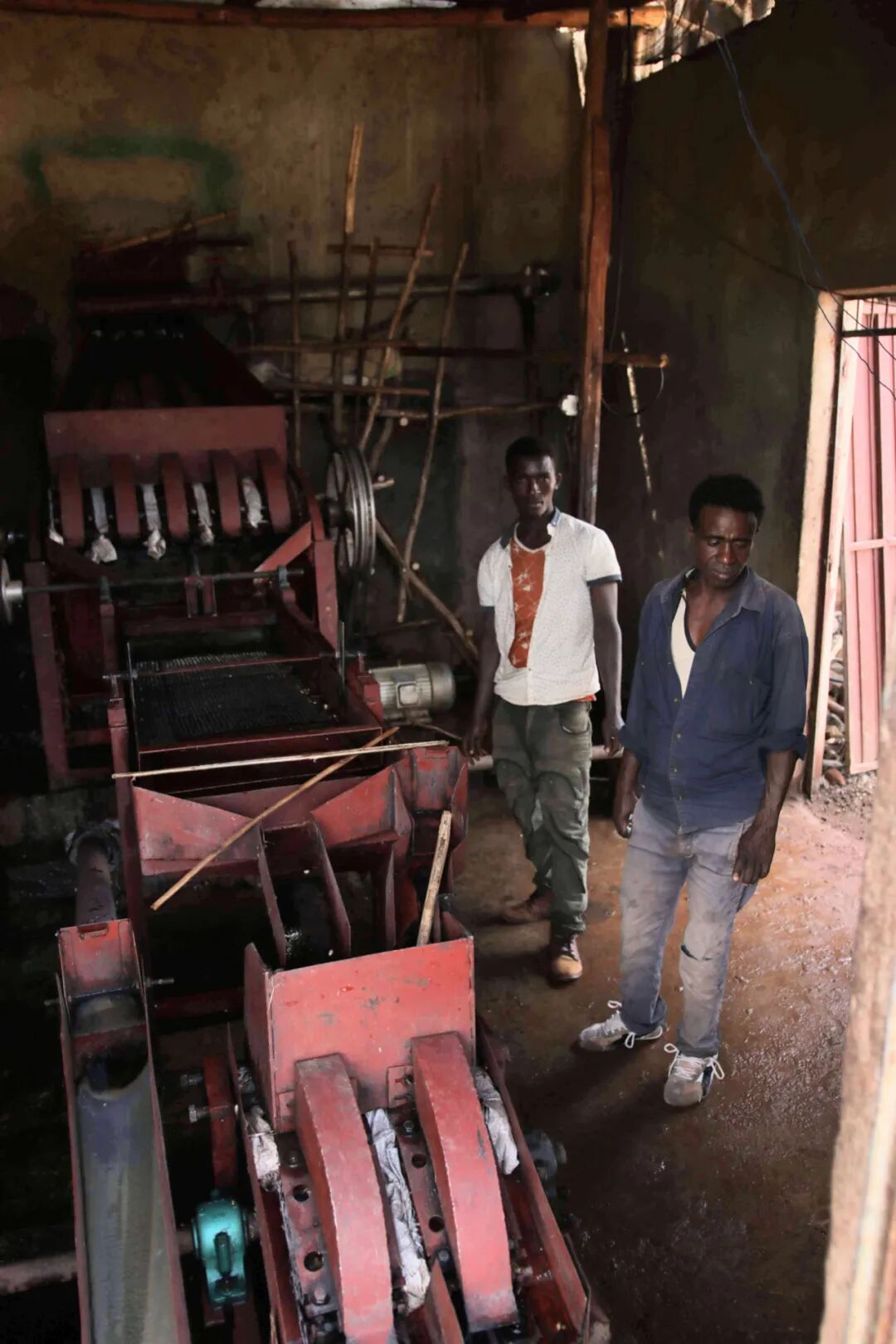
It’s worth noting that Simeon does not sort or separate beans based on varying degrees of fermentation. He believes that preserving this diversity in fermentation levels can actually enhance the complexity and distinctiveness of the coffee’s flavor. In practice, although this inconsistency poses challenges for roasters, it also allows for a richer layering effect after brewing. For coffee enthusiasts who enjoy pour over or seek to explore unique flavor profiles, coffee beans processed using the Simon Specialty Processing Method often deliver unexpectedly delightful results.
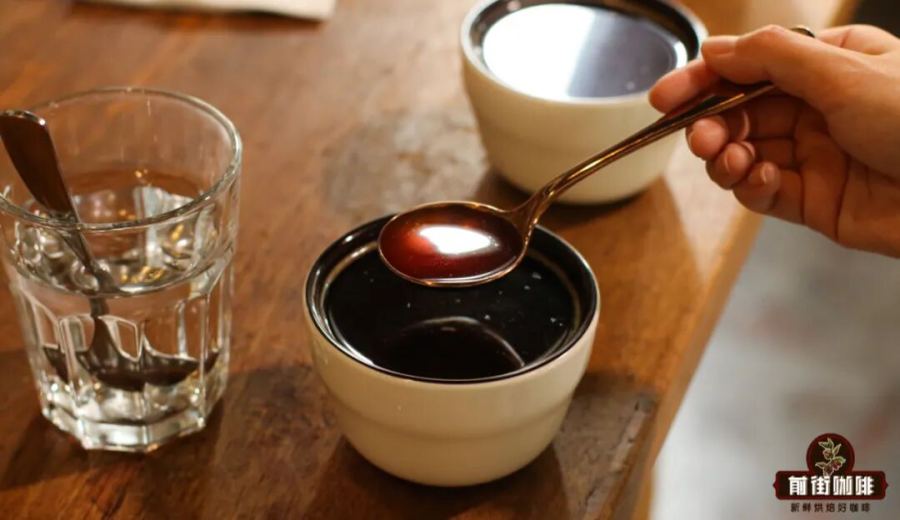
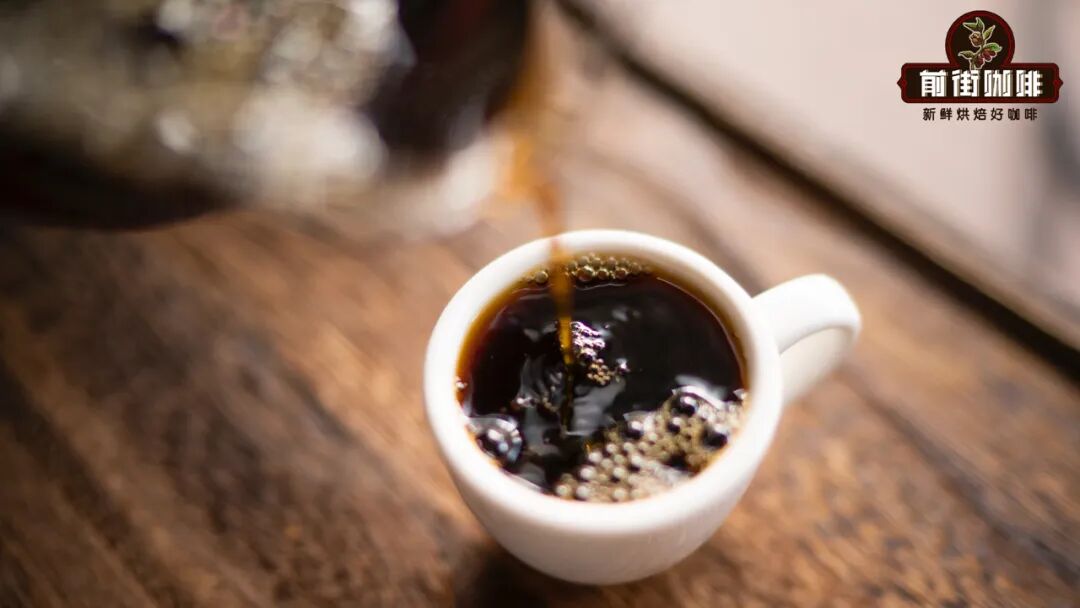
Take, for example, Ethiopian Guji region heirloom varieties processed with the Simon Specialty Processing Method. Grown at an altitude of around 2,000 meters, these beans exhibit pronounced fruity and spicy characteristics. According to actual cupping results, this coffee often showcases a flavor profile of lemon, watermelon, guava, sweet orange, and spices. Especially when cupped within eight hours post-roast, its dry aroma includes intense fermented notes such as spices, jackfruit, and dried berries, alongside the freshness of lemon and mint.
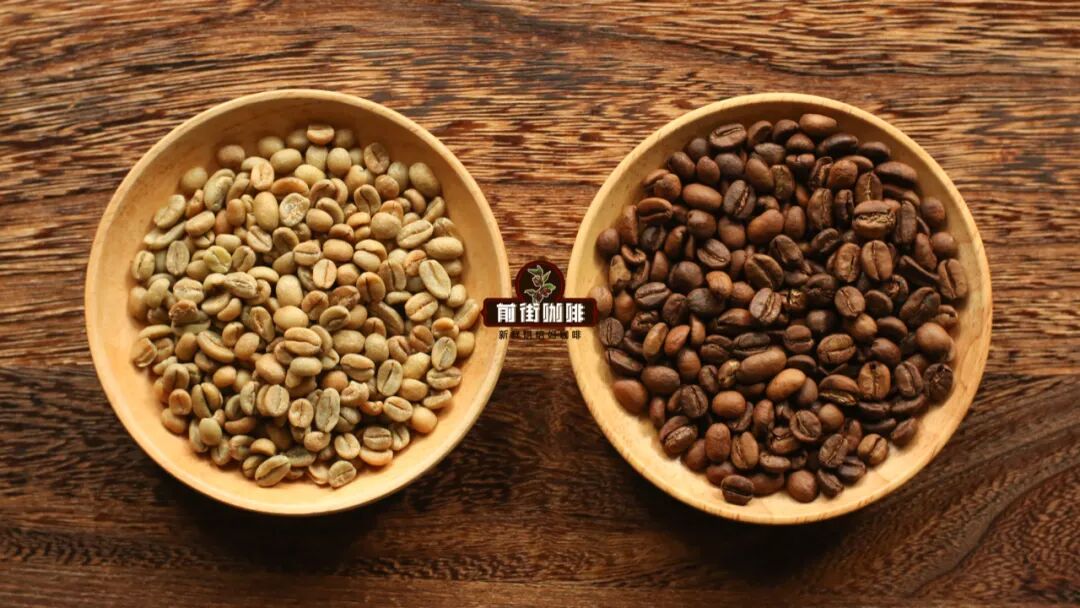
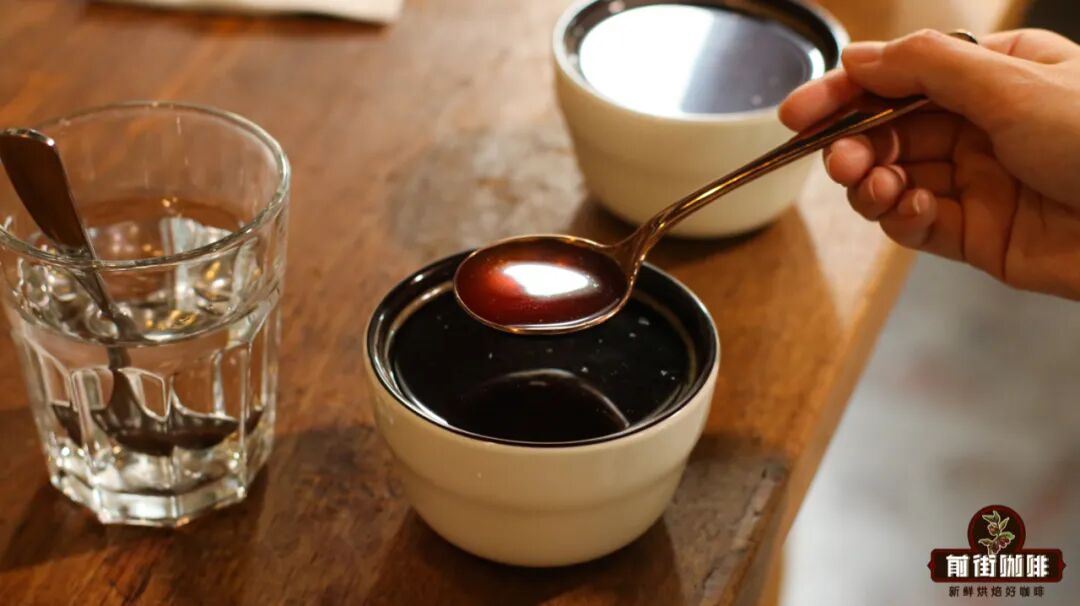
Upon tasting, one can distinctly perceive the high sweetness of guava, citrus fruit notes, and dried fruit flavors, with a refreshing minty finish lingering on the palate, along with ongoing freshness reminiscent of watermelon rind and lemon. More uniquely, running through the entire flavor profile is a hint of the classic cinnamon spice note derived from the 90+ processing method, enabling this coffee to demonstrate an outstanding level of complexity and aftertaste.
The above content is compiled by CoffeeHunters, a coffee news website.

