







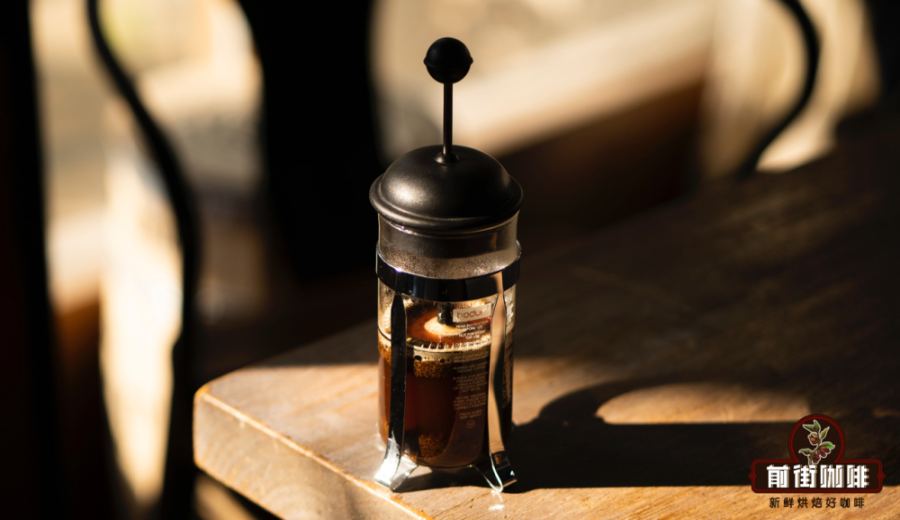
Introduction:The French press is simple to use and delivers consistent flavors, making it a top choice for many home coffee brewers. This article will guide you through the immersion brewing principles and historical origins of the French press, summarize key extraction parameters such as water temperature, grind size, and steeping time, and analyze the types of coffee beans that suit it best, high-value brand options, and maintenance essentials—giving you a complete understanding of how to choose and use a French press.
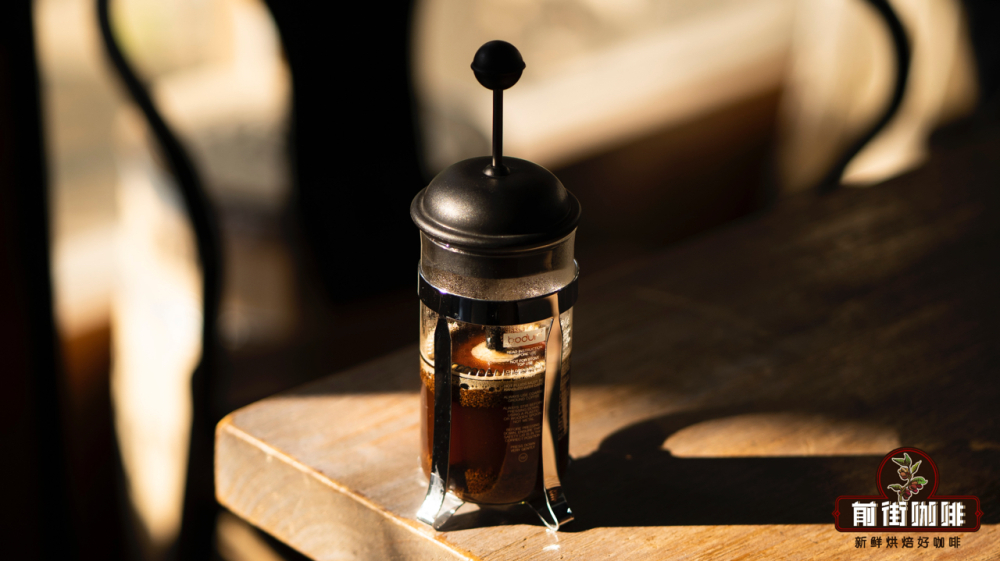
Suzuki Itsuki, a WBC (World Barista Championship) contender who has delivered impressive performances, once commented on the French press: "Its brewing principle is so straightforward it’s almost self-explanatory—anyone can easily handle it, and your coffee’s flavor profile remains almost unaffected by variations in technique. Without the layer of a paper filter, the truest taste of the coffee comes through fully. No need for precise pouring skills or wrestling with complicated variables—these traits have firmly established the French press as the ‘lazy person’s tool’ for home brewing, and the reason for its lasting popularity."
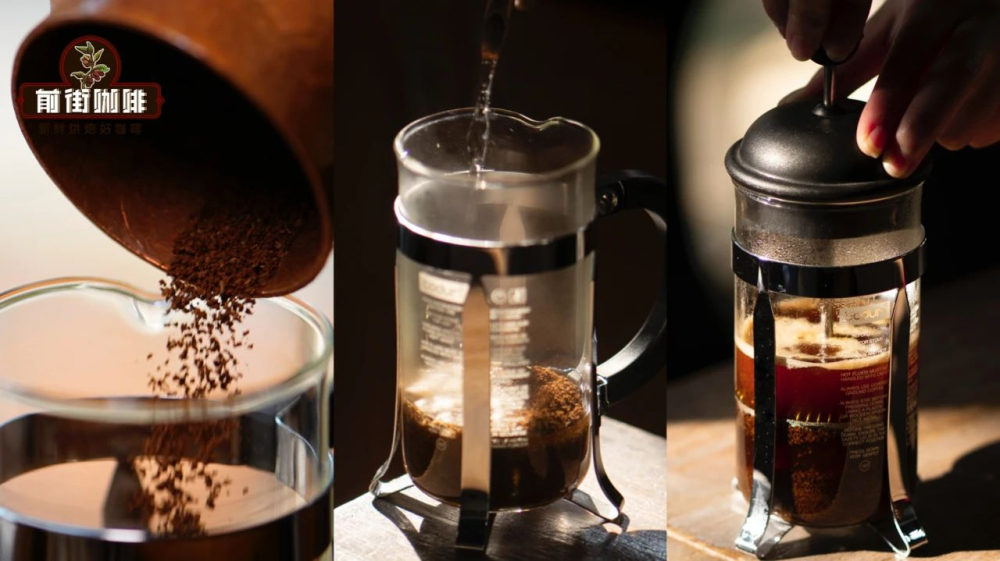
The name “French press” already reveals its heritage—it originated in France. Its overall structure is very simple: a cylindrical carafe paired with a plunger-style lid featuring a metal filter in the center that moves up and down. The brewing logic is much like making tea: add coffee grounds to the carafe, pour in hot water, let it steep, then slowly press the plunger down after the set time. The metal filter traps the coffee grounds at the bottom, leaving you with cleanly extracted coffee.
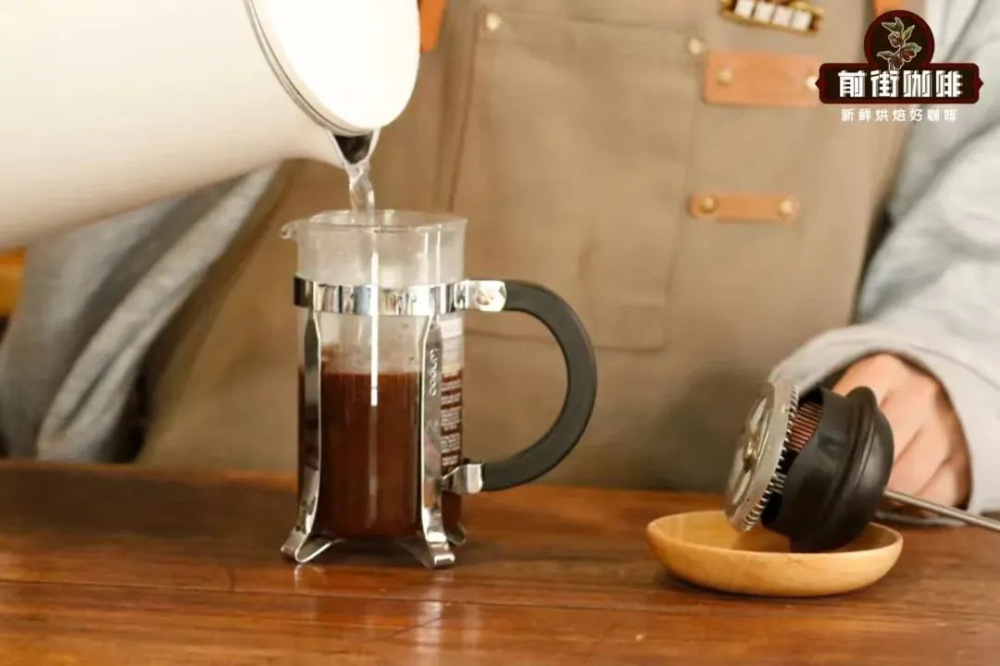
Whereas pour over brewing involves many interrelated variables, the French press uses an “all-at-once pouring” immersion method. There are truly only four key factors to control:coffee-to-water ratio, grind size, water temperature, and steeping time. This approach is similar to professional cupping methods, resulting in a relatively stable extraction process and flavors that more closely reflect the beans' true nature. But there’s one thing to be especially mindful of: since the hot water is poured in all at once and gradually cools down, the starting water temperature should be slightly higher than for pour over—for light to medium roasts with brighter acidity, aim for 92–94°C, while medium to dark roasts are better at 89–90°C. In cooler autumn and winter seasons, it’s recommended to preheat the carafe with boiling water first to minimize heat loss during brewing.
Among these four variables, steeping time is the factor users have the most control over. Without agitation, the length of steeping directly affects extraction yield: the longer it steeps, the richer the taste—but it also becomes easier to cross the over-extraction threshold, bringing out bitterness, astringency, and woody off-flavors. With a coarse grind,light to medium roasted beans are recommended to steep for about 4 minutes; medium to dark roasted beans release bitter compounds more easily, so 3 minutes and 30 seconds is sufficient. Staying within this range allows the positive flavor compounds to fully develop, while avoiding the bitterness and off-notes from over-steeping.
So, which is better—the French press or pour over? There’s no definitive answer; it depends on personal preference. Those seeking a clean taste and rich layered complexity may prefer pour over, but if you want a rich, bold black coffee with minimal hassle, the French press is undoubtedly the top choice.
Returning to the French press’s origins. Historical records indicate its prototype was created bytwo Frenchmen, Mayer and Delforge, in 1852—they added a cloth filter to a metal disk, creating what is recognized as the world’s first French press brewing device, for which they applied for a patent.
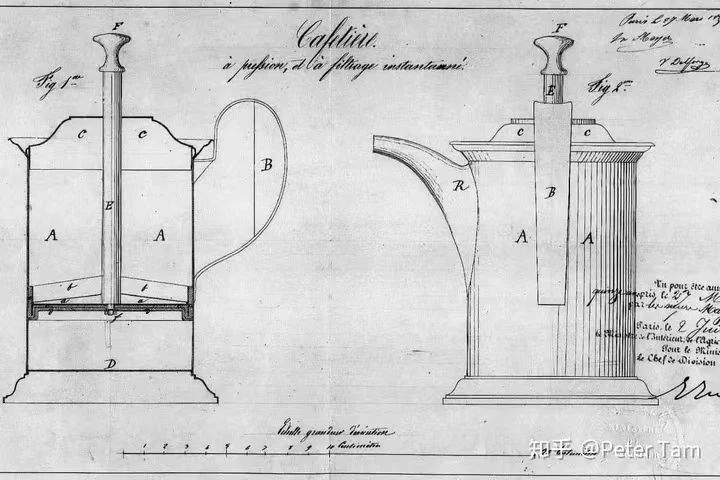
As the device spread around the world,in 1935it was improved by the Italian Bruno Cassol,and then again in 1958by another Italian, Faliero Bondanin, sparking renewed popularity in places like France. The turning point that brought it into households worldwide was in the 1990s when Bodum officially launched it to the mass market—thanks to its overwhelming ease of use, the French press quickly became a mainstream choice for home coffee, and the name Bodum has almost become synonymous with the French press. If you’re wondering which brand is worth buying, Bodum offers great functionality at a reasonable price, with outstanding cost-performance among similar products.
Once you’ve chosen your press, many people next ask: are my beans suitable for the French press? In theory, any beans you’d use for pour over will work. But because the French press uses static immersion brewing, the coffee oils remain in the cup, resulting in a fuller mouthfeel and an overall flavor profile that is rich, bold, and balanced. Therefore,medium to dark roasted beansoften perform better, especially those with flavor notes like chocolate, nuts, caramel, cocoa, and fermented wine-like aromas. Examples include Brazil Queen Estate, Honduras Sherry Cask, Jamaica Blue Mountain No.1, and Indonesia Golden Mandheling—all are excellent matches for the French press.
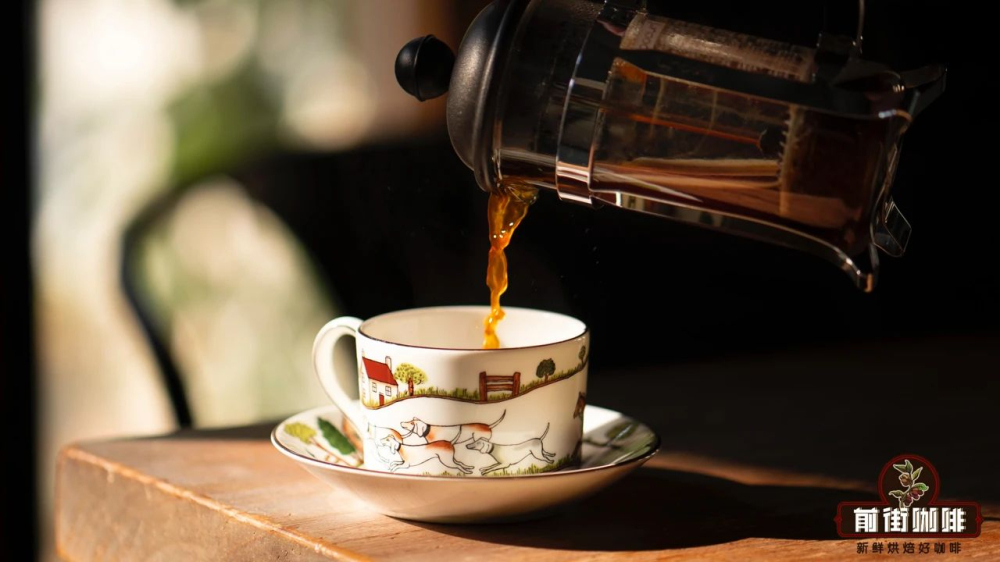
Finally, here are a few usage details to keep in mind. The built-in metal filter of the French press accumulates coffee oils with repeated use; these oils, if left on the filter and plunger over time, can oxidize and spoil, affecting the flavor of every subsequent brew. Therefore,always clean it immediately after each use: disassemble all metal parts, wash both the carafe and components with detergent, and make sure they are completely dried before storing. Developing this habit will keep your French press looking and performing like new for a long time.
The above content is compiled by CoffeeHunters, a coffee news website.


