







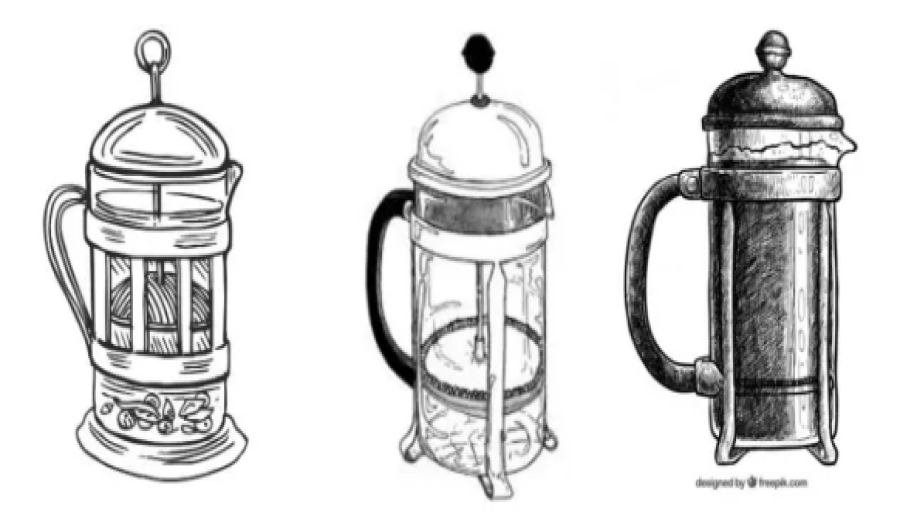
Introduction:The French press is one of the most popular immersion brewing tools, using a metal filter to extract rich flavors and abundant coffee oils. This article details the key parameter settings for the French press, including optimal grind size, coffee-to-water ratio, water temperature control, and steeping time, and provides step-by-step operation suggestions to help you easily master this classic device and brew layered, smooth coffee.
What kind of coffee can you brew with a French press?
The French press is a full-immersion brewing device, and its built-in metal filter is its most distinctive feature. Because the coffee grounds are in contact with hot water for an extended period, the extracted coffee oils are richer, resulting in a relatively bold and full-bodied taste. However, this characteristic also means that if you dislike the texture of coffee grounds or fine particles, you may need to carefully consider whether to choose a French press.
By adjusting parameters such as water temperature, grind size, and steeping time, users can fine-tune the brewing method according to personal taste. With just a grasp of the basic techniques, you can fully appreciate the unique aromas and flavor profiles of various coffee beans.
How to brew coffee with a French press?
Before you start, there are several key variables to consider in advance, as they will directly affect the final coffee outcome.
1. Grind Size
Whether using a flat burr or conical burr grinder, avoid using low-quality blade grinders, as these devices tend to produce uneven particles, which can lead to over-extraction. So, what kind of grind size should you choose?
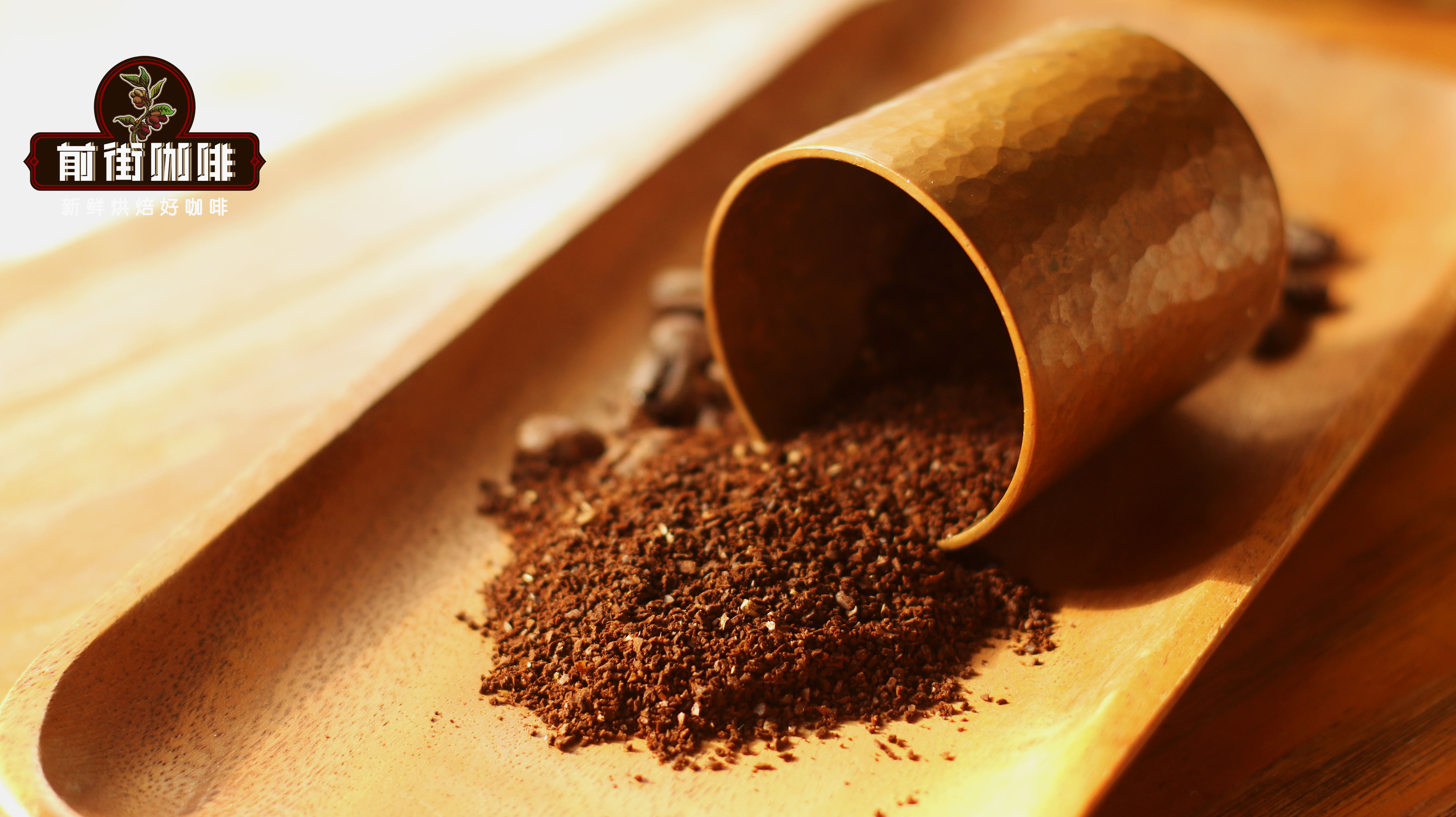
It is recommended to select a coarser grind, with a texture similar to small gravel rather than fine sand. If the grind is too fine, it may cause water to pass through too quickly, and for the French press, this can result in fine particles passing through the metal filter, leaving a lot of sediment in the coffee and affecting the taste.
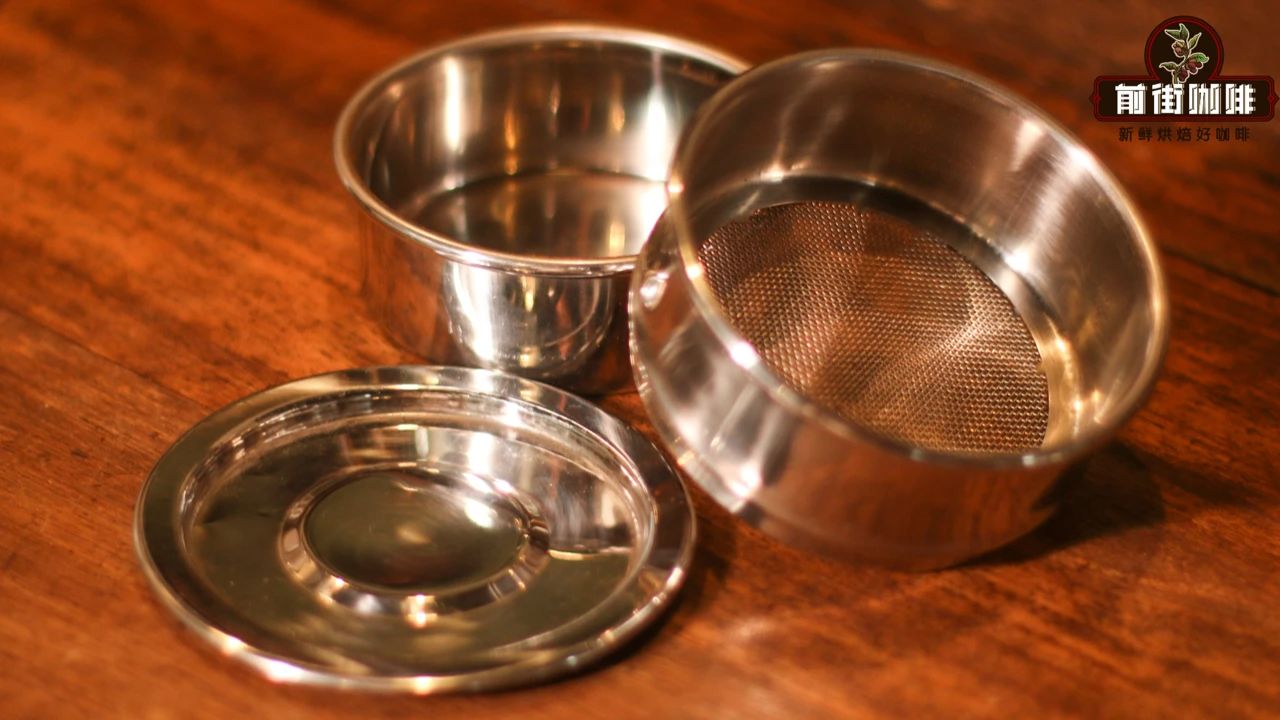
General tutorials often suggest using a coarseness similar to 70% extraction rate through a Chinese Standard No. 20 sieve, roughly equivalent to the particle size of coarse sugar. This coarseness not only helps reduce the production of extremely fine particles but also improves the margin for error during the brewing process. The metal filter holes of a French press typically range between 80 to 300 microns, visibly larger than usual, so fine particles can easily seep through, causing the coffee to become cloudy. If you prefer a richer layering of flavors, you can also try a finer grind, but be sure to shorten the steeping time accordingly to prevent over-extraction.
2. Coffee Dosage and Coffee-to-Water Ratio
The coffee-to-water ratio is a core parameter that affects coffee strength, defined as the amount of water needed for each unit of coffee grounds. A commonly recommended ratio is 1:15, for example, 15 grams of coffee grounds to 225 grams (approximately 225 milliliters) of water. You can start from this baseline and then gradually adjust the ratio of coffee or water according to your personal taste until you find the combination that suits you best.
Coffee brewed at this ratio typically has a concentration of around 1.1% to 1.2%, which falls within a relatively balanced range. If you prefer a stronger taste, you might want to start with a 1:15 coffee-to-water ratio, as it can bring out a fuller coffee flavor.
3. Water Temperature
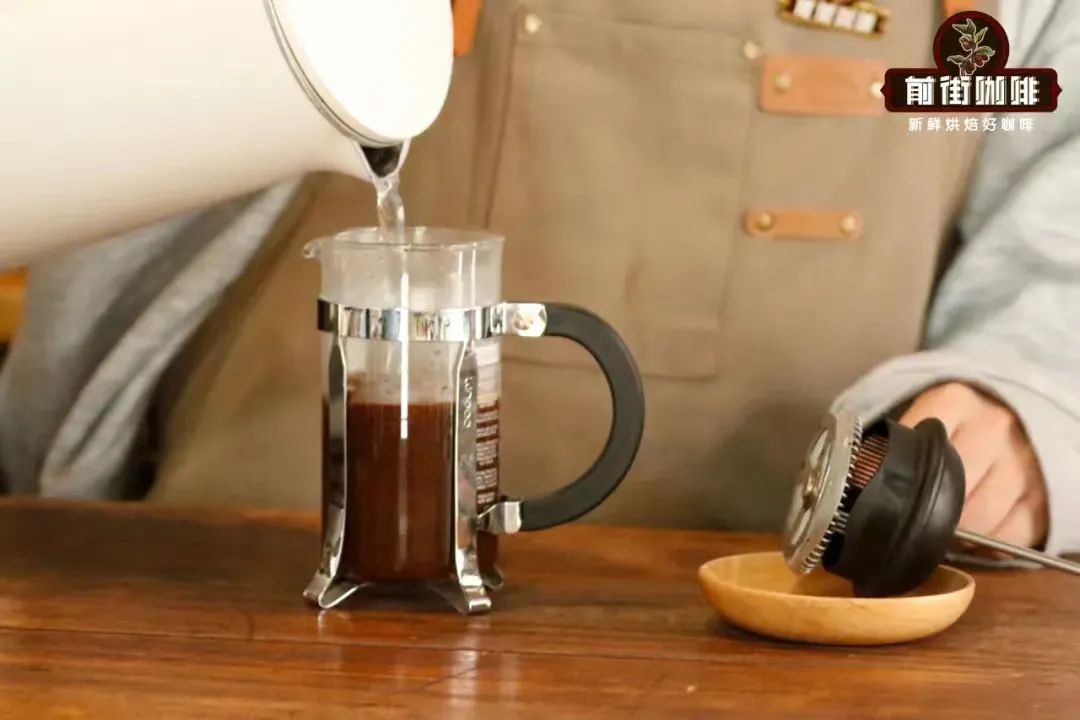
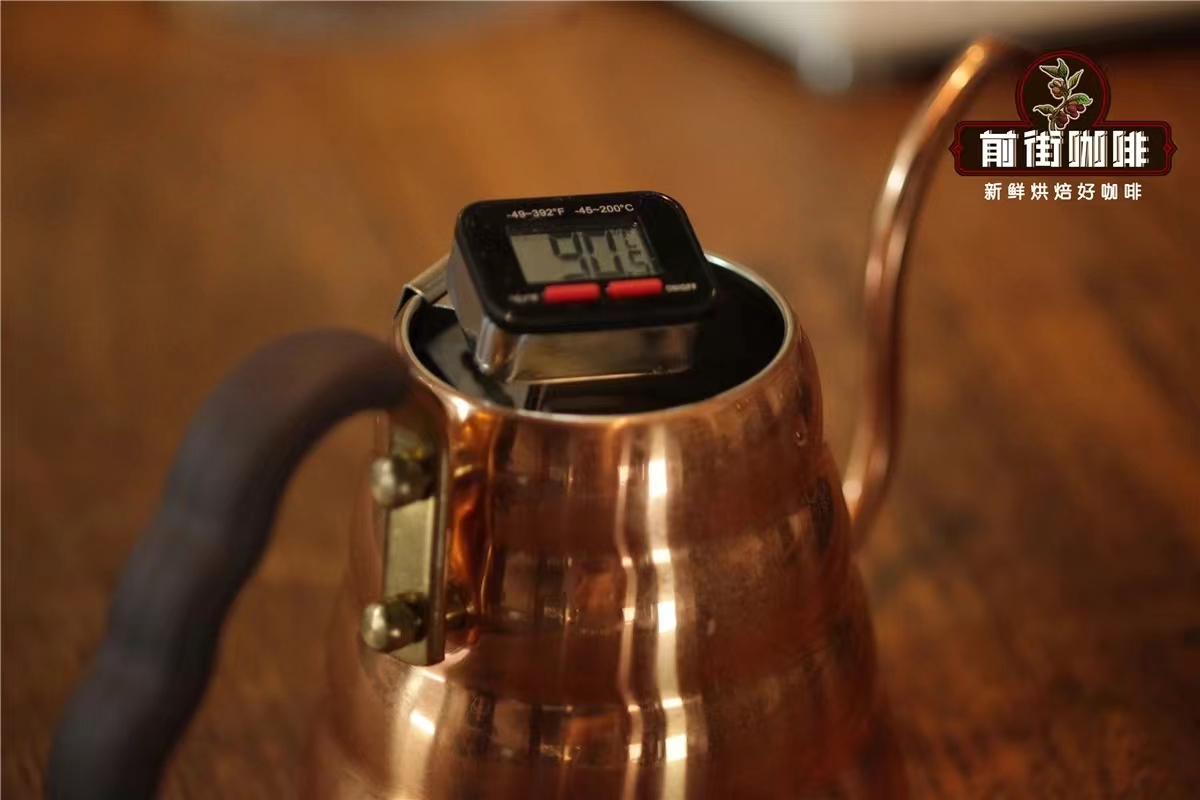
Water temperature is one of the important variables for adjusting coffee flavor. If you don’t have a professional thermometer, you can let boiled water sit for about 45 seconds (adjust slightly based on room temperature), at which point the water temperature is around 90°C, suitable for most brewing situations. For more precise control over extraction, it’s recommended to invest in a pour over kettle with temperature control or use a thermometer.
Since the French press involves a single pour without additional stirring, you may sometimes need to slightly increase the water temperature to compensate for extraction efficiency. Compared to general pour over recommendations, you can increase the temperature by 1 to 2°C. For medium to light roasted coffee beans, a water temperature range of 92 to 94°C is recommended; for medium to dark roasted beans, a temperature of 89 to 90°C is sufficient.
4. Brewing Time
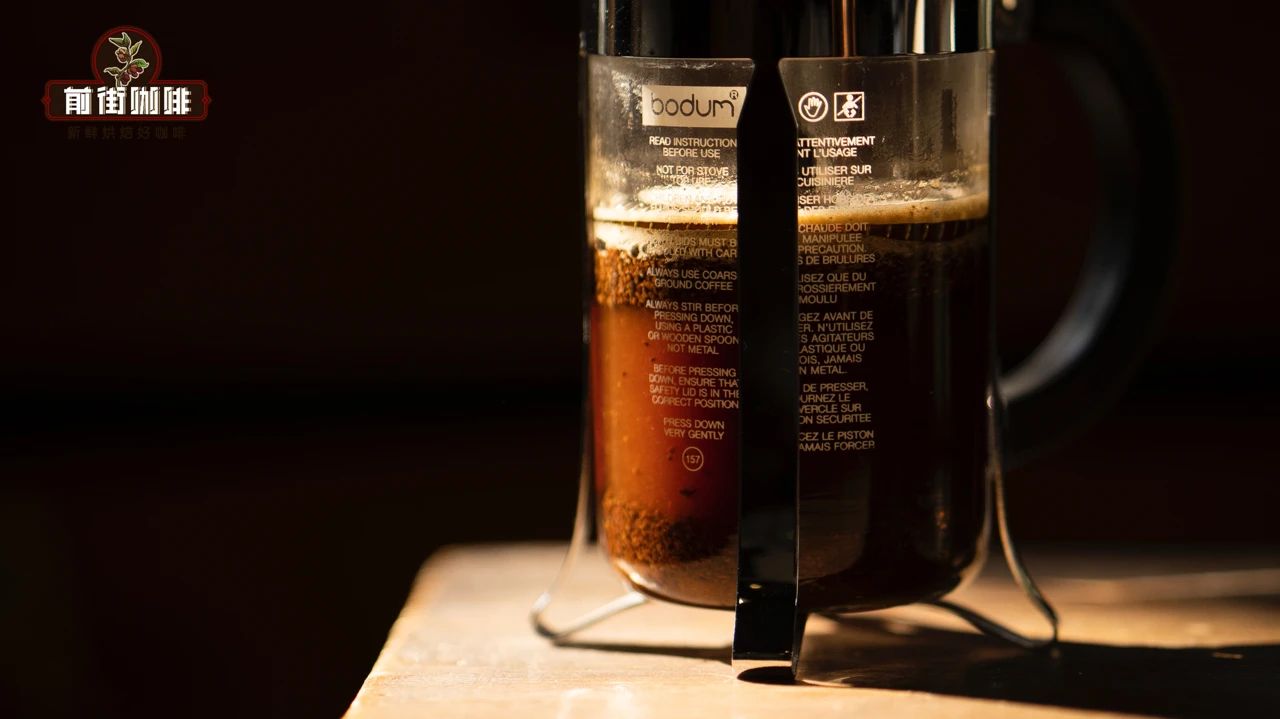
Since the French press lacks manual stirring, it relies on steeping time to ensure adequate extraction. The generally recommended steeping time is 3 to 5 minutes. However, dark roasted beans may release too many bitter substances if steeped for more than 5 minutes; light roasted beans may not fully express their delicate flavors if steeped for only 3 minutes. Therefore, beginners can start with 4 minutes and adjust according to actual taste.
5. Brewing Process
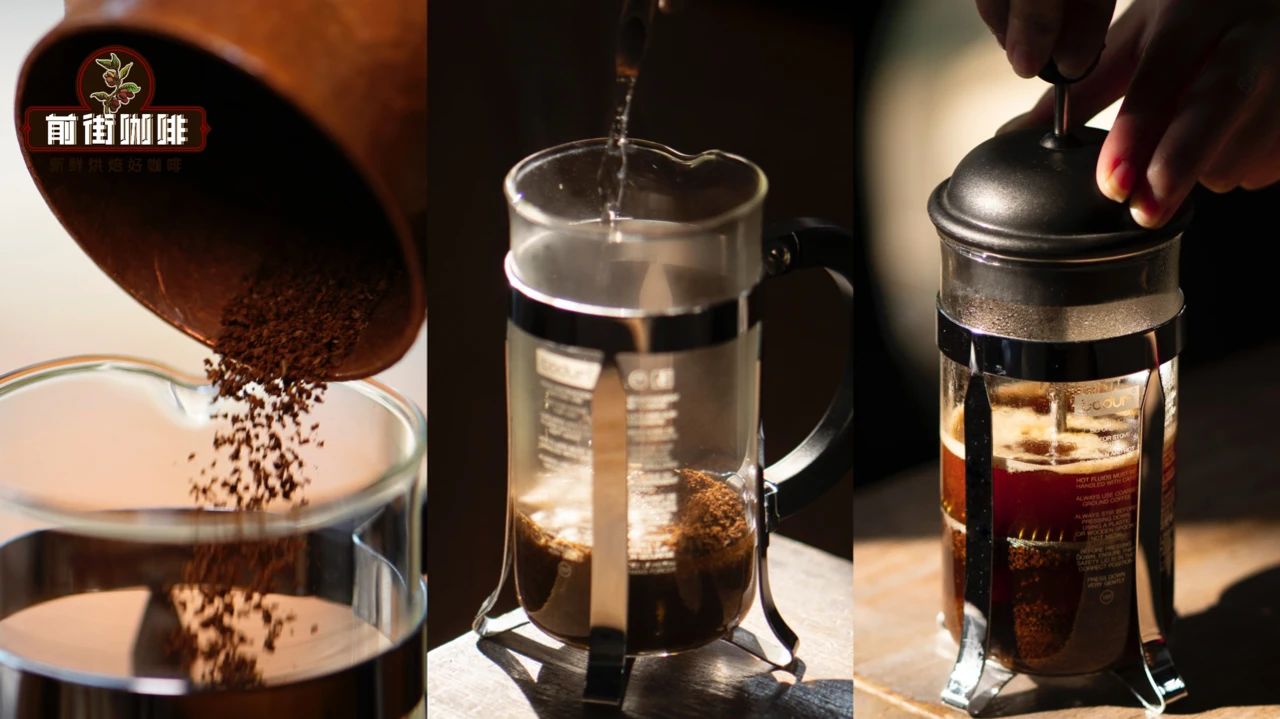
In terms of steps, first place the ground coffee into the preheated French press, then slowly pour in hot water, ensuring all the coffee grounds are evenly saturated. It is recommended to start with about twice the amount of water as coffee grounds (for example, 15 grams of coffee grounds using 30 grams of water) for a pre-wet bloom, continuing for about 30 seconds.
After 30 seconds, you can gently stir a few times, then pour the remaining hot water into the pot, and immediately place the plunger on top. At this point, don’t press down right away—wait for about 4 minutes of steeping time. Once the time is up, slowly press the plunger all the way down, and then carefully pour out the coffee, avoiding disturbing the settled coffee grounds at the bottom.
※ If you find it difficult to press the plunger down, it may mean the coffee is ground too fine; if the plunger presses down too easily, the grind may be too coarse.
French Press Brewing Tips
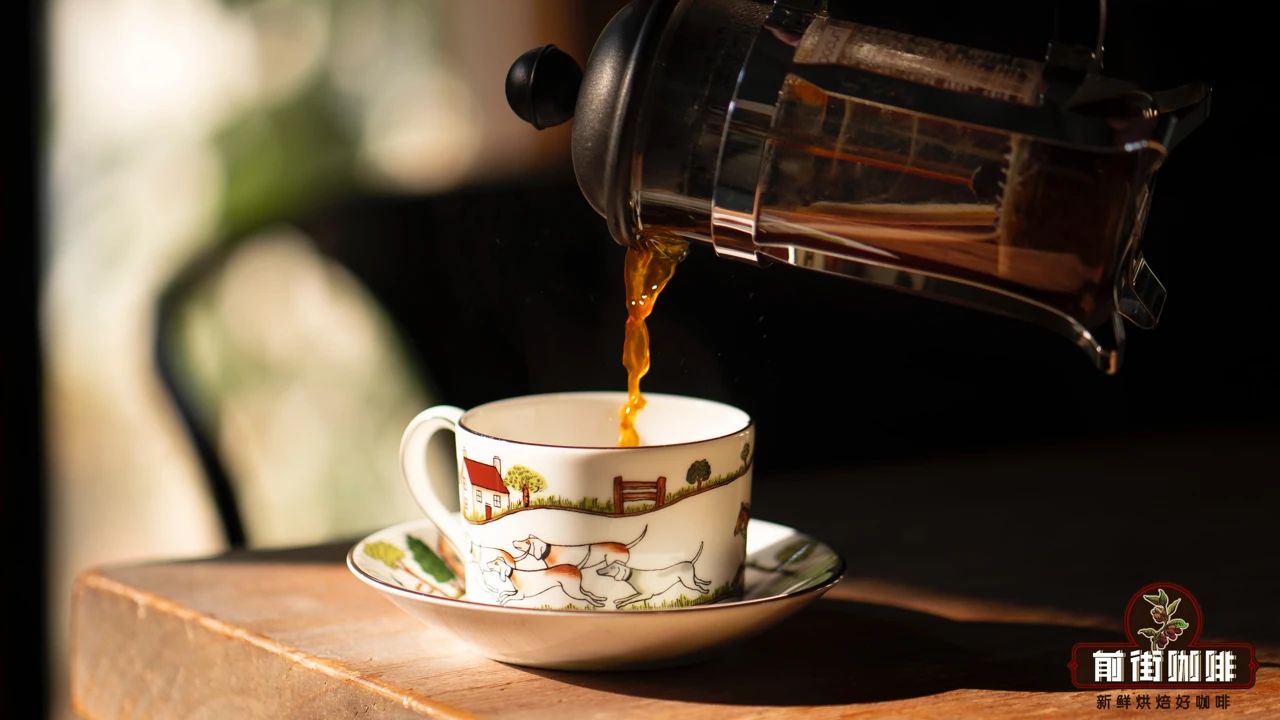
※ It is recommended to pour out the coffee immediately after brewing to avoid continued contact between the coffee grounds and water, which can release excessive bitterness. If you can’t drink it right away, you can pour it into another container for storage.
※ Be sure to thoroughly clean the French press after use, especially the metal filter, as residual coffee grounds can affect the flavor of the next brew. Most filter structures are simple and not difficult to clean.
※ If you still can’t satisfy your taste buds after multiple attempts, try adjusting each parameter one by one, including grind size, coffee-to-water ratio, water temperature, and steeping time. Brewing coffee should be a fun and experimental process, and when you find the combination that works best for you, you’ll be more motivated to explore the endless possibilities of coffee!
The above content is compiled by CoffeeHunters, a coffee news website.


