







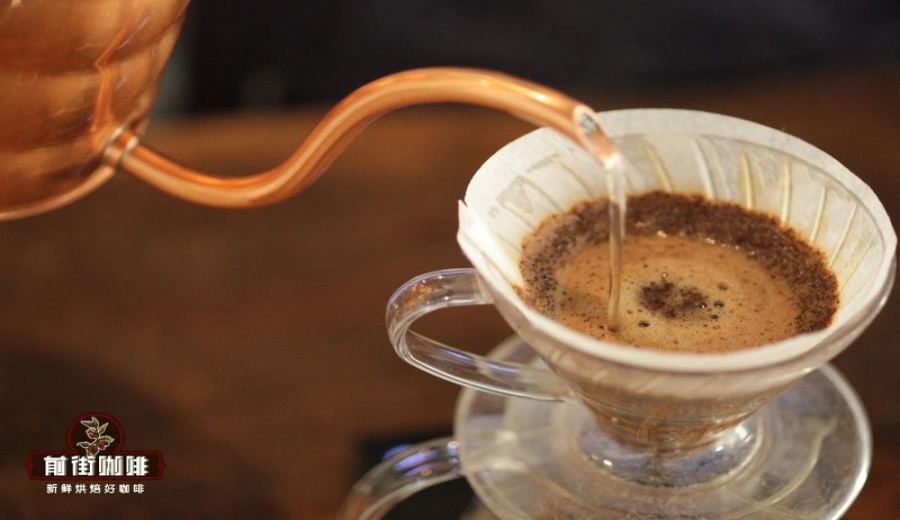
Introduction:When selecting coffee beans suitable for pour over, the roast level is the most crucial starting point. The three roast styles—light, medium, and dark—each present unique aromatic layers and flavor characteristics. This article will take you in-depth into how different roast levels influence the flavor of pour over coffee, and provide practical extraction parameter suggestions to help you find the beans that suit your palate best.
The flavor performance of pour over coffee largely depends on the roast level of the beans. From light to dark roast, it not only affects the source of aromas but also determines the balance of acidity and sweetness, body, and aftertaste upon tasting. Light roasts better highlight the terroir and variety characteristics of the coffee origin, medium roasts strike a balance between brightness and sweetness, while dark roasts direct the flavors toward caramel, cocoa, and intense roast notes. Grasping the basic traits of these three roast types is the first step in selecting and brewing your ideal pour over beans.
If you prefer bright, fresh aromas and vibrant acidity, light roast coffee beans are a great choice. These beans often exhibit floral notes such as white flowers, citrus fruits, berries, or even tropical fruits after brewing, and sometimes carry an elegant black tea-like tone. Especially when the coffee cools slightly, the flavor layers often become even clearer. However, light roast coffee is more sensitive to grind size, water temperature control, and pouring rhythm.It is recommended to use a slightly higher water temperature (around 90–94°C) and a medium-fine grind sizeto help fully release the aromas.
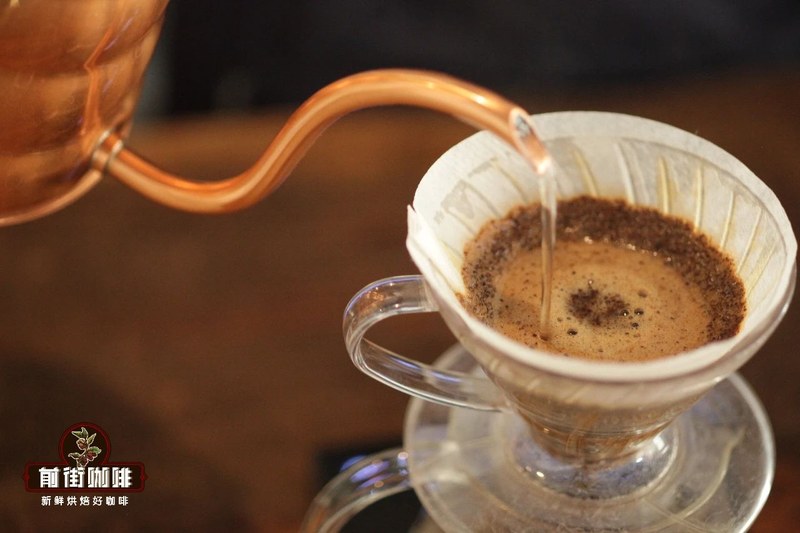
For those new to light roast flavors, it’s a good idea to start with beans that have clear flavor descriptions and stable processing methods. You don’t need overly complex brewing techniques—just maintain a stable coffee-to-water ratio and total brew water volume to bring out their intended flavors. If the taste feels too sharp or thin, you can try fine-tuning the grind size or slightly increasing the water temperature to achieve a rounder, fuller sweetness and mouthfeel. For example, some specialty light roast beans from Panama or Ethiopia often carry delicate floral and fruity notes, making them suitable for coffee lovers who enjoy a clean and refreshing taste.
Medium roast coffee achieves a good balance between acidity and sweetness, with overall flavors leaning more toward roundness. The acidity is no longer sharp but becomes softer, accompanied by caramel sweetness, nutty notes, and moderate body. These characteristics allow it to perform well whether brewed hot or over ice, and it has a relatively high tolerance for home brewing environments and technical skill levels, making it an excellent everyday drinking choice.
For example, some medium roast beans from Colombia often feature sweet and acidic layers of grapes, berries, and tropical fruits, offering a juicy and vibrant mouthfeel that retains distinct fruitiness even when cooled. Medium roast offers greater flexibility, and differences in style among roasters can be quite noticeable, so it’s advisable to also refer to the flavor description, roast date, and suggested brewing method when purchasing. Depending on the type of filter you usually use (such as V60, Kalita Wave, etc.), you can also adjust the pouring speed and stirring level.If you prefer a sweeter and smoother taste, slow down the pouring rhythm; if you want something crisper, reduce the final soaking time and stirring.

The flavor profile of dark roast coffee is entirely different—it typically showcases aromas of cocoa, roasted nuts, caramel, and grainy roast notes, with lower acidity and an overall richer mouthfeel. This type of coffee bean pairs well with breakfast bread and is favored by consumers who enjoy a solid texture and steady aroma. When brewing,there’s no need to pursue excessively high water temperatures or extremely fine grinds. Instead, it’s better to control extraction intensity to avoid over-extraction, which can lead to bitterness and dryness, ensuring a good balance between sweetness and body.
To determine if a dark roast pour over suits your taste, observe the mouthfeel after swallowing and the aftertaste. If there is a noticeable burnt bitterness or astringency, it may be due to too high a water temperature, too long a contact time between coffee and water, or too fine a grind. In such cases,it is recommended to lower the water temperature, use a slightly coarser grind, and adopt a gentler pouring method, which usually results in a smoother and more comfortable cup.
Additionally, beans of different roast levels also have different optimal drinking windows. Light roast beans usually require a certain degassing period, and their floral and fruity aromas can only be fully revealed after internal gases have gradually dissipated; medium roast beans have relatively balanced flavor development; dark roast beans are best evaluated shortly after roasting by observing their aroma—choose beans with rich but not overpowering scents. Purchasing smaller packages allows for more flexible flavor comparisons and helps identify the type that suits you best.
In short, when selecting pour over coffee beans, consider roast level as the starting point for adjusting flavor and mouthfeel, rather than the sole criterion for judging quality. If you like bright floral and fruity notes with vibrant acidity, start with light roast; if you want a balance of sweetness, aroma, and body, medium roast is usually the more user-friendly option; if you prefer intense cocoa tones and a solid mouthfeel, go ahead and challenge dark roast. Once you’ve determined your preferred direction, you can further fine-tune to brew the pour over coffee that best matches your taste through parameters like water temperature, grind size, and pouring technique.
The above content is compiled by CoffeeHunters, a coffee news website.


