







Introduction:Latte is one of the most ordered items in coffee shops around the world, but do you know why it has managed to edge out other coffee drinks to become the mainstream favorite? This article delves into the historical origins of the latte, the golden balance between milk and coffee ratios, and how latte art enhances its appeal. From its Italian roots to American adaptations, from basic flavors to visual delights, we provide a comprehensive analysis of the secrets behind the success of this classic beverage—helping you better understand how to choose and appreciate a latte.
Broadly speaking, a latte is a coffee drink made with an espresso base and mixed with a certain proportion of milk. On the menus of coffee shops around the world, the latte is almost a staple, consistently ranking among the top sellers, whether at large chain brands or boutique independent cafés.
You might have wondered: With so many types of coffee available, why does the latte consistently hold the top spot in sales? This is actually due to a combination of factors, but the most crucial one lies in its characteristic of having "a high proportion of milk and a relatively mild coffee flavor," making it more accessible to a wider audience.
Looking back at history, in the early days of the espresso machine, the espresso popular in Italy was often made with dark-roasted and inconsistent-quality beans, resulting in a strong, bitter taste. This was not friendly to first-time coffee drinkers or those who dislike bitterness. To improve the taste, baristas began experimenting with adding steamed milk to the espresso. However, the earliest milk-based coffee wasn’t the latte—it was the cappuccino. To balance the coffee flavor with the amount of milk, Italian baristas used thick foam to control the milk ratio, ensuring that the coffee flavor remained prominent.
By the 1950s and 60s, many Italian immigrants brought coffee culture to California, USA. Local consumers were unaccustomed to the intense taste of espresso—even the cappuccino with added milk was hard to accept. To cater to the American market, a café owner made an innovative adjustment—reducing the thickness of the foam and increasing the proportion of milk, creating a new drink that was lighter on coffee but richer in milk.
Thanks to the substantial addition of milk, this new drink effectively softened the bitterness of the coffee, offering a smoother and more mellow taste upon drinking. Coupled with the high fat and protein content of the milk, which not only made the overall texture creamier and richer but also easier to drink, it successfully attracted the interest of non-hardcore coffee enthusiasts. To clearly distinguish it from the cappuccino, this coffee was named 'Caffè e latte,' which is the latte coffee we know today.
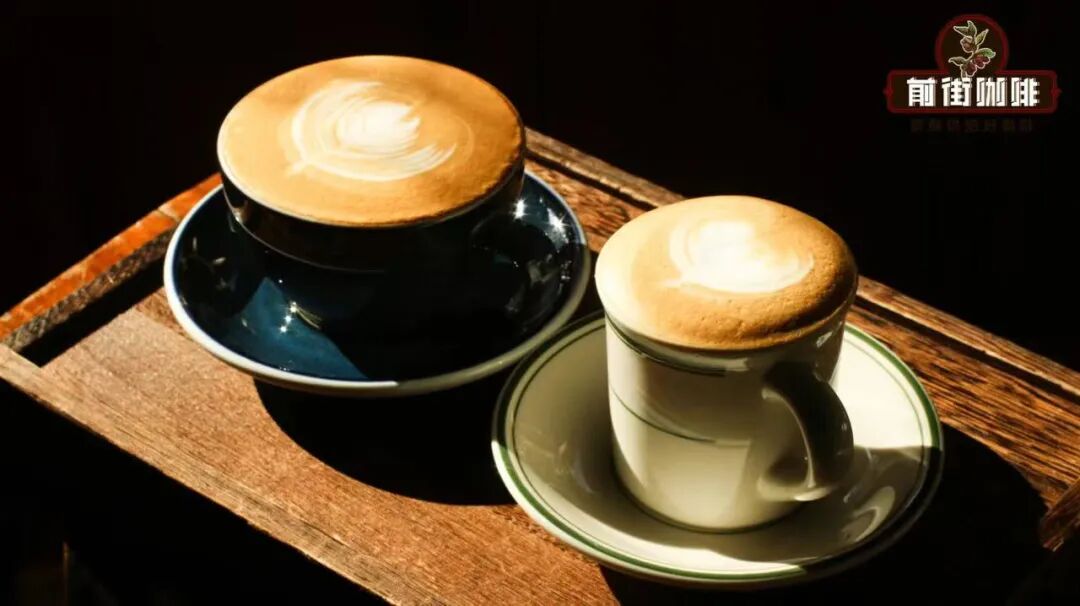
Even as we entered the 21st century, the reasons for the latte’s continued popularity remain unchanged—it offers the perfect balance of milk and coffee, with a mild flavor that lacks the intense bitterness of other coffees, making it easier for most people to enjoy. In fact, many consumers, without a deep understanding of coffee varieties, often can’t distinctly tell the difference between a cappuccino and a latte, knowing only that both are milky coffees. At this point, another major feature of the latte—its intricate and varied latte art—becomes a key factor in attracting customers.
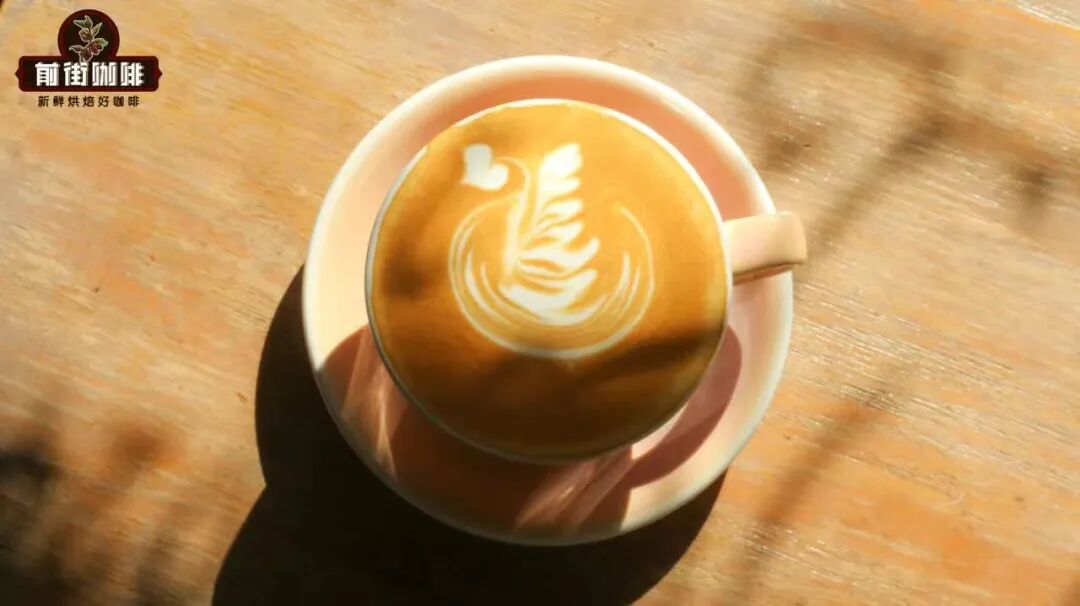
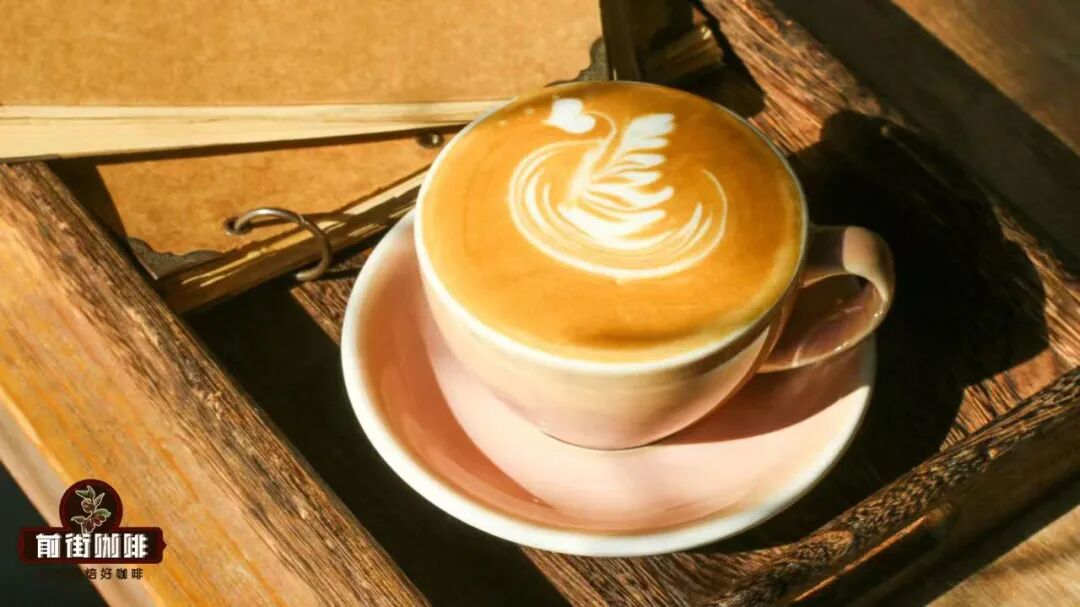
When talking about latte art, we must mention a barista from Seattle, USA, in the 1980s—David Schomer. During one of his latte-making sessions, he accidentally created a heart-shaped pattern with milk foam on the coffee's crema, and this serendipitous discovery sparked a creative wave in coffee latte art. Since then, baristas have begun using milk foam to draw various patterns on the surface of the coffee, adding visual appeal to the drink—and the latte has become the perfect canvas for showcasing these artistic creations.

Compared to other milk-based coffees, the latte has an ideal foam thickness and fluidity—not too thick or too thin—which allows baristas to more precisely control the details of the patterns. From simple hearts and leaves to complex geometric arrangements and animal designs, many stunning latte art pieces have been born in latte cups. It is precisely because of this visual enjoyment that even when consumers may not be clear on the specific differences between a latte and a cappuccino, they often choose the latte because of its beautiful latte art.

In addition, the latte also offers greater flexibility in preparation compared to other coffees. Since its focus isn’t on highlighting the original flavors of the coffee beans but rather on achieving a harmonious taste between milk and coffee, it pairs more easily with various flavored syrups and different types of milk alternatives (such as oat milk, soy milk, almond milk, etc.), catering to diverse dietary needs and taste preferences. This high level of adaptability also makes the latte a top choice for coffee makers when developing new products.

Beyond the three main reasons mentioned above, lattes usually come in larger cup sizes and offer good value for money. They are also commonly featured in coffee posters and promotional images, indirectly enhancing their impression and selection rate among consumers. Overall, thanks to its approachable taste, strong visual appeal, high customization potential, and versatile pairing options, the latte has successfully stood out and become the best-selling item in coffee shops worldwide.
The above content is compiled by CoffeeHunters, a coffee news website.


