







Introduction:Have you ever brewed a pour over coffee that tastes overly bitter and astringent, with noticeable off-flavors? This is likely caused by over-extraction. Over-extraction means that undesirable compounds in the coffee have been excessively extracted, negatively affecting the overall flavor. This article will delve into the causes of over-extraction and guide you through three core parameters—grind size, water temperature, and extraction time—to help you adjust your brewing method, effectively avoid over-extraction, and brew a balanced coffee with clear flavors.
Many beginners in pour over brewing often encounter a frustrating issue: the coffee tastes too bitter or even has strong off-flavors. This condition is usually caused by over-extraction. Over-extraction refers to the process where undesirable substances in the coffee are dissolved beyond the ideal range during brewing, resulting in a loss of balance and complexity in the cup.
Generally, about 30% of the substances in coffee beans are water-soluble, but not all of these soluble compounds are beneficial. Some contribute positive attributes such as aroma and sweetness, while others produce negative effects like bitterness, astringency, and off-flavors. When the latter are excessively released, the coffee becomes unpleasant to drink. This undesirable flavor resulting from over-extraction is what we call over-extracted coffee.
To avoid drinking such unpleasant over-extracted coffee, the primary task is to master the correct extraction parameters, especially the control of extraction yield. Among the many factors influencing extraction,grind size, water temperature, and extraction timeare the three most critical variables. This article will focus on these three elements and teach you how to adjust and correct them to avoid over-extraction in pour over brewing.
First is grind size. This is a factor that many beginners easily overlook, yet it has a significant impact on extraction. Unlike water temperature or time, grind size doesn’t have clear numerical indicators, so most people rely solely on visual judgment. This often leads to a gap between the actual grind result and expectation, which in turn affects extraction performance.
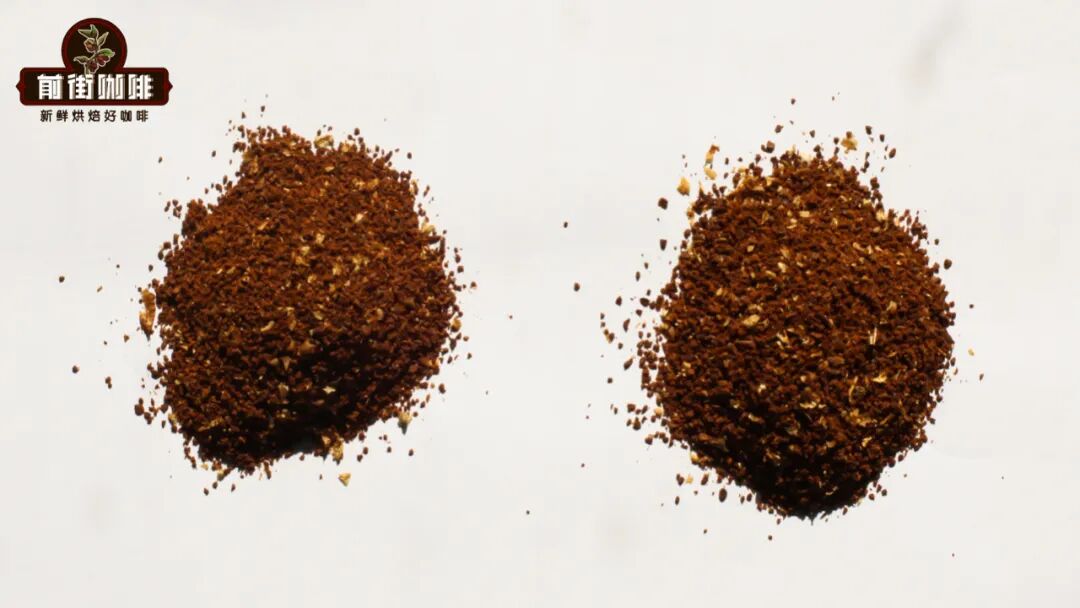
For example, when brewing a light roast coffee, the ideal grind size might be similar to that of fine sugar, with a 20-mesh sieve passing rate of around 75%. But if your grinder setting results in a passing rate of 85%, it may be hard to notice with the naked eye that the grind is actually finer. However, such fine grounds increase the contact area between coffee and water, accelerating the release of compounds. Under unchanged conditions, this can easily lead to over-extraction.
If you find that your brewed coffee has obvious bitterness and off-flavors despite following the standard recipe, it’s recommended to first check and try adjusting to a coarser grind. Using a coarser grind can effectively slow down the extraction rate and prevent excessive release of undesirable compounds. If you want to more precisely control grind size, it’s advisable to use a 20-mesh sieve to measure the passing ratio, generally aiming for around 75%, though actual settings should still be fine-tuned based on bean variety and roast level.
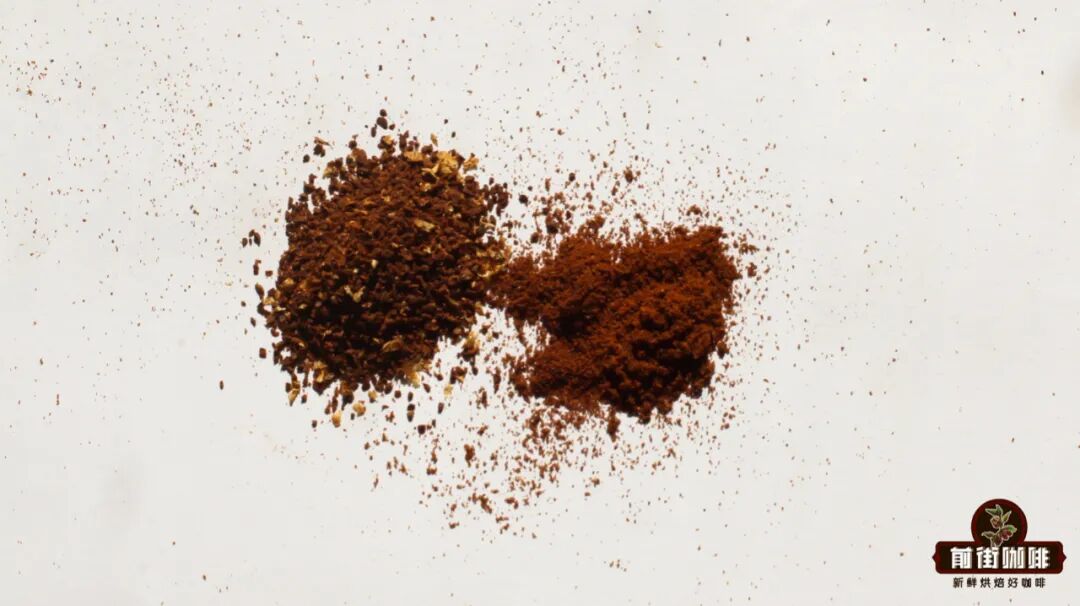
However, it’s worth noting that the sieve passing rate only provides a rough reference and cannot assess the uniformity of the coffee grounds or the proportion of fines. While a small amount of fines can enhance complexity, an excess can prematurely release bitter compounds, clog the filter paper, prolong extraction time, and increase the risk of over-extraction.
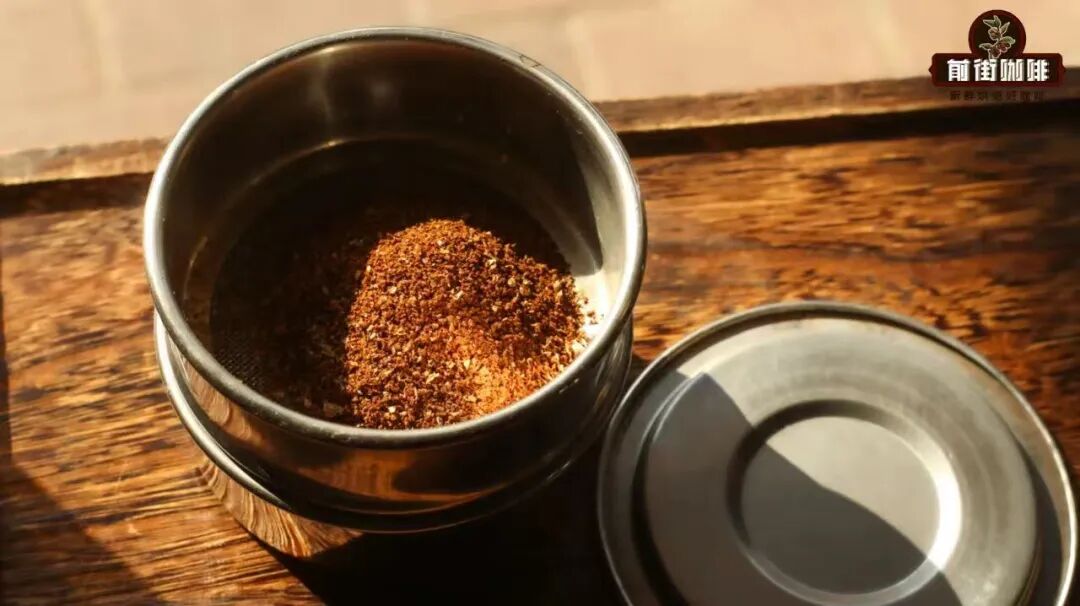
Another common issue is poor grinder quality leading to excessive fines. When coffee grounds are uneven and contain a lot of fine particles, it not only affects taste but also extends overall extraction time. In such cases, using a sieve or classifier to remove some fines can help improve extraction uniformity and reduce the likelihood of over-extraction.
The second key factor isextraction time. Simply put, the longer the extraction time, the more contact time water has with coffee grounds, and the more compounds are released. Poor control of time can easily extract unnecessary negative substances, resulting in over-extracted coffee.
But what exactly counts as “too long” extraction time isn’t absolute—it depends on the overall combination of parameters. Take a common light roast pour over recipe as an example: using 15 grams of coffee, 92°C water, a 1:15 brew ratio, a grind size with 75% passing through a 20-mesh sieve, and a three-pour technique. Under these settings, the optimal extraction time typically falls between 2 to 2.5 minutes. If the actual extraction stretches to 3 minutes or longer, it’s likely that too much bitterness, astringency, and off-flavor will be released, negatively impacting the overall flavor profile.
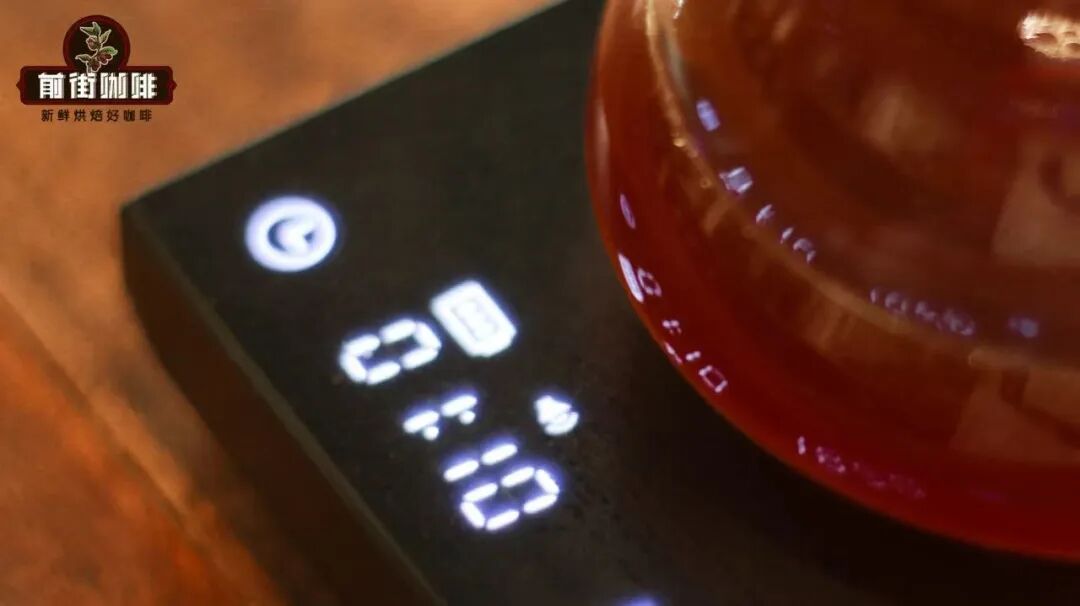
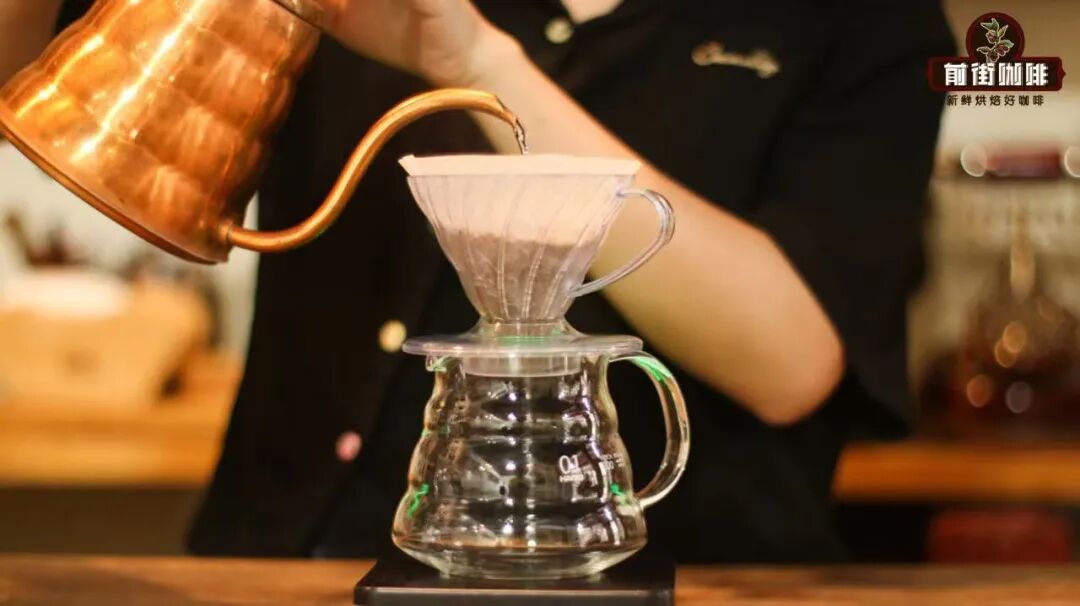
If you find your brew time is on the longer side, consider adjusting from several angles: first, check if fines are clogging the filter paper, which can significantly slow water flow; second, selecting the right filter cone is also important. For instance, a V60 with its prominent ridges and large hole design can speed up water drainage and help control extraction time. Additionally,pouring ratealso directly influences total extraction time. Without causing clogging, increasing the pouring speed can shorten the contact time between water and coffee, thus helping to avoid over-extraction.
The last key parameter iswater temperature. Water temperature directly affects the dissolution rate of coffee compounds, thereby determining the depth of extraction. It’s generally recommended to maintain a water temperature between 86°C and 93°C, adjusted according to roast level.
Using the same pour over recipe as an example, if you’re brewing dark roast beans, it’s advisable to keep the water temperature between 86°C and 88°C to avoid excessive heat accelerating the release of undesirable compounds. For medium-light to light roasts, you can raise the temperature to 90°C to 93°C to fully extract sweetness and aroma. If you find your coffee tasting too bitter or astringent, try lowering the water temperature—it can help reduce over-extraction risk and lead to a more balanced cup.
The above content is compiled by CoffeeHunters, a coffee news website.


