







Introduction:Want to enjoy a rich and smooth milk coffee at home but don’t have an expensive espresso machine? In fact, as long as you master the right pour over parameters and techniques, you can extract a high-concentration coffee liquid without professional equipment. By adding the right amount of milk, you can easily create a milk coffee with a flavor close to a latte. This article will teach you how to increase coffee concentration through extreme pour over parameters and stirring techniques, and share practical key settings such as powder-to-water ratio, water temperature, and grind size — even beginners can get started with ease.
Sweet, rich, and full-bodied — these three characteristics make lattes one of the most beloved coffee drinks for many people. This kind of taste mainly comes from the high concentration of the espresso itself. To achieve this level of richness that isn't diluted by milk, high-pressure extraction is usually required, which is why traditional lattes rely on espresso machines.
However, a high-performance espresso machine is quite expensive, and not everyone is willing or needs to buy one just for a daily milk coffee. Fortunately, there are already many alternatives online that allow coffee enthusiasts to make satisfying milk coffee at home even without professional machines. This article will introduce one simple and practical method, perfect for those without a coffee machine.
To create a milk coffee with a texture close to a latte, the key lies in obtaining a high-concentration coffee liquid. The so-called high concentration refers to more coffee solids being dissolved per unit volume of water. To achieve this, you must use less water to extract more flavor, but this also means the extraction difficulty increases significantly.
Without pressure assistance, it's very difficult to fully extract the essence of coffee with just a tiny amount of water. Therefore, we need to adjust several key parameters: use an ultra-fine grind, raise the water temperature close to boiling, and extend the extraction time. In addition, there’s one indispensable technique — stirring. Through appropriate stirring, flavor release can be accelerated, allowing hot water to extract substances from the coffee more efficiently, thereby increasing the overall concentration.

Although this method can't completely replicate the intensity of espresso, it can produce a relatively high-concentration coffee base. Paired with the right amount of milk, you can enjoy a rich and smooth milk coffee. Below, we’ll detail the actual steps — even absolute beginners can follow along.
The coffee used in this demonstration is a Geisha from a certain coffee farm in Colombia, a honey-processed bean with a medium-light roast. It has distinct floral, fruity, and black tea notes, making it very suitable for crafting a milk coffee with a fresh flavor. If you prefer a richer taste, you can also choose dark-roasted or anaerobically processed beans — just adjust the milk ratio accordingly.
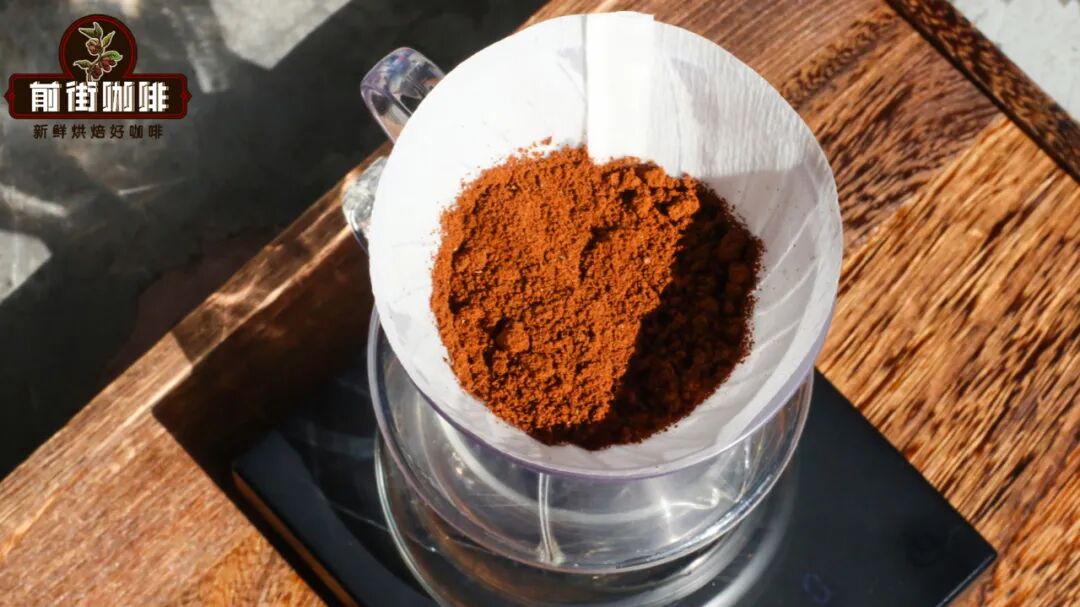
For the parameter setup, we adopt a powder-to-water ratio similar to espresso, 1:4, which translates to a powder-to-liquid ratio of 1:2. The water temperature is set to 100°C, meaning the water is used right after boiling. For the grind size, we use an extremely fine grind close to that of espresso, roughly equivalent to the finest setting 0 on the Ek43 grinder, resulting in a texture as fine as flour.
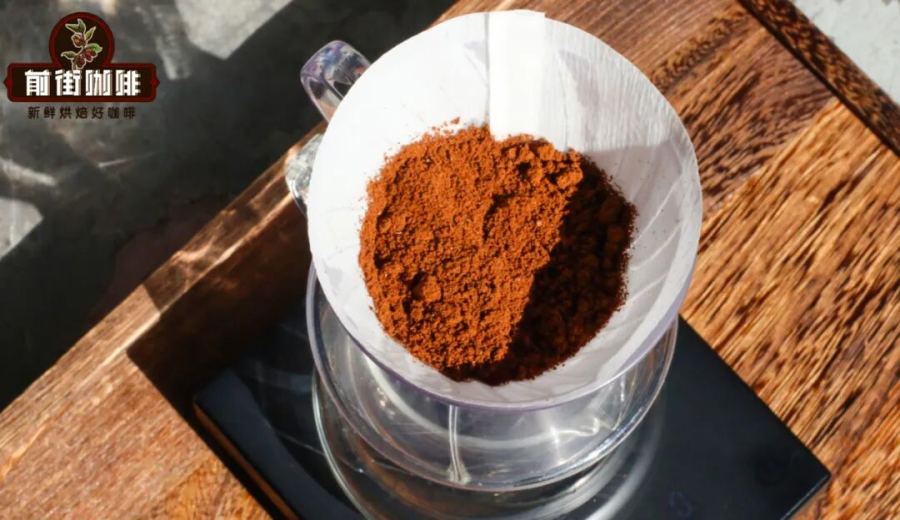
As for tools, this guide uses a standard filter cone, but you can also use a clever dripper, V60, or AeroPress, among other pour over devices — as long as they can accommodate stirring, you can try this method. First, fold and wet the filter paper, ensuring it adheres tightly to the filter cone to prevent paper taste from affecting the coffee flavor. Then, add about 20 grams of coffee grounds.

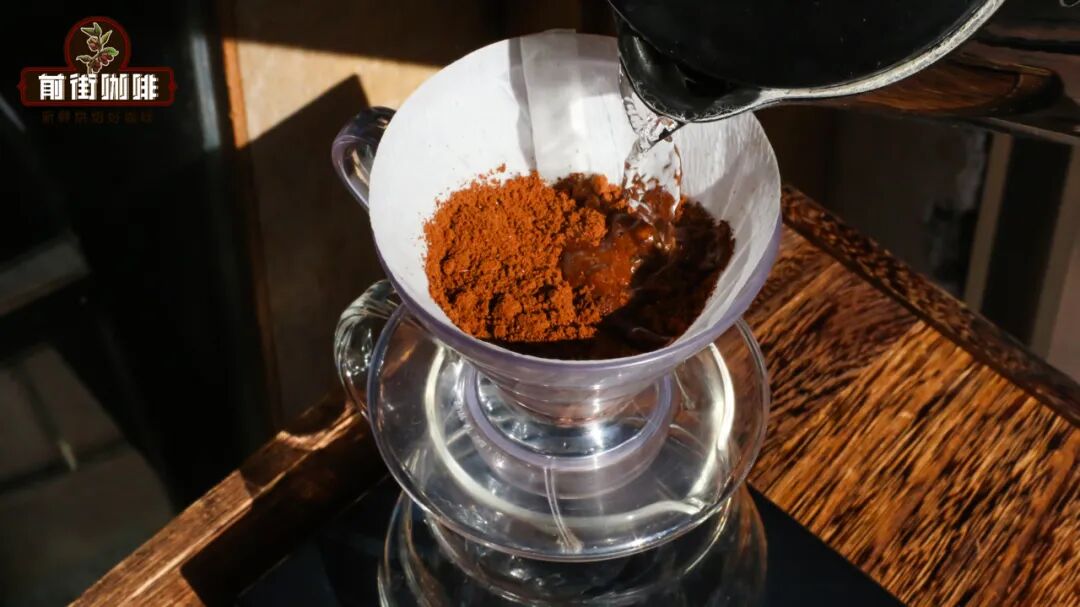
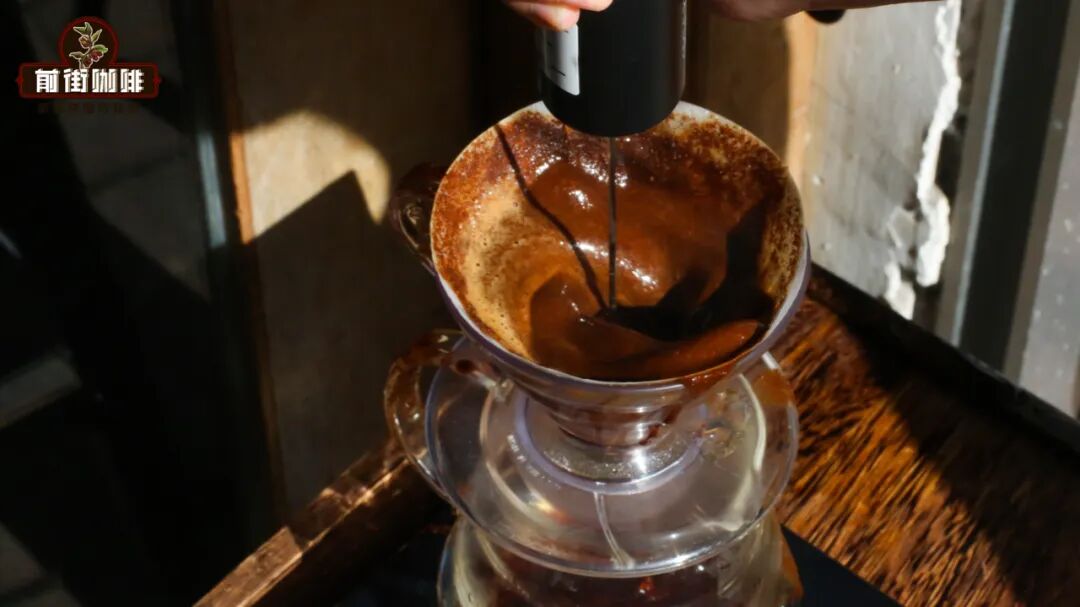
The first step is to pour 20 milliliters of hot water — this action is called “blooming” or “pre-wetting.” Its purpose is to let the coffee grounds fully expand, release carbon dioxide, and initiate flavor release. Immediately after pouring, stir quickly using a stirring tool (such as chopsticks, a bamboo spoon, or a dedicated pour over stirring stick) for about 10 seconds to help the coffee grounds evenly contact the water and improve extraction efficiency.
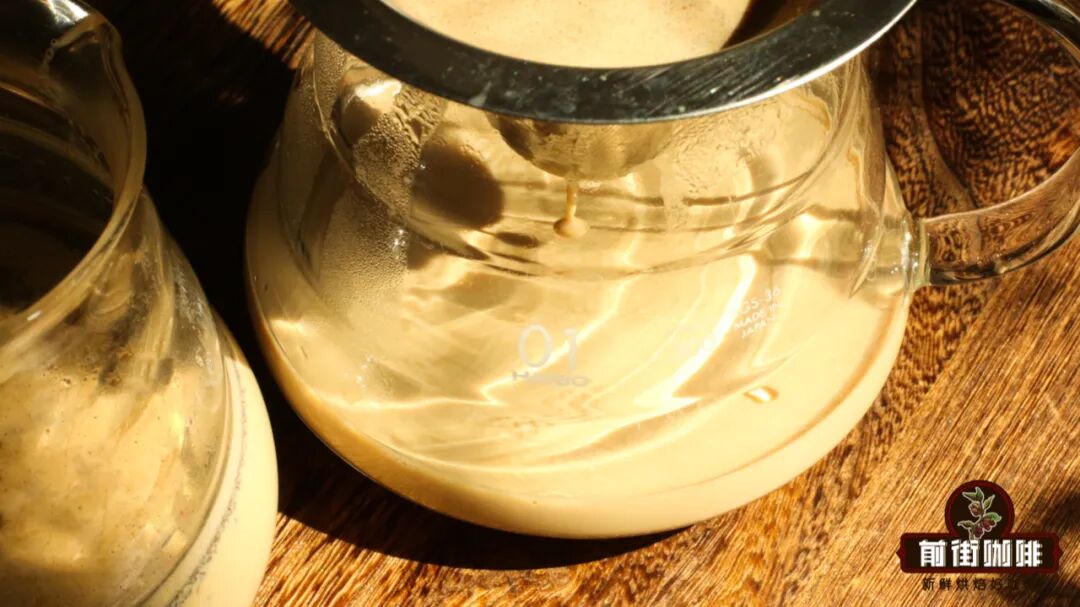
Next, pour the remaining 60 milliliters of hot water, bringing the total water volume to 80 milliliters to achieve the 1:4 powder-to-water ratio goal. Stir evenly again with the stirring tool for about 30 seconds to ensure all coffee grounds are thoroughly soaked and extracted. At this point, you can observe the coffee liquid gradually dripping out. The entire process takes approximately 2–3 minutes, depending on specific conditions.

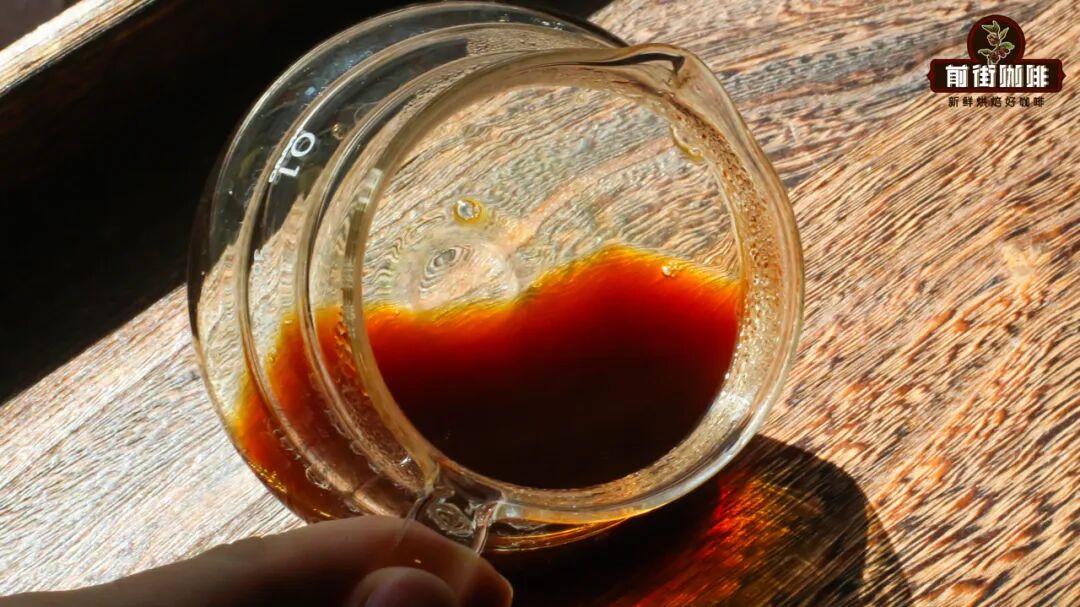
Judging from the final result, the coffee liquid is darker in color and noticeably more concentrated than regular pour over coffee, though it still doesn’t reach the intense concentration of true espresso. However, this is sufficient as a base for making milk coffee.
When adding milk, it’s recommended to adjust the ratio based on the coffee bean’s roast level and processing method. The Geisha used here is medium-light roasted with a delicate flavor — if the milk ratio is too high, it can easily overpower the coffee aroma. After multiple tests, we recommend using the golden ratio of 1:2.5, which means adding 100 milliliters of milk to every 40 milliliters of coffee liquid, creating a rich and smooth taste.
If you’re using dark-roasted or anaerobically fermented beans with a stronger and more intense flavor, you can appropriately increase the milk ratio — for example, 1:3 or higher — adjusting to your preferred balance point.
In summary, although this method can’t fully replicate the exquisite texture of espresso and lattes made by espresso machines, as long as you master the grind size, water temperature, powder-to-water ratio, and stirring techniques, you can still make a rich and smooth milk coffee using the pour over method at home, even without professional equipment. For beginner coffee enthusiasts, it’s an economical and practical option well worth trying.

The above content is compiled by CoffeeHunters, a coffee news website.


