








Introduction:When selecting single-origin pour over coffee beans, the roast level is one of the key factors influencing flavor and mouthfeel. From light to dark roast, each degree of roasting offers unique aromatic profiles and brewing characteristics. This article will help you find the coffee beans and brewing method that best suit your personal preferences — whether you enjoy bright fruit acidity or rich chocolate notes — and provide practical brewing parameter suggestions.
When choosing single-origin pour over coffee, it's a good idea to start with the roast level. Light-roast beans typically retain more of the coffee’s original flavors, making them ideal for those who enjoy bright floral and fruity aromas and vibrant acidity. Medium roast strikes a balance between acidity, sweetness, and body, suiting most beginners to pour over. Dark roast, on the other hand, delivers intense caramel, nutty, and dark chocolate notes with a fuller body. Understanding these differences allows you to choose beans more purposefully based on the experience you desire — whether it’s a bright and refreshing cup or a smooth and rich one.

The standout feature of light-roast coffee beans is their ability to preserve the origin-specific characteristics of the coffee. Common flavor notes include citrus, berries, white floral tones, and even a tea-like quality. These beans tend to produce a vibrant cup, especially as the coffee cools slightly, revealing more layered complexity. It’s recommended to use medium-to-high water temperature (around 90–94°C), paired with a fine yet not overly coarse grind size (such as medium-fine, approximately 0.85–1.0 mm particle size), and employ a medium-slow pouring technique to allow the hot water to fully extract the bean’s aroma and sweetness. If you prefer a clean, juice-like mouthfeel, light roast is definitely worth exploring in depth.
For example, an Ethiopian Yirgacheffe variety, when light roasted, often showcases bright lemon, jasmine, and light tea-like aromas. Upon tasting, the acidity is lively and clean, with a lingering aftertaste reminiscent of green tea. These beans are great for drinking in the morning or afternoon, and can also be enjoyed after cooling slightly to experience the transformation between acidity and sweetness. If you enjoy coffee with floral and fruity notes, light roast is an excellent starting point for pour over beginners.
Another great option for light-roast pour over is the Ethiopian Huila variety, which, at this roast level, highlights tropical fruit aromas such as strawberry and passionfruit. Its sweetness is relatively prominent, offering a vibrant and energetic cup. It’s recommended to use a medium-fine grind and employ a pulse pouring technique to help gradually release the aromas. Trying it as an iced pour over will make the fruitiness even more refreshing and lively — an ideal choice for summer or those seeking a bright and clean taste.
Medium-roast coffee beans strike a balance between aroma expression and body richness. The acidity is generally more rounded, with sweetness and body in harmony, and the aftertaste tends to be smoother. For those new to single-origin pour over, medium roast is an easy choice for establishing a flavor baseline. These beans don’t necessarily emphasize intense fruitiness but instead offer a more natural and seamless drinking experience from the first sip to the finish — making them perfect for everyday breakfasts or work breaks.
A common and well-performing medium-roast bean is the Kenya “Little Tomato” variety, known for its tartness resembling cherry tomatoes and black plums, along with a noticeable brown sugar sweetness in the mid-to-late stages. The overall profile is not overly sharp and has good structure. When brewing, it’s suggested to use a gentler pouring rhythm and maintain a stable water temperature (around 88–92°C), which helps present both fruitiness and sweetness more fully. If you want coffee with bright acidity but still some body, medium roast is a great point of balance.
To determine if medium roast suits you, pay attention to how your mouth feels after drinking. If you enjoy distinctly identifiable acidity and sweetness but don’t want it to be too light, then medium or light-medium roast are both worth considering. If you prefer a softer, fuller, and less stimulating cup, you might further explore medium-dark roast. Note that the roast level indicated on the packaging is only a reference — actual flavor can still be significantly influenced by origin, processing method, and bean freshness.
Dark-roast coffee beans showcase a distinctly different flavor profile. Common aromas include dark chocolate, roasted nuts, caramel, and ripe fruit. The acidity is relatively subdued, but the mouthfeel is fuller and more stable. When pour over brewing, it’s recommended to use slightly lower water temperature (around 85–88°C), and you might consider a slightly coarser grind size (such as medium, around 1.0–1.2 mm particle size) to avoid over-extraction that could lead to dryness or burnt bitterness. Dark roast pairs well with breakfast, desserts, or situations where a bold, intense cup is desired.
Roast level also directly affects the extraction feedback during pour over. For instance, if a light-roast coffee tastes thin, you can try adjusting to a slightly finer grind or extending the pour time. If the acidity is too sharp, increasing extraction or slightly raising the water temperature may help. Conversely, if a dark roast results in burnt bitterness or astringency, it’s advisable to lower the water temperature, reduce agitation, and let the water flow through the coffee grounds more quickly. It’s best to adjust only one variable at a time to more accurately pinpoint the optimal extraction conditions.
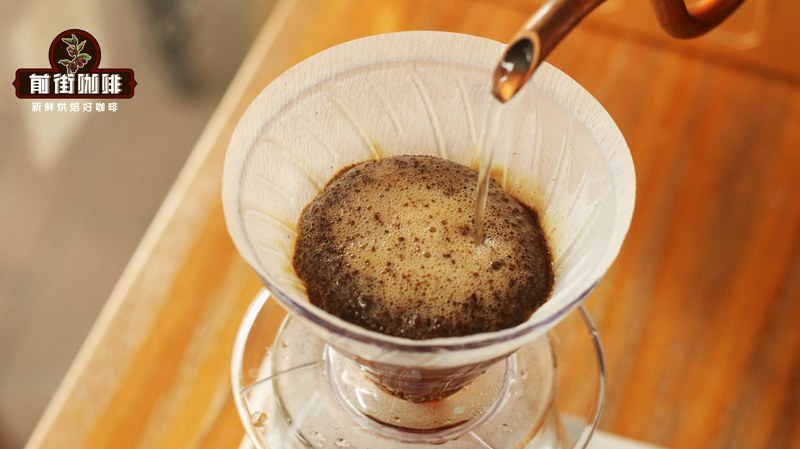
In summary, when selecting pour over coffee beans, it’s recommended to consider both roast level and your actual brewing routine: if you want to enjoy bright floral and fruity notes in the morning, light roast pour over is an excellent choice; if you prefer consistent sweetness and body support, medium roast is more practical; and if you’re after a bold, full-bodied black coffee experience, dark roast will better meet your expectations. Once your beans arrive, start by brewing a cup using the parameters suggested on the package, then fine-tune based on your actual experience with acidity-sweetness balance, aroma expression, and mouthfeel details — gradually developing your own bean selection and brewing standards.
The above content is compiled by CoffeeHunters, a coffee news website.


