







Introduction:Choosing the right coffee beans is key to making delicious cold brew. This article delves into which coffee beans are suitable for cold brew by exploring roast levels, regional characteristics, and processing methods, and provides practical brewing parameters and storage tips. Whether you're new to cold brew or a seasoned enthusiast, you'll find recommended beans that suit your taste and learn how to adjust your brewing method based on personal preference.
If you want to brew a cup of cold brew with standout flavors, selecting the beans is the first step. Because cold brew is extracted at low temperatures over a long period, it amplifies the inherent flavor characteristics of the coffee beans, so choosing beans that are well-suited for cold brew is crucial. You need to consider not only your daily drinking habits but also the differences in aroma brought by roast level, origin, and processing method to ensure every cup is satisfying.
Roast Levelis one of the important factors that influence the flavor of cold brew. Lightly roasted coffee beans usually retain more fruit acidity and floral-fruity aromas, making them suitable for those who prefer a refreshing taste; medium-dark roasts bring out caramel, chocolate, and nutty notes, resulting in a richer flavor. For cold brew, it’s recommended to choosemedium-light roastedcoffee beans, which can showcase delicate flavors while maintaining a sense of layering.
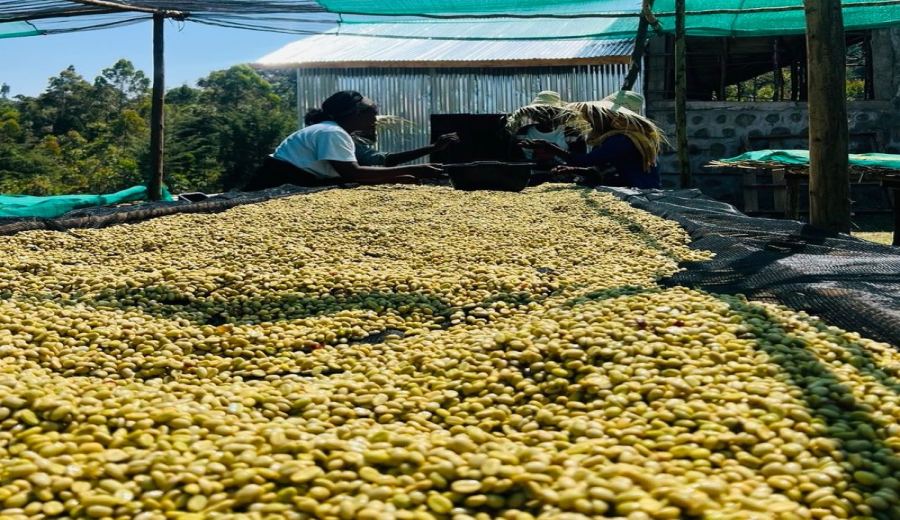
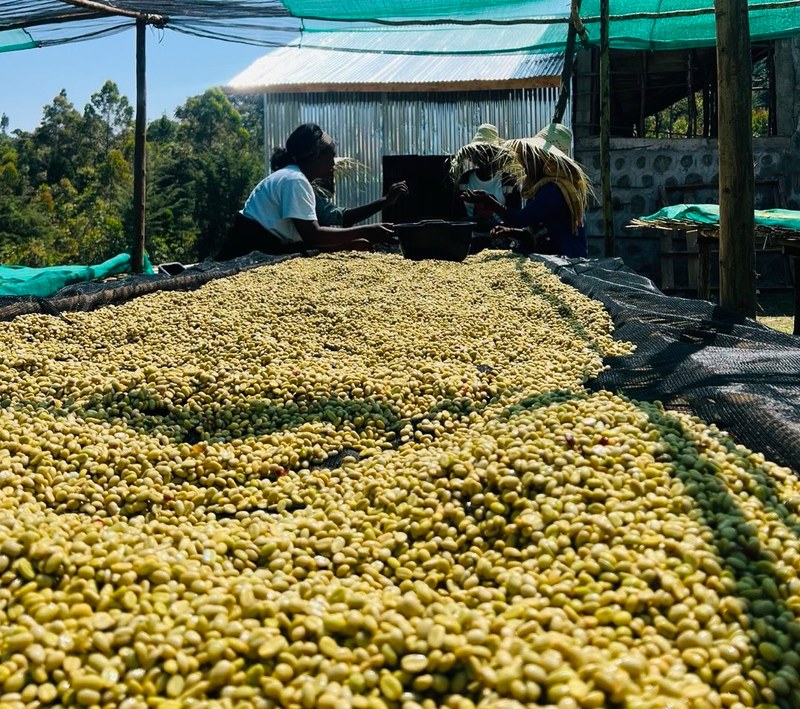
Region and processing method also greatly affect the final taste of cold brew. For example,Ethiopiancoffee beans often feature bright fruit acidity and floral notes—varieties like Huila are known for their strawberry, passion fruit, and lychee aromas; whereasColombiancoffee beans tend to have citrus, berry, and chocolate tones, such as Geisha showcasing gentle fruit acidity and cocoa aftertaste. Understanding these characteristics can help you choose the right cold brew beans based on your preferences.
When actually brewing cold brew, it’s recommended to usecoarse-groundcoffee powder, with a coffee-to-water ratio of about 1:10 to 1:12, and let the mixture steep in the refrigerator for 10 to 14 hours. If you prefer a stronger flavor, you can slightly extend the steeping time, but don’t exceed 18 hours to avoid over-extraction and bitterness. For beans with prominent fruity notes, you can try shortening the steeping time to preserve more fresh flavors.
In addition to the immersion method,cold dripis another way to make cold brew. It requires a stable drip rate, and it’s generally recommended to let the finished brew sit in the refrigerator for a few more hours to allow the flavors to meld. No matter which method you choose, adjust according to your own taste without being bound by fixed times or ratios.
Storing coffee beans is also an art. To retain the best flavor, it’s recommended to buysmall packagesto try first, and restock based on your drinking frequency once you confirm your preference. Whole bean coffee preserves aroma better than pre-ground coffee, so it’s best to grind just before brewing and store in an airtight container to prevent moisture or oxidation.
If your cold brew turns out sour, bitter, or lacks bright aroma, don’t rush to change beans. First check whether the grind size and water temperature are suitable for the chosen roast level, and make slight adjustments to the steeping time. Common mistakes include grinding too finely, steeping too long, or using stale coffee beans—all of which can affect the final taste.
In summary, there’s no absolute answer to choosing the right coffee beans for cold brew. The key is to experiment and compare based on your own taste preferences, from fruitiness, sweetness, to body. By observing how each bean performs during actual brewing, you’ll be able to find the perfect cold brew combination that suits your palate.
The above content is compiled by CoffeeHunters, a coffee news website.

