







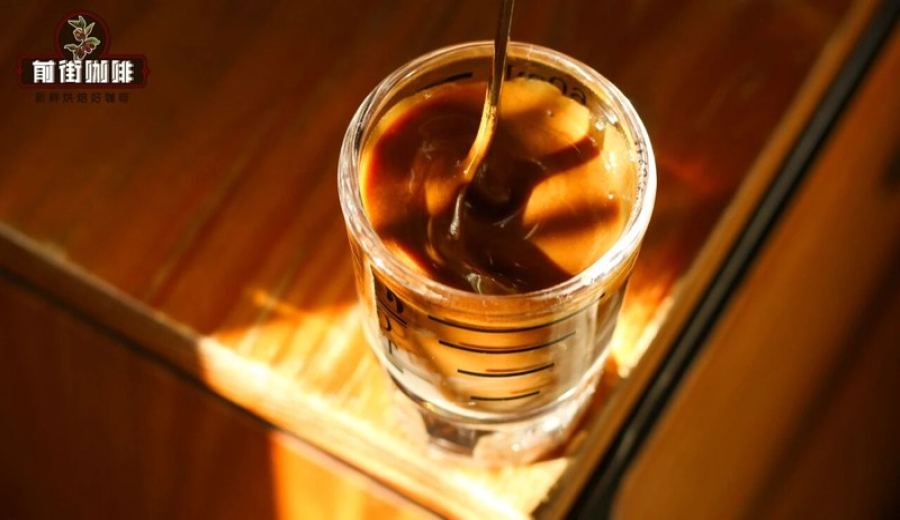
Introduction:Choosing cost-effective coffee beans can make your daily brewing both budget-friendly and flavorful. This article explores factors such as roast freshness, packaging options, and flavor identification to help you select suitable black or milk coffee beans based on your drinking habits. Using two classic flavor beans as examples, it analyzes differences in layers such as citrus, caramel, and berries. It also includes pour-over recommendations and recording tips to help you find your perfect everyday bean.
To choose cost-effective coffee beans, the key is not to chase products with fancy names, but to start from your daily drinking needs and gradually build your ability to judge flavors. When purchasing, consider your consumption rate, brewing type (black coffee or milk coffee), and home storage conditions. Flavor descriptors such as "citrus" or "caramel" on the packaging are only for reference. The actual experience—such as the smoothness of acidity, the persistence of sweetness, and the smoothness of mouthfeel—is the core of judging quality.
Pay special attention to the roast date, as it greatly impacts the coffee’s actual performance. If your focus is everyday drinking, prioritize the bean’s freshness, roast stability, and packaging suitability for preservation, rather than blindly pursuing niche names. Coffee that is too fresh may still be in its degassing period, while beans stored for too long can easily lose aroma. Ideally, purchase an amount you can finish within your regular drinking cycle to maintain optimal flavor.
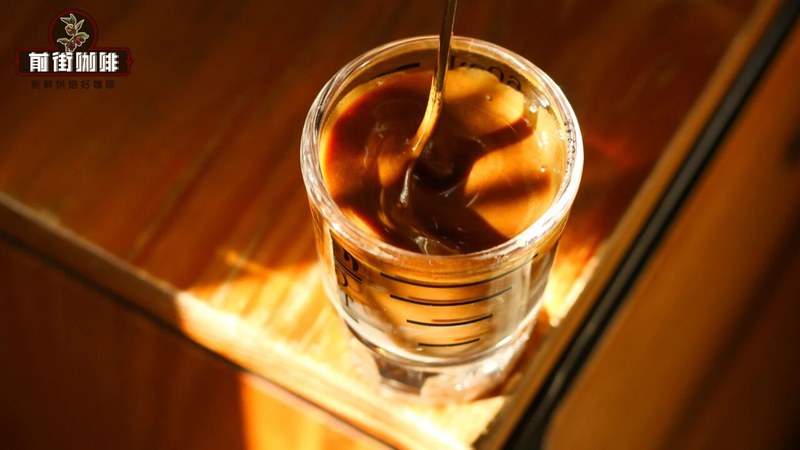
To build your personal taste database, consider using a classic medium-dark roasted bean as a reference—for example, one made from Yunnan Baoshan region Typica beans, featuring layers of citrus, caramel, nuts, chocolate, and brown sugar. Roasted to a medium-dark level, this bean has a solid sweetness, moderate body, and a soft aftertaste. Whether for pour-over, Americano, or pure black coffee, start with a medium concentration and then adjust the coffee-to-water ratio to your taste.
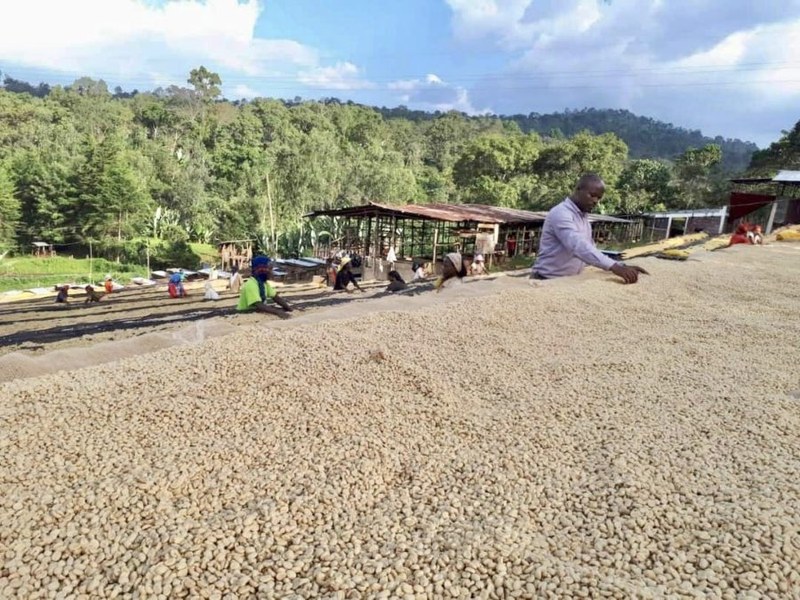
If written descriptions feel abstract, a light-roasted Yirgacheffe flavor bean offers another flavor reference. Sourced from Ethiopia’s Yirgacheffe region, this bean highlights bright citrus, berries, white floral notes, and a green-tea-like aftertaste through light roasting. With a light body, lively acidity, and clearer sweetness as it cools, it suits pour-over, iced pour-over, or those seeking a refreshing black coffee. Try it hot first, then observe how the aroma and aftertaste change as it cools.
Comparing these two beans is not about judging which is better, but helping you understand different flavor directions. The former focuses on steady caramel, nuts, and brown sugar, while the latter excels in bright citrus, berries, and floral notes. For cost-effective coffee beans, comparing their aroma intensity, sweetness expression, and mouthfeel texture through actual brewing can quickly clarify your preferred coffee flavor profile.
For everyday pour-over, there's no need to frequently change your recipe. Recommended starting parameters: 15 grams of coffee grounds with 225 grams of water, using medium-coarse grind, and water temperature between 87 to 92 degrees Celsius. If you find the acidity too prominent or the taste too thin when using light-roasted beans, try a slightly finer grind or slightly higher water temperature. Conversely, if there’s obvious bitterness or astringency, use a coarser grind and shorten the later-stage pouring time. These basic parameters suit most cost-effective coffee beans, but adjust according to actual brewing results—no need to stick rigidly to fixed numbers.
Recording brewing parameters doesn’t require complex tables. Just jot down the amount of coffee used, water volume, grind size, water temperature, and a brief comment describing the cup’s flavor. Over a few tries, you’ll naturally identify whether you prefer bright fruity notes or rounded, full-bodied tastes.
Also, freshly ground beans preserve aroma best. Buy whole beans according to your daily consumption, store them sealed properly, and grind them right before brewing based on your equipment. In contrast, pre-ground coffee has much greater air exposure, causing faster aroma loss. So, strictly control purchase quantity and drinking cycle after opening.
The most practical advice: choose coffee beans you can finish within your planned time. This helps maintain optimal aroma and effectively manages your budget. No matter which cost-effective coffee bean you end up with, start with medium parameters, then fine-tune slightly based on actual taste—balancing acidity, sweetness, bitterness, and aftertaste—to let the bean’s unique characteristics shine naturally.
The above content is compiled by CoffeeHunters, a coffee news website.

