







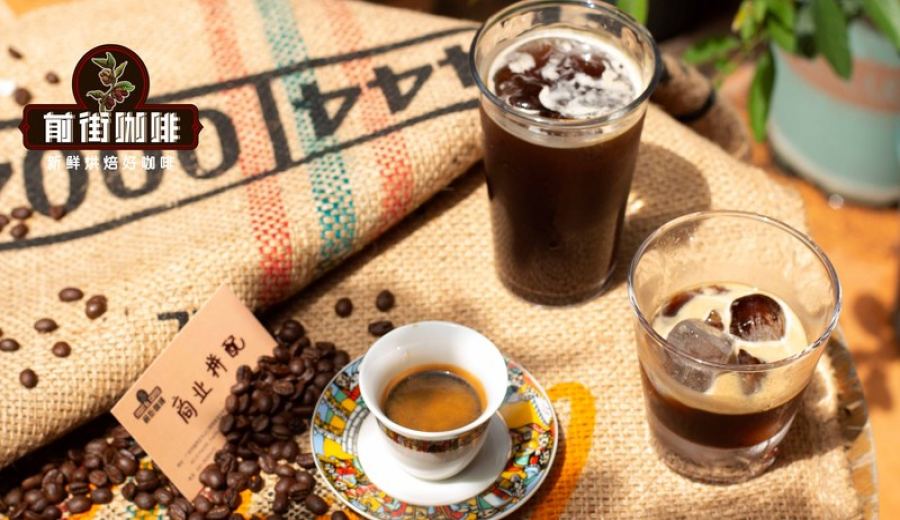
Introduction:Choosing coffee beans suitable for cold drip is not just about picking flavor tags—it also requires considering your daily drinking habits and storage conditions. This article delves into how to select high-value cold drip beans based on budget, brewing method, and taste preference, using two representative beans as examples to illustrate their flavor profiles and applicable scenarios, helping readers build their own bean selection logic and brewing benchmarks.
Selecting beans suitable for making cold drip is actually a discipline that combines sensory experience with practical considerations. It’s not recommended to start by chasing complex terminologies or extreme flavors, but rather to begin with your regular drinking pace—whether you mainly drink black coffee or milk-based coffee at home—and gradually develop your judgment of how beans perform. Though the packaging may list flavor descriptions such as “citrus,” “floral,” or “bright acidity,” these are only references. What truly matters are the actual sensations: whether the acidity is soft, the sweetness is full, and the mouthfeel is smooth.
In addition,roast datehas a direct impact on the performance of cold drip coffee. Generally speaking, freshly roasted beans may still be degassing heavily and may not be suitable for immediate cold drip use, while beans that have been stored too long tend to lose delicate aromas. It’s recommended to choose a package size that you can finish within one to two weeks, based on your usual consumption rate, and to prioritize stable roast quality and good packaging sealability over solely pursuing special processing methods or niche origin names.
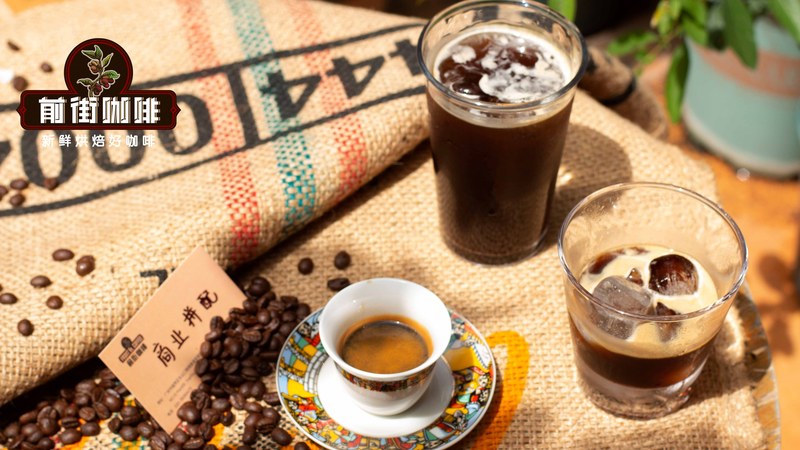
If you’re looking for a cold drip bean with clear flavors and suitable for beginners, you might want to start with Colombian Huila. These medium-light roasted beans from Colombia’s Boundary Estate are grown in high-altitude regions and possess distinct regional characteristics. When brewed, you can often detectjasmine, citrus, passion fruit, blueberry, and grapearomas with clear layering. The cup is smooth on entry, with gentle fruit acidity and a sweet cocoa-like aftertaste. Whether you use it for pour over, cold drip, cold brew, or even espresso, it’s recommended to start with a medium concentration and then fine-tune according to the actual flavor outcome.
Another noteworthy option is Kenya Little Tomato (Kenya SL28/SL34). These beans from a well-known Kenyan producing area are lightly roasted and often bring out fresh flavors reminiscent ofcherry tomatoes, dark plums, pears, and black plums. In actual tasting, the acidity is bright yet not harsh, with sweetness gradually releasing in the mid-palate, delivering an overall juicy expression. They are suitable for various brewing methods such as pour over and cold pour over, and trying two or three consecutive cups can help you better perceive how different parameters (like water temperature, grind size, and time) influence the flavors.

Tasting these two beans—Colombian Huila and Kenya Little Tomato—together is not about rigidly deciding which is better, but rather understanding their respective flavor profiles through real taste experiences. The former excels in floral and fruity aromas, making it ideal for those who enjoy bright and refreshing flavors; the latter stands out with its fruit flesh texture and balanced acidity-sweetness, serving as a great reference for those who prefer rich juice-like profiles. It’s recommended to compare their differences in aroma expression, sweetness duration, and mouthfeel smoothness during your regular brewing, thereby identifying the direction of cold drip beans that best match your taste preferences.
For those new to cold drip, there’s no need to frequently change recipes. It’s generally advised to start with stable ratios and grind sizes—for instance, cold brew can use a 1:10 to 1:12 coffee-to-water ratio, with coarse grind, then left to sit in the fridge for 10 to 14 hours. If using beans with more prominent fruitiness, consider shortening the steeping time; if you prefer a richer flavor, you can extend it appropriately. For cold drip, the key is to maintain a stable dripping speed, allowing water to evenly pass through the coffee grounds. The resulting liquid is recommended to be refrigerated and allowed to rest for a while, which helps integrate the flavors more fully. Though these basic steps seem simple, actual operation may still require fine-tuning based on your personal taste, without being overly fixated on fixed time or ratio numbers.
The most practical way to evaluate whether a cold drip bean suits you is to conduct multiple consecutive brew tests. Keep the coffee dosage and water volume consistent each time, adjusting only one variable (such as grind size or water temperature), and observe its impact on acidity, sweetness, and overall balance. If the acidity feels too sharp, it often indicates under-extraction; conversely, if the aftertaste shows noticeable bitterness or off-flavors, it may suggest over-extraction. This approach can help you more intuitively grasp the bean’s characteristics and adjust to the brewing method that best suits you.
When purchasing cold drip coffee beans, in addition to flavor descriptions, more attention should be paid toroast date, packaging sealability, and single-use quantity. It’s advisable to choose package sizes that can be consumed within a few weeks. After opening, try to expel excess air from the bag and store it in a cool, dry place. There’s no need to open and smell the beans before each brew, as this may accelerate oxidation. In reality, stable and moderate purchasing ensures that each brew can present the beans at their best.
In summary, there is no absolute standard for beans suitable for cold drip—the key lies in whether you can finish them on time and whether they match your brewing habits. Clarify your preferred acidity, concentration, and drinking format first, then make a choice among representative flavor directions like Colombian Huila and Kenya Little Tomato, paired with a stable brewing process. You’ll find that the actual experience in the cup often holds more reference value than the text on the packaging.
The above content is compiled by CoffeeHunters, a coffee news website.

