







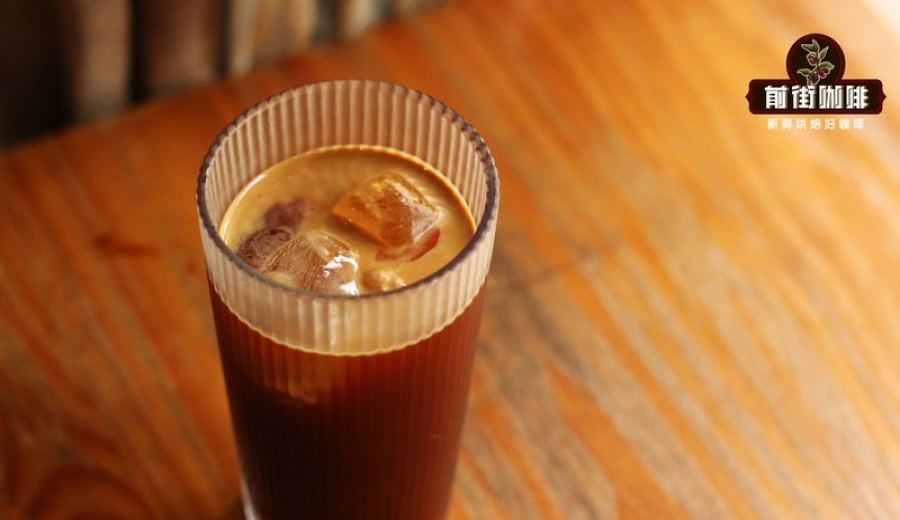
Introduction:Want to explore the charm of single-origin espresso (SOE) beans through pour over but don’t know where to start? This article delves into the practical selection logic for SOE pour overs — from daily consumption frequency and budget allocation to flavor preferences — helping you master key indicators such as the balance of acidity and sweetness, body thickness, and aftertaste upon cooling. Whether you're sharing with others or enjoying alone, you’ll find a bean and extraction method that suits your needs.
Many people think that choosing a suitable SOE (single-origin espresso) bean for pour over just requires memorizing a few well-known origin names, but in reality, when making everyday purchases, factors like how quickly you go through the beans, the quantity purchased each time, and whether you mainly drink black coffee or milk coffee at home matter more. What’s truly valuable as a reference is the balance of acidity and sweetness upon tasting, the richness of the body, and the aftertaste after the coffee cools down. By aligning these with your brewing habits, your range of choices will naturally become clearer.
If the coffee beans you purchase are meant for sharing with others, it’s recommended to prioritize SOE beans with a balanced acidity and sweetness that suit multiple brewing methods. From a daily drinking perspective, allocating your budget to ensure the freshness of the beans, stability of the roast, and suitable packaging is often more practical than blindly pursuing complex origin names. If you’re enjoying them on your own, you can try fruit-forward or dark-roast styles with more distinctive flavor personalities — these usually have more stable acceptance as well.
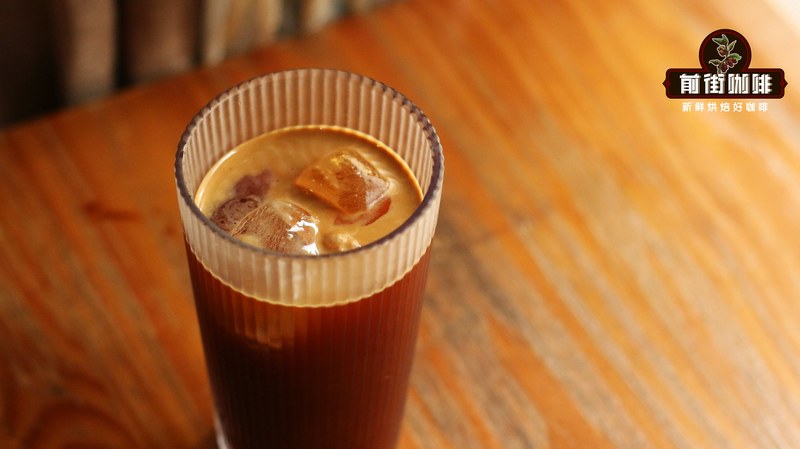
To understand how SOE coffee beans perform in pour over, you first need to grasp the definition of SOE: it emphasizes using single-origin or single-source coffee beans to make espresso, which is quite different from the approach of blending multiple beans to pursue stability and balance. If you’re choosing based on everyday drinking, you can first confirm whether the beans can showcase clear origin characteristics in their espresso form, and then observe whether they still maintain a distinct sweetness and aftertaste when made into Americano or with milk added.
When actually brewing SOE coffee beans via pour over, because the batch variation of single-origin beans is usually more noticeable than that of regular blends, grind settings may also change along with the beans’ rest time. It’s suggested to start with a common 1:2 coffee-to-water ratio for your first attempt, carefully noting the flow rate, acidity-sweetness balance, and flavor profile after the coffee cools. If you plan to add milk, pay extra attention to whether the fruit acidity still feels smooth when combined with milk. For everyday purchases, it’s advisable to start with a small package, determine your drinking frequency, and then decide the subsequent quantity to restock.
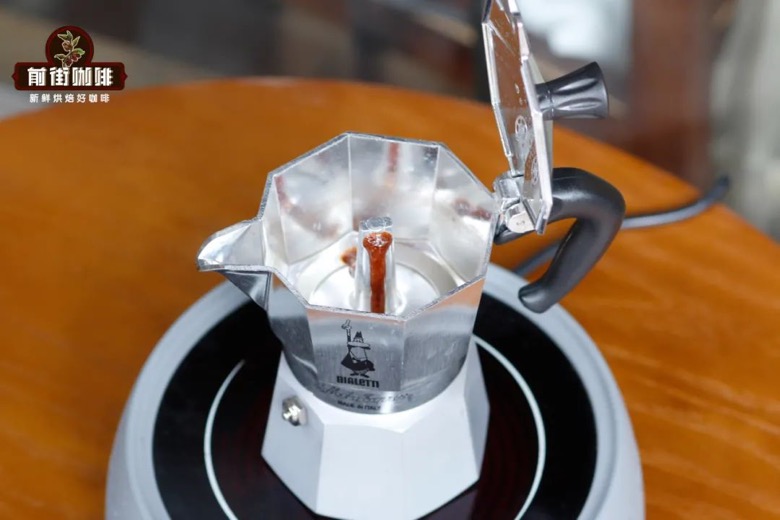
If you’d like to find an entry-level reference within the same flavor style, you might want to try a dark-roast bean from Indonesia’s Sumatra region. These beans often carry notes of herbs, dark chocolate, and spices, with low acidity, a full body, and a long-lasting aftertaste. They’re suitable for pour over, moka pot, espresso machines, or even making milk coffee. It’s recommended to start by sipping them as hot drinks, then observe the changes in aroma and the persistence of the aftertaste after the coffee cools.
Additionally, Brazilian Minas Gerais medium-dark roast beans can also serve as a practical reference. These beans typically present a flavor combination of nuts, cocoa, caramel, and soft sweetness, with gentle acidity in actual drinking, smooth entry, and more pronounced sweetness when milk is added. Whether for everyday pour over, using a moka pot, brewing Americano, or making milk coffee, they’re worth trying — and tasting two or three cups in a row makes it easier to observe how parameter changes affect flavor.
Comparing Sumatra dark-roast beans with Brazilian medium-dark roast beans isn’t about determining which is better, but rather understanding their respective flavor focuses. The former centers around herbs, dark chocolate, and spice notes, serving as one kind of flavor reference; the latter forms another flavor thread with its nuts, cocoa, caramel, and soft sweetness. For evaluating the pour over performance of SOE beans, comparing the differences between the two in aroma, sweetness, and texture can help you quickly clarify the flavor traits you most want to preserve.
Truly practical advice for SOE pour over should ultimately be verifiable in your own daily cup. Purchasing only what you can finish on time not only helps maintain the coffee’s aromatic state but also allows better control of your budget. Whether you choose a dark-roast or medium-dark-roast SOE bean, you can start with moderate extraction parameters, then make minor adjustments based on the actual acidity-sweetness-bitterness balance and aftertaste you taste, allowing the inherent characteristics of the beans to naturally shine through.
The above content is compiled by CoffeeHunters, a coffee news website.


