







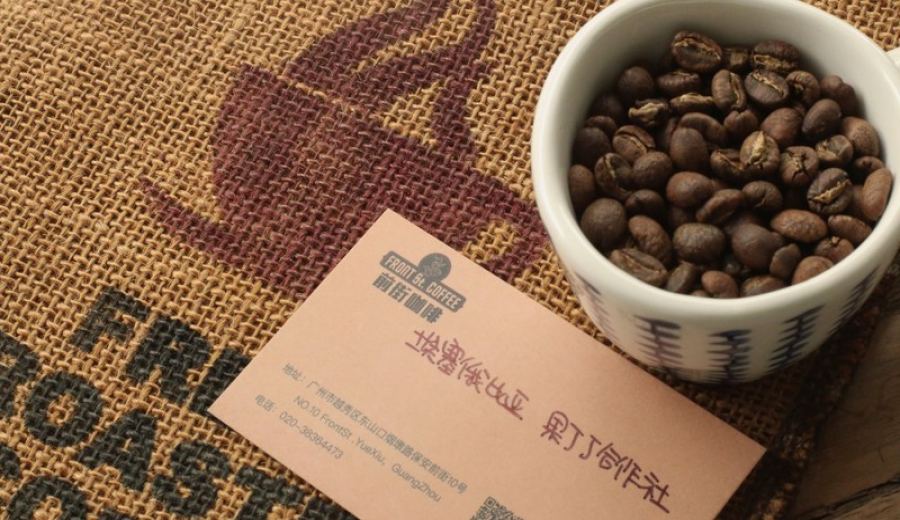
Introduction:Choosing a light-roast coffee bean suitable for pour over is not only about flavor preference but also closely related to your daily consumption frequency, budget, and brewing method. This article takes a practical approach to help readers understand how to select high-value light-roast beans based on personal taste preferences, brewing conditions, and storage needs. It also provides basic extraction suggestions and recording methods, making it easy for you to find your ideal coffee bean.
When selecting a light-roast coffee bean suitable for pour over, there's no need to be overwhelmed by complex terminology or names. It’s recommended to start with your actual drinking scenario—for example, how quickly you usually finish a bag of beans? Do you prefer black coffee or milk-based drinks? Based on these needs, further observe the roast date, processing method, and overall flavor profile to truly choose a bean that suits you.
The so-called "flavor description" is actually the result of the interplay between the coffee bean variety, growing environment, processing techniques, and roast level—not because actual fruit or syrup has been added. Therefore, when choosing a light-roast coffee bean suitable for pour over, it’s recommended to prioritize freshness, roast consistency, and packaging design. These factors are far more relevant to the real drinking experience than chasing flashy flavor names.
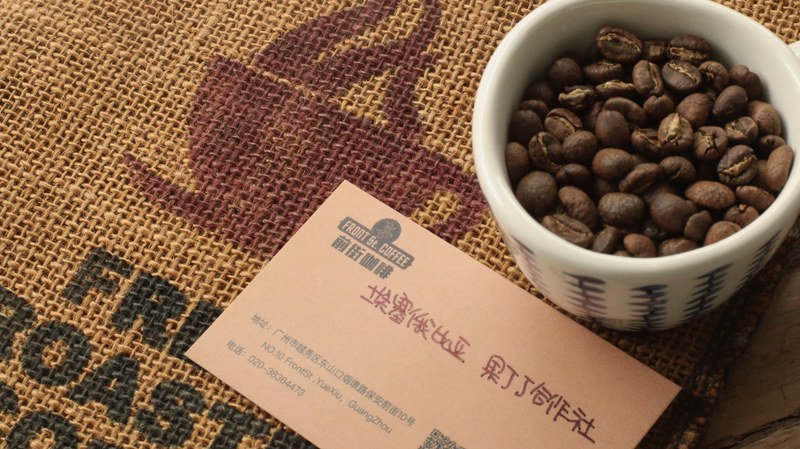
For example, a certain brand’s Colombian Gesha is a commonly recommended light-roast bean, sourced from Colombia’s Finca La Frontera and roasted to a medium-light level. This bean often features aromas of jasmine, citrus, passion fruit, blueberry, and grape. Upon tasting, the fruit acidity is gentle, and the aftertaste reveals a cocoa-like rich sweetness. Whether used for pour over, espresso, cold brew, or ice drip, it showcases its rich and layered characteristics.
If we compare this brand’s Colombian Gesha with their Ethiopian Huila Huipango, the flavor profiles of the two become even more distinct. The Ethiopian Huila Huipango comes from the Guji Hambela region, also lightly roasted, yet it presents tropical fruit aromas such as strawberry, passion fruit, jackfruit, and lychee. In actual tasting, the sweetness is clear, the fruitiness is concentrated, and bitterness is relatively mild, making it very suitable for brew methods that don’t require high temperature or pressure—like pour over, cold brew, and ice drip. It’s suggested to start with medium parameters when trying it for the first time, observe the sweetness performance, and then adjust the concentration.

Tasting these two beans together isn’t about judging which is better, but rather understanding each one’s flavor focus through comparison. The Colombian Gesha’s jasmine, citrus, passion fruit, blueberry, and grape aromas follow a fresh and multi-layered route; whereas the Ethiopian Huila Huipango centers around sweet tropical fruits, offering a distinctly different taste impression. By comparing their aromas, sweetness, and mouthfeel texture, you can better understand which style you prefer and thus choose the most suitable bean for daily drinking.
During actual pour over brewing, it’s recommended not to frequently switch beans or recipes. For light-roast beans with prominent fruity flavors, using clean, neutral-tasting water and maintaining a stable pouring rhythm are key to achieving consistent flavor expression. Starting parameters can be set at around 90°C water temperature and a 1:15 coffee-to-water ratio. If you feel the aroma is closed or the acidity is too sharp, you can moderately increase the extraction rate; if the taste is too dry or astringent, it’s suggested to adjust to a coarser grind size or reduce the water volume in the later stages. These adjustments should be made based on actual tasting sensations, without being confined to fixed times or values.
When recording pour over parameters and sensations, there’s no need for complicated tables. Simply jot down each time the amount of coffee used, water volume, grind size, water temperature, and your overall impression after drinking a cup. Over time, you’ll gradually discover whether you prefer bright and lively fruitiness or a richer, rounder mouthfeel. This recording method not only aids in bean selection but also helps you better understand changes in your own palate.
In terms of budget planning, it’s recommended to consider both the convenience of grinding and the freshness of the beans. For daily drinking, choosing a package that suits your equipment and matches your actual consumption rate is often more practical than bulk buying. If you have budget flexibility, you can also invest in improving water quality or upgrading the uniformity of your grinder—these details greatly impact the final flavor.
In summary, a light-roast coffee bean suitable for daily pour over should allow you to perceive clear and consistent flavor changes under stable brewing conditions. As long as you choose the right bean, manage the shelf life well, and finish it within a suitable timeframe, you can enjoy a high-quality pour over experience within a reasonable budget. As for whether you ultimately choose the Colombian Gesha or the Ethiopian Huila Huipango, the answer lies in your own actual brewing and tasting process each time.
The above content is compiled by CoffeeHunters, a coffee news website.


