








Introduction:When selecting coffee beans suitable for pour over brewing, it's important to consider both personal taste preferences and factors such as frequency of consumption and budget. This article will explore, based on real-world brewing experiences, how to choose the right beans by evaluating roast freshness, packaging type, and flavor characteristics. It also provides basic extraction parameters and flavor comparisons to help you find pour over beans that meet your daily needs.
The charm of pour over coffee lies in how it allows you to gradually develop a sharper sensitivity to flavors through the detailed brewing process. When purchasing pour over beans, start by considering your everyday drinking habits: how quickly do you usually finish a bag of beans? Do you prefer black coffee or do you often add milk? These factors directly influence the required freshness level and the choice of roast degree. While the flavor descriptions on the packaging can be a helpful reference, the final judgment should come from actual tasting — evaluating whether the acidity is balanced, the sweetness is lingering, and the mouthfeel is round and smooth.

Roast date is one of the key factors that affect pour over performance. It’s recommended to prioritize freshness, roast stability, and packaging design, rather than being swayed by complicated origin names or processing methods. Freshly roasted beans may still be in their degassing phase, and using them too early can negatively impact extraction; beans that have been stored for too long, on the other hand, are prone to losing aroma and vibrancy. Ideally, purchase an amount that you can consume within your regular drinking cycle to ensure the flavors are at their peak.
Using two pour over beans with distinctly different styles can help you more intuitively understand flavor differences. One example is a medium-dark roasted Yunnan Typica from the Baoshan growing region. Its foundational flavor profile includes citrus, caramel, nuts, chocolate, and brown sugar notes. In actual tasting, the sweetness is solid yet not overpowering, with a moderate body and a soft, smooth aftertaste. It is well-suited for everyday black coffee, pour over, or Americano. For first-time drinkers, it’s suggested to brew with medium parameters, then adjust concentration after observing the sweetness performance.
Another example is a light-roasted Yirgacheffe bean, originating explicitly from Ethiopia’s Yirgacheffe region. Its flavor features are dominated by citrus, berries, white floral notes, and a green tea-like aftertaste. It has a light and lively mouthfeel, with bright and clear acidity, and the sweetness becomes even more pronounced as the temperature drops. Whether you try standard pour over, iced pour over, or a refreshing style of black coffee, it’s worth experimenting with. Brewing two or three consecutive cups can help you observe how parameter changes influence flavor.
Comparing these two beans side by side isn’t about determining which is better or worse, but rather understanding the distinct flavor focus of each. The citrus, caramel, nuts, chocolate, and brown sugar notes of Yunnan Typica can serve as a reference for understanding full-bodied, rich-oriented flavors; the citrus, berries, white floral notes, and green tea aftertaste of Yirgacheffe showcase another possibility with bright acidity and a fresh character. By actually brewing and comparing the aroma layers, sweetness intensity, and mouthfeel texture of the two, you can more quickly identify the flavor direction that suits your personal preference.
For daily pour over brewing, there's no need to frequently change recipes. It’s advisable to start with basic parameters: 15 grams of coffee grounds with 225 milliliters of water, using a medium-coarse grind size, and water temperature controlled between 87 to 92 degrees Celsius. If a light-roasted bean tastes overly sour or thin, you can slightly adjust the grind to be finer or increase the water temperature; if bitterness or astringency is noticeable, then use a coarser grind and shorten the time for the later stages of pouring. This set of basic parameters should be flexibly adjusted according to your actual tasting experience — there’s no need to rigidly adhere to fixed numbers.
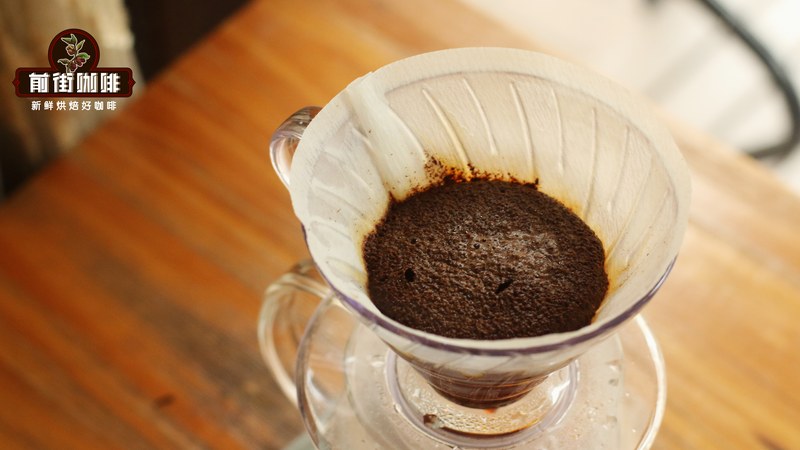
Conducting comparative brews with both hot and iced drinks can also deepen your understanding of flavors. In the hot state, aromatic molecules are more easily released, making the flavor layers more distinct; as the temperature drops, acidity and a refreshing sensation usually become more prominent. If you add milk, also observe whether cocoa, nut, or fruit tonalities can harmonize well with the milk’s flavor.
The storage of pour over coffee beans also impacts the final flavor. It’s recommended to plan according to your daily usage, seal the beans immediately after opening to prevent moisture, and grind them as close to brewing time as possible. If you’re tasting multiple types of beans at the same time, label the opening dates and prioritize drinking those whose aroma changes more rapidly. Remember, there is no one-size-fits-all standard answer for pour over coffee. As long as you can finish the beans within their freshness window, both the expression of aroma and cost-effectiveness will be more satisfying. Start by clarifying your preferred acidity, strength, and method of drinking, then select from beans with varying flavor profiles, paired with a consistent brewing technique. The real differences you taste in the cup often speak louder than the words on the packaging.
The above content is compiled by CoffeeHunters, a coffee news website.


