








Introduction:Brewing espresso-style coffee with a moka pot and then pairing it with milk foam to make a latte or cappuccino is often the first choice for many coffee enthusiasts. However, to achieve a well-balanced and smooth cup of coffee, it's essential to master some basic techniques — from bean selection and grind settings to milk frothing. This article will guide you through how to choose a coffee bean that suits your personal taste preferences, adjust moka pot extraction parameters, and pair it with milk foam to create your ideal coffee. Whether you're a beginner or an experienced home brewer, you'll find valuable insights here.
For those who are just starting to explore coffee, there’s no need to rush into collecting a wide variety of beans with different flavor profiles all at once. It’s recommended to start with a coffee bean that has a clear flavor profile and is more flexible in terms of brewing methods. Fix the amount of coffee grounds, grind size, and water temperature first, then observe the flavors on the palate, sweetness level, and the persistence of the aftertaste through actual brewing. Gradually establish your own flavor baseline.
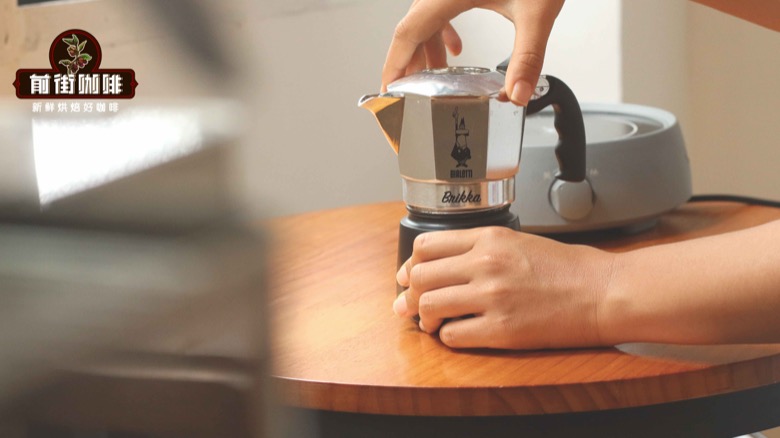
The moka pot is a brewing device that uses steam pressure generated by heating to extract coffee, which differs from the tamping method used in traditional espresso machines. When using it, you simply fill the coffee grounds into the filter basket without the need for additional pressing. It’s recommended to adjust the grind size slightly coarser than professional espresso grind to reduce the risk of over-extraction. The water level should be kept at the scale line on the pot body or below the safety valve, and the amount of coffee grounds should remain consistent each time. Use low heat; when you notice the coffee begins to flow continuously and the color lightens, turn off the heat immediately. This helps avoid the burnt bitterness caused by over-extraction.

Regarding the topic “How to pair a moka pot with milk foam to make a latte or cappuccino?”, it’s suggested to approach it from several angles: personal flavor preference, the equipment you use daily, preferred drinking temperature, and how often you drink coffee each day. For beginners, you can first clarify what matters most to you, then base your choices on that while considering other factors. This way, not only can you retain your individual taste inclination, but you also allow the beans to showcase their distinct characteristics in real usage.
A blend with a solid foundation of nuts and cocoa, along with both strength and body, usually performs consistently well in both moka pot brewing and milk-based coffee applications. For example, some classic blends demonstrate balanced and consistent performance whether brewed in an espresso machine, moka pot, or used for everyday milk coffee — making them highly suitable for users who are new to the moka pot.
There are also blends that focus on dark chocolate and roasted nuts. These beans typically offer noticeable sweetness and restrained acidity, performing well whether you’re brewing espresso, making Americano, or pairing with milk. If you prefer a smoother, milder coffee without strong acidity, you might opt for beans with a clean and rounded texture, similar to the Blue Mountain style — they’re easier on the palate and less heavy.
The actual performance of coffee beans depends not only on their inherent flavor characteristics but also closely relates to roast date and storage methods. It’s advised to seal the beans properly after opening, store them in a cool and dry place, and purchase an appropriate quantity based on your actual consumption needs. This helps you observe more clearly how the beans’ flavors change over time. Before brewing, you can first smell the dry aroma of the coffee grounds, then taste the flavors on the palate, sweetness, and aftertaste. If you find the aroma lacking, first check if the grind is too fine or if the beans have been stored for too long. Additionally, the same beans may perform differently when served hot, iced, or with milk. Recording a few different parameter sets can help you find your ideal cup more quickly.
Before adjusting parameters, it’s recommended to first confirm your preferred flavor type and the extraction intensity you can tolerate. For instance, beans with floral and fruity notes often require stricter control over water temperature, grind size, and pouring rhythm, needing more precise handling. In contrast, blends centered on nuts and cocoa usually yield more stable results and are suitable for everyday quick use. If you’re brewing for family members to share, you might prioritize a neutral, balanced bean as a base, then add single-origin beans with different characteristics based on personal taste. This allows for clearer comparisons compared to buying multiple beans with similar styles all at once.
In the initial stage, it’s advisable to set the coffee-to-water ratio based on the pot’s capacity and simply level off the coffee grounds on the surface. If the overall flavor turns out too bitter after brewing, try lowering the heat, stopping the brew earlier, or slightly coarsening the grind. If the flavor feels weak, check if the amount of coffee is sufficient or if there’s any air leakage from the rubber gasket. This makes adjustments more purposeful.
If the equipment you use at home, your drinking habits, or flavor preferences often change, it’s recommended to categorize your coffee beans into everyday beans and exploration beans: one for maintaining stable cup profiles, the other for experiencing different fruit, nut, cocoa tones or processing methods. Once a bean has been fully tasted, switch to another with a different roast degree or processing method. This allows you to gain a richer coffee experience through comparison.
The above content is compiled by CoffeeHunters, a coffee news website.

