







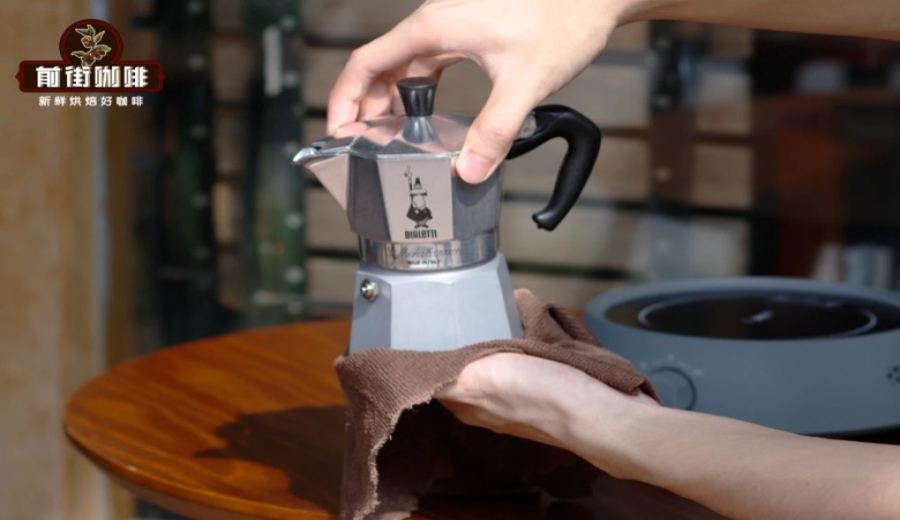
Introduction:The Moka pot is the go-to brewing method for many coffee enthusiasts just starting out. But with single-valve and double-valve designs available, it’s often hard to decide which one to choose. This article delves into the principles of steam pressure to analyze how the two valve types influence extraction rhythm and flavor expression, and provides a complete operation guide covering roast level, grind size, and heating techniques — helping you find the most suitable Moka pot type based on your drinking habits.
The roast level of coffee beans directly affects the direction of its flavor and extraction performance. Light roasts preserve bright acidity and floral-fruity aromas, making them ideal for those who prefer a refreshing taste; medium roasts showcase sweetness and balanced flavors, making them the everyday choice for most people; dark roasts deliver intense nutty, cocoa, and full-bodied profiles, catering to those who enjoy bold flavors. These three roast directions have no absolute superiority or inferiority — the key lies in how well they pair with the brewing method.
The core of using a Moka pot lies in understanding its steam-pressure extraction mechanism. When filling the coffee grounds, make sure the filter basket is full but not tamped down. The grind size should be slightly coarser than that used for espresso, and the water level should align with the scale markings on the pot body or the lower edge of the safety valve. Use a fixed amount of coffee. Heat gently with a low flame, and closely observe the extraction process: once the coffee begins to flow continuously and its color lightens, turn off the heat immediately. This step helps prevent over-extraction and reduces the production of bitterness and burnt flavors.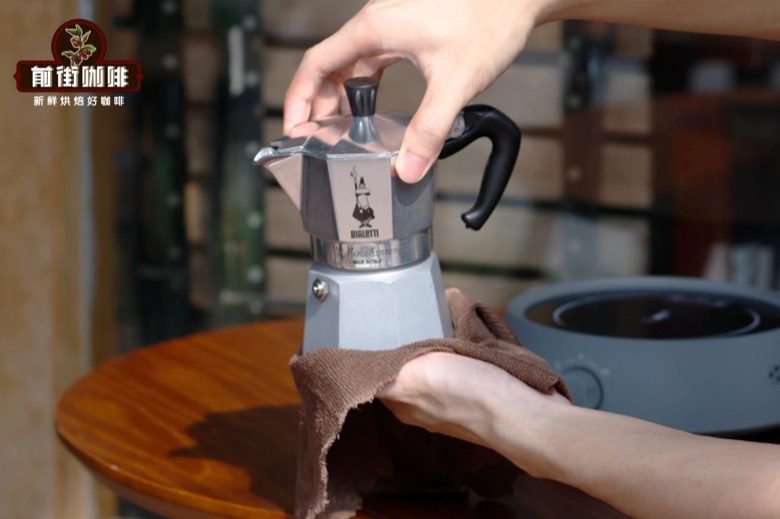
When discussing “the differences and selection between single-valve and double-valve Moka pots,” it’s advisable to break it down from several practical aspects: your personal flavor preference, the brewing devices commonly used at home, your desired coffee temperature when drinking, and how frequently you brew each day. Clarify your top priorities first, then consider other factors to make your selection. This way, you can both retain your individual taste preferences and allow the coffee beans to showcase their distinct characteristics during brewing.
The coffee-to-water ratio for a Moka pot should be adjusted according to the pot’s capacity. After filling the coffee grounds, simply level the surface by gently scraping it. If you find the brewed coffee too bitter, try reducing the heat, turning off the heat earlier, or using a coarser grind. If the flavor is too light, check whether the coffee dose is sufficient and ensure the pot’s gasket is in good condition. Adjusting in this order usually yields more targeted results.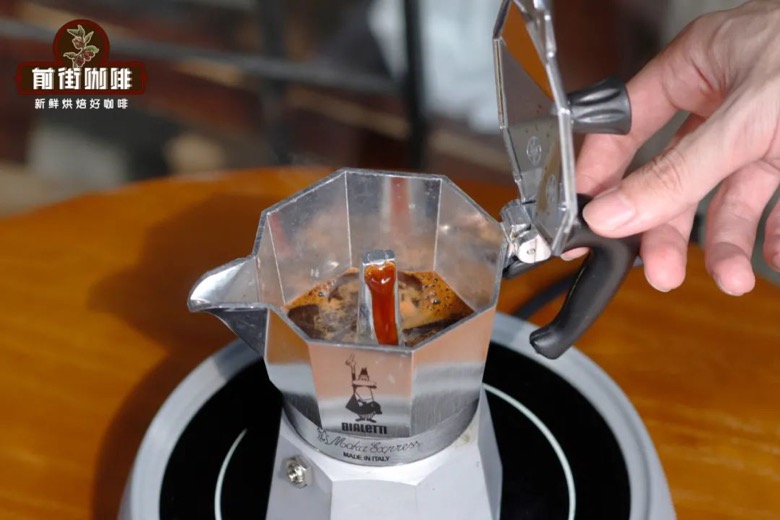
In addition to valve design, extraction results are also influenced by several parameters. Always use a low flame when heating to allow steam pressure to build up gradually, avoiding high temperatures that lead to over-extraction. During extraction, the coffee liquid should appear amber-colored with a steady flow rate. If it flows too quickly or too slowly, it may be related to the grind size, coffee dose, or heat level. Moreover, clean your Moka pot promptly after use to prevent residual coffee oils from affecting the flavor of subsequent brews.
Flavor preference and brewing difficulty should be considered separately. Coffee beans with prominent floral and fruity notes usually require more precise control over water temperature, grind size, and pouring rhythm. In contrast, blends based on nutty and cocoa profiles offer relatively stable flavor expression, making them suitable for everyday drinking. If there are household members with different taste preferences, it’s recommended to have a well-balanced medium-roast bean as a base, then add single-origin beans according to personal taste — this makes it easier to clearly compare the differences among various flavors.
Whether you choose a single-valve or double-valve Moka pot, the key is to understand its operating principle and adjust the appropriate parameters. Single-valve designs are suitable for users seeking traditional, strong flavors, while double-valve designs can further increase extraction pressure, bringing out richer layers of flavor. Through continuous experimentation and adjustment, you’ll be able to find the Moka pot and brewing method that best suit your taste.
The above content is compiled by CoffeeHunters, a coffee news website.

