







Introduction:When using a moka pot to brew coffee, how full should the coffee bed be? Do you need to tamp? And with how much pressure? These questions may seem simple, but they directly affect the extraction results and flavor profile. This article will explore practical aspects such as dose control, whether or not to tamp, and adjusting heat, and will also discuss how to choose the right coffee beans based on your personal taste preferences. Whether you’re a beginner or an experienced coffee enthusiast, you’ll gain key insights into mastering moka pot brewing.
Many people tend to limit their perception of coffee flavors to a binary contrast between acidity and bitterness. In reality, a cup of coffee encompasses a rich variety of characteristics, including aroma, sweetness, body, mouthfeel, and aftertaste. It’s recommended that when selecting beans, you first clarify your preferred flavor direction—such as floral-fruity profiles, the richness of nuts and cocoa, or a balanced combination of both—and then further consider regional characteristics, processing methods, and roast levels. Only then can you more accurately find the coffee that suits you best.
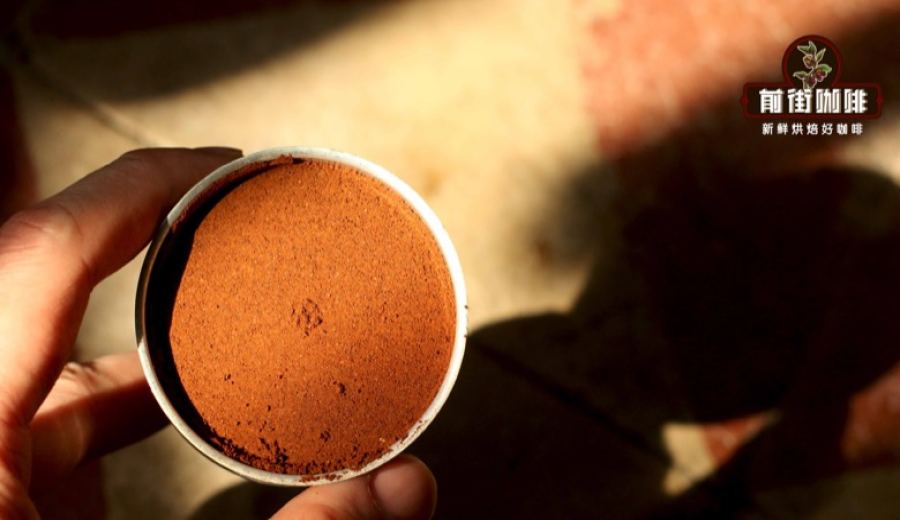
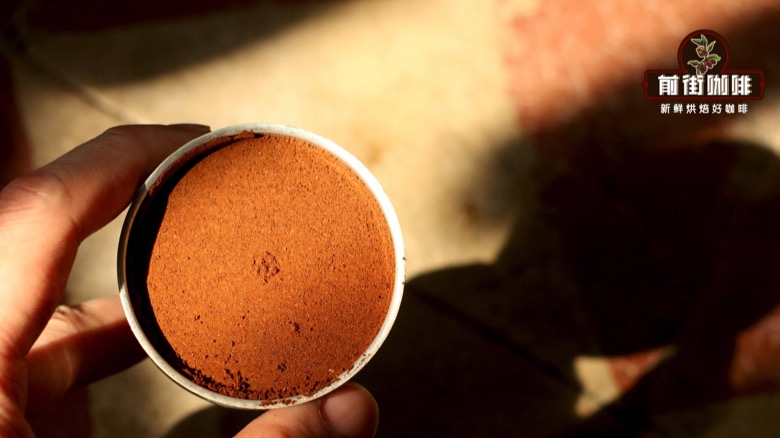
As a brewing device that uses steam pressure for extraction, the moka pot has specific requirements for how the coffee bed is prepared. The coffee bed only needs to be lightly filled to the top of the filter basket,and does not require tamping.Over-tamping can actually hinder water flow and affect extraction evenness. It is recommended to use a grind size slightly coarser than espresso grind, and to control the water volume according to the markings on the moka pot or the position of the safety valve. Keep the coffee dose consistent to ensure uniform extraction conditions each time.
For common questions like “How full should the coffee be in a moka pot? Should you tamp? How hard?” these can be broken down and considered from several angles: including your personal flavor preferences, the type of brewing device you usually use, the desired serving temperature of the coffee, and how often you brew daily. It’s advisable to first clarify what matters most to you, and then make a comprehensive selection based on other factors. This way, you can not only preserve your personal taste preferences, but also allow the coffee beans to display their unique characteristics more clearly during actual brewing.
For example, a certain brand’s PWN Indonesian Golden Mandheling features herbal and dark chocolate notes with a full-bodied texture and low acidity, making it especially suitable for dark roast lovers. Whether using a moka pot or brewing Americano-style coffee, it delivers a consistently rich profile. On the other hand, the same brand’s Brazilian Queen Estate offers a sweet foundation of nuts, cocoa, and caramel, with restrained acidity. It performs well in pour over, espresso machines, or moka pots, all yielding a smooth and rounded cup.
Additionally, the brand’s classic blend is also a reliable and stable choice. With a flavor profile dominated by nuts, cocoa, and caramel, it offers both strength and body, performing well whether used with an espresso machine, moka pot, or even when milk is added for a daily milk coffee.
Beyond flavor itself, there are two other key factors worth noting: first is the roast date—opt for freshly roasted beans and store them properly in an airtight container in a cool, dry place after opening; second is storage method—it’s recommended to purchase based on your daily consumption to avoid flavor loss due to prolonged storage. Before brewing, you can first smell the dry fragrance, then assess the sweetness and aftertaste upon tasting. If the aroma is weak, check whether the grind is too coarse or if the beans have been stored for too long. Moreover, the same beans may yield very different flavor profiles when served hot, over ice, or with milk. It’s advisable to experiment multiple times and record parameters to find the cup flavor that suits you best.
In fact, flavor preference and brewing difficulty can be considered separately. Beans with floral and fruity profiles typically require more precise adjustments to water temperature, grind size, and pouring rhythm, making them suitable for users who are flavor-driven and willing to fine-tune. Meanwhile, blends dominated by nuts and cocoa offer relatively stable performance and are ideal for everyday quick brewing. For households with multiple users, it’s a good idea to select one balanced-flavor bean as a daily base, supplemented by other single-origin beans to satisfy individual preferences. This approach is more conducive to comparison and experience than hoarding multiple beans with similar flavor profiles all at once.

Regarding practical operation of the moka pot, it’s recommended to adjust the coffee-to-water ratio based on the pot’s capacity. Generally, filling the coffee powder level with the top of the filter basket is sufficient—there’s no need to pile it higher. If you find the brewed coffee too bitter, first consider reducing the heat, shutting off the heat earlier, or slightly coarsening the grind. Conversely, if the flavor is too light, first check whether the coffee dose is adequate and whether the pot’s gasket is functioning properly.
Finally, a reminder: when your equipment, drinking habits, or flavor preferences change, you might want to categorize your coffee beans into two types: daily staples and exploratory picks. One type ensures consistent results with every brew, while the other allows you to explore unique flavors brought by various floral-fruity notes, nut-cocoa profiles, or different processing methods. Start by broadly selecting types you like based on flavor direction, then take the time to savor the specific aromas and textures of individual beans. This comparative approach will be more precise and will enrich your overall coffee experience.
The above content is compiled by CoffeeHunters, a coffee news website.

