







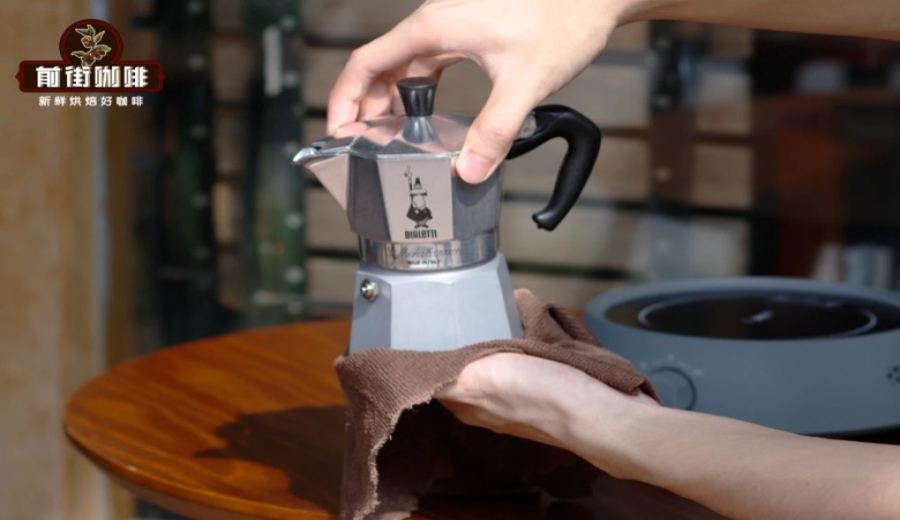
Introduction:When brewing coffee with a Moka pot, selecting the heat source and pairing the right coffee bean variety are key factors that influence flavor expression. This article delves into the suitable heating methods for Moka pots, including the practical differences between open flame, induction cooktops, and halogen stovetops, and provides a logical approach to bean selection—starting from aroma, sweetness, and body—to help you find the most suitable coffee beans and brewing strategy based on your personal preferences, thereby enhancing the depth of each cup.
The flavor of a good cup of coffee is not just about the contrast between acidity and bitterness. The layers of aroma, the persistence of sweetness, the rich mouthfeel, the tactile sensation in the mouth, and the expression of aftertaste together create a complete taste experience. When selecting coffee beans, it’s recommended to first clarify which type of flavor profile you prefer—such as floral and fruity notes, the richness of nuts and cocoa, or an overall balanced expression—and then further refine your choice based on three aspects: origin, processing method, and roast level.
The extraction principle of a Moka pot relies on the steam pressure generated by heating to push water through the coffee grounds. When filling the coffee grounds, simply fill the basket without additional tamping. The grind size should be slightly coarser than that used for espresso, and the water volume should be based on the water level markings on the pot or just below the safety valve. The amount of coffee grounds used each time should also remain consistent to ensure stable extraction. During heating, it’s recommended to use low heat and closely monitor the extraction process: when the coffee begins to flow out steadily and the color gradually lightens, you should immediately remove it from the heat. This can effectively reduce the bitterness and burnt sensation caused by over-extraction.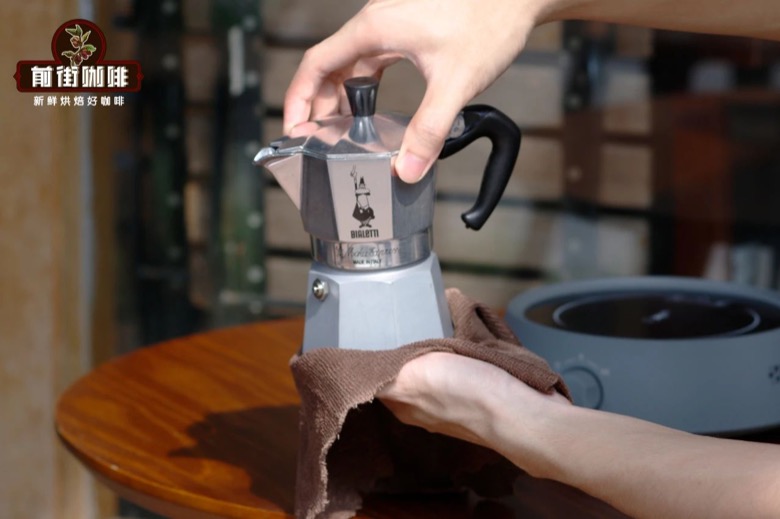
For the common question “What kind of heat should a Moka pot use? Can it be used on an open flame, induction stove, or halogen stove?” we can evaluate it from several practical aspects: including your preferred flavor profile, the heating appliances commonly used at home, the desired drinking temperature, and how often you brew daily. If you want to more precisely control the flavor layers, you can first clarify which element matters most to you, and then make a selection based on your actual usage conditions. This way, you can not only preserve your personal taste preferences but also allow the coffee beans to showcase clearer and more distinctive characteristics during brewing.
For example, a Papua New Guinea Paradise Bird coffee from a certain brand exhibits a clean, rounded, and gentle sweetness, with an overall flavor profile similar to traditional Blue Mountain-style coffee. It’s a highly worthwhile bean for users who prefer low acidity and seek a balanced taste.
On the other hand, Indonesia’s Golden Mandheling is characterized by herbal notes, dark chocolate flavors, and a rich body, with relatively low acidity. It’s especially suitable for dark roast enthusiasts, and whether brewed using a Moka pot or prepared as Americano, it can deliver a steady and robust flavor performance.
Additionally, the beans from Brazil’s Queen Estate are dominated by nutty, cocoa, and caramel sweetness, with a mild and unassertive acidity. They are suitable for various brewing methods such as pour over, espresso machines, or Moka pots, and their rounded mouthfeel remains consistent across different brewing techniques.
Besides flavor characteristics, the roast date of the coffee beans and how they are stored will also directly affect the final extraction performance. It’s recommended to store the beans in a cool, dry place after opening, keeping them sealed to prevent oxidation, and to purchase according to your usual consumption amount. This makes it easier to track the flavor transformation process. During actual brewing, you can start by smelling the dry fragrance and then carefully savoring the sweetness and aftertaste upon tasting. If you feel the aroma is lacking, you can first check whether the grind size is too coarse or if the beans have been stored for too long. Moreover, the same coffee beans may present distinctly different flavor emphases under different brewing methods (e.g., hot drink, iced, or with milk). Recording different parameter combinations can help you find the cupping method that suits you best.
When using a Moka pot, it’s recommended to separate the consideration of “the flavor you want to achieve” from “the effort you’re willing to put into brewing.” Generally speaking, beans with pronounced floral and fruity aromas usually require more attention to water temperature control, grind size, and pouring rhythm. In contrast, blends leaning toward nutty and cocoa profiles, due to their higher stability, are more convenient for daily drinking. If there are multiple people drinking at home, it’s advisable to first choose a flavor-balanced bean as a base option, then add single-origin beans with different characteristics based on personal preferences. Compared to buying multiple beans with similar styles at once, this allows for clearer comparisons of their differences.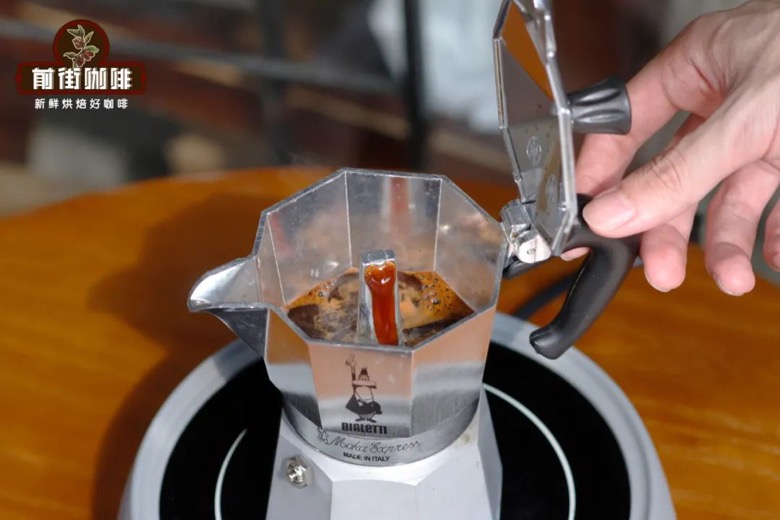
Regarding the setting of the coffee-to-water ratio, it’s recommended to adjust according to the actual capacity of the Moka pot, filling the coffee grounds layer flat without tamping. If the brewed coffee tastes overly bitter, you can first adjust the heat source—use a smaller flame and extinguish it earlier. If adjustments still don’t yield satisfactory results, then consider slightly increasing the grind coarseness. Conversely, if the coffee tastes too weak, check whether the coffee grounds are filled in sufficient quantity and whether the pot’s sealing ring is aged or loose, as these factors may affect extraction efficiency.
Finally, as your personal drinking habits, equipment usage, and flavor preferences change, it’s recommended to categorize coffee beans into two main types: “daily stable options” and “exploratory trial options.” The former focuses primarily on consistent brewing results, while the latter allows you to focus on experiencing different flavor directions—such as floral and fruity notes, nutty and cocoa profiles, or the differences in special processing methods. By first establishing your flavor direction and then further comparing the aroma and taste performance of each bean, you can better align with the needs of your actual daily drinking and enjoy the diverse coffee experiences brought by the Moka pot.
The above content is compiled by CoffeeHunters, a coffee news website.

