







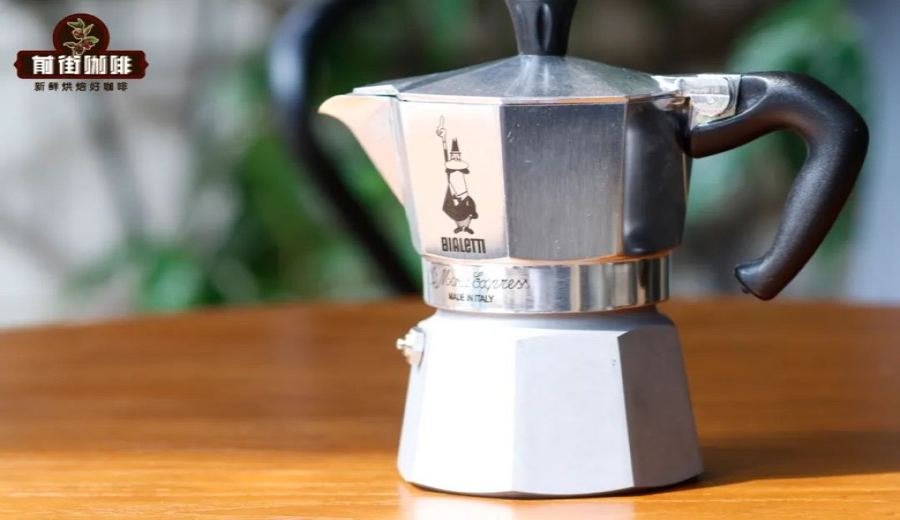
Introduction:When using a Moka pot to brew coffee, it’s common to encounter issues such as overly bitter, sour, or burnt-tasting coffee. In fact, these problems are often related to extraction parameters, bean variety selection, and storage methods. This article will delve into practical details such as grind size, heat control, and water volume settings, and offer suggestions for selecting beans with different flavor profiles. It will help you consistently brew balanced and layered coffee, while also allowing you to explore new bean flavors and find your own personal coffee balance.
The flavor profile of coffee is far richer than just simple acidity and bitterness—it also includes aroma, sweetness, body, mouthfeel, and aftertaste. When choosing coffee beans, it’s recommended to first clarify your preferred flavor direction, such as whether you lean toward floral and fruity notes, the richness of nuts and cocoa, or a balanced flavor that combines both. Then, further narrow down suitable beans based on origin, processing method, and roast level.
The Moka pot operates based on steam pressure for extraction, so the coffee grounds only need to be evenly filled in the filter basket without applying additional pressure. It is recommended to use a grind size slightly coarser than that for espresso. The amount of water added can be referenced by the water level markings on the pot or kept just below the safety valve. Try to maintain a consistent amount of coffee grounds to ensure uniformity in each extraction. When heating, it’s best to use low heat. Once you observe the coffee beginning to flow out continuously and the color gradually lightening, you should immediately turn off the heat. This effectively prevents the development of strong bitterness and burnt notes caused by overheating.
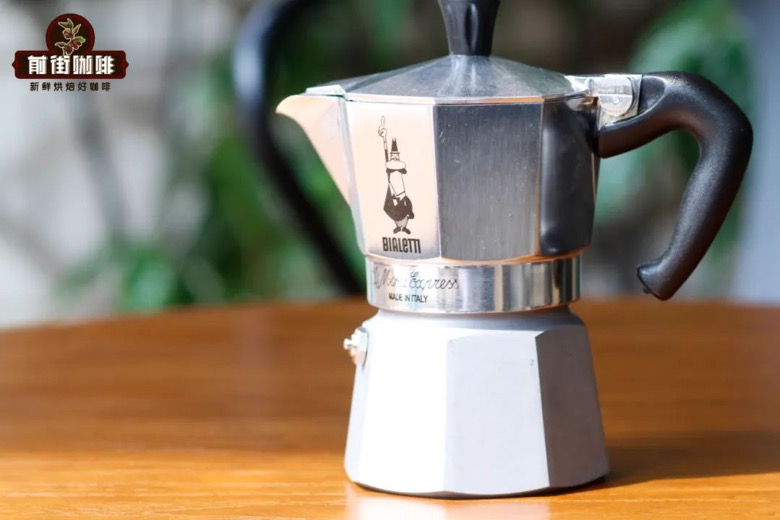
For the common question “Why is my Moka pot coffee too bitter/too sour/has a burnt taste?”, you can break it down and think from several angles: personal flavor preference, the type of brewing device you usually use, the temperature at which you drink the coffee, and how often you brew daily. It’s recommended to first identify which flavor characteristic matters most to you, then filter your choices through other conditions. This not only preserves your individual taste preferences but also allows the selected coffee beans to display their characteristics more clearly during actual brewing.
For example, a brand’s Black Cocoa blend highlights the main notes of dark chocolate and roasted nuts, with noticeable sweetness and rich layers, and relatively low acidity. It performs very steadily whether used as an espresso base, brewed as Americano, or paired with milk to make milk coffee. Meanwhile, the brand’s Papua New Guinea Bird of Paradise is based on a clean and rounded mouthfeel, with soft sweetness and a flavor texture close to that of Blue Mountain-style coffee—suitable for those who prefer low acidity and seek a balanced taste. Additionally, the brand’s PWN Indonesian Golden Mandheling features unique herbal aromas and a rich dark chocolate tone, with a full and solid mouthfeel. Its acidity is well controlled, making it highly suitable for dark roast lovers, and ideal for brewing with a Moka pot or for making Americano.
Bringing the beans home is just the first step. The roast date and subsequent storage methods will continue to affect the coffee’s performance. It’s recommended to seal the coffee beans properly after opening and store them in a cool, dry place. The purchase quantity is best matched to your daily consumption to help monitor flavor changes. Before each brew, you can first smell the dry aroma of the beans, then try the sweetness and aftertaste in the cup. If you find the aroma performance is not as expected, you can first check whether the grind size is appropriate or if the beans have been stored for too long. Furthermore, the same beans may present completely different profiles under different brewing methods (e.g., hot drink, iced, with milk). It’s recommended to record the results of several different parameter and brewing combinations, gradually finding the combination that best suits your taste.

For households with multiple drinking habits or members with varying tastes, it’s recommended to categorize coffee beans into “daily stable options” and “exploration varieties”: the former provides a stable and balanced coffee experience, while the latter can be used to try different flavor directions, such as floral and fruity notes, nutty and cocoa profiles, or unique traits of various processing methods. By first doing a preliminary screening based on flavor direction, and then further comparing aroma and mouthfeel, your daily drinking and exploration process can become more directed. This is also more conducive to comparison and evaluation compared to buying a large quantity of beans with similar styles all at once.
Finally, a reminder: the roast date is a key indicator for judging the freshness of coffee beans, while storage methods are an important aspect of maintaining flavor stability. It’s recommended to expel excess air from the bag and reseal it tightly after each opening, and to store it in a cool, dry place. The purchase quantity should also be based on your daily consumption. Only in this way can the flavor performance of each cup of coffee remain more consistent and satisfying. By adjusting the grind size, heat control, extraction timing, and pairing with suitable bean choices, you’ll gradually master the brewing techniques of the Moka pot, avoid the troubles of bitterness, acidity, and burnt taste, and enjoy a stable and layered coffee experience.
The above content is compiled by CoffeeHunters, a coffee news website.

