







Introduction:Choosing the right pour over coffee beans not only improves extraction efficiency but also highlights unique flavor profiles. This article delves into the characteristics of beans from different regions, processing methods, and roast levels, along with practical advice on water temperature, grind size, and pouring techniques to help you find the most suitable beans based on your personal preferences. Whether you’re a beginner or a detail-oriented brewer, you’ll be able to master the perfect combination of beans and brewing methods.
Roast level is one of the key factors influencing a coffee’s flavor direction. Light roasts often feature pronounced floral and fruity aromas with vibrant acidity, making them ideal for those who enjoy a fresh taste; medium roasts showcase rich sweetness and overall balance, suiting most daily consumption needs; dark roasts emphasize nutty, chocolatey, and full-bodied flavors with a steady structure and long aftertaste. However, there is no absolute hierarchy of good or bad—what matters most is choosing wisely based on your drinking habits and preferences.
During the pour over process, the actual performance of a coffee bean depends not only on its origin, variety, and processing method, but is also closely related to its roast level. Additionally,water temperature, grind coarseness, and pouring rhythm—all brewing parameters—can significantly affect the release sequence and layering of flavors. Relying solely on the bean name often doesn’t provide a complete understanding of its characteristics. It is recommended to evaluate from multiple dimensions to more accurately find the beans that suit you best.
If you want to create a practical “pour over coffee bean selection list,” it’s advisable to start with several practical considerations: What type of flavors do you prefer? What brewing equipment do you usually use? What are your preferred drinking temperature and daily consumption frequency? Starting with the roast level, identify one or two elements that matter most to you, then further refine your choices through other criteria. This approach allows you to more precisely find beans that meet your needs while preserving each bean’s unique personality.
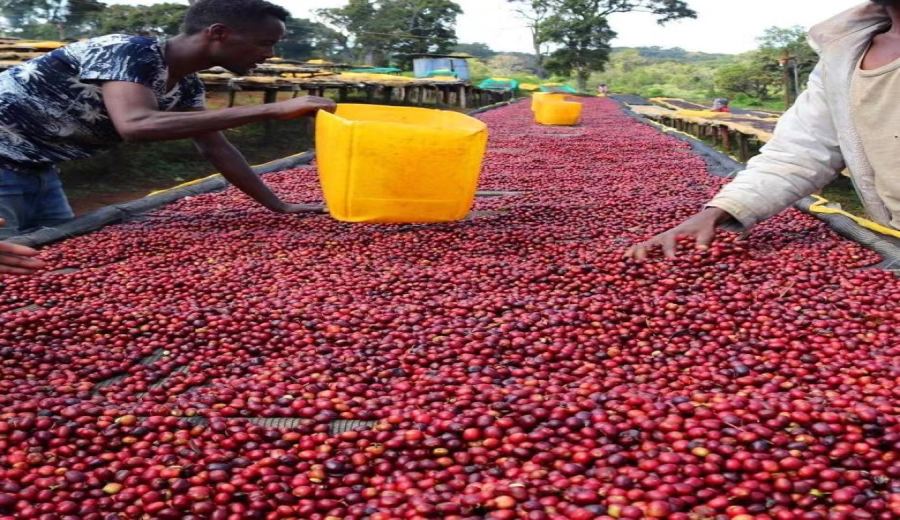
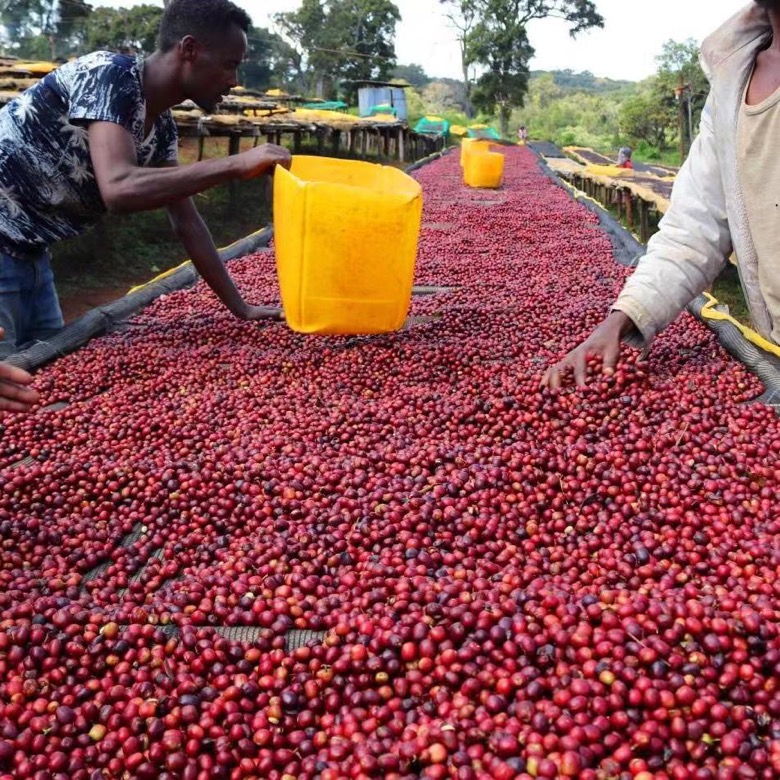
For example, a certain brand’s Grana Estate Geisha, processed using the natural method, highlights intense tropical fruit flavors, including orange blossom, guava, apricot, and strawberry jam, offering a clear progression of aroma and taste when brewed with pour over.Suitable for drinkers who prefer strong fruit flavors and are willing to take the time to appreciate the layers.。
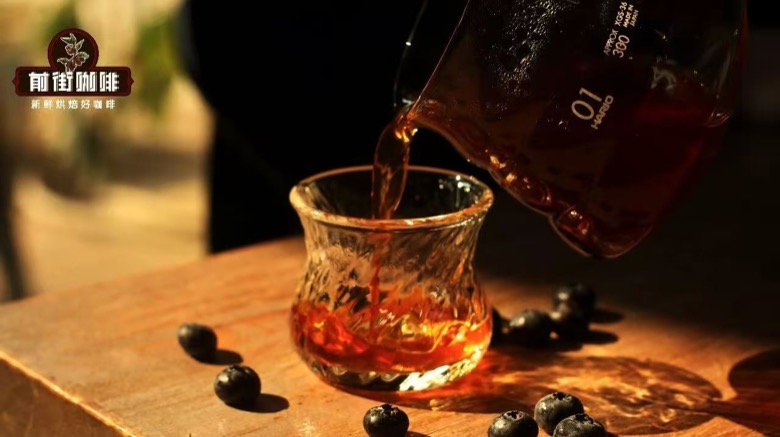
Another example is a certain brand’s Colombian Sidra, which combines elements such as passion fruit, blueberry, grape, and apricot, delivering an overall juice-like, refreshing taste. It’s particularly well-suited for cold pour over, cold drip, or as a Single Origin Espresso (SOE). Its bright acidity and clear fruitiness perform exceptionally well under cold brewing conditions.
Meanwhile, a certain brand’s Panama Finca Esmeralda Red Label Geisha exhibits a fragrance progression from jasmine and bergamot, to citrus and black tea, with a clean and delicate taste. It’s a bean ideal for savoring slowly and mindfully,especially during pour over, where you can clearly capture the subtle changes in each layer of aroma.。
Beyond flavor itself, factors that affect the final cup include roast date and storage method. Freshly roasted beans typically enter their optimal flavor window 7–21 days after roasting. It is recommended to seal them properly after opening, store them in a cool and dry place, and purchase according to your daily consumption to avoid prolonged storage leading to flavor loss. When brewing, start by smelling the dry fragrance, then taste the flavors, sweetness, and aftertaste. If you feel the aroma is lacking, first check whether the grind size is appropriate and if the beans have passed their peak freshness.
In actual brewing, different processing methods and roast styles also bring distinctly different drinking experiences. For instance, hot drinks fully showcase aroma and acidity, adding ice highlights sweetness and layering, and adding milk softens acidity while enhancing body. It is recommended to record each brew’s parameters, including water temperature, grind size, and pouring speed, gradually finding the cup size and brewing combination that suits you.
For those new to pour over, it’s recommended to separate “flavor preference” from “brewing difficulty.” Beans with prominent fruity flavors often require more precise control over water temperature, grind size, and pouring rhythm, making them better suited for advanced enthusiasts to explore in depth; whereas beans leaning toward nutty and cocoa profiles are usually more stable and easier to handle, making them ideal for daily drinking. If multiple family members are sharing the coffee, consider selecting a balanced medium roast as a base, then adding single-origin beans of different styles based on individual preferences. This makes it easier to compare and appreciate the differences between each bean.
In practice, you can treat the powder-to-water ratio and total pour volume as fixed variables, starting withgrind size as the main adjustment toolto gradually find the optimal extraction balance point. If you experience sharpness or over-extraction, check whether the grind is too fine or the extraction time too long; if dryness or astringency appears at the end, try reducing agitation or shortening the contact time between coffee grounds and water. Remember, pour over is a technique that requires patient observation and gradual adjustment—changing just one variable at a time helps you more accurately understand the bean’s feedback.
Finally, if your brewing equipment, drinking habits, or taste preferences change over time, consider dividing your beans into two categories: “daily staples” and “exploration picks.” This way, you can ensure the consistency of your daily brews while continuously experiencing surprises brought by different regions, processing methods, and roast styles. Once you’ve determined your preferred roast direction, simply fine-tune grind size, water temperature, and extraction time to more efficiently find each bean’s optimal expression.
The above content is compiled by CoffeeHunters, a coffee news website.


