







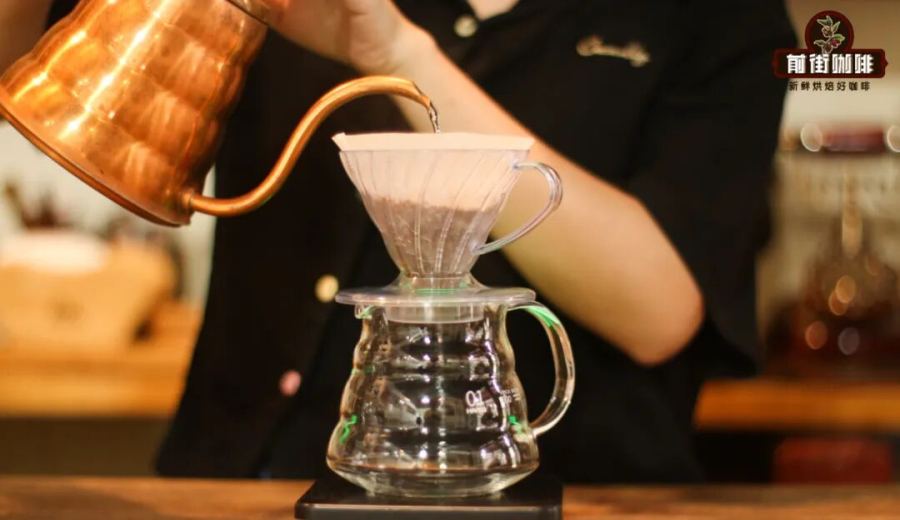
Introduction:The bright fruity acidity of light-roast coffee beans is a favorite among many coffee enthusiasts, but why does home pour-over often result in sharp, sour bitterness and a lack of sweetness? The key issue is under-extraction—where sweetness and bitterness aren’t fully released, leading to an imbalanced acidity. This article explains how to adjust three core parameters—grind size, extraction time, and water temperature—to bring out the balanced acidity and sweetness in light-roast beans, with a practical pour-over guide even beginners can follow to avoid common pitfalls.
“Acidity” has become a hallmark flavor of modern specialty coffee, especially the floral and fruity notes unique to light-roast beans, which attract many who previously disliked “coffee bitterness.” Yet many wonder: why does the same coffee taste balanced and sweet-sour at a café, but sharp and astringent—even puckering—when brewed at home, like biting into an unripe lemon? This is usually due to “under-extraction”—flavor compounds in coffee dissolve at different rates based on molecular size and polarity. If only acidic compounds are extracted without the balancing sweetness and bitterness, the result is an unharmonious cup.
To fix this, the key lies in adjusting three core parameters: grind size, extraction time, and water temperature. First up:Grind Size, which directly affects the surface area between coffee grounds and water. The finer the grind, the larger the surface area, and the faster flavors dissolve. For light-roast beans, a grind close to granulated sugar (e.g., 75%–80% through a #20 sieve) is recommended. This setting, paired with 92°C water and a 2-minute extraction, achieves balanced results. No sieve at home? Adjust by taste: if acidity dominates, gradually grind finer; if bitterness appears, slightly coarsen.
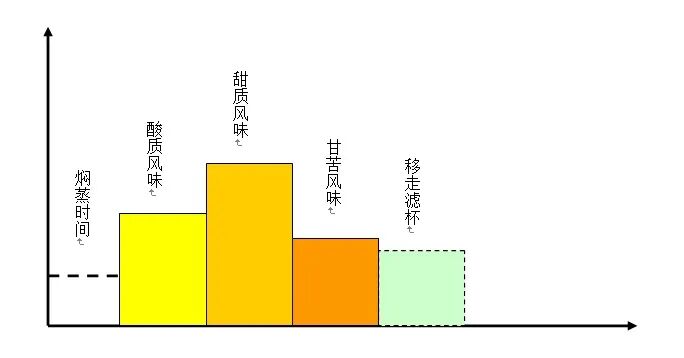
When adjusting grind, note that light-roast beans are denser—starting slightly finer is fine, as long as the coffee bed isn’t overly muddy, as over-extraction is unlikely. In practice, start with a finer setting and fine-tune based on flavor feedback.
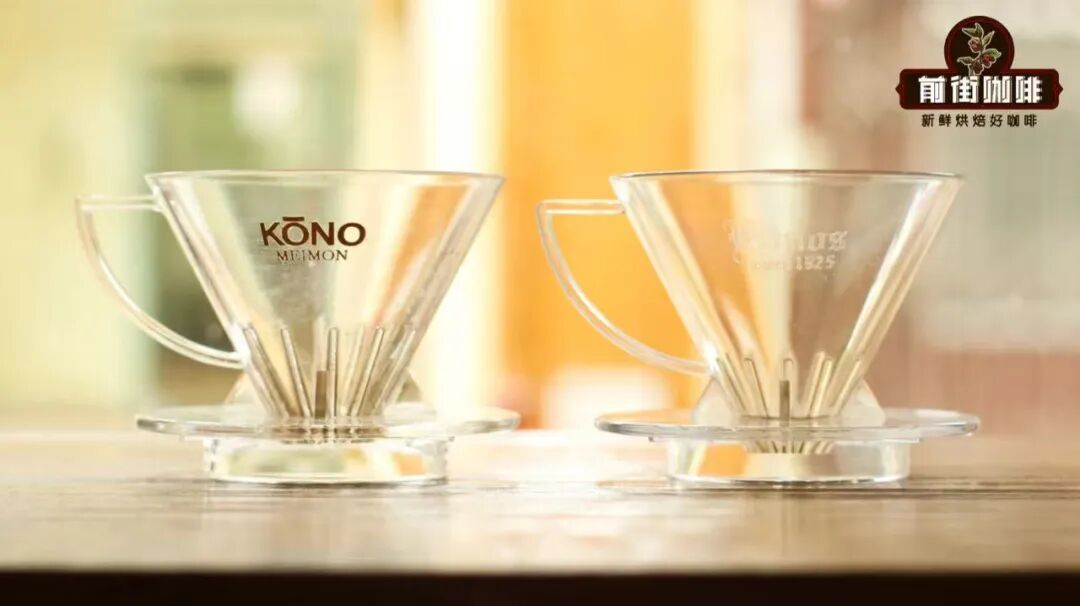
Next isExtending Extraction Time. Sharp acidity often stems from the early extraction phase (which primarily releases acids) ending too soon, before sweetness and bitterness fully dissolve. Extending water-to-ground contact lets later-stage sweet and bitter compounds blend in, balancing the overall profile. Ways to extend time include: grinding finer (already covered), using a slower-flow filter cone (e.g., one with no or short ribs to slow water speed), or adopting multi-pour methods (like a three-pour technique) to increase total extraction time. Generally, keeping total time between 2:00 and 2:30 minutes is safe, with high tolerance and minimal risk of over- or under-extraction.
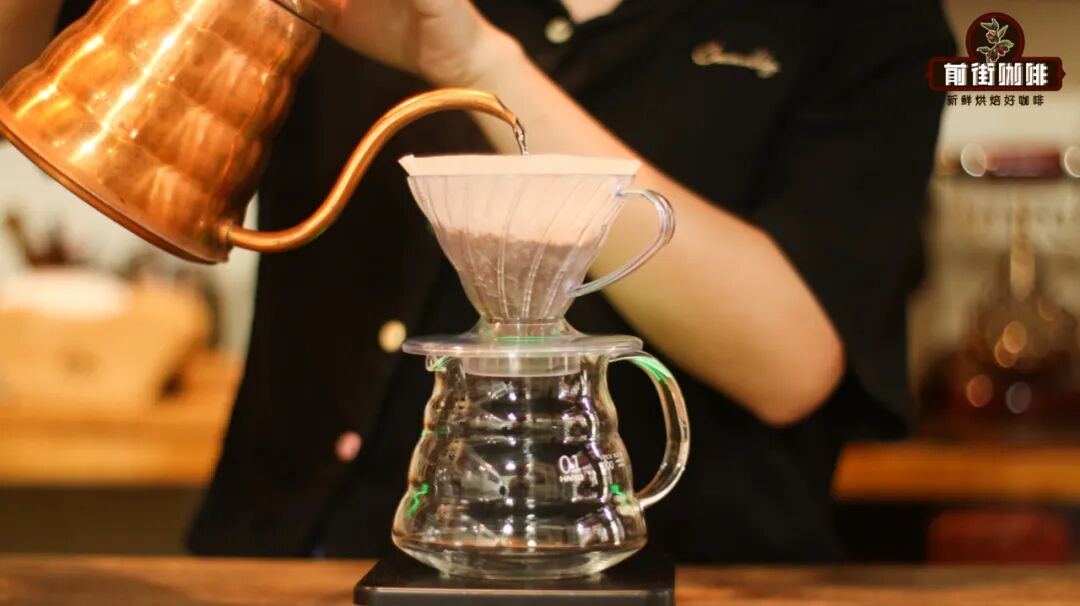
The third key isRaising Water Temperature. Higher temperatures speed up flavor dissolution, crucial for light-roast beans. Many homes use water from dispensers (typically 85°C–88°C), fine for dark roasts, but light roasts ideally need 90°C–94°C (commonly 92°C in practice). Too low, and even extended time and finer grind may not extract fully. Note: water temperature must be adjusted alongside grind size and time—coarser grind or shorter time allows slightly higher temps; finer or longer calls for lower.
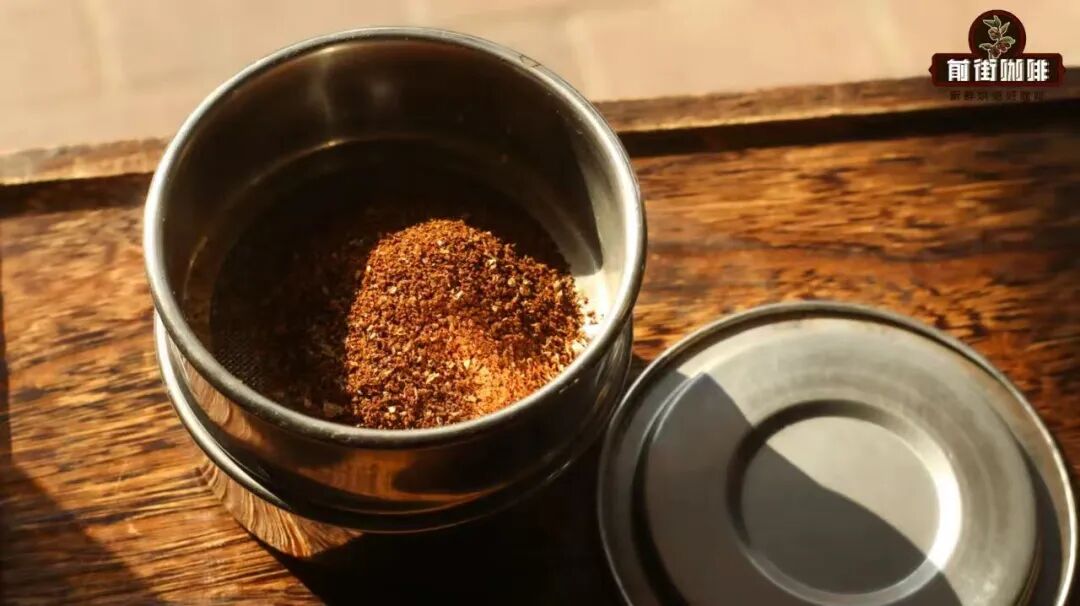
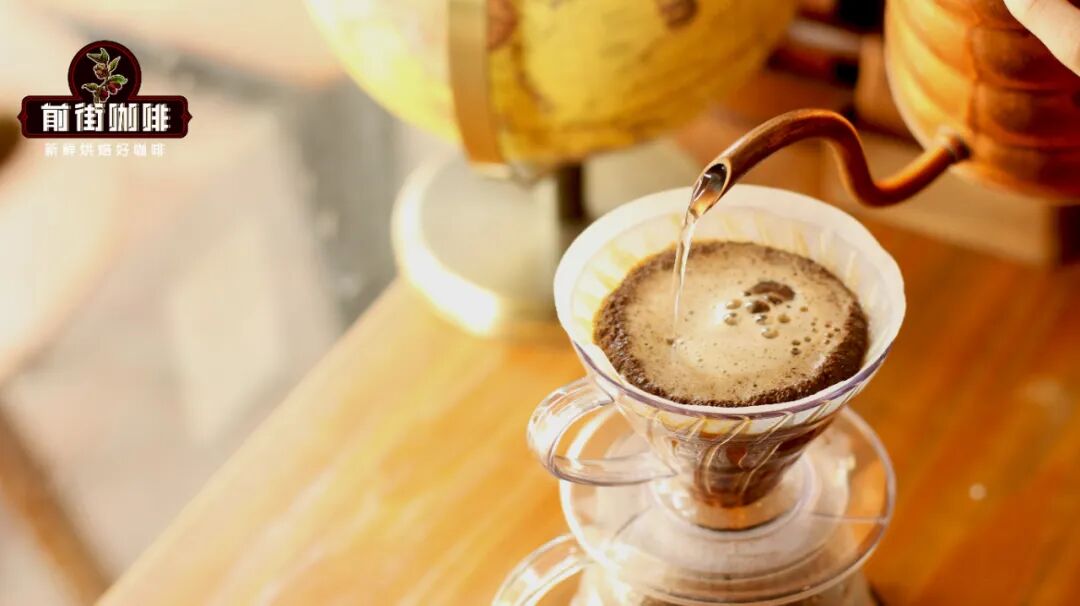
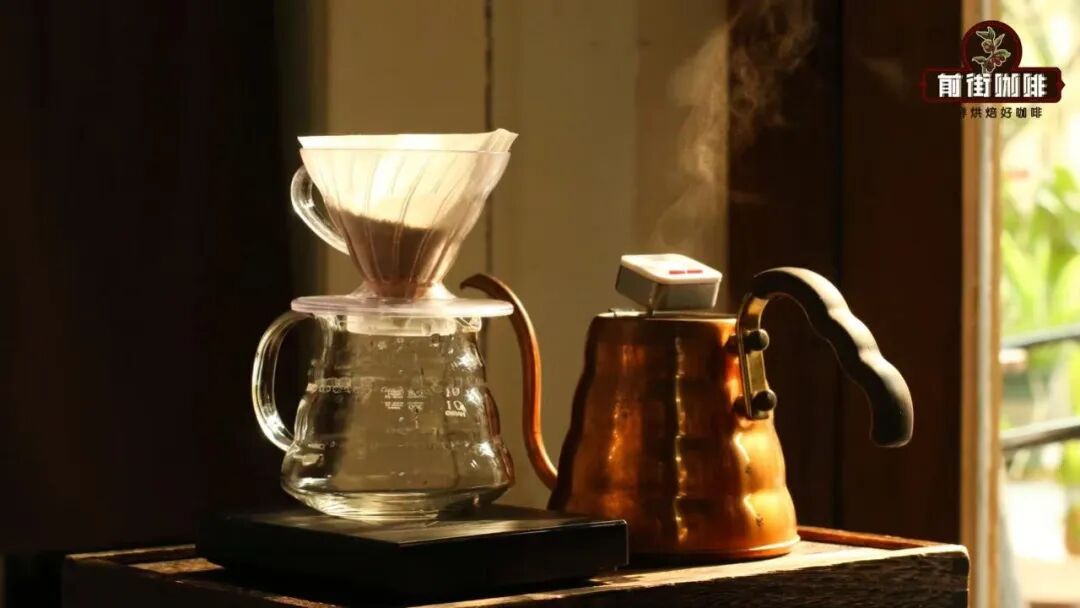
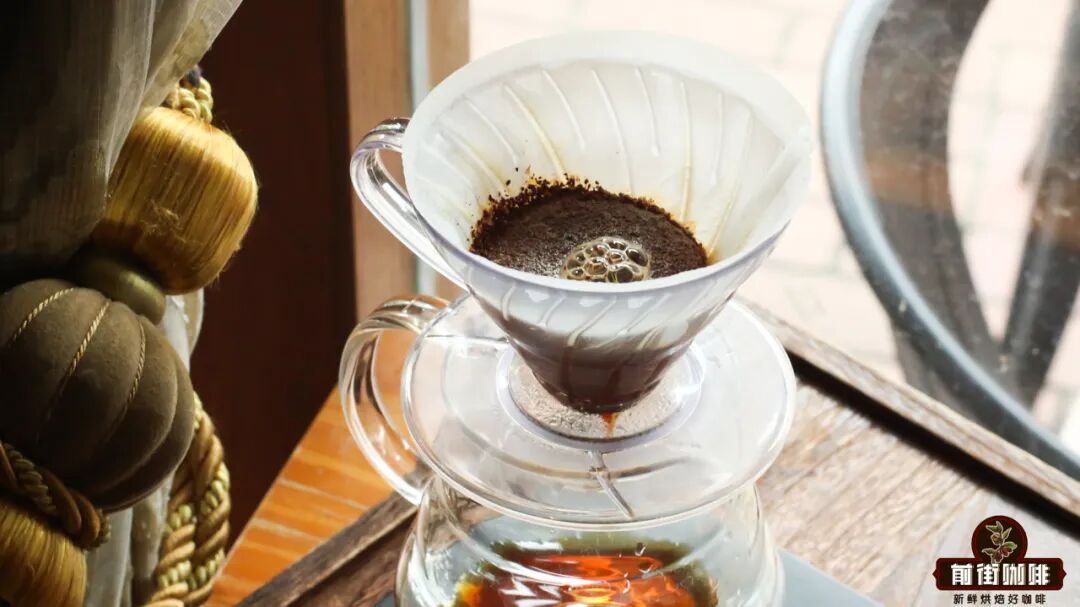
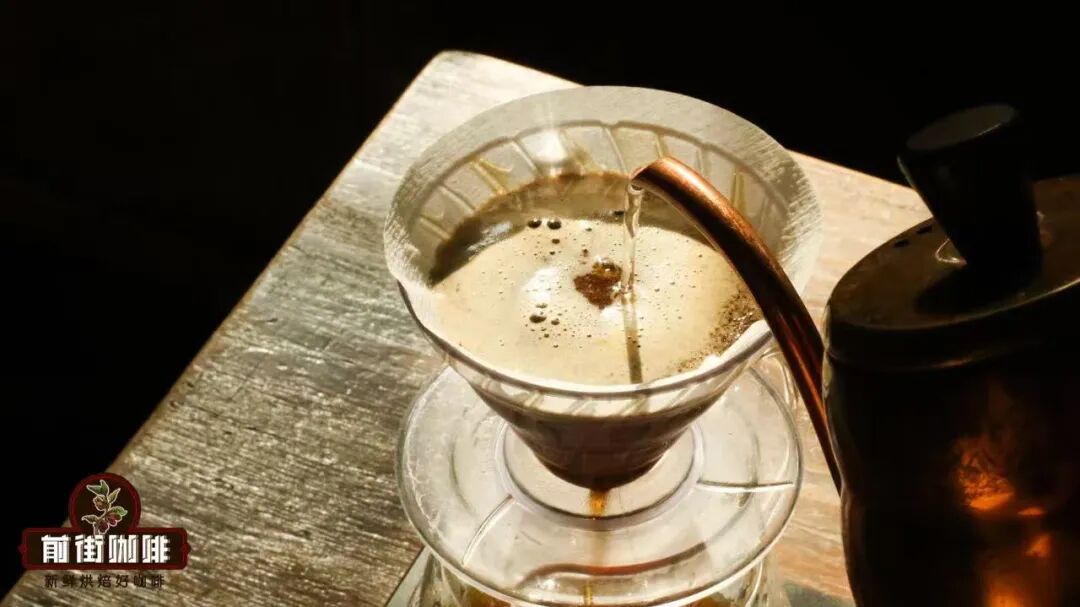
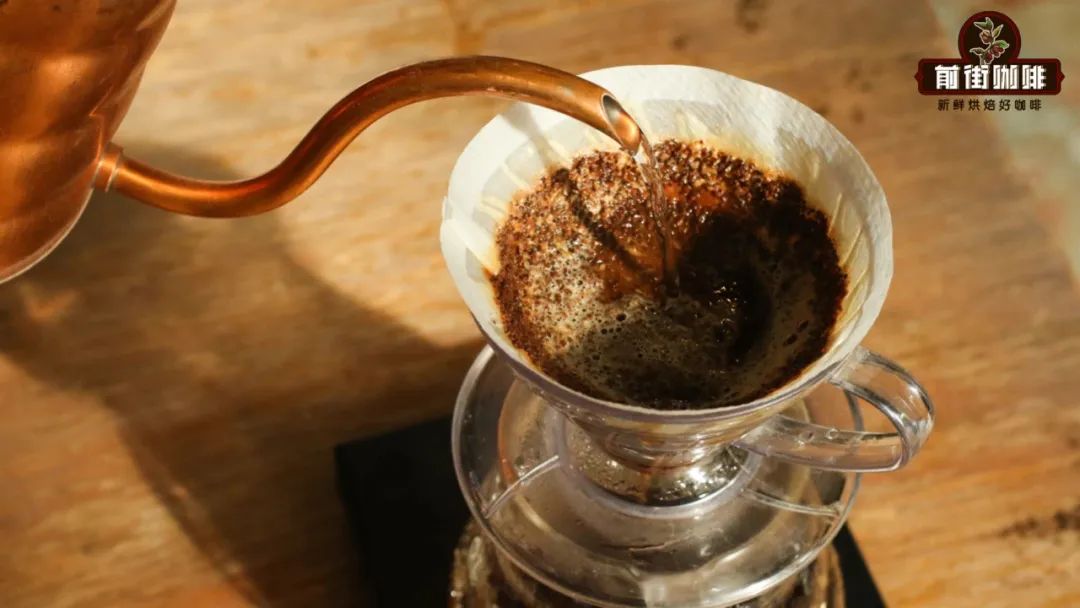
Based on practical experience, here’s a specific pour-over parameter set and steps for dense light-roast beans (e.g., 果丁丁): Use 15g coffee, 1:15 ratio, Ek43 grinder at 10 clicks (equivalent to 75% through a #20 sieve, granulated sugar grind), 92°C water, with V60 cone and a three-pour method. First, pour double the coffee weight (30ml) for a 30-second bloom; then pour ~120ml hot water at ~4–5ml/s medium flow, circling from center outward (~30 seconds), controlling flow to avoid channeling; finally, pour 75ml slowly in small circles, then remove the cone once dripping finishes, totaling ~2:17.
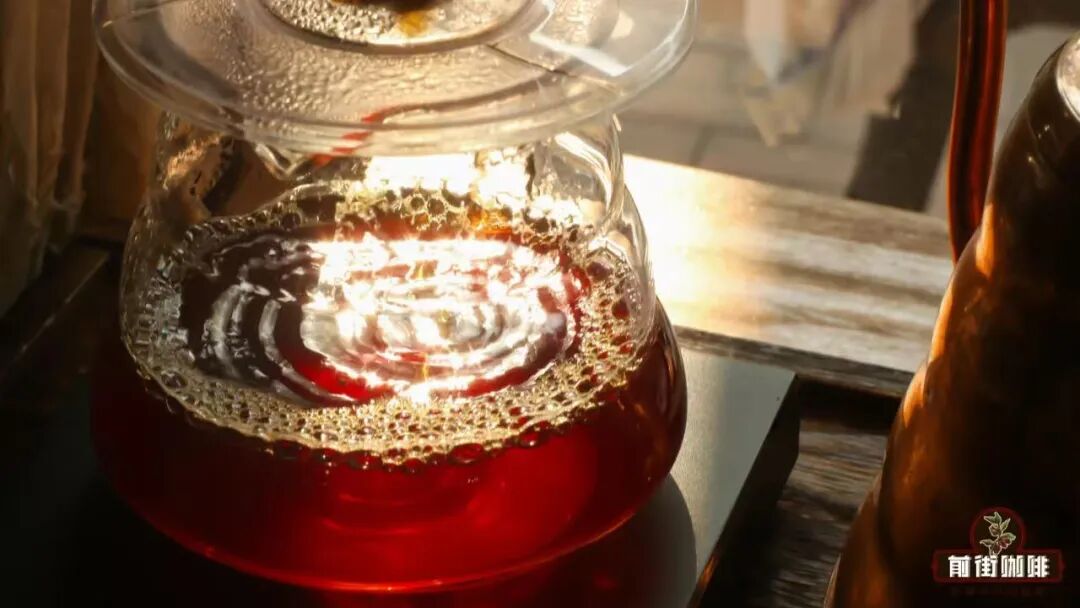
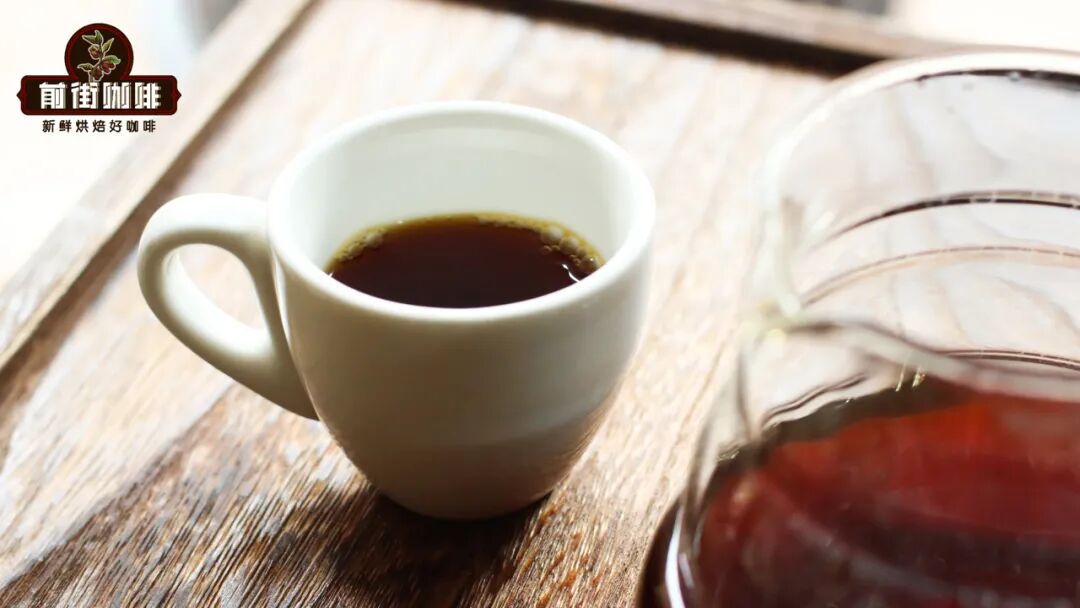
With these settings, the cup delivers: initial notes of lemon and jasmine; mid-palate lively red-berry acidity and honey sweetness; finish with a lingering oolong tea aftertaste. Testing shows light-roast beans tolerate extraction parameters well—even slightly longer time or finer grind rarely brings unpleasant off-flavors, instead highlighting their layered complexity.
In short, when pour-over light-roast coffee tastes overly sharp, adjust grind (finer), extraction time (longer), and water temperature (higher). Systematically tweaking these, guided by taste feedback, unlocks a balanced, flavorful cup. Remember: light-roast beans are “extraction-tolerant”—dare to experiment to discover their best expression.
The above content is compiled by CoffeeHunters, a coffee news website.


