







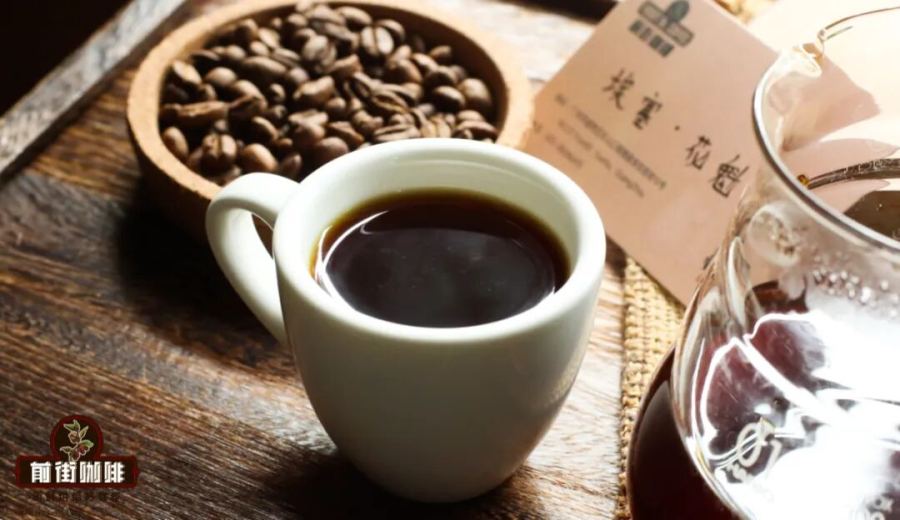
Introduction:Since winning the championship in 2017, the Huakui coffee has become a market sensation, but many consumers are puzzled as to why this year’s 'Huakui 9.0' is nowhere to be seen? This article delves into the origins of Huakui’s naming convention, the unique characteristics of the Yirgacheffe Guji Hambella region, and the actual flavor profile of the new season’s 'Huakui X', taking you through the distinctive charm and brewing essentials of this sun-dried G1 coffee bean.
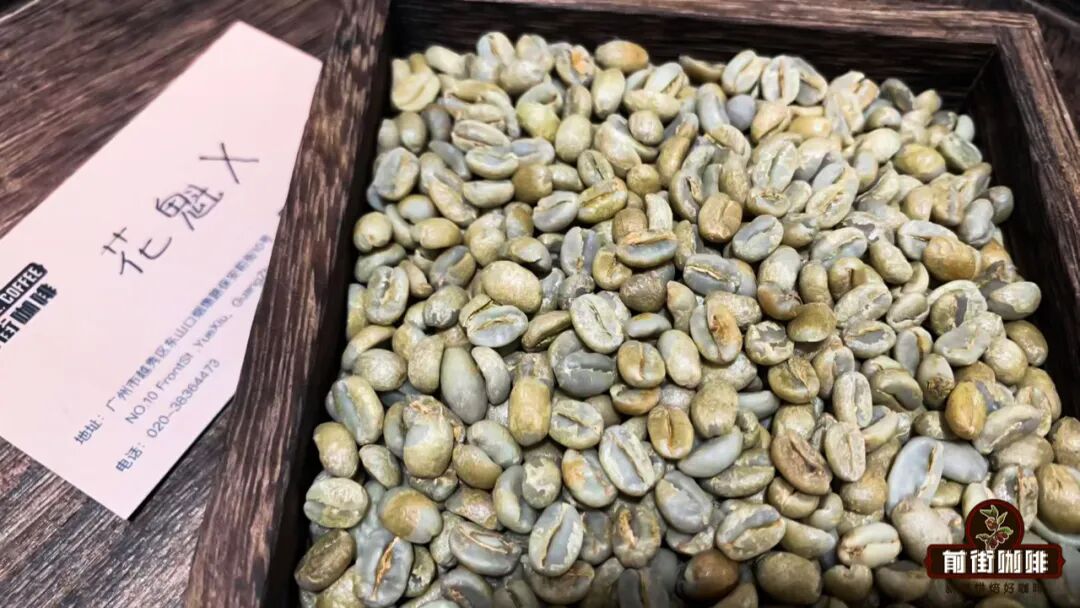
This year marks the ninth year since 'Huakui coffee' rose to fame. Following past naming conventions, the new season should logically have been labeled as 'Huakui 9.0'. However, until recently, most coffee shop menus still did not feature it, and even professional review platforms rarely mentioned it. In fact, the latest batch of Hambella sun-dried beans has quietly hit the market, but its name breaks from tradition — it has been renamed 'Huakui X' instead of the expected '9.0'.
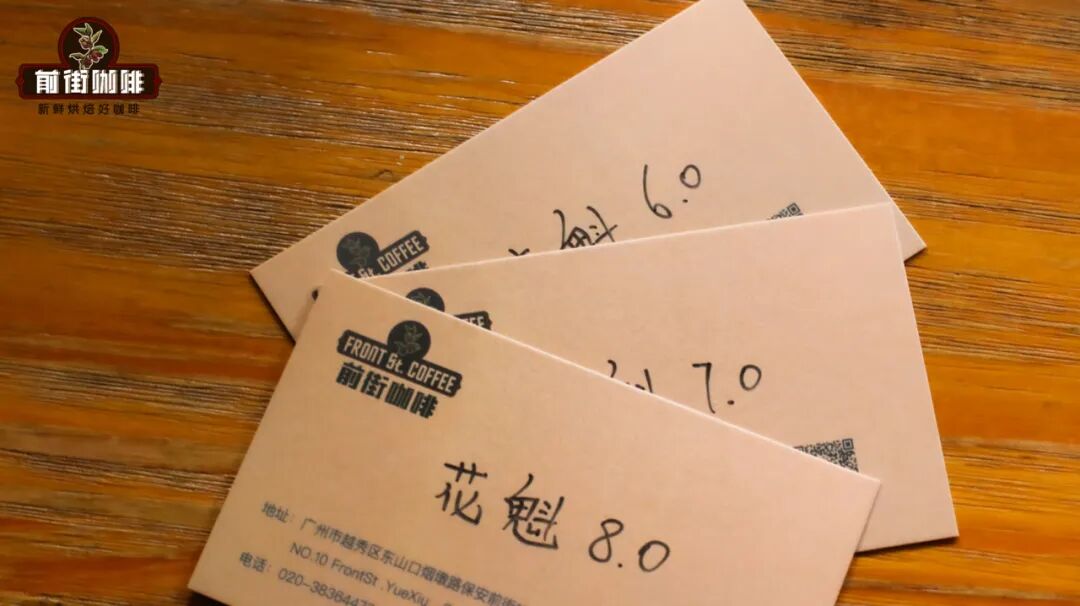
This change stems from a creative decision by domestic green bean traders: starting in 2018, each annual release of Huakui was distinguished by an incrementally numbered batch (e.g., 2.0 in 2018, 3.0 in 2019), but this year, emulating Apple’s iPhone skipping-number tradition, they directly opted for the 'X' designation. Regardless of the name adjustment, the core remains the same: sun-dried G1 coffee beans from the Hambella sub-region of Guji, produced at the Buku Abel washing station, grown at altitudes between 2250 and 2350 meters.

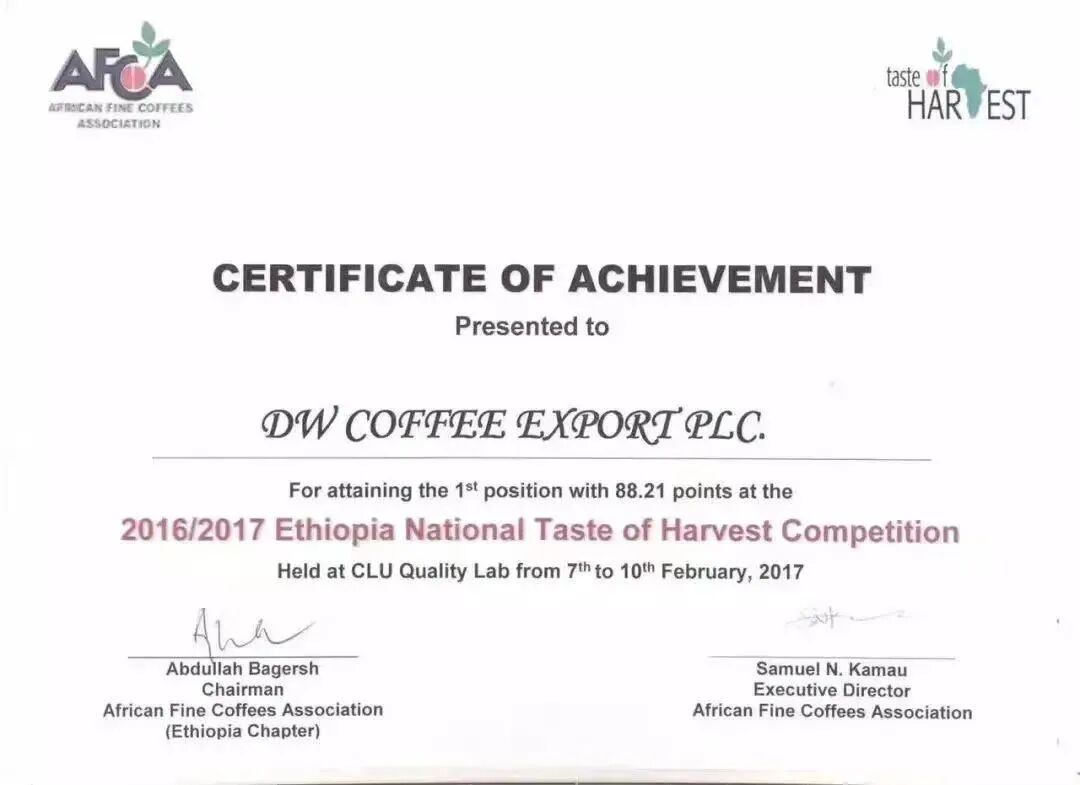
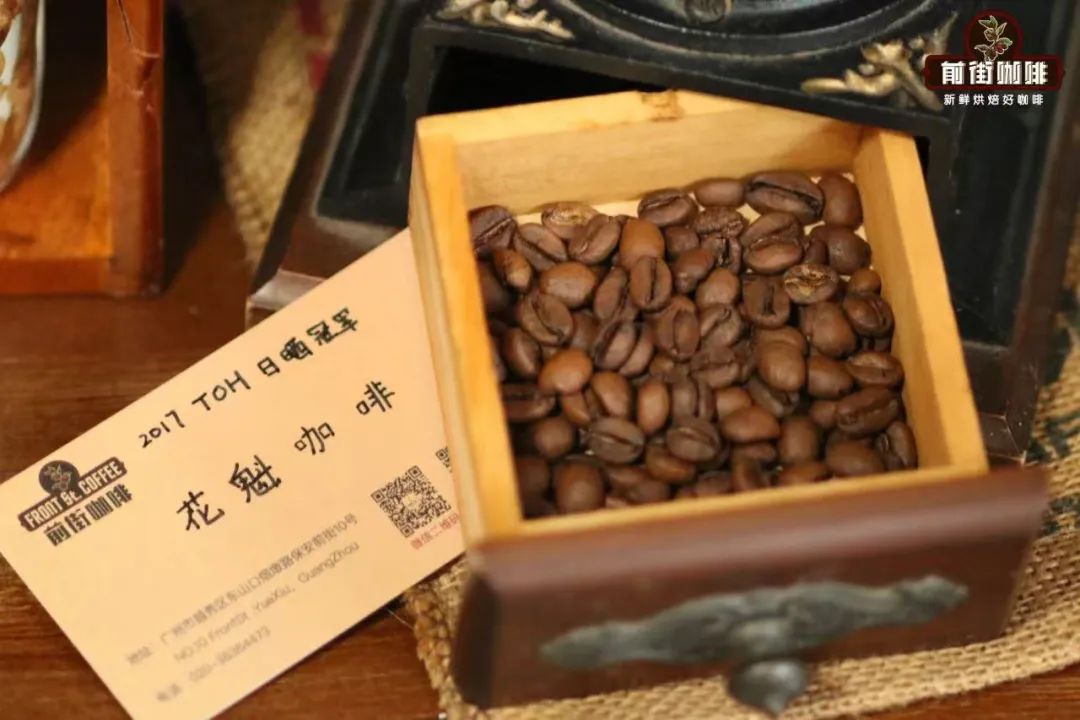
Looking back to 2017, these beans, originally named 'Hambella', stood out in the TOH competition hosted by the African Fine Coffees Association. Their rich berry aroma and silky creamy texture won over the judges, and were later introduced to the market by a Beijing-based trader and given the beautiful name 'Huakui', meaning 'the foremost of all flowers'. Interestingly, the bean variety is not a special cultivar, but rather the common Ethiopian heirloom variety, with its fruity characteristics highlighted through meticulous sun-drying processing.
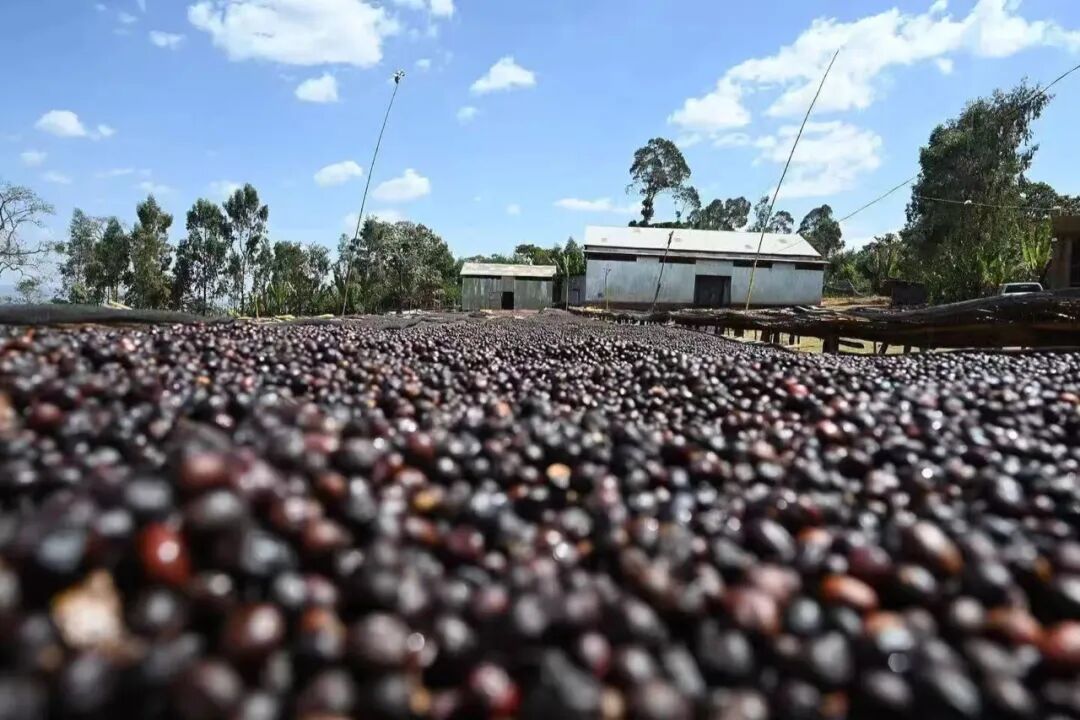
As an important branch of the Guji region, Hambella’s microclimate and soil conditions contribute to its unique flavor profile. The Buku Abel washing station, which produced the championship-winning beans, subsequently partnered with four surrounding villages (including Buku Saysay and Haro Soresa) to scale up production and meet global demand. It’s worth noting that the key to sun-dried processing lies in strictly controlling drying time and temperature; these beans typically undergo more than 21 days of raised-bed drying to ensure a stable moisture content of around 11%.
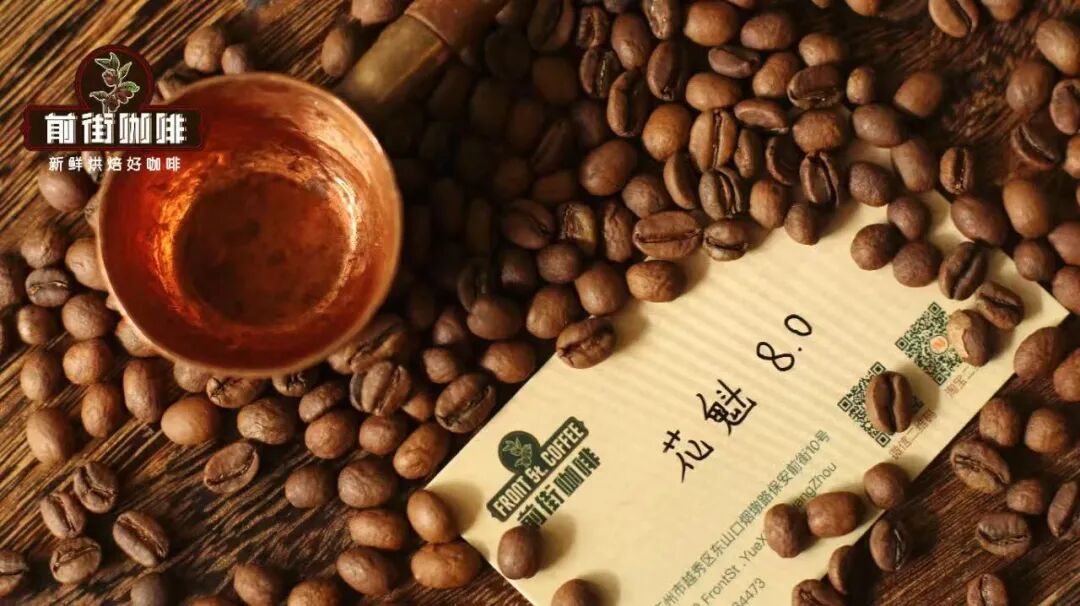
The creation of version numbering is closely related to flavor stability. Even within the same region and washing station, yearly climate variations can affect the acidity and sweetness balance of the coffee. The numerical system introduced after 2018 (such as Huakui 2.0 to 8.0) serves as a practical tool to help consumers identify seasonal differences. This year’s renamed 'Huakui X' retains the same regional characteristics but adopts a new naming strategy to avoid direct association with past impressions.
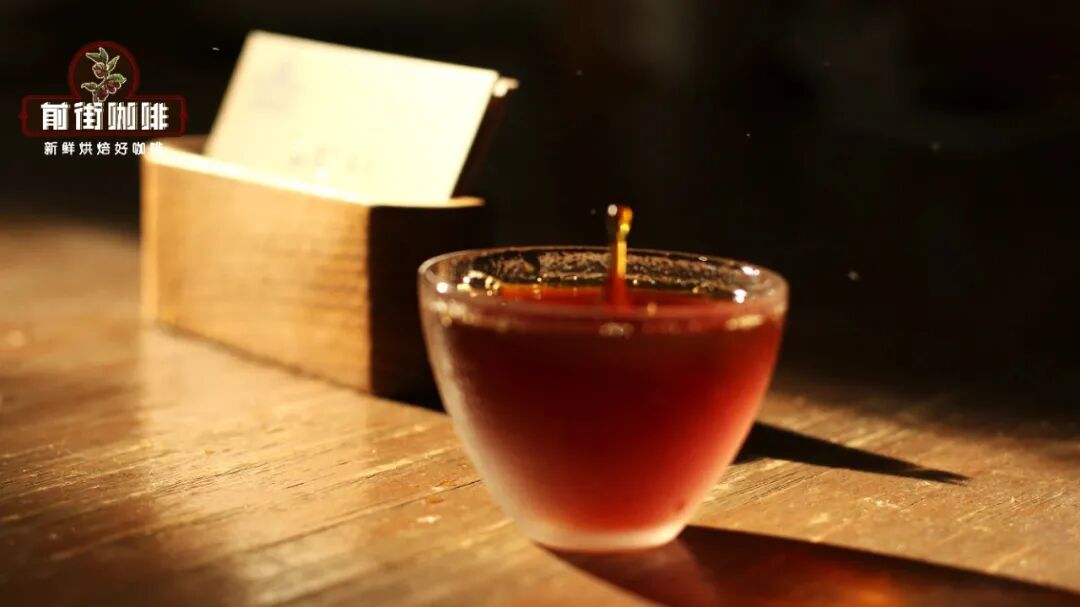
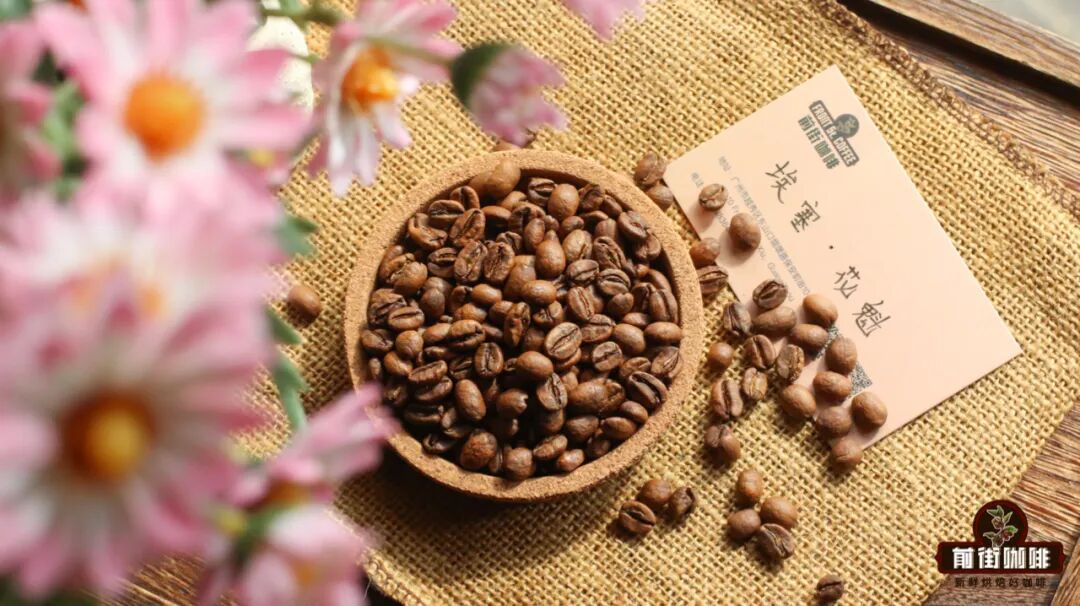
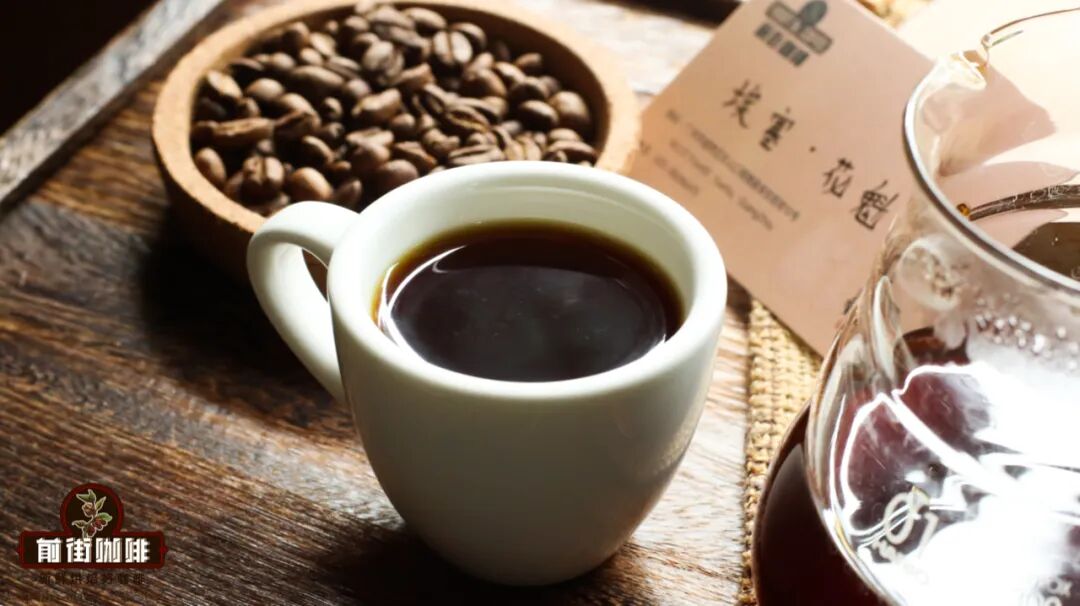
Actual tasting experiences show that the new season’s Huakui displays the classic Ethiopian sun-dried flavor spectrum: when ground, it releases a fresh top note of orange blossom and lemon, while brewing brings out berry and blueberry fruit aromas that gradually unfold, with a finish carrying the mellow richness typical of black tea. It is recommended to use a V60 filter with a medium-coarse grind (around #18 mesh), water temperature controlled at 92°C, and a three-stage pouring method (first pour covering 60% of the total water volume) to enhance the juicy, full-bodied mouthfeel.
A common misconception is the overemphasis on the 'floral' aspect — in reality, tropical fruit flavors such as strawberry and mango are its core hallmarks. Compared to varieties from the Sidama region like Alo or the Ethiopian Heirloom, Huakui X offers a more direct sweetness, making it ideal for those who enjoy bright acidity and layered fruit notes. If the brewed cup tastes thin, check the bean storage condition (it is advised to keep them in valve-sealed sacks in a cool place), or adjust grind size to optimize extraction.
In summary, despite the name change from 9.0 to X, this Hambella sun-dried bean still retains its classic high-value-for-money qualities. Whether as a daily drinker or a pour over practice bean, its balanced acidity-to-sweetness ratio and rich aromatic profile offer coffee enthusiasts a diverse sensory experience. The next time you encounter a package labeled 'Huakui' without a number, don’t hesitate to ask about the region of origin, or refer to the flavor characteristics above to determine if it’s the sun-dried G1 grade from the Hambella region.
The above content is compiled by CoffeeHunters, a coffee news website.

