







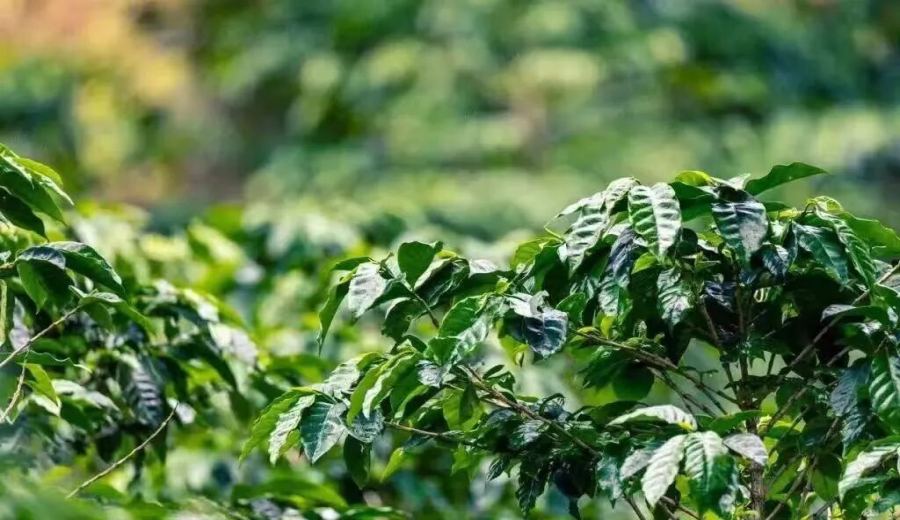
Introduction:Geisha and Blue Mountain are hailed as the two peaks of specialty coffee—one renowned for its floral and fruity aromas, the other for its balanced and full-bodied profile. This article delves into the origin characteristics, variety traits, processing methods of Jamaican Blue Mountain No.1 and Panamanian Boquete Geisha, and provides professional-grade pour over parameters and flavor profiles to help coffee enthusiasts better understand the allure of these two top-tier beans.
When it comes to the world’s finest coffee, many people immediately think of Jamaican Blue Mountain. In recent years, Geisha coffee has gradually become the “dream brew” in the hearts of specialty coffee lovers, thanks to its unique floral and fruity notes and complex layers. But which is better—Blue Mountain or Geisha? It’s truly a matter of personal taste. Those who prefer a rich and balanced cup may lean toward Blue Mountain, while fans of bright, floral-fruity profiles often gravitate toward Geisha. Next, we’ll take an in-depth look at these two premium coffees from their origins, varieties, processing methods to flavor profiles.
Jamaican Blue Mountain Coffee: The Balanced Masterpiece Grown at High Altitude
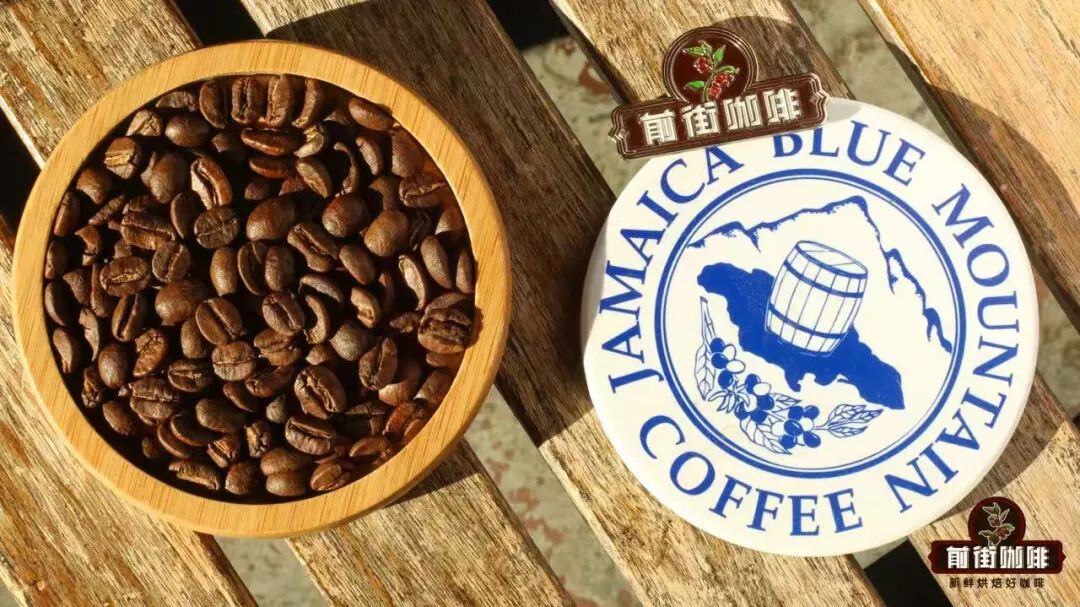
Blue Mountain coffee is hailed as the Hermès of the coffee world. Its charm lies in its rich and layered aroma—delicate notes reminiscent of chocolate and roasted hazelnuts—and the perfect balance of acidity, sweetness, bitterness, fragrance, and body. All of this is thanks to the unique terroir of Jamaica’s Blue Mountain range, along with its rigorous cultivation and grading systems.
According to the regulations of the Jamaica Coffee Industry Board (CIB), only910~1700 metersabove sea levelTypica varietygrown in the Blue Mountain mountainous region can be called genuine “Jamaican Blue Mountain Coffee.” Although Typica boasts elegant flavors, it grows slowly, yields low, is prone to disease, and the steep terrain of the Blue Mountains makes harvesting difficult. As a result, less than15%of the country’s total coffee production qualifies for the Blue Mountain label, with an annual output of only about900 tonnes.

A common notion about Blue Mountain coffee is that “most of it is bought by Japan,” and there’s some truth to that. In 1981, a Japanese company (formerly known as Ueshima Coffee) invested in growing Blue Mountain in Jamaica and reached an agreement with the government to secure90% of the priority quota. Coupled with active promotion in the Japanese market, Blue Mountain coffee has long been in high demand. Today, however, consumers can also enjoy Blue Mountain No.1 at reasonable prices through legitimate channels. For example, at certain retail outlets, a cup of Blue Mountain No.1 pour over black coffee costs around60 yuan.
Blue Mountain No.1: Grade, Processing, and Flavor Details
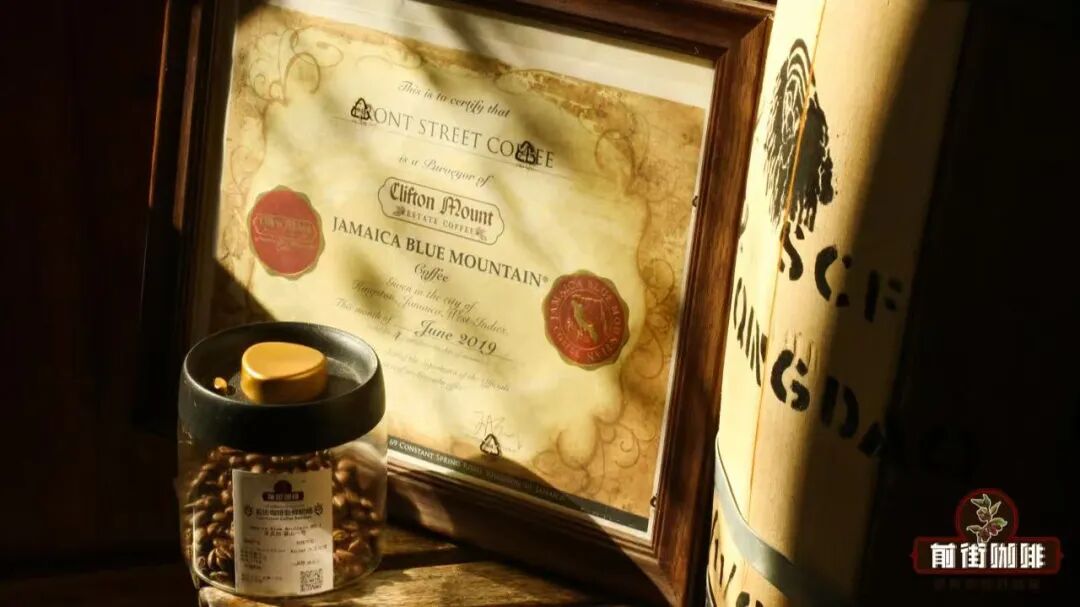
So-called Blue Mountain No.1 is the top-grade batch among Blue Mountain coffee and must meet the following criteria: bean size of17 mesh or above, defect rate lower than3%, moisture content of approximately13%, and cupping scores that exhibit delicate aromas, smooth and balanced mouthfeel, low acidity, and long-lasting aftertaste. A certain retailer’s Blue Mountain No.1 is processed usingthe washed method, sourced from the Clifton Estate in Jamaica, and comes with official Jamaican quality certification, origin documentation, and authorized sales paperwork. The store even displays anoak barrelfilled with Blue Mountain green beans to ensure authenticity.
Geisha Coffee: The Representative of Floral-Fruity Aromas
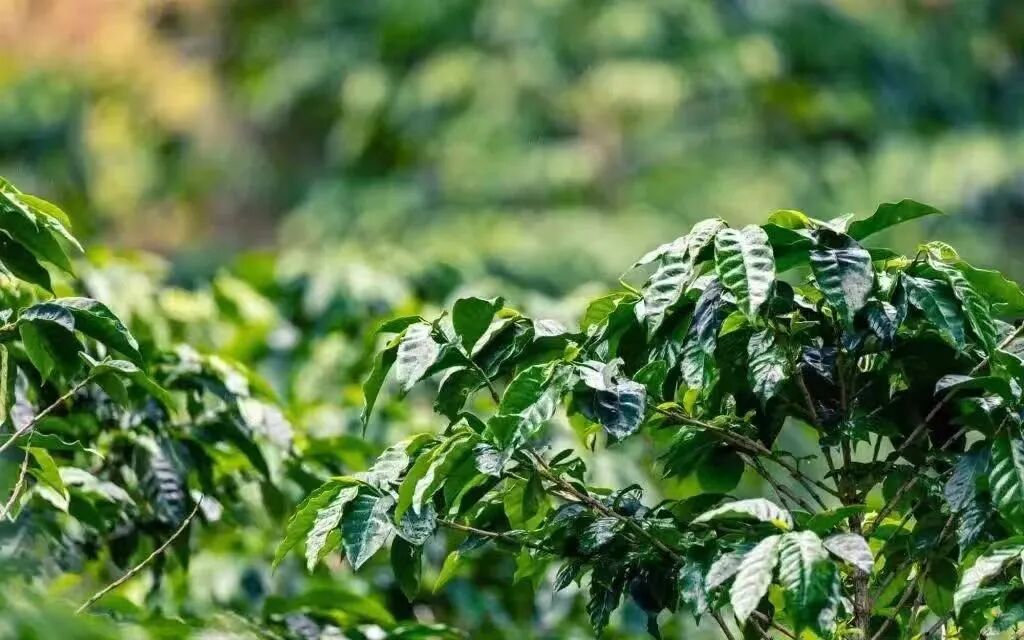
Geisha is one of the most iconic varieties of the specialty coffee era, renowned for its unique citrusy, honeyed tones, and multi-layered floral and fruity notes. Compared to typical Arabica varieties, Geisha is not only rare in production but also demanding in its growing environment—it must be planted inhigh-altitude, foggy, fertile-soil, and well-shadedregions. The plants themselves have thin leaves and fragile root systems, resulting in low efficiency in photosynthesis and nutrient absorption, yielding only half the fruit of ordinary varieties, which contributes to its rarity and value.
Although Geisha has been introduced to multiple regions globally,Boquete, Panamais widely regarded as producing the most representative Geisha. Here, Geisha coffee showcases a rich array of fruity-floral notes and varied acidity profiles, with renowned farms like La Esmeralda and Elida receiving high praise. A certain merchant’s Boquete Geisha coffee is also processed using thewashed methodto preserve its bright, clear fruitiness and clean taste.
Flavor Profile of Washed Geisha: Citrus, Honey, and Green Tea Finish
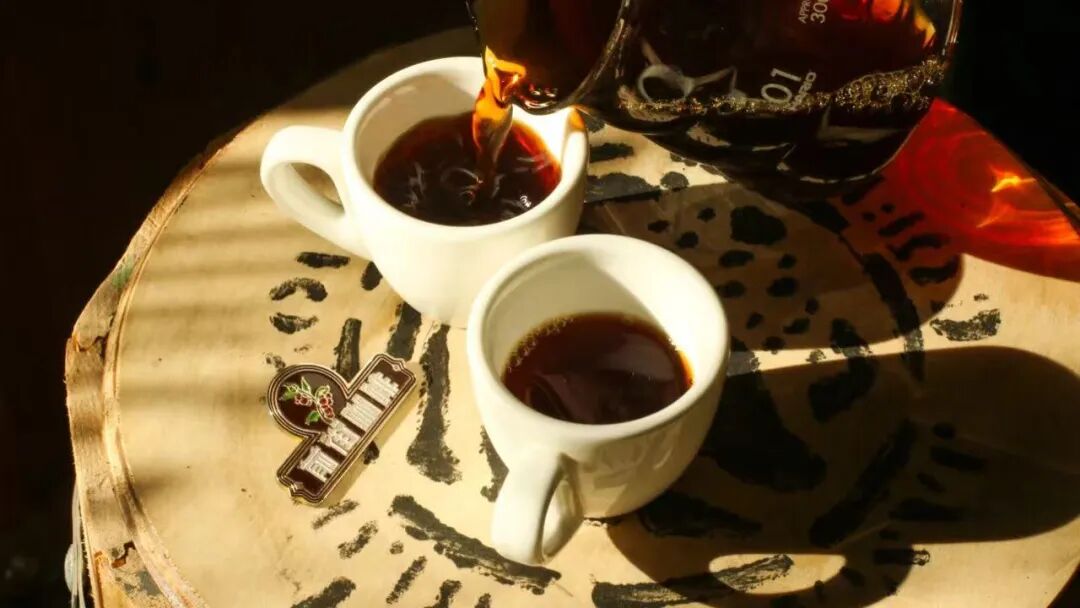
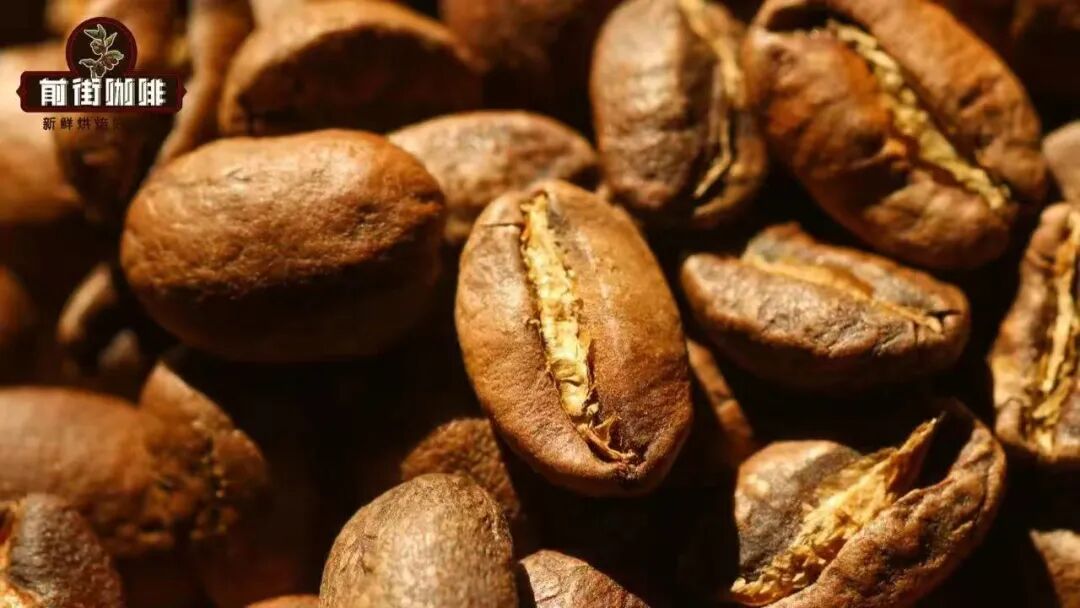
The washed process gives Geisha higher clarity and a refreshing mouthfeel. After roasting, Geisha exhibitswhite floral notes, citrus, lemon acidity, along with subtle green tea aromas. The overall flavor is as smooth as a light Tieguanyin tea infusion. Upon tasting, you’ll notice distinctcitrus, lemon, and bergamot acidity, followed by a balanced mid-palate and a creamy-smooth, honey-sweet finish with a long-lasting aftertaste.
Recommended Brewing Parameters: A Comparison of Blue Mountain and Geisha
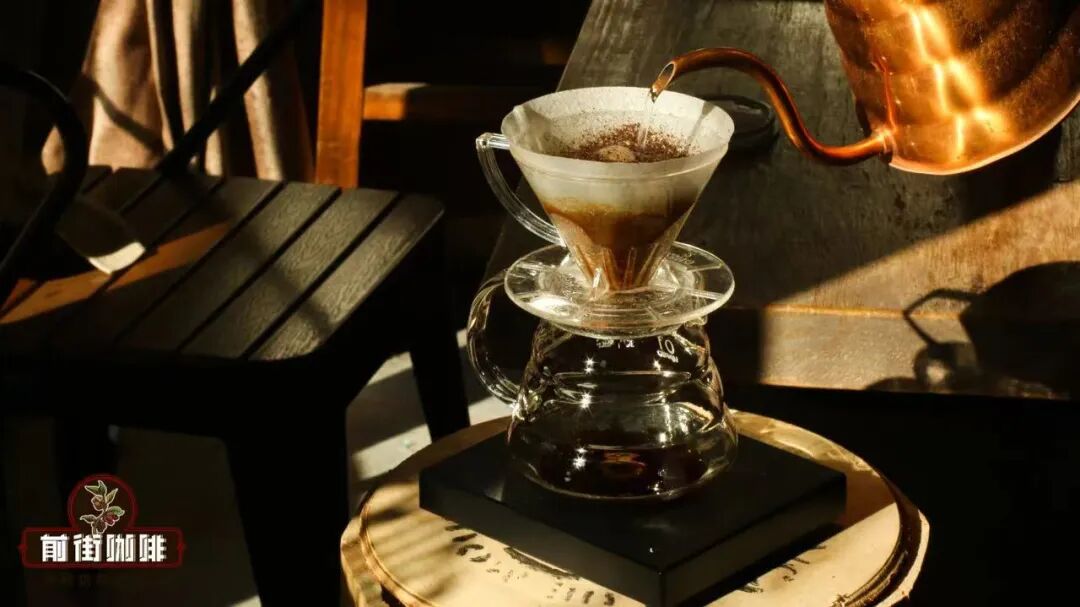
To fully highlight the unique flavors of Blue Mountain and Geisha, proper brewing parameters are crucial. A certain merchant recommends:
Geisha Coffee (washed, Boquete):
- Filter: V60
- Water temperature:91-92°C
- Coffee dose: 15g
- Coffee-to-water ratio: 1:15
- Grind size: EK43s setting 10 (approx. 80% passing through a #20 sieve)
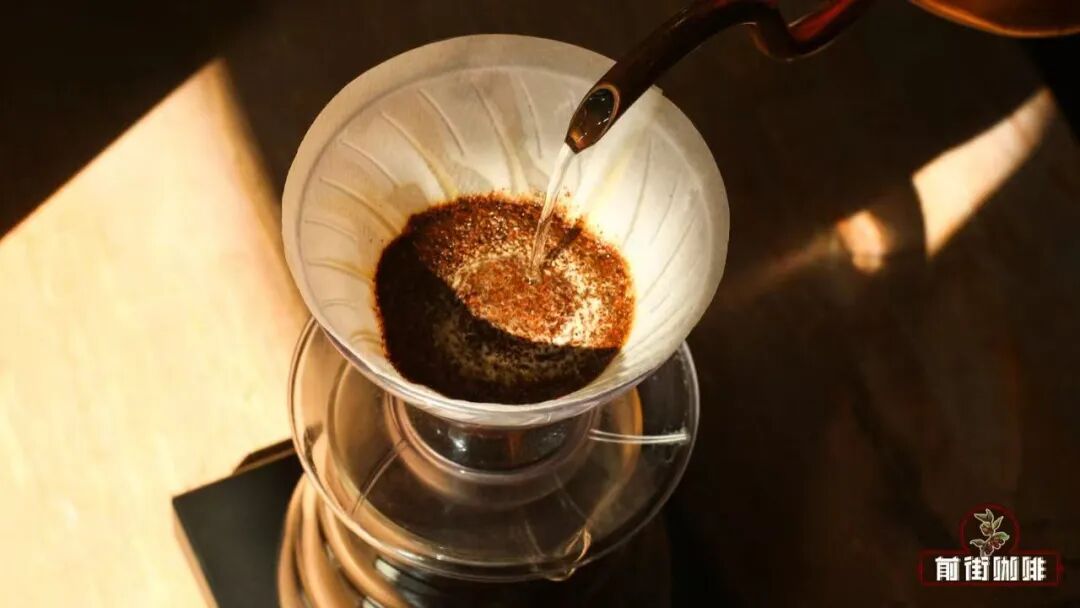
- Pour over steps: First pour 30g water for a 30-second bloom, then pour to 125g, followed by pouring to 225g, with a total extraction time of about 2 minutes.
Blue Mountain No.1 (washed, Clifton, Jamaica):
- Filter: KONO
- Water temperature:88°C
- Coffee dose: 15g
- Coffee-to-water ratio: 1:15
- Grind size: EK43s setting 10.5 (approx. 75% passing through a #20 sieve)
Flavor Profile Summary
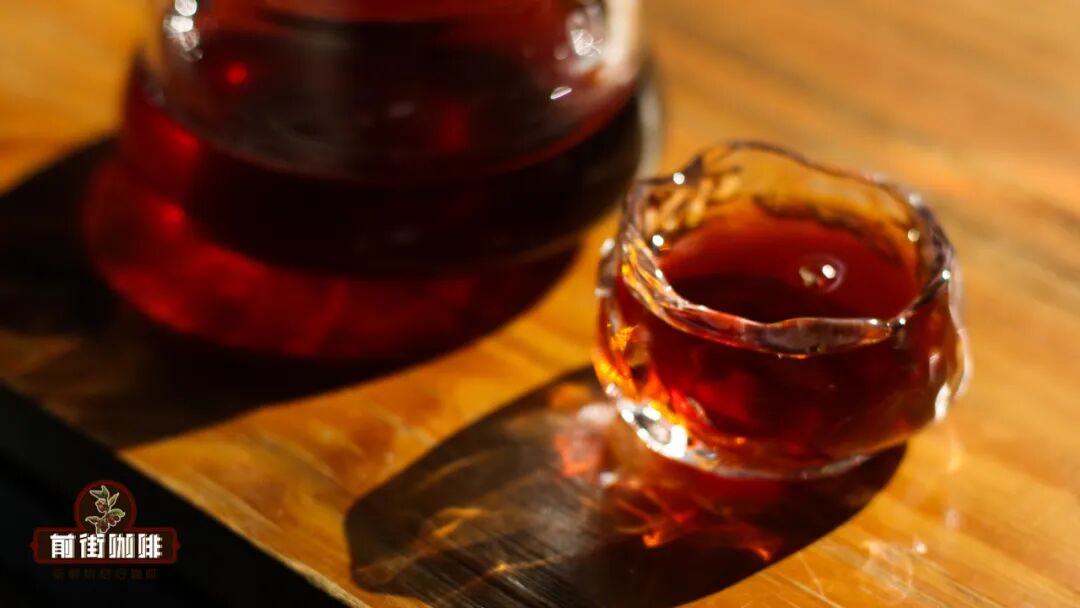
Boquete Geisha is characterized bybright acidity with citrus, lemon, and bergamot notes, with a well-defined mid-palate and a creamy, honeyed finish; whereas Jamaican Blue Mountain No.1 presentsrich aromas of dark chocolate and roasted hazelnuts, with a notable almond aftertaste. As the cup cools, you may also detect intermingling notes of cream and caramel, with lingering, delicate fragrances.

No matter which you prefer, remember: coffee freshness directly impacts flavor. A certain merchant insists on shipping beans roasted withinfive daysto ensure you can enjoy a home-brewing experience nearly on par with a professional café.
The above content is compiled by CoffeeHunters, a coffee news website.

