








Introduction:Red Eye coffee is a creative beverage that combines espresso with pour over coffee, primarily designed to boost caffeine intake. However, this "staple-meets-staple" combination can easily result in an unbalanced flavor or become overly intense if the ratio is off. This article explains the origins of Red Eye coffee, its standard proportions, techniques for pairing espresso and pour over beans, ideal extraction parameters, and how to achieve a balanced flavor — helping you make a smooth and energizing Red Eye coffee at home.
“How do you mix espresso with pour over for a smooth taste?” This seemingly unusual but actually existing combination is the increasingly discussed ‘Red Eye coffee.’ Recently, a customer inquired at a café about blending espresso and pour over coffee, bringing renewed attention to this unique drink originating from the United States. However, it’s not as simple as a straightforward ‘1+1’—crafting a Red Eye coffee that is flavorful, energizing, and smooth involves quite a few nuances.
First, Red Eye coffee isn’t created to pursue the ultimate flavor, but rather to deliver a stronger caffeine kick with minimal consumption. Compared to the smooth and mellow taste of a typical latte or cappuccino, Red Eye coffee has a more direct, intense, and even challenging flavor profile. Therefore, it’s not recommended for those new to high-concentration coffee to try it casually.
Regarding the name origin of Red Eye coffee, the most common explanation ties it to the American ‘red-eye flight.’ These flights usually take off late at night and arrive early the next morning. Passengers, affected by sleep deprivation and jet lag, often have bloodshot eyes — hence the name. Crew members also consume large amounts of coffee to stay awake at night, and when a single shot of espresso wasn’t enough, someone came up with the idea of mixing espresso with drip coffee (i.e., pour over coffee). This became the prototype of Red Eye coffee.

As this drinking method gradually gained popularity, variations of Red Eye coffee emerged, such as Black Eye coffee (with a double shot of espresso) or even Dead Eye coffee with even higher caffeine content. While these versions offer stronger caffeine kicks, their flavors and smoothness tend to be more extreme — whether they taste good is a matter of personal preference.
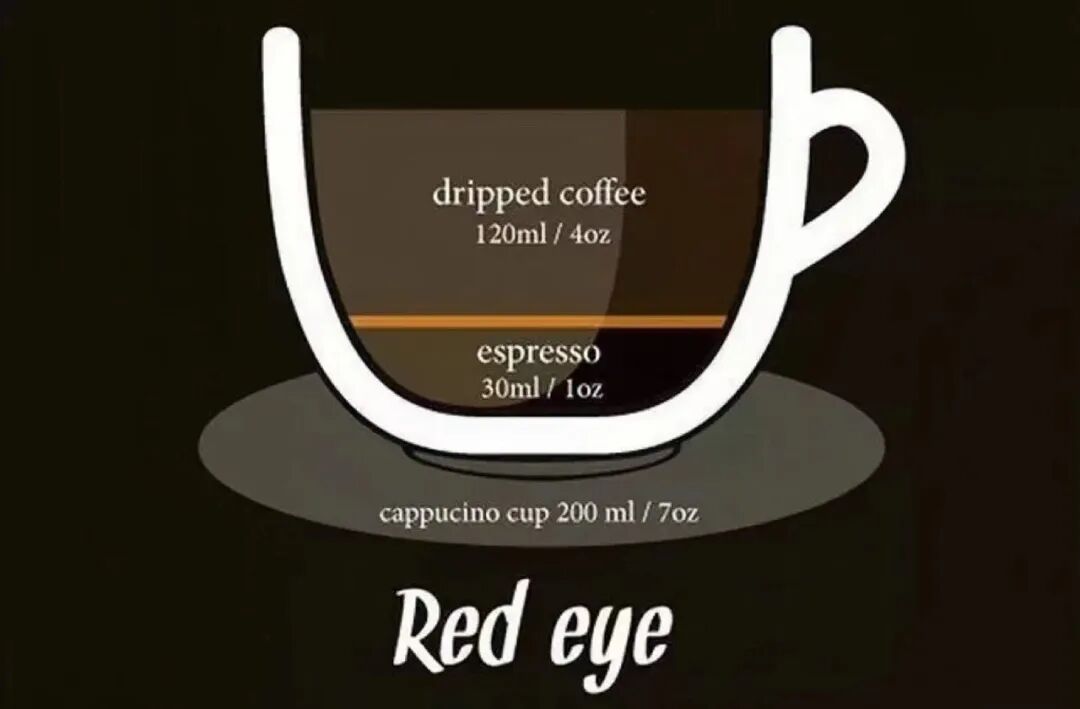
So, how is Red Eye coffee made? The traditional recipe uses one shot of single espresso (about 30ml) combined with 120ml of pour over coffee, totaling around 150ml. However, with modern espresso machines offering higher extraction efficiency, the concentration of a single shot of espresso is now much stronger than before. Using the original ratio may result in something close to a Black Eye coffee in strength. Therefore, it’s currently recommended to reduce the espresso portion to about 20ml to avoid excessive intensity.

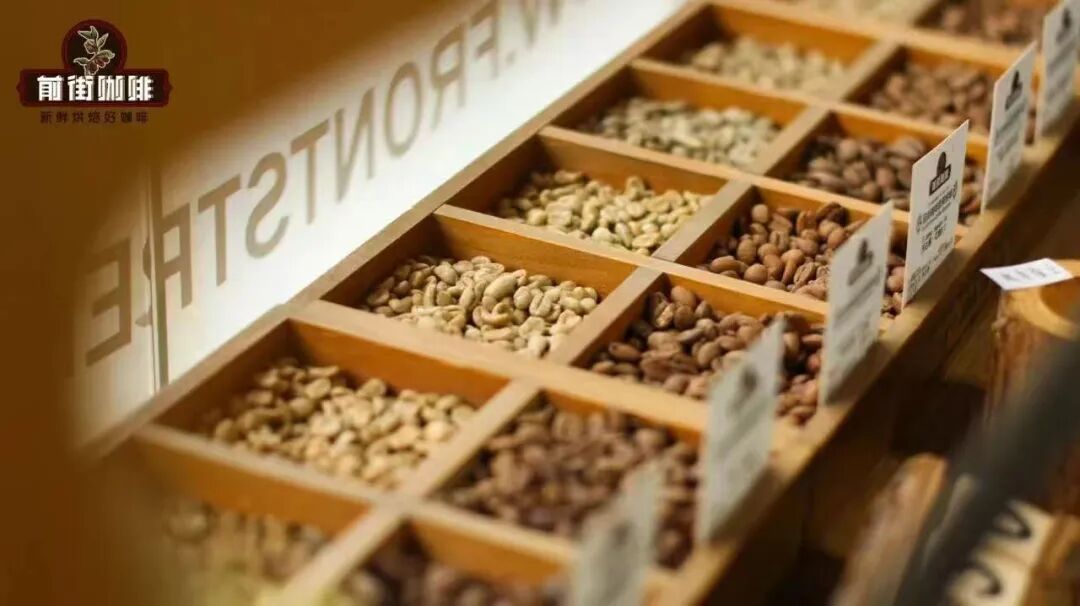
Aside from getting the ratio right, choosing the right coffee beans is crucial. To ensure the flavors from both brewing methods can coexist harmoniously, it’s advisable to select beans with similar roast levels. This way, whether it's pour over or espresso, the flavor profiles are more consistent, reducing noticeable clashes when blended. Even if it doesn’t guarantee absolute deliciousness, it at least maintains a certain level of balance.
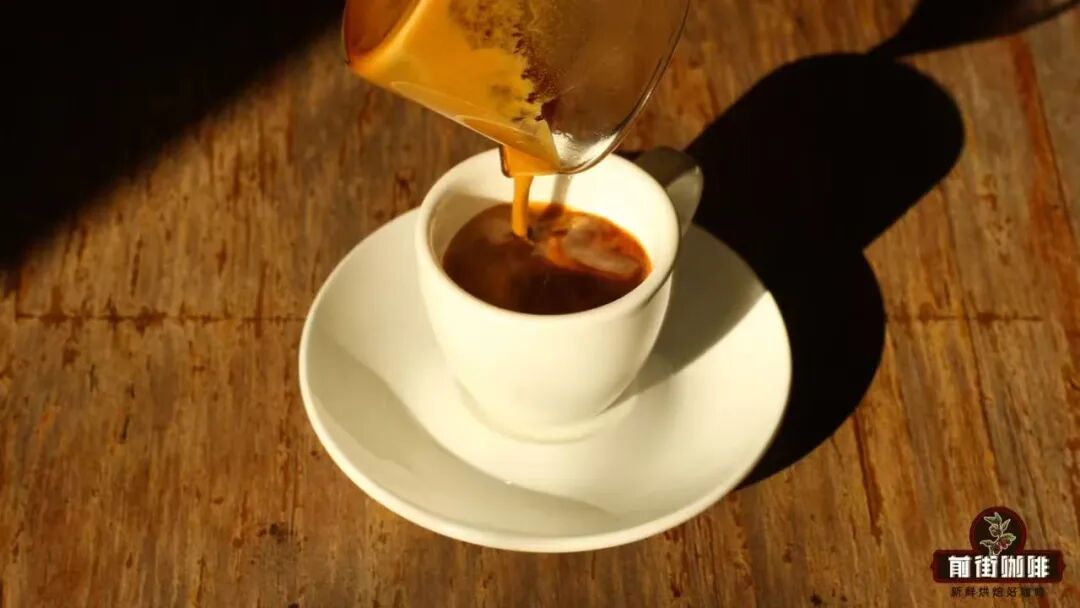
Taking practical preparation as an example, if using a medium-roast espresso blend — such as beans with notes of strawberry, berries, and white floral aromas — then the pour over part should also ideally use medium-roast beans with flavors leaning toward citrus, apricot, or berries. This combination ensures that both coffees echo each other in acidity, sweetness, and aromatic layers, reducing any sense of discord.
For specific operation, you can refer to the following extraction parameters: For the espresso part, use 20 grams of coffee grounds, extracting for about 30 seconds to yield approximately 40ml of coffee liquid; for the pour over part, it’s recommended to use 15 grams of coffee grounds, with a 1:15 coffee-to-water ratio. The grind size can be adjusted to that of superfine sugar (similar to setting 10 on an EK43 grinder), and sifted through a #20 sieve to achieve about 75% uniformity. Water temperature should be controlled at 92°C, using a V60 dripper with a three-pour method, for an overall extraction time of around 2 minutes.
Once both coffees have been extracted, first pour the 20ml of espresso into the cup, then slowly add the 120ml of pour over coffee, and gently stir to combine before tasting. This will yield a Red Eye coffee with a total volume of about 140ml and a moderately high caffeine content.
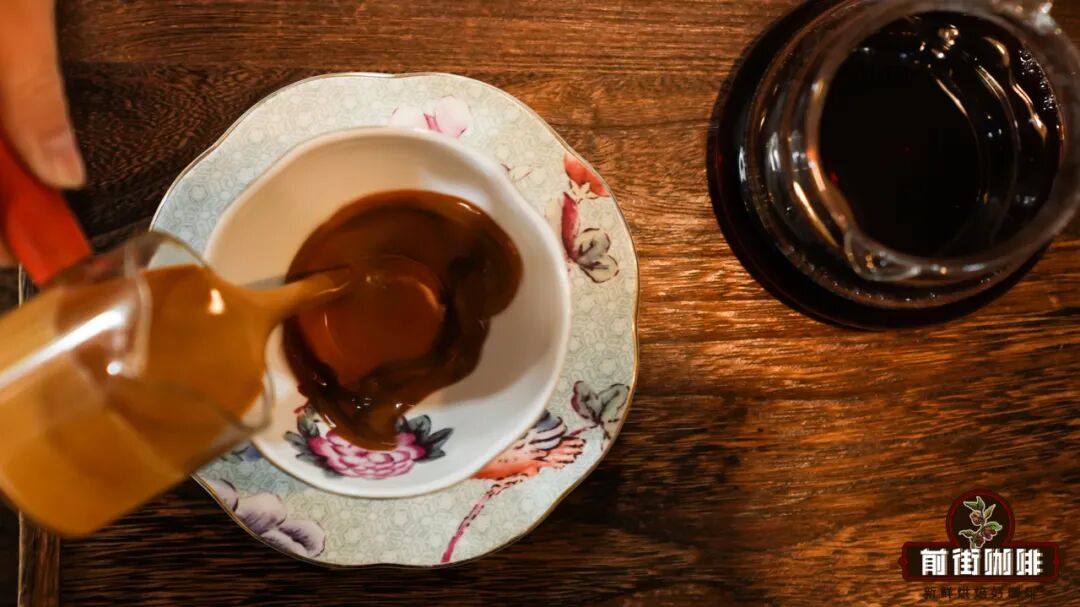
In actual tastings of this blended Red Eye coffee, the flavor performance is often surprisingly pleasant. With the right bean selection, acidic and sweet notes such as white floral, strawberry, citrus, and apricot can naturally meld together, resulting in a rich mouthfeel with a faint oolong tea-like aftertaste. The overall flavor is more intense than a typical pour over but still retains layers of complexity. For those accustomed to morning espressos, the acceptance level is fairly good.

In summary, making Red Eye coffee isn’t complicated, but it requires attention to proportion, bean pairing, and extraction details. Beginners are advised to start by halving the espresso portion and prioritizing beans with similar roast levels and flavor profiles to reduce the risk of failed blending. If you’re not used to high-concentration coffee, consider Red Eye coffee as a special occasion pick-me-up rather than a daily drink. After all, being able to enjoy two uniquely flavored coffees separately is also a kind of pleasure.

The above content is compiled by CoffeeHunters, a coffee news website.


