







Introduction:Dark roast coffee is renowned for its rich and full-bodied flavor profile. Its unique caramel sweetness and well-balanced bitterness have captivated many coffee enthusiasts. This article will explore how dark roast beans develop their alluring flavors during the roasting process, delve into the secrets of balancing crema, sweetness, and bitterness, and offer brewing recommendations for different methods—helping you better appreciate the multi-layered charm of dark roast coffee.
The allure of dark roast coffee lies in its deep and robust mouthfeel. Many describe it as “bold” or “rounded.” This flavor is not just about single-note bitterness, but rather a harmonious balance created by caramel sweetness, deep bitterness, and a rich oily texture. Understanding the source of a dark roast’s body allows you to perceive a greater range of flavors when tasting.
The foundation of this richness actually comes from the roasting process. When coffee beans enter the second crack stage, the internal temperature continues to rise, and the Maillard reaction becomes more pronounced. Sugars transform into sweet notes reminiscent of caramel and toffee. At the same time, the beans’ natural oils gradually migrate to the surface, giving the ground coffee a shinier appearance. These oils are released into the brew during extraction, further enhancing the beverage’s full texture and lingering aroma.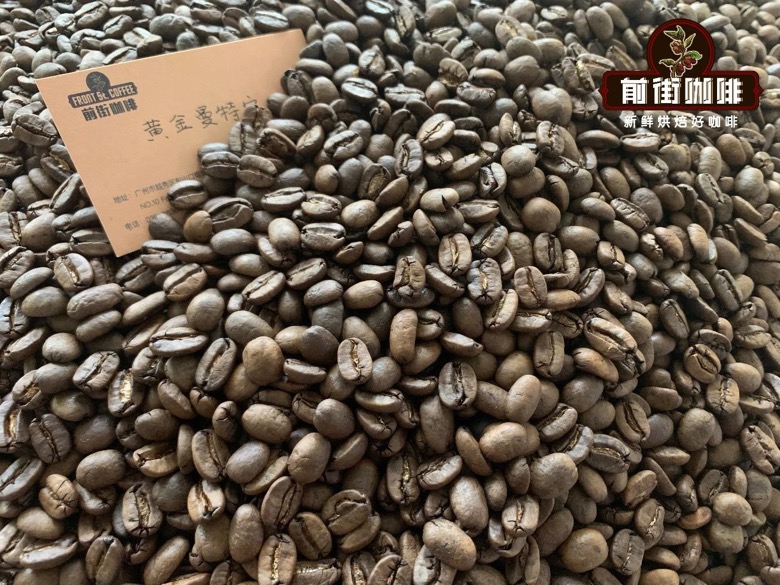
Within the flavor profile of dark roast coffee, there exists a delicate balance between bitterness and sweetness. Due to the extended roasting time, chlorogenic acids have largely broken down, significantly reducing astringency. The remaining bitterness mainly comes from products of the caramelization process, which often carries a hint of sweetness. A high-quality dark roast coffee will first greet your palate with a mellow caramel sweetness, followed by a gradual emergence of bitterness, and finally a subtle aftertaste of sweetness at the back of the tongue. This alternation between bitter and sweet, where neither overpowers the other, is what we refer to as “balance.”
Beyond flavor, the mouthfeel is another defining trait of dark roast coffee. Owing to the typically higher oil content in dark roast beans, properly extracted coffee exhibits a noticeable “weight” on the tongue—feeling fuller and smoother compared to lighter roasts, and offering a satisfyingly rich swallow. This full-bodied texture can even be felt during the aftertaste phase—the after-sip leaves a soft, lingering sweetness that lasts longer than with lighter roasts, making you eager for another cup.
Dark roast coffee also showcases uniquely rich characteristics across various brewing methods. If you opt for straight espresso, the crema and caramel notes will be further amplified, with the sweet-bitter interplay becoming more concentrated and distinct. Brewing with a moka pot or French press results in an even more rounded and smooth mouthfeel, ideal for savoring slowly. When paired with milk to make a latte or cappuccino, the dark roast’s sweet-bitter profile melds perfectly with the creaminess of milk, delivering a soft yet robust flavor. For these reasons, dark roast beans are truly a versatile, “multi-use” choice.
If you wish to deeply experience the richness of dark roast coffee, start with a straight black coffee. Focus first on the interaction between caramel sweetness and bitterness, then try adding a small amount of water or milk to observe how the overall flavor profile shifts. Each brewing method highlights a different facet of the dark roast bean—this is precisely what makes it so endlessly captivating.
The above content is compiled by CoffeeHunters, a coffee news website.

