







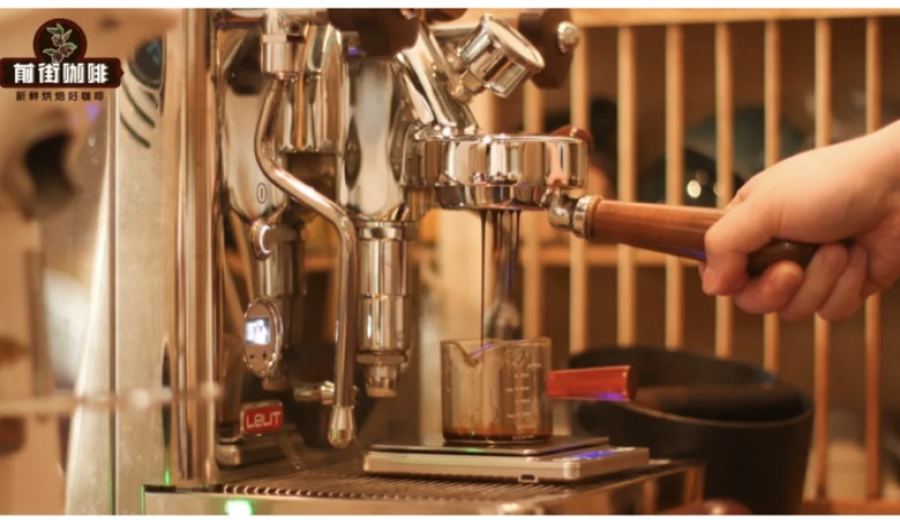
Introduction:Making a latte at home with an espresso machine—from preheating to cleaning—takes about 8 to 10 minutes in total. By mastering a stable routine and appropriate parameters, you can easily create a well-balanced cup of coffee. This article details the time allocation for each step, key techniques, and a cost analysis of homemade lattes, helping you save money while improving coffee quality.
Incorporating a semi-automatic home espresso machine into your daily life hinges on establishing a consistent and repeatable workflow. From powering on and preheating to final cleanup, making a standard latte takes roughly eight to ten minutes. Once you’re familiar with the overall rhythm, these steps will become second nature—like a morning routine. Typically, the machine takes about five minutes to warm up. During this time, you can grind the beans, weigh the dose, and prepare the milk. Once the group head reaches the optimal temperature, you can begin extraction.
The preheating stage is crucial for bringing the machine and its components to their ideal working condition. After filling the water tank and turning on the power, the group head and boiler need several minutes to reach a stable temperature. Meanwhile, it’s recommended to grind around 18 grams of coffee beans using the grinder—a suitable amount for most single shots of espresso.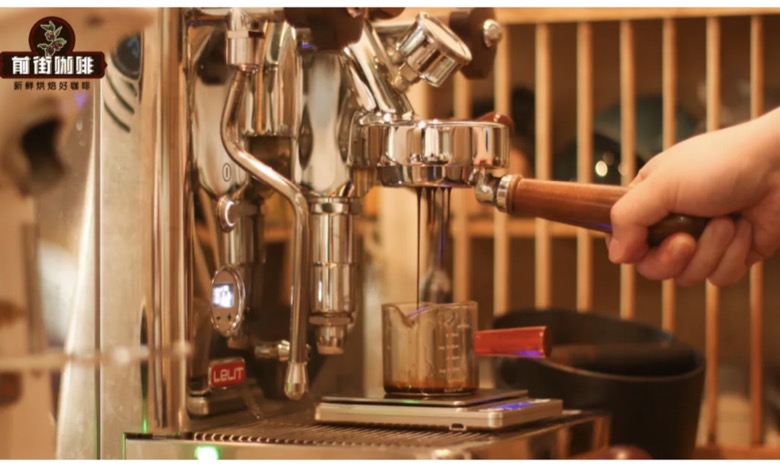
After placing the ground coffee into the portafilter, the next step is to distribute the grounds evenly to ensure a consistent layer. Then, use a tamper to press the coffee with moderate force. The key is to achieve a level surface with uniform density, not to apply excessive pressure. If done correctly, this will lead to a smoother extraction, with the coffee flowing out in a gradient from dark to light and yielding an espresso rich in crema within about twenty seconds.
It’s worth noting that steaming milk and extracting espresso can be done simultaneously. As soon as the espresso shot is complete, you can start steaming the milk with the steam wand. Generally, around 200 ml of milk is recommended, which will expand to approximately 250 ml of milk foam mixture after steaming. During the blending stage, start by pouring the milk from a higher position to gently combine it with the espresso, ensuring even integration. When the cup is about 70% full, lower the spout to create latte art, adding a visual touch to your drink.
From a cost perspective, making a latte at home offers significant savings. A single cup uses about 18 grams of coffee beans. Based on a 250g retail pack priced at around 60 yuan, the bean cost per cup is roughly 3 to 5 yuan. As for milk, depending on the brand and packaging, the cost is about 1 to 2 yuan. Overall, keeping the total cost of a homemade latte under 10 yuan is reasonable for daily consumption. Compared to ordering a latte on delivery platforms, often priced at 20 to 30 yuan, homemade costs less than one-third. If you drink around 30 cups per month, the long-term savings can be substantial.
Finally, although cleaning may seem simple, it should never be overlooked. Immediately after extraction, knock out the coffee puck and use a dedicated brush to clean the group head’s filter screen. It’s also advisable to rinse the portafilter handle to remove any leftover coffee grounds, while the steam wand can be wiped with a damp cloth and then purged with steam once to clear any residual milk inside. This entire cleaning process takes about 1 to 2 minutes but effectively extends the machine’s lifespan and ensures the flavor of your next cup remains uncompromised. Developing a habit of immediate post-use cleaning and performing a backflush once a week will keep maintenance in top shape, ensuring both time and cost efficiency for every latte you make.

The above content is compiled by CoffeeHunters, a coffee news website.

