








Introduction:Want to understand how Brazilian and Colombian coffee beans showcase nutty and sweet flavor profiles in a moka pot? This article delves into the unique characteristics of these two major coffee-growing regions when brewed with a moka pot, teaches you how to distinguish between medium and medium-dark roasts, and offers brewing suggestions for both single-origin and blended beans—so you can make richly layered black coffee or milk coffee at home using a moka pot.
Both Brazilian and Colombian coffee beans possess distinct nutty and sweet traits, but their flavor directions in moka pot extraction are actually quite different. Brazilian beans typically exhibit rich hazelnut, peanut brittle, caramel, and cocoa aromas, with an overall round and full-bodied mouthfeel, making them ideal as the base of a cup of coffee, delivering a solid and smooth black coffee experience. In contrast, Colombian coffee showcases sweet brown sugar notes, gentle caramel, mature fruit aromas, and subtle citrus tones, giving the brew more layers and vibrancy.
If you prefer a strong and steady sweetness, Brazilian single-origin beans are recommended as your first choice; if you enjoy a more vibrant and fruit-forward coffee, then Colombian is a great option. When blending, these two beans complement each other: Brazilian provides a solid foundation of nutty and cocoa notes, while Colombian adds brown sugar sweetness and fruity vibrancy, resulting in a more complete and rhythmic coffee flavor profile.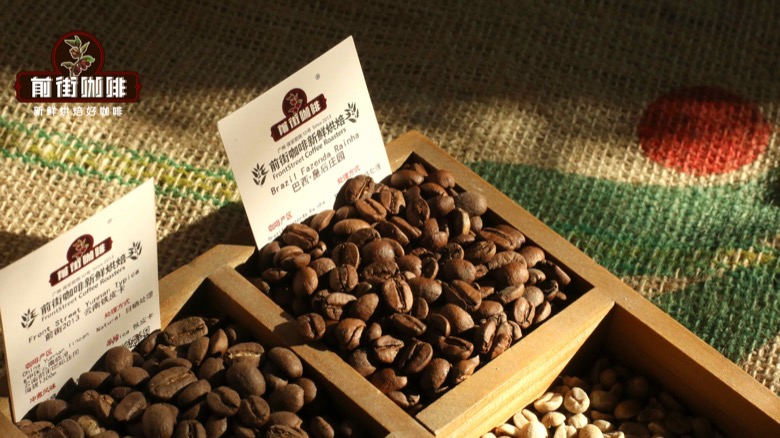
When brewing Brazilian single-origin beans with a moka pot, medium to medium-dark roasted beans can release intense roasted nut, caramel, and chocolate flavors under higher-concentration extraction. Once these elements are fully extracted in hot water, the mouthfeel is thick and noticeably sweet with a pleasant aftertaste. You can choose to sip it directly to experience the transition from nutty aroma to cocoa finish, or adjust the concentration by adding hot water according to your preference to create a black coffee suited to your taste. If you’d like to add some milkiness and foam, a small amount of milk is recommended, which highlights associations with hazelnut and buttery caramel—especially fitting alongside breakfast toast or croissants.
In comparison, Colombian single-origin beans present a more fluid and sweet aromatic profile in the moka pot. During extraction, brown sugar, caramel, and ripe fruit aromas are concentrated into a smooth and cohesive flavor, complemented by moderate acidity that brings a lively brightness, ensuring this cup of black coffee remains rich yet clearly layered. A medium roast is recommended to preserve the brown sugar and fruit notes, ideal for direct enjoyment; if you prefer a stronger cocoa and nut presence, a medium-dark roast is suitable, and in this case, a touch of milk helps soften the mouthfeel. If you usually brew small servings, reducing the water ratio makes the sweetness more concentrated; if you wish to extend your coffee enjoyment time, diluting with water allows the aromas to unfold more gracefully.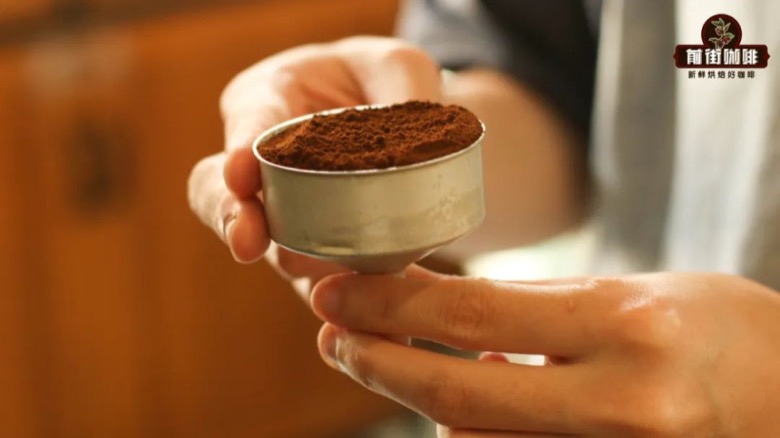
If you want to try blending Brazilian and Colombian beans, it’s recommended to use Brazilian as the “base” of the overall flavor, providing stable nutty and caramel notes, while Colombian plays the role of “enhancer,” adding brown sugar sweetness and fruity vibrancy. When the proportion of Brazilian beans is higher, the cup will lean more toward hazelnut, cocoa, and caramel; increasing the Colombian beans will make the brown sugar, ripe fruit, and gentle acidity more pronounced. This blending approach is highly flexible—whether you prefer pure black coffee or want to soften it with a bit of milk, you can achieve your ideal taste by fine-tuning the ratio.
When using a moka pot to brew such blends, it is recommended to grind the beans to a coarseness between pour over and espresso—that is, slightly finer than pour over but slightly coarser than espresso—to ensure even extraction without over-extraction. When filling the coffee chamber, simply level the coffee grounds without overly compacting them to avoid affecting water flow. It’s advisable to use a small to medium flame to allow the water temperature to rise steadily, so the coffee flows out smoothly and continuously. Once you notice the color of the coffee at the end of the brew turning lighter, remove the heat source to prevent over-extraction and bitterness. This brewing method fully preserves the nutty sweetness and caramel aromas of both Brazilian and Colombian beans, ensuring each cup is rich yet layered in flavor.
The above content is compiled by CoffeeHunters, a coffee news website.

