







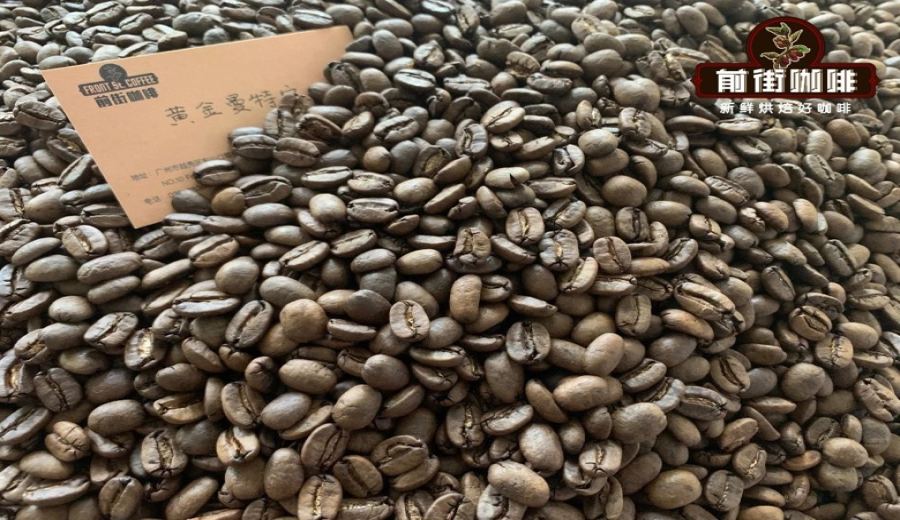
Introduction:Want to brew Mandheling with a moka pot to bring out its rich and full-bodied flavor, but not sure which beans to choose? Mandheling from Indonesia’s Sumatra region is known for its dark chocolate, spicy, and woody notes. When paired with the high-concentration extraction of a moka pot, it can perfectly highlight its deep flavor layers. This article will explore the unique wet-hulled processing method of Mandheling, the ideal roast levels, and provide practical bean flavor options and brewing parameters to help you easily brew a bold yet balanced black coffee.
Mandheling is an excellent choice to showcase the steady character of a moka pot. This coffee from Indonesia’s Sumatra region typically features flavor profiles including dark chocolate, spicy notes, woody tones, herbal aromas, and hints of brown sugar sweetness. Its acidity is mild, and the body is full. Since the coffee brewed with a moka pot has a high concentration, it can intensify these deep flavors. Therefore, when selecting beans, focus on their body, sweetness, and spice complexity rather than just the roast color.
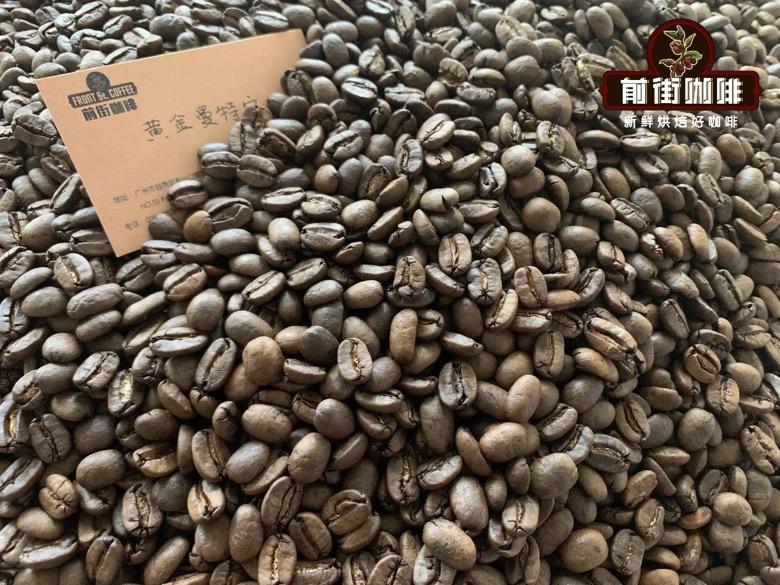
The unique flavor of Mandheling is closely tied to the wet-hulling process commonly used in Sumatra. After the coffee cherries are depulped and undergo initial drying, the beans are hulled at a relatively high moisture content, resulting in a distinctive surface texture and contributing to its unique flavor profile. This process yields a soft acidity, a solid body, as well as complex notes of herbs, spices, and cocoa-like richness. When brewed with a moka pot, the deep flavors of wet-hulled Mandheling are more concentrated compared to pour over. Sipped black, you can enjoy the silky texture of brown sugar and dark chocolate; when diluted with hot water, the woody and spicy aftertaste becomes even more lingering. For those who prefer a steady and mellow flavor, choosing a medium to dark roast can balance sweetness and body.
When making your selection, you can refer to the flavor descriptions on the packaging. If keywords like cocoa, brown sugar, or roasted nuts are listed, the beans are generally suitable for making strong black coffee. If the description also includes terms such as spices, herbs, or smoky woody notes, the cup will have a more distinctive personality, perfect for savoring slowly. Mandheling with higher roast development often exhibits caramel, dark chocolate, and roasted nut tones, making it ideal for breakfast or afternoon moments when you want a fuller-bodied cup. Those with moderate development retain more spice and ripe fruit aromas, offering a more complex flavor layering. These differences can be fine-tuned by adjusting the water-to-coffee ratio—higher coffee concentration results in a thicker mouthfeel, while adding more hot water highlights the aromatic expression.

During brewing, it is recommended to set the grind size slightly finer than pour over but slightly coarser than espresso. Fill the coffee chamber to the top and level it off—do not tamp. Fill the water chamber up to just below the safety valve, then heat over low to medium heat. Once the coffee begins to drip, observe the flow rate and color changes, and turn off the heat immediately when the last drops turn lighter in color. Mandheling has a dense structure, and properly managing the later stages of extraction can make the spice and cocoa flavors clearer. If you wish to make a milk-based drink, increase the coffee concentration first and then add a small amount of milk—the combination of brown sugar, cocoa, and milk will yield a smooth and rounded taste. Opting for pure black coffee allows you to better appreciate the richness and long-lasting aftertaste of wet-hulled Mandheling.
The above content is compiled by CoffeeHunters, a coffee news website.

