Introduction:As a classic variety of Arabica coffee, Bourbon comes in three captivating color mutations—red, yellow, and pink—not only visually enchanting but also endowing the coffee with unique flavor profiles. This article delves into the origins, regional distributions, cupping characteristics of these three major Bourbon branches, and includes practical selection and pour over brewing references to help you choose the most suitable Bourbon coffee beans based on your taste preferences.
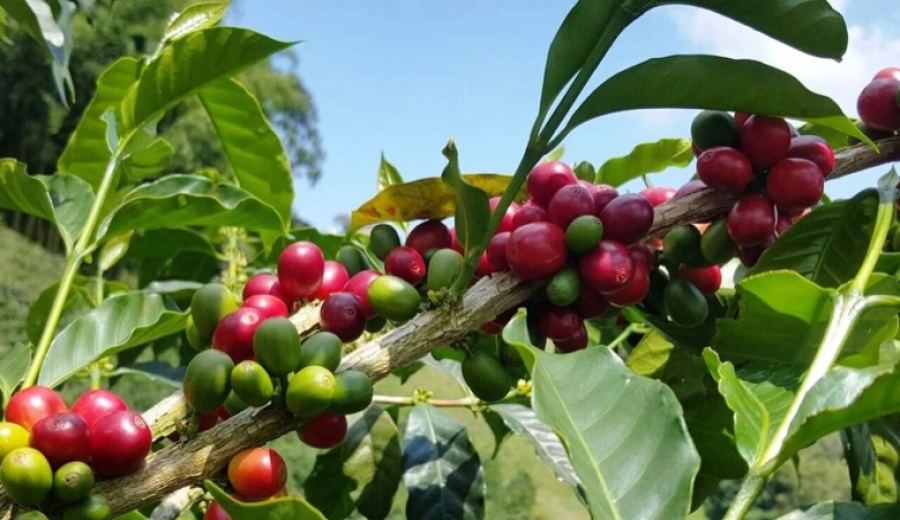
In the evolutionary tree of Arabica coffee varieties, Bourbon and Typica are considered two foundational lineages. Tracing back to its roots, Bourbon was originally a variant of Typica from Yemen. Through trade, it was brought to Réunion Island in the Indian Ocean (formerly known as Bourbon Island), where, in isolation, its genetic traits gradually stabilized before spreading to Brazil, Central America, and East Africa. In adapting to different climates and soils, Bourbon developed mutations where the cherries turned red, yellow, or pinkish-orange upon ripening, leading to what we now know as Red Bourbon, Yellow Bourbon, and Pink Bourbon. For coffee enthusiasts, understanding the traits of these mutations is an important starting point for exploring the varietal map of specialty coffee.
The original Bourbon variety originated from a Typica mutation that was introduced to Réunion Island from Yemen. After centuries of natural and selective breeding, it developed a distinct conical tree shape with lateral branches extending upward at an angle. Its overall yield is slightly higher than that of Typica, and it shows more efficient sugar conversion in the fruit, often exhibiting a more pronounced sweetness. Alongside Typica, it stands as one of the classic dual cores of Arabica. Many popular varieties today, such as Caturra, Pacas, and Catimor, can be traced back to the Bourbon lineage. For example, the Typica variety commonly grown in Yunnan is known for its clean and balanced flavor profile. Take a Yunnan sun-dried Typica released by a certain shop in 2013, for instance—it reveals layers of citrus and caramel when brewed, and with medium to dark roasting, it even presents nutty and chocolatey aftertastes, showcasing the timeless charm of a classic old variety distinct from the Bourbon family.
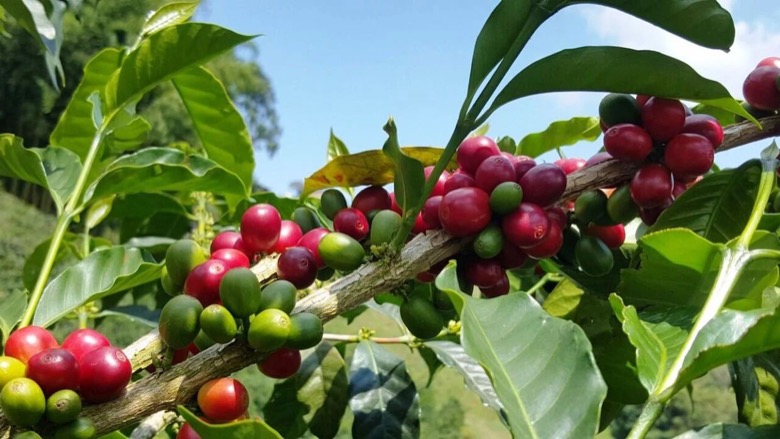
Red Bourbon is the most traditional and widely cultivated mutation of Bourbon. Its cherries transition sequentially from green to orange and ultimately mature into a deep red hue.Its flavor profile is known for being well-balanced and easy to enjoy.: The sweetness is solid yet not cloying, the acidity is soft and mellow, often accompanied by notes of caramel, red apple, and gentle fruitiness. The body (mouthfeel) is round and full. Regions such as Brazil, Rwanda, and Burundi often cultivate Bourbon with red fruit, and the Red Bourbons from these areas often form the flavor foundation of what many associate with a “classic coffee taste.” It’s suitable for brewers who prefer a smooth and rich mouthfeel.
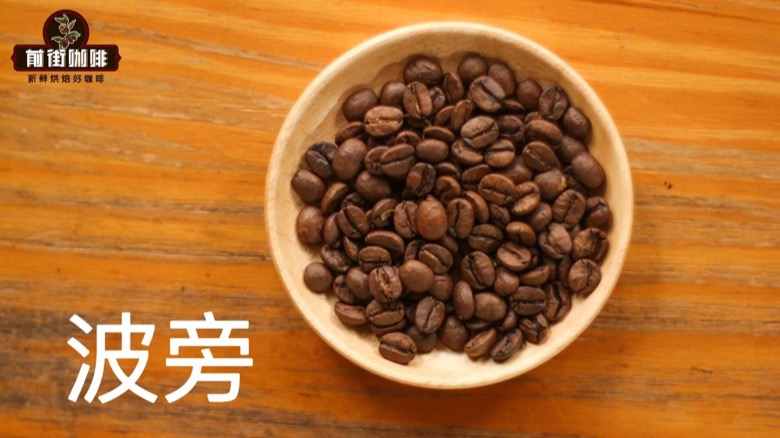
Yellow Bourbon is distinguished by its bright, vivid yellow cherries upon ripening—a variation caused by a recessive genetic mutation.The key difference lies in the earlier and more complete accumulation of sugars., making Yellow Bourbon renowned for its high sweetness. Upon tasting, it often presents clean, sugarcane- or honey-like sweetness, with delicate and smooth acidity, and an overall flavor profile that tends toward bright and refreshing. Many well-known estates in Brazil list Yellow Bourbon as a flagship variety, consistently scoring highly in cupping evaluations. For example, a tasting of Yellow Bourbon from Brazil’s Fazenda Rainha estate often reveals a rich foundation of nuts and cocoa, paired with pronounced caramel sweetness and a balanced, smooth finish—making it a quintessential representation of Brazil’s solid sweet flavor profile.
Pink Bourbon, on the other hand, is an emerging new variety in recent years. Its cherries turn a charming pinkish-orange upon ripening and is mainly popular in Central and South American regions such as Colombia.Research suggests it may be a natural hybrid offspring of Yellow Bourbon and an Ethiopian landrace variety., giving it a relatively complex genetic background, but also contributing to its unique cupping performance. When brewed, it often releases rich floral aromas, with nuanced and layered fruit acidity, while its sweetness resembles the thick, luscious feel of peach jam. In the Bourbon family, its complexity ranks among the top. Due to its limited production and higher cultivation management requirements, Pink Bourbon is mostly found in small-batch specialty processing stations, with limited market availability—it’s often the case that “one bean is hard to find.” It’s suitable for coffee explorers seeking rare and distinctive flavors.
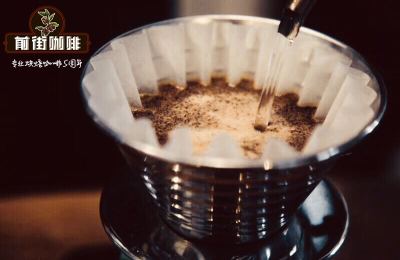
From red to yellow to pink-orange, the Bourbon family interprets multiple variations of the same sweet genetic trait through fruits of different hues. The next time you’re browsing a coffee shop’s bean menu or shopping online, if you spot a “Bourbon” option, pay extra attention to the color prefix—members of the Bourbon family from the same region may offer completely different surprising flavor experiences due to differences in fruit color. If you’re experimenting with pour over brewing, it’s recommended to use medium-light roasting with water at 92–94°C for Red Bourbon to highlight fruity and balanced acidity-sweetness; for Yellow Bourbon, opt for medium roasting and 90–92°C water temperature to emphasize sweetness and body; for Pink Bourbon, medium-light to medium roasting is ideal, with water temperature controlled at 90–93°C to fully bring out its delicate floral and fruity notes.
The above content is compiled by CoffeeHunters, a coffee news website.