Introduction:Many people believe that the higher the altitude of coffee beans, the better their flavor, but the relationship is actually more complex than it seems. This article will delve into how altitude affects the flavor characteristics of coffee, helping you understand why certain high-altitude regions can produce beans with bright acidity and rich complexity, while also highlighting the unique charm of low-altitude beans. From real-world regional examples to purchasing tips, this guide will help you choose the coffee beans that best suit your taste based on altitude and other factors.
In the world of coffee, "high altitude" has almost become synonymous with high quality. Walk into any specialty coffee shop, and you’re likely to hear baristas emphasize that their beans come from high-altitude regions. However, while altitude is indeed an important factor influencing coffee flavor, it’s not as simple as "the higher, the better."
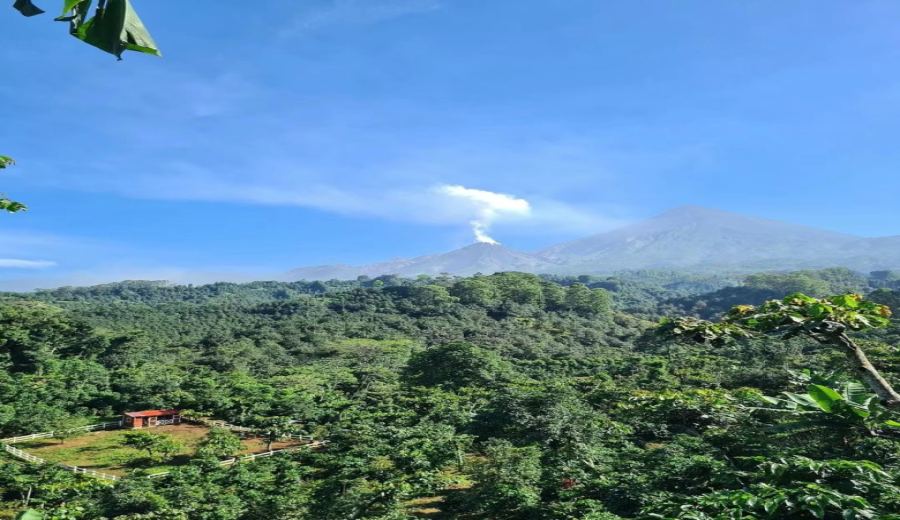
High altitudes are typically associated with large diurnal temperature variations and cooler temperatures. Under such conditions, the ripening process of coffee cherries slows down, allowing more time for flavor compounds to accumulate. At the same time, the coffee beans also become denser, resulting in brighter and livelier acidity. This is why many well-known coffees come from mountainous regions at elevations above 1,500 meters.
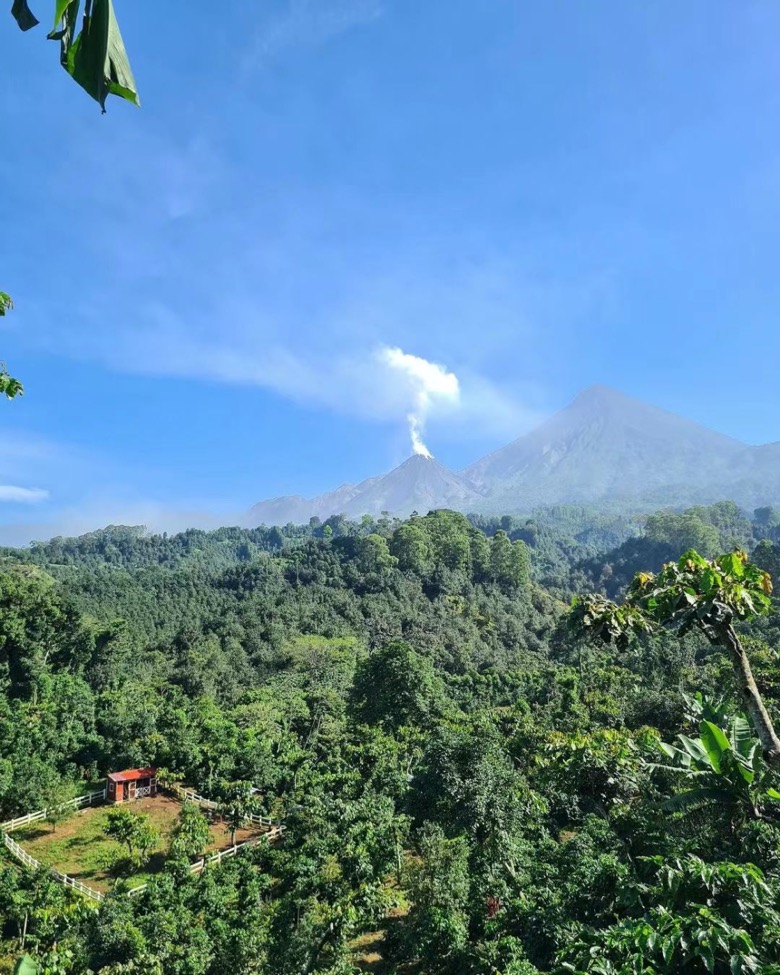
For example, coffee grown at elevations between 1,550 and 1,750 meters, when paired with specific cultivars, often exhibits unique fruit acids reminiscent of cherry tomatoes or dark plums. In areas between 1,650 and 1,800 meters, special processing methods can also bring out intense passion fruit and blueberry-like juice flavors.
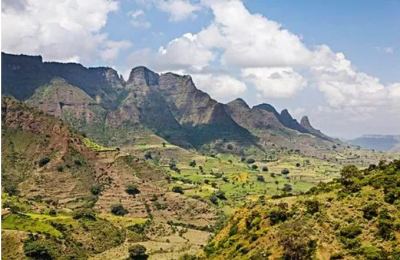
However, high altitude does not guarantee exceptional flavor. Even within the same mountain range, factors such as slope orientation, cloud cover, and soil type can significantly impact the final profile of the coffee. For instance, in Ethiopia’s Kafa Forest at elevations ranging from 1,400 to 2,100 meters, the long-term presence of fog, tree shade, acidic red soils, and the natural growing environment of wild coffee trees often produce coffee with captivating aromas of jasmine, citrus, and wild berries.
Additionally, coffee variety and soil type are also key factors. Even at the same altitude, different varieties—such as Geisha and Typica—can yield vastly different flavor profiles. The former is known for its floral notes, while the latter tends to be more clean and balanced.
It’s worth noting that low-altitude coffee is by no means synonymous with poor quality. Regions like Brazil, where altitudes are generally lower, can still produce coffee with rich sweetness and a smooth mouthfeel thanks to stable climates and mature cultivation techniques. Some Brazilian beans are even favored for their low acidity, bold nutty and cocoa notes, and pronounced caramel sweetness, making them well-suited for pour over, espresso, or moka pot brewing.
Furthermore, certain micro-regions in Panama, through the combination of high altitude and volcanic soil, can also create coffee with layered and long-lasting flavors—unique characteristics that are not easily replicated at lower altitudes.
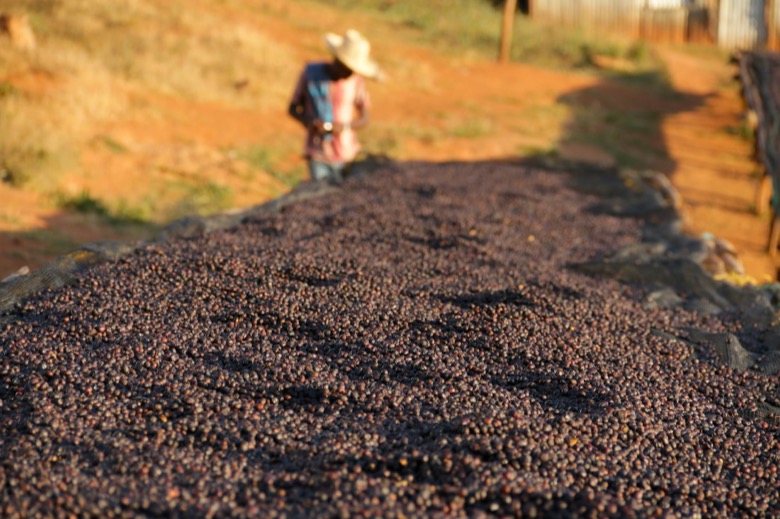
So, how should consumers view altitude when selecting coffee beans? Simply put, if you prefer bright acidity and rich fruity and floral notes, you may want to prioritize specialty beans from high-altitude regions in Africa or Central and South America. On the other hand, if you lean toward richer, sweeter-tasting coffee, medium-to-low altitude beans or those roasted darker might suit your palate better.
But remember, altitude is just one of many factors that influence flavor. Even two beans from the same altitude can end up with vastly different flavor profiles depending on the processing method or roast level.
In summary, altitude provides an important foundation for coffee flavor, but what truly shapes the unique character of a cup of coffee is the combined influence of variety, soil, processing method, and roasting technique. The next time you see an altitude indication on a coffee package, consider it a clue to explore the origin of the beans, rather than blindly chasing a "the higher, the better" score.
The above content is compiled by CoffeeHunters, a coffee news website.