
Introduction:Yemeni Mocha is not just a term in the world of coffee — it is also the starting point of coffee’s journey to the global stage. From the ancient ports along the Red Sea to the tables of European aristocrats, this five-hundred-year journey bears witness to how coffee evolved from a local beverage into a worldwide commodity. This article will take you on an in-depth exploration of the historical origins, true flavor profile, and deep connection of Yemeni Mocha beans with modern coffee culture.
In the long history of coffee, the word “Mocha” is almost universally known, yet it is often misunderstood as synonymous with chocolate flavor or as a type of coffee brewing device. In fact, hundreds of years ago, Mocha referred to a port city on the Red Sea coast of Yemen — a crucial gateway through which coffee traveled from Ethiopia to the rest of the world. This story of coffee’s “gateway to the sea” begins in the highland regions of Yemen.
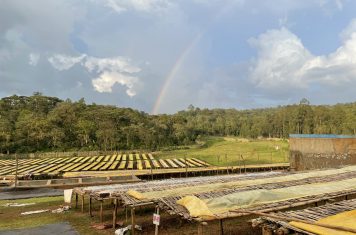
The origin of Arabica coffee lies in Ethiopia’s Kaffa Forest, considered the genetic birthplace of the coffee plant. Around the 15th century, coffee crossed the Red Sea and entered Yemen. This dry, high-altitude mountainous area unexpectedly became an ideal environment for coffee cultivation. The locals quickly fell in love with this energizing beverage, and the Port of Mocha became the main hub for exporting coffee to Europe and beyond. It can be said that the coffee culture familiar to the world today first set sail from this very port.
In those days, the Port of Mocha was a hotspot for European merchants. Coffee beans shipped from here entered the European market via Venice and quickly captured the hearts of nobles and literati, becoming a symbol of social status and refined living. The name “Mocha” has since been inextricably linked with coffee, an association that influences us to this day. Interestingly, many people assume that “Mocha” flavor refers to chocolate, but in reality, traditional Yemeni Mocha beans exhibit a vinous acidity — with layered complexity reminiscent of red wine. This is the true flavor characteristic of Mocha.
Centuries later, Italians invented the Moka pot — a device that uses steam pressure to quickly extract coffee, serving as an alternative tribute to the name “Mocha.” When using a Moka pot, key factors include controlling water temperature and grind size; it is recommended to maintain a water temperature between 90–96°C and use a grind similar to granulated sugar to facilitate the release of oils and concentrate flavors. For instance, a classic blend is specially crafted for both espresso machines and Moka pots, where its Mamba ratio delivers a rich and smooth taste. It’s easy to extract fine crema at home, whether you’re making black coffee or a latte. If you prefer a mellow and balanced profile, a Brazilian Queen Estate bean is also an excellent choice for the Moka pot. Its nutty and cocoa aromas become even more intense under the pot’s pressure, accompanied by a distinct caramel sweetness.

The reason Yemeni Mocha holds such a pivotal position in the history of coffee development is that it transformed coffee from a mere regional beverage into an international trade commodity. In its time, Yemen was not only a gateway for coffee export, but also helped shape the early framework of the coffee market. However, due to Yemen’s harsh natural environment, limited growing conditions, and small production volumes, it is no longer easy to enjoy authentic Yemeni Mocha beans today. More often than not, we are reminiscing about the era when coffee was just beginning to make its way into the world through this piece of history.
Meanwhile, on the other side of the Red Sea, in Ethiopia, the coffee culture remains vibrant and rich. Take a certain Yirgacheffe Guddina bean, for example, which carries the flavor characteristics of the region across millennia: bright citrus notes, the sweet-tart layers of berries, and delicate floral aromas — as if taking you back to the very moment coffee was first discovered. These flavors are the very coffee genes that Yemeni Mocha once brought to the world, and they remain vividly alive to this day.
The next time you use a Moka pot and catch the rich aroma of coffee, take a moment to savor it. What you’re experiencing is not just the boldness of black coffee, but a microcosm of a journey spanning the Red Sea and five hundred years. The story of Yemeni Mocha lies quietly within every cup of coffee, waiting for those who know how to listen to appreciate its depth and charm.
The above content is compiled by CoffeeHunters, a coffee news website.