Introduction:Explore the unique charm of the Guji Hambela zone under Ethiopia's Guji region — a high-altitude coffee-growing area renowned for producing washed processed beans with delicate flavors and pronounced sweetness. This article delves into how Hambela, through its geographical conditions, climate environment, and processing methods, creates a specialty coffee with intense fruity aromas and refreshing sweetness, while also offering practical drinking recommendations.
Among the many high-altitude coffee regions in Ethiopia, Hambela has gradually gained prominence in recent years. Located within the Guji zone, this area is widely praised for its Huila coffee beans, which boast intense fruity characteristics. Notably, the region’s exceptional geographical environment — particularly its high altitude — is a key factor enabling its beans to exhibit outstanding sweetness.
The Geography and Growing Conditions of Hambela
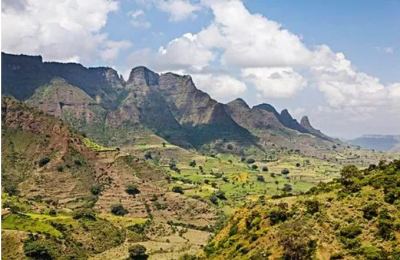
Hambela is situated in the Guji region of southern Ethiopia, characterized by mountainous terrain and frequent cloud cover. Coffee farms are primarily located on higher-altitude slopes. Compared to lower-altitude areas, the elevated elevation here helps extend the ripening period of coffee cherries, allowing sugars in the fruit to accumulate more fully, thereby laying a richer and more natural foundation for sweetness in the coffee.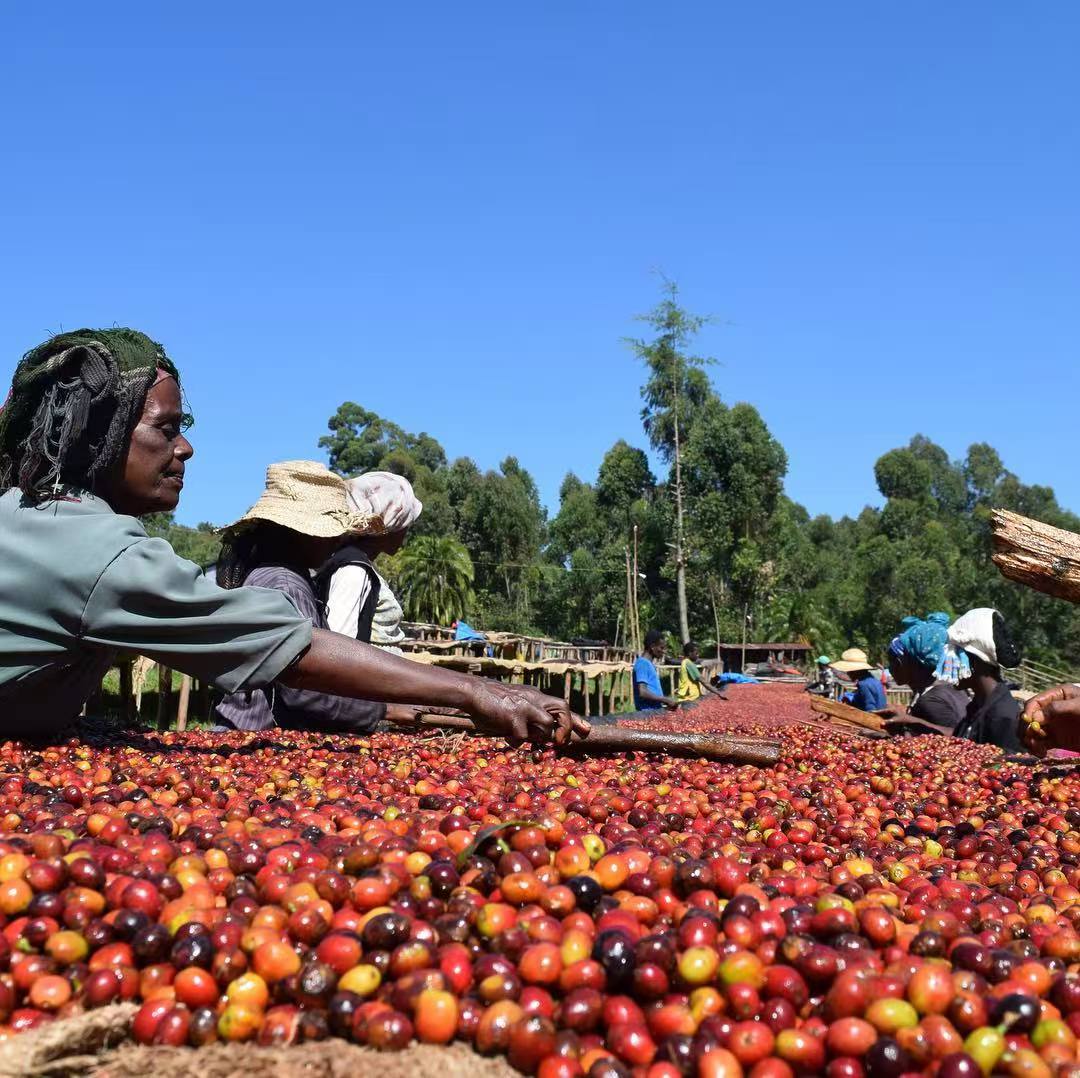
The Mechanism of High Altitude’s Impact on Coffee Sweetness
High-altitude growing environments feature greater diurnal temperature variations and relatively lower average daily temperatures. Under such conditions, the growth rate of coffee trees naturally slows down, and coffee cherries remain on the tree for a longer period. This “slow ripening” process helps concentrate flavor compounds and sugars within the beans. As a result, brewed coffee often presents a fuller sweetness along with a cleaner and brighter acidity — one of the main reasons why coffee batches from the Hambela region exhibit high flavor distinguishability. Generally speaking, coffee beans labeled as high-altitude grown usually have advantages in terms of flavor intensity and complexity.
How Processing Methods Enhance Sweetness Expression
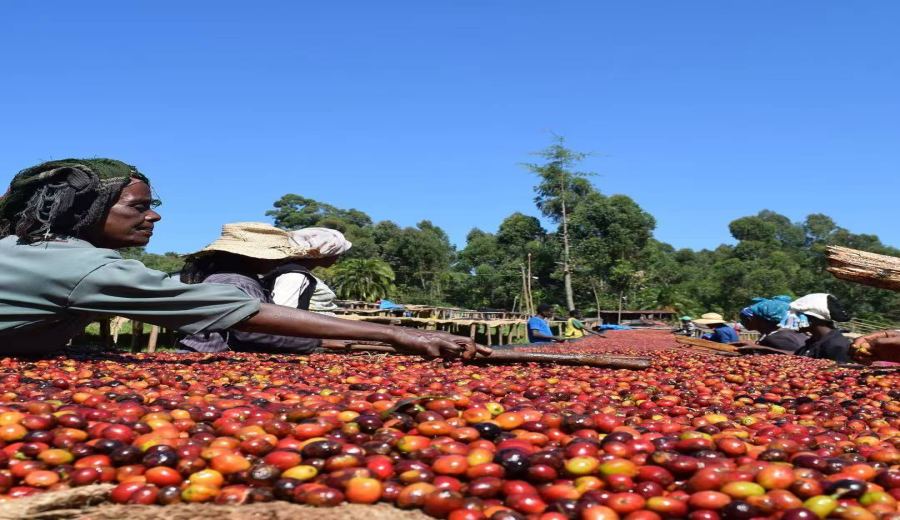
In high-altitude regions like Hambela, different coffee bean processing methods also significantly influence the final flavor presentation, especially the expression of sweetness. The natural (sun-dried) processing method allows natural sugars from the fruit pulp to penetrate more deeply into the bean core, imparting a rich, tropical-flavored sweetness. Therefore, bean varieties known for their tropical fruit aromas, such as Huila, are often processed using this method. In contrast, washed processing emphasizes purity and clarity of flavor. While its sweetness is more restrained, the mouthfeel is cleaner and more defined. Regardless of the processing method used, the presence of sweetness can be felt — it simply manifests in distinct styles.
Tasting the Flavors of Hambela: Recommended Bean Options
If you want to personally experience the characteristics of Hambela’s coffee, you might start with more readily available washed or natural processed beans on the market. For example, a brand’s Ethiopian Huila coffee, processed via washed method, showcases bright acidity and delicate fruitiness — ideal for coffee enthusiasts new to the Hambela style. If you prefer a richer sweet aroma experience, another brand’s Granja La Esperanza Geisha coffee from the same Guji region, processed using slow natural drying on Ethiopian native Geisha variety, offers sweet fruit notes reminiscent of guava and apricot — making it an excellent choice for advanced tasting.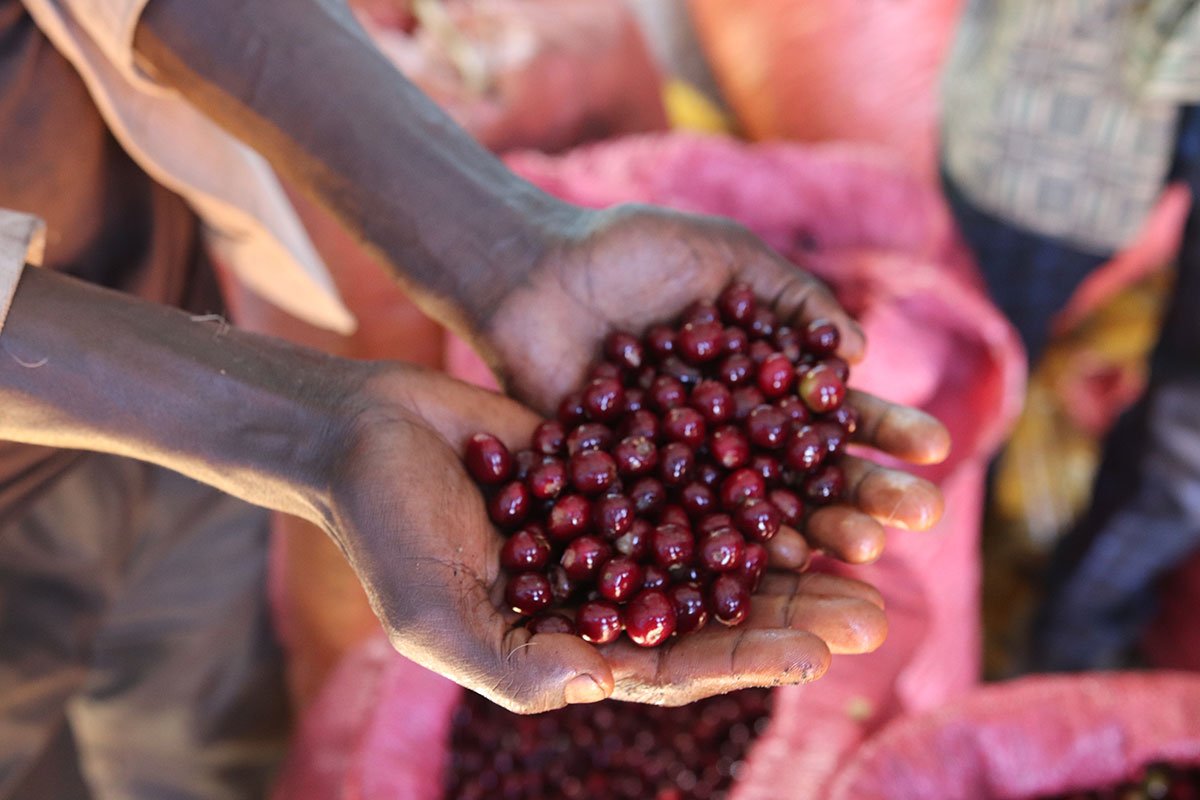
In summary, the sweetness of Hambela’s coffee comes from the slow ripening process facilitated by the high-altitude environment, coupled with the clever use of different processing methods, allowing each batch of beans to showcase its unique flavor personality. Why not start with a classic washed bean and gradually experience the transformation of sweetness from origin to cup?
The above content is compiled by CoffeeHunters, a coffee news website.