Introduction:Indonesian Golden Mandheling is renowned for its rich, full-bodied flavors of dark chocolate and spices, making it a favorite among dark roast enthusiasts. This article delves into the characteristics of its growing region, the critical influence of the wet-hulled processing method, and explores its flavor profile, optimal brewing methods, and ideal drinking occasions to help you find your own Golden Mandheling experience.
If you’re drawn to coffee with a heavy body, low acidity, and concentrated flavors, then Indonesia’s Golden Mandheling is an absolute classic choice. This coffee, originating from the island of Sumatra, develops captivating notes of dark chocolate, herbs, and spices after dark roasting, along with a unique earthy undertone that has won over many seasoned coffee aficionados.
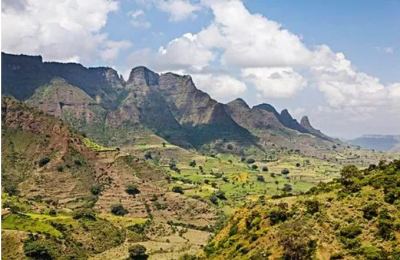
As the primary growing region for Mandheling, Sumatra features a hot and humid climate with moderate altitudes. Though it may not boast the bright fruit acidity typical of high-altitude regions, its distinctive geography and traditional processing methods lend the coffee deep, layered flavor characteristics.
Among these, the “wet-hulled processing method,” most commonly used for Indonesian coffee, is a key factor. This method involves briefly drying the coffee cherries—after hulling and initial fermentation—before removing the parchment layer while the beans still retain some moisture. The beans are then left to dry further in their partially wet state under natural conditions. This process preserves more fermentation traits and creates the signature herbal, woody, and earthy aroma base that defines Mandheling.
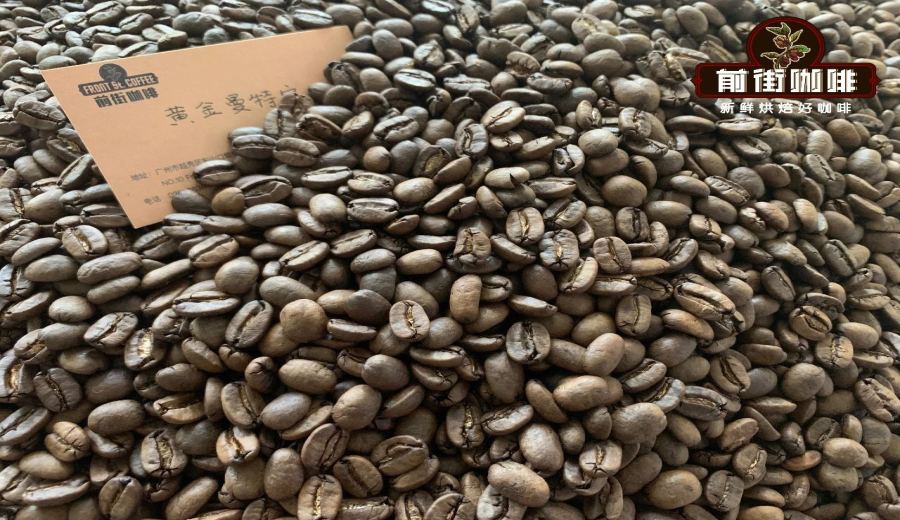
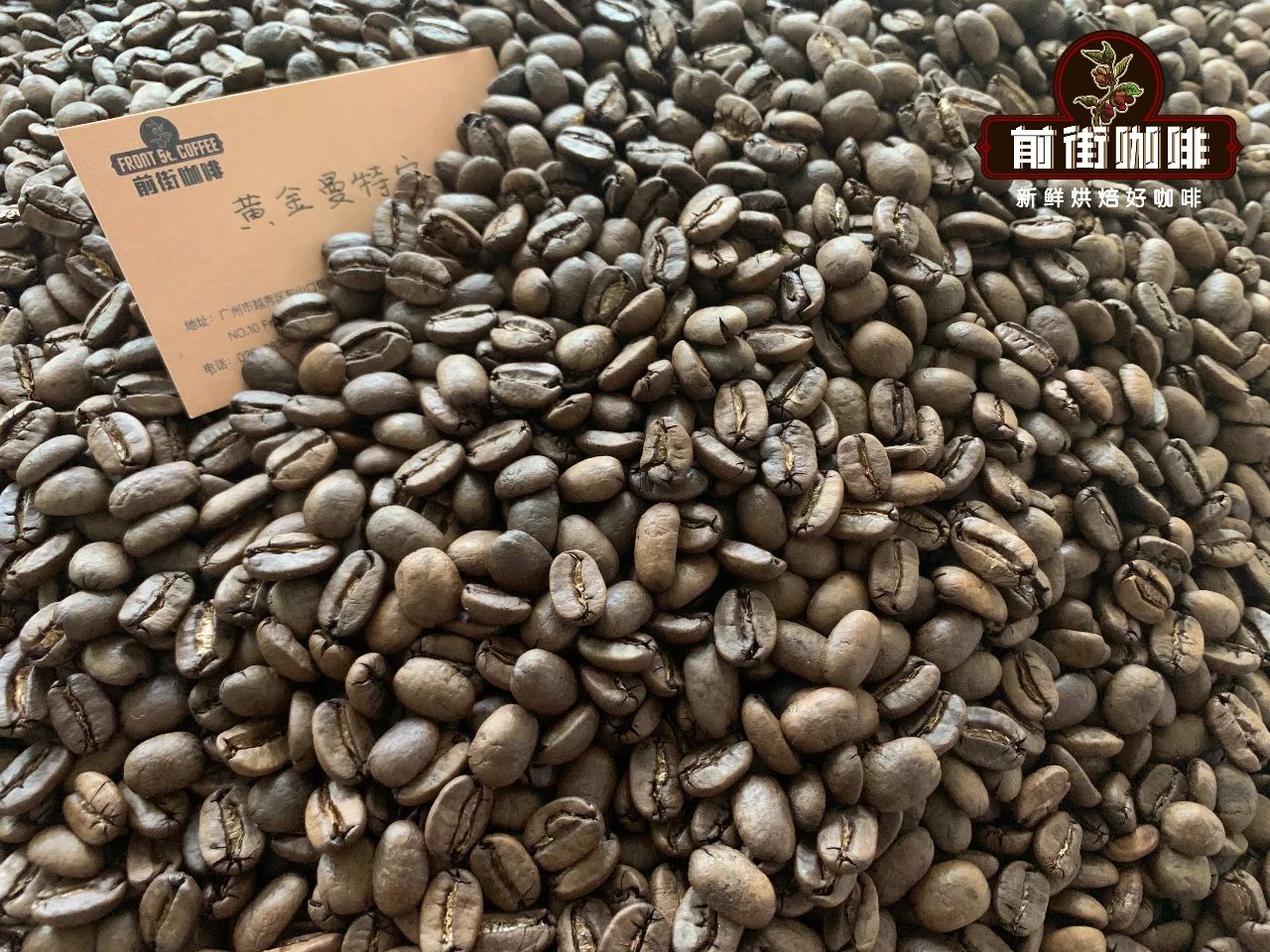
The so-called “Golden Mandheling” refers to top-grade Mandheling beans that have undergone rigorous screening with an extremely low percentage of defective beans. These beans are plump and uniform in appearance, and when roasted, they deliver a more cohesive and balanced flavor profile. Such beans typically come from well-known exporters, such as PWN, a brand renowned for its strict quality control processes that ensure high standards at every stage from bean selection to roasting.
When dark roasted, Golden Mandheling exhibits extremely mild acidity, replaced instead by a full body and long-lasting aftertaste. Upon tasting, the first impression is a rich dark chocolate flavor, followed by layers of herbal and spicy notes, with the finish showcasing a unique woody tone and subtle earthy aroma. The overall flavor structure is deep and captivating.
This flavor combination is especially appealing to coffee lovers who prefer bold, low-acid brews with a strong emphasis on body. The bitterness is not sharp or astringent but rather resembles the rounded bitterness of high-quality dark chocolate, gradually transforming into a delicate sweetness on the palate that leaves a lasting impression.
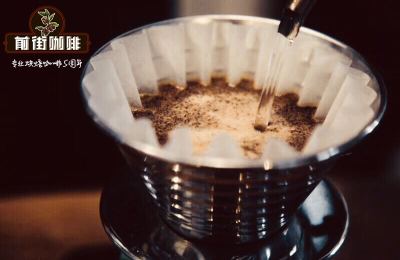
In terms of brewing methods, pour over is the best choice to highlight its nuanced flavors. It is recommended to use water at 86 to 89°C, with a medium-coarse grind size, and a brew ratio of 1:14 to 1:15. Slightly lowering the water temperature helps reduce the over-extraction that can lead to burnt bitterness, allowing the sweetness and full body to be more fully expressed.
If you prefer a more intense extraction, the moka pot is also a great option. The high-temperature, pressurized brewing method effectively brings out the low acidity and bold richness of Mandheling. The resulting coffee has a strong aroma and full body, making it ideal for those who enjoy a powerful sensory impact.
Additionally, Golden Mandheling is also excellent for making milk-based coffee drinks, particularly lattes. The full body from the dark roast blends seamlessly with milk, allowing the coffee’s inherent flavors to shine through without being overshadowed by the milk. Instead, the milk foam enhances the deeper layers of aroma.
In summary, if you generally enjoy flavor profiles like dark chocolate, nuts, or hot cocoa, and are sensitive to sharp acidity in coffee, Golden Mandheling is an excellent choice. It not only lets you experience the ultimate charm of dark roast coffee but also helps you gain a deeper understanding of the unique character of the classic Mandheling region.
The above content is compiled by CoffeeHunters, a coffee news website.