







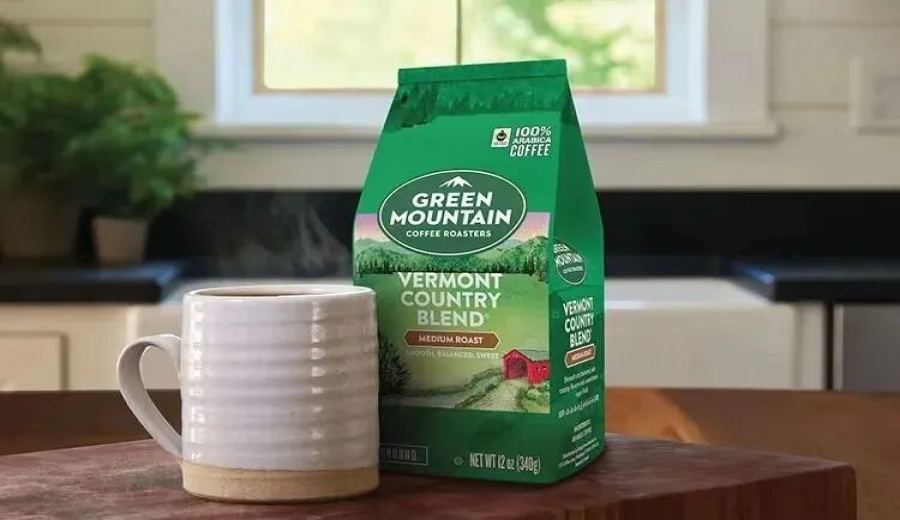
Introduction:Blue Mountain coffee enjoys global renown, but frequent confusion with brands like Green Mountain and counterfeit products has left many consumers puzzled. This article delves into the essence of Green Mountain coffee, the strict grading system of Jamaican Blue Mountain coffee, and offers practical tips for identifying authentic Blue Mountain coffee, helping you understand how to choose truly high-quality Blue Mountain beans.
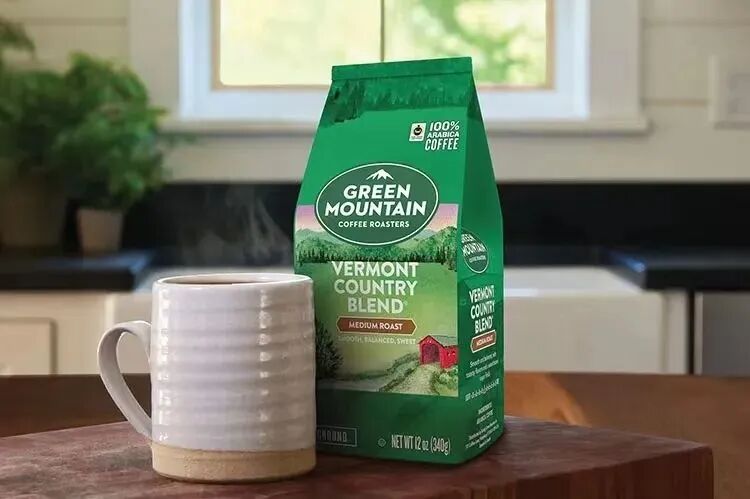
Blue Mountain coffee had already gained fame as early as the 20th century, becoming the pinnacle choice for coffee enthusiasts. However, in recent years, a brand called "Green Mountain Coffee" emerged, raising questions: "Is Green Mountain Coffee trying to ride on the fame of Blue Mountain?" or "Is it fake Blue Mountain?" In reality, Green Mountain Coffee is not coffee beans at all, but a well-known American coffee brand founded in 1981, headquartered in Vermont. It went public on NASDAQ in 1993 and was acquired by a German consortium for $13.9 billion at the end of 2022.
Green Mountain Coffee initially started with roasted coffee beans. Its founder formulated a "three-step" strategy: first, entering the high-end market from the low-end, focusing on high-quality Arabica beans; second, establishing an Environmental Stewardship Committee to emphasize environmental protection and social responsibility, enhancing the brand image; and third, improving the professionalism of roasting to ensure quality consistency. However, as coffee bean costs rose, Green Mountain Coffee shifted toward developing coffee machines and K-Cup systems, successfully opening up a new market. Its KEURIG coffee machines, paired with patented K-Cups, made brewing coffee simple and fast—taking just one minute without the need to grind beans, measure, or clean, making it highly popular among American households and businesses.
Green Mountain Coffee doesn’t profit primarily from the coffee machines. The KEURIG machines, priced at just over $100, are merely an entry point—the real profits come from the K-Cups. A pack of 24 K-Cups typically sells for $12, about $0.50 per cup. With 16 million installed machines, assuming one cup per day, annual consumption reaches up to 6 billion cups. Green Mountain also licenses its K-Cup system to other beverage brands, charging a 6-cent royalty per cup, creating a unique business model. Therefore, aside from their similar names, Green Mountain Coffee and Blue Mountain coffee have almost no connection. True Blue Mountain coffee is the real legend in the coffee world.
The fame of Blue Mountain coffee stems from the Blue Mountains on the eastern part of the island. As early as the British colonial period, then-Governor Nicholas Lawes introduced the first coffee tree from Martinique, marking the beginning of coffee cultivation in Jamaica. However, for the next two centuries, Jamaica did not prioritize the coffee industry until 1932 when the government decided to reduce dependence on sugarcane and actively promote coffee cultivation, with quality improvement—not quantity—as the main goal. This laid the foundation for the later prestige of Blue Mountain coffee.
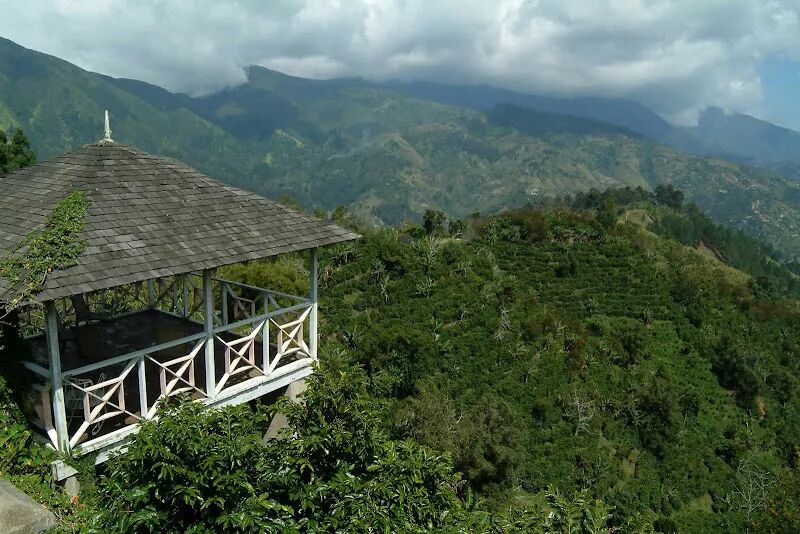
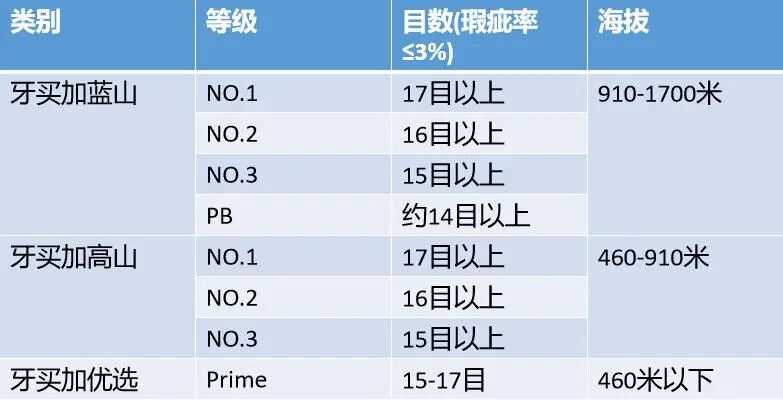
In 1953, the Jamaica Coffee Industry Board first clearly established the standards for Blue Mountain coffee, ensuring that only coffee meeting specific criteria could bear the name "Blue Mountain." According to the regulations, only Arabica Typica variety coffee grown between 910 and 1700 meters in four key regions—St. Andrew, St. Mary, St. Thomas, and Portland—can be called "Jamaica Blue Mountain Coffee." These four regions cover a combined area of only about 6,000 hectares. Coffee grown between 460 and 910 meters is classified as "Jamaica High Mountain Coffee," and anything below 460 meters is labeled "Jamaica Supreme Coffee," with both latter categories significantly lower in quality and price compared to Blue Mountain coffee.
Blue Mountain coffee itself has a strict grading system, ranked from highest to lowest as follows: Blue Mountain No.1 (also known as Blue Mountain #1), the top-tier grade, screened with an S-17/18 sieve, with less than 2% defect beans; Blue Mountain No.2, screened with an S-16/17 sieve, slightly smaller beans than No.1, also with less than 2% defect beans; Blue Mountain No.3, screened with an S-15/16 sieve, even smaller beans with defect rates still within 2%; Blue Mountain Peaberry (or P.B.), where over 96% of the beans are round, with fewer than 2% defects, often considered a higher-grade specialty, with some saying its flavor lies between No.1 and No.2; finally, Blue Mountain Triage (also translated as Blue Mountain Blend), a mix of the above four types, with defect rates under 4%, essentially beans that didn’t pass the stricter screening.
Many people mistakenly believe that "all Blue Mountain coffee is bought by the Japanese" or "China doesn’t have real Blue Mountain," but these claims were outdated by 2025. Back in 1969, Jamaica suffered a severe hurricane that damaged its coffee industry. Japanese company UCC provided aid, and in 1972, the Jamaican government signed an agreement with Japan allocating 90% of Blue Mountain coffee quotas to Japan, with 5% each for Europe and America. This led to the widespread belief that "Japan monopolized the Blue Mountain market." However, Japan didn’t keep all Blue Mountain coffee domestically—some flowed to South Korea, Hong Kong, and Taiwan through premium channels. In earlier years, private channels brought Blue Mountain coffee from Hong Kong and Macau into mainland China, but prices were prohibitively high for most. Until 2010, mainland China had no direct import quota for Blue Mountain coffee from Jamaica. After the 2008 financial crisis, Jamaica sought to diversify its markets. Coinciding with the expiration of the Japan quota agreement, Blue Mountain coffee quotas gradually opened to more countries.
In July 2010, the Hangzhou Coffee & Western Food Industry Association was invited to visit Jamaica and signed a Letter of Intent to become the sole general agent for Blue Mountain coffee beans in China. In May 2011, the first batch of Blue Mountain coffee beans arrived at Ningbo Port, symbolizing the official entry of Blue Mountain coffee into the Chinese market. Since then, China has had direct annual shipments of Blue Mountain coffee from Jamaica. Thus, enjoying authentic Blue Mountain coffee is no longer a challenge.
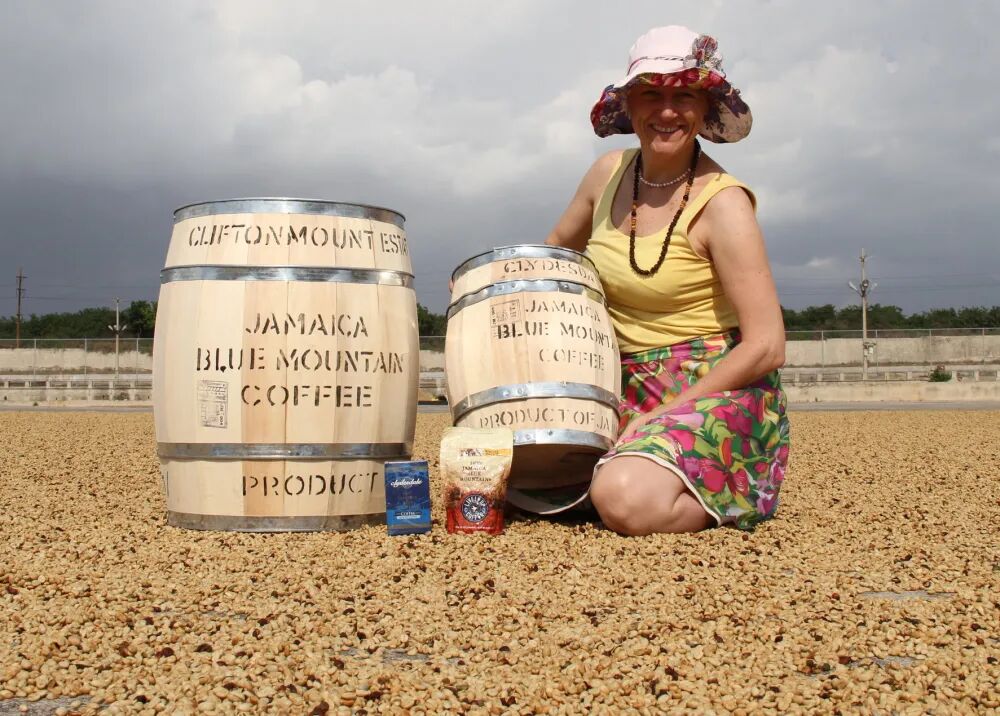
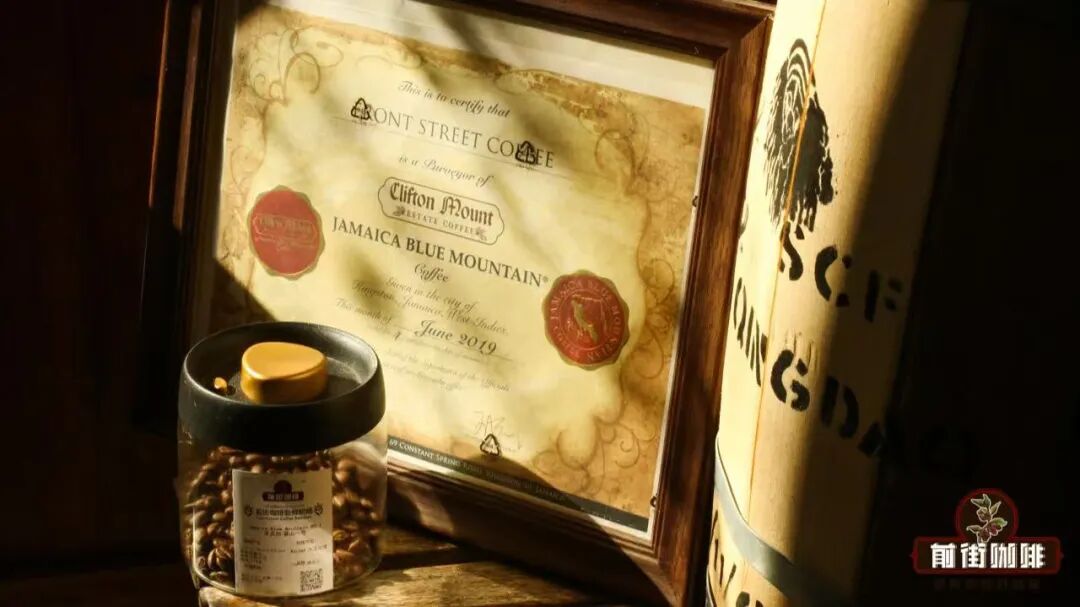
Blue Mountain coffee is exported in a uniquely wooden barrel format worldwide, currently available in 70kg large barrels and 15kg small barrels. Officially imported Blue Mountain coffee usually comes with certification from the origin farm, such as Blue Mountain coffee from the Clifton Estate, which carries its official certification to ensure authenticity. The Clifton Estate is a historic Blue Mountain coffee plantation in Jamaica and the only farm in the region certified by the Rainforest Alliance, earning high praise for its quality.
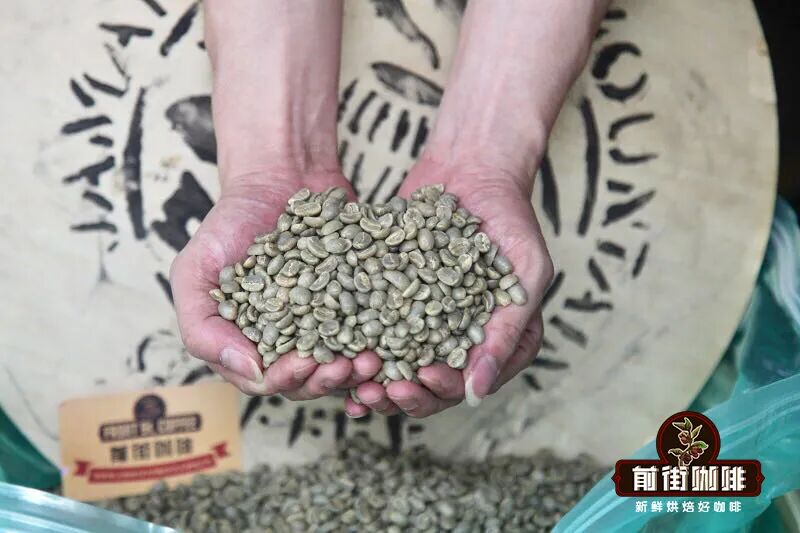
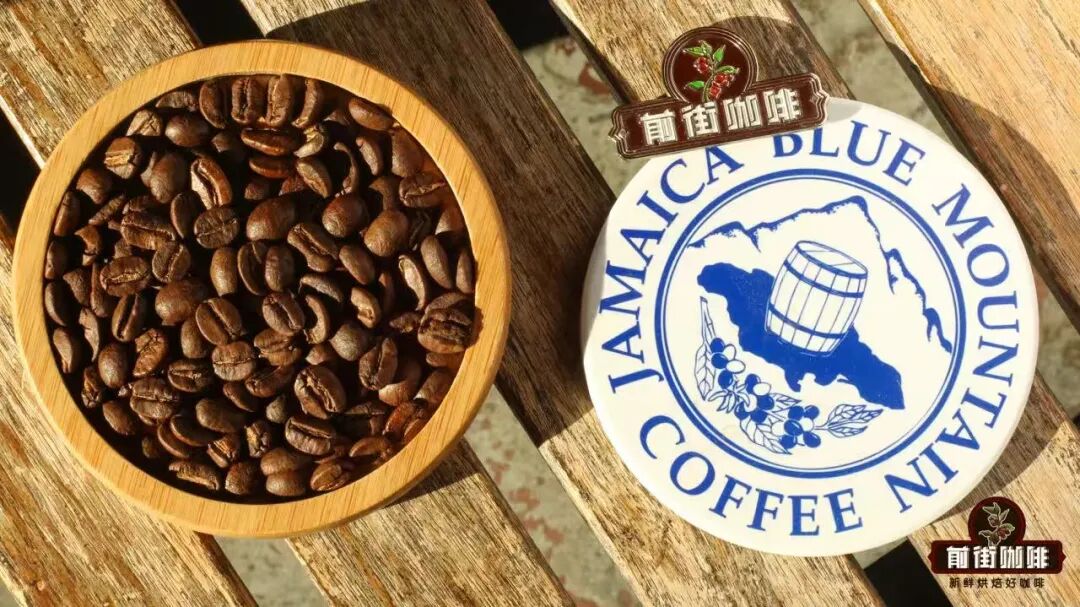
Blue Mountain coffee uses the Arabica Typica variety, a genetically pure strain due to Jamaica being a closed island, resulting in a distinctive flavor. Traditionally, Blue Mountain coffee is processed using the washed method, which, compared to natural drying, preserves a cleaner taste and higher quality. This roaster uses medium-dark roasting for Blue Mountain coffee to highlight its balanced acidity, sweetness, and bitterness, along with a rich and smooth profile. Specific roasting parameters are as follows: 500g of green beans, using a Yangjia 600N semi-direct-fire roaster, with an initial drum temperature of 165°C, 130 firepower, and fan setting at 3; turnaround point at 1 minute 32 seconds, drum temperature at 95.8°C with no change in firepower; fan adjusted to 4 at 3 minutes, firepower increased to 140 at 4 minutes; at 153.3°C, beans turn yellow with grassy notes fading, entering the drying phase; at 8 minutes 36 seconds, wrinkles and black spots appear, transitioning from toast aroma to coffee aroma, signaling the approach of first crack; first crack begins at 10 minutes 06 seconds, continuing for 3 minutes, with beans dropped at 198.5°C.
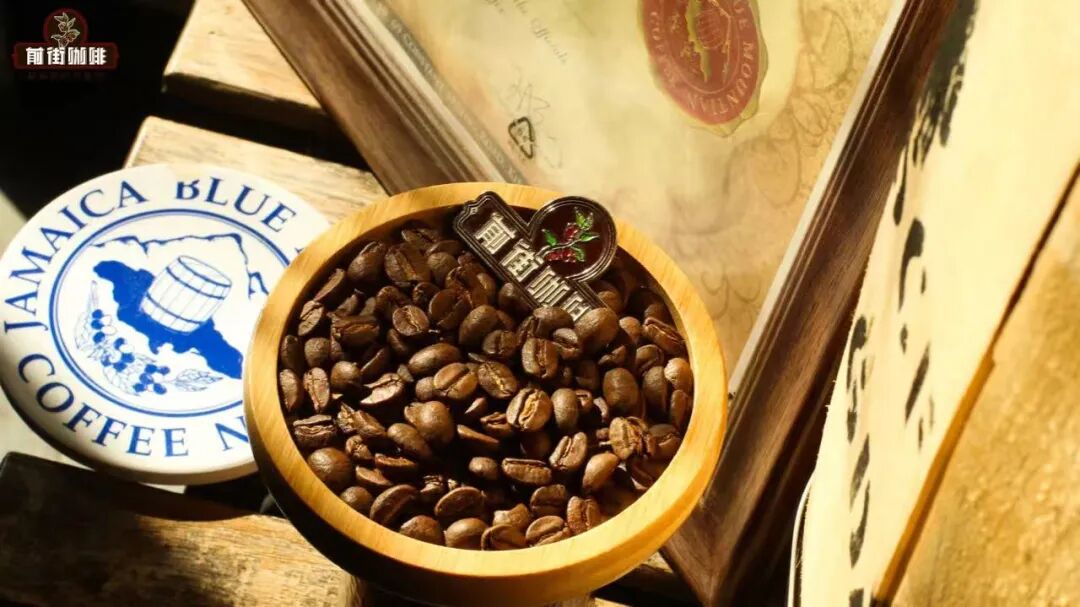
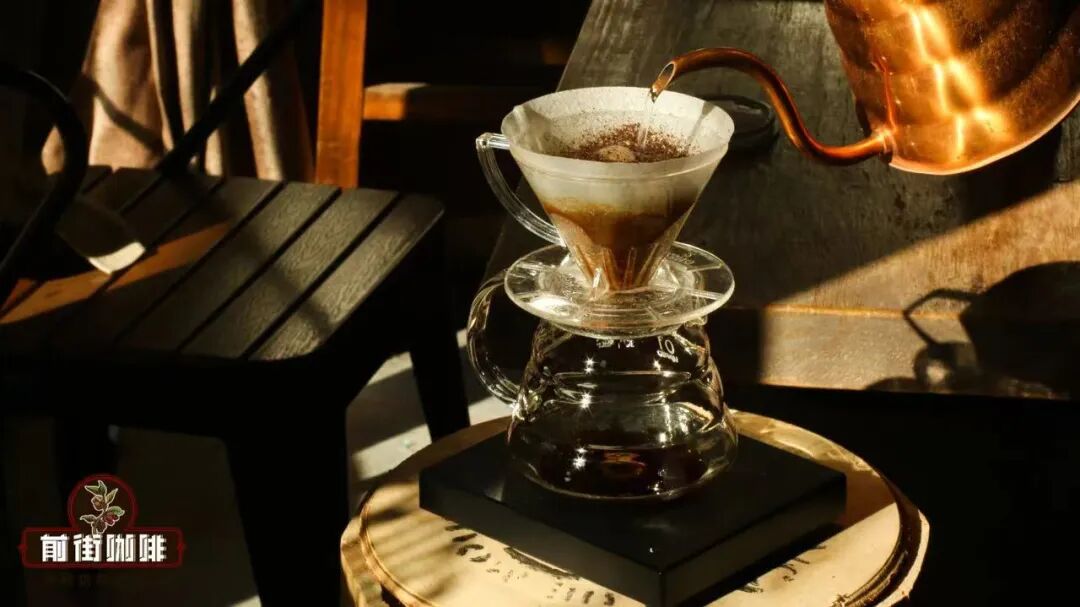
This roaster recommends using freshly roasted Blue Mountain beans for brewing to fully experience their rich layers and delicate flavors. Recommended brewing parameters: 15g of coffee, 87°C water temperature, 1:15 coffee-to-water ratio, using a medium grind (75% passing rate through a 20-mesh sieve), paired with a KONO filter. Brewing steps: first, pour 30ml of water for a 30-second bloom; second, pour in small circles to reach 125ml, then pause; when the liquid level is about to expose the coffee bed, proceed to the third pour to reach 225ml total, with an overall extraction time of about 2 minutes. Blue Mountain No.1 exhibits intense dark chocolate aroma and a full body at high temperatures, with a distinct almond aftertaste; as it cools, it gradually reveals roasted hazelnut and creamy smooth sweetness, accompanied by gentle acidity and caramel notes, with a long-lasting and captivating flavor.
The above content is compiled by CoffeeHunters, a coffee news website.

