







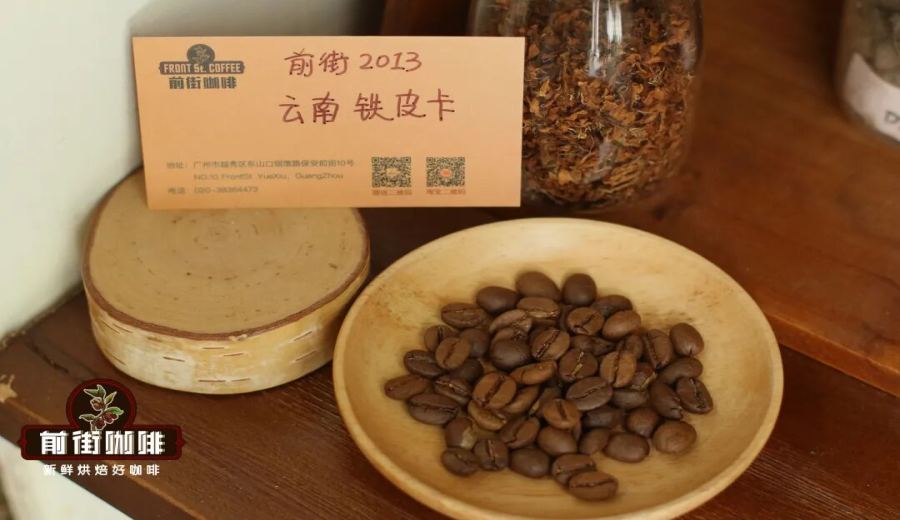
Introduction:In recent years, Yunnan coffee has gradually entered the international specialty market, with Catimor and Typica being the two most notable varieties. But do you know whether Catimor is classified as Arabica or Robusta? What are the significant differences in flavor between the two? This article will delve into the origins, cultivation evolution, suitable processing methods of these two varieties, and provide practical brewing references to help you better understand the potential and characteristics of Yunnan coffee.
Yunnan coffee beans have repeatedly achieved excellent results in international green bean competitions in recent years, gradually drawing attention from the global specialty coffee community. From an early marginal role to now becoming a popular origin choice, the rise of Yunnan coffee is underpinned by a rich history of industrial evolution.
As early as a hundred years ago, Yunnan began cultivating coffee, with Typica being the main variety at the time—a traditional Arabica species, also commonly referred to as "small-bean coffee." In 1904, French missionary Térence entered Yunnan’s Zhukula Village in Dali from Vietnam and planted the first batch of Typica coffee trees, which is considered the starting point of Yunnan’s small-bean coffee.
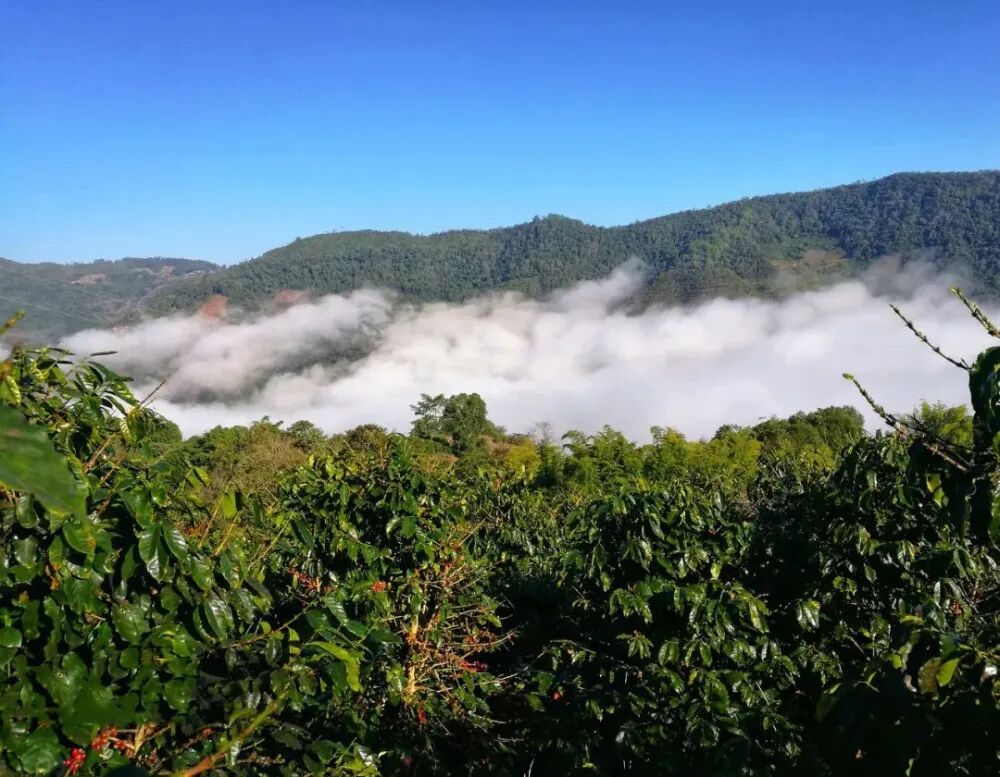
The first large-scale planting wave of Yunnan coffee occurred in the 1960s. At that time, to repay loans from the Soviet Union, the government-led initiative planted coffee in areas such as Baoshan, Dehong, and Wenshan. The varieties included locally propagated Typica and its Bourbon variants. At its peak, the planted area reached 50,000 mu, but as the loan repayment mission ended and diseases struck, the coffee plantation area quickly shrank to less than 3,000 mu at its lowest.
Entering the 1980s, with the reform and opening-up, Nestlé entered Yunnan. To secure a stable coffee supply, they introduced the Catimor variety. Catimor is a hybrid of Typica and Robusta, known for its strong disease resistance and adaptability to high-yield environments—qualities that made it highly suitable for Yunnan’s growing conditions. Since then, Catimor rapidly replaced Typica as the dominant variety in Yunnan, accounting for over 90% of total production.

After the rise of the third wave of coffee, the concept of specialty coffee gradually spread to China. Consumers began to pursue coffee with richer flavor layers and more refined processing, presenting both new challenges and opportunities for Yunnan’s coffee industry. However, due to historical reasons, Yunnan still grows a large amount of Catimor, a variety that was once not highly regarded in the specialty coffee market.
Why does Yunnan coffee often emphasize “processing methods”? This is closely tied to the region’s geographical conditions. Although Yunnan lies within the coffee belt, most areas are at elevations of only around 1,000 meters—barely meeting the minimum standard for Arabica—and not all regions are suitable for cultivating high-quality coffee. Currently, suitable planting areas are mainly concentrated in Baoshan, Lincang, Simao, and Dehong. In the early days, Yunnan coffee was primarily supplied to the instant coffee market, so farmers focused more on yield than quality, resulting in rather ordinary flavors in the beans produced.
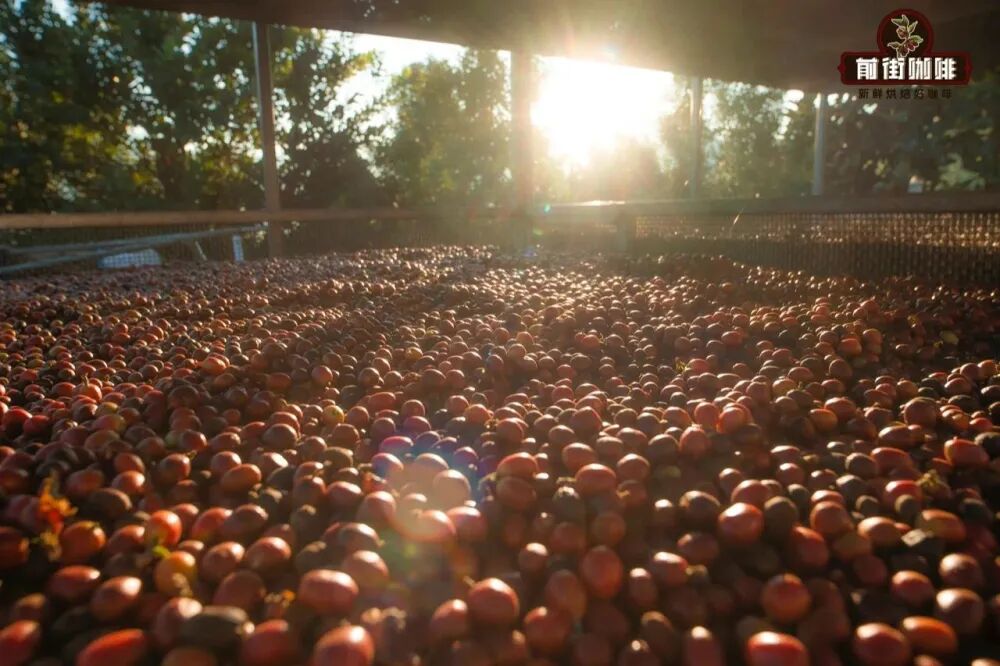
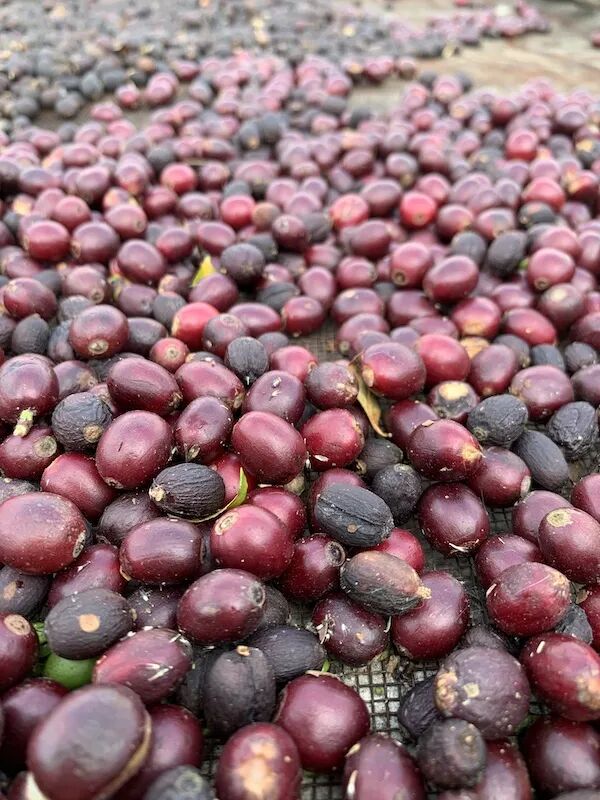
Today, the development of Yunnan’s specialty coffee follows two main paths: one is through innovative processing methods—such as natural sun-drying and anaerobic fermentation—to enhance flavor expression, allowing Catimor to showcase diverse taste profiles; the other is to start with variety selection and growing environments, choosing appropriate regions to replant traditional high-quality Arabica varieties like Typica and Bourbon, with the aim of long-term cultivation of regionally distinctive specialty coffee.
Interestingly, although Catimor has long been seen as a commercial bean, with careful processing, it can also exhibit notes of chocolate, nuts, and caramel—especially when processed via anaerobic or honey methods, which can further highlight its flavor potential. Typica, on the other hand, is known for its bright acidity, fruity notes, and high sweetness, but it suffers from low yield and susceptibility to rust disease, making cultivation more challenging.
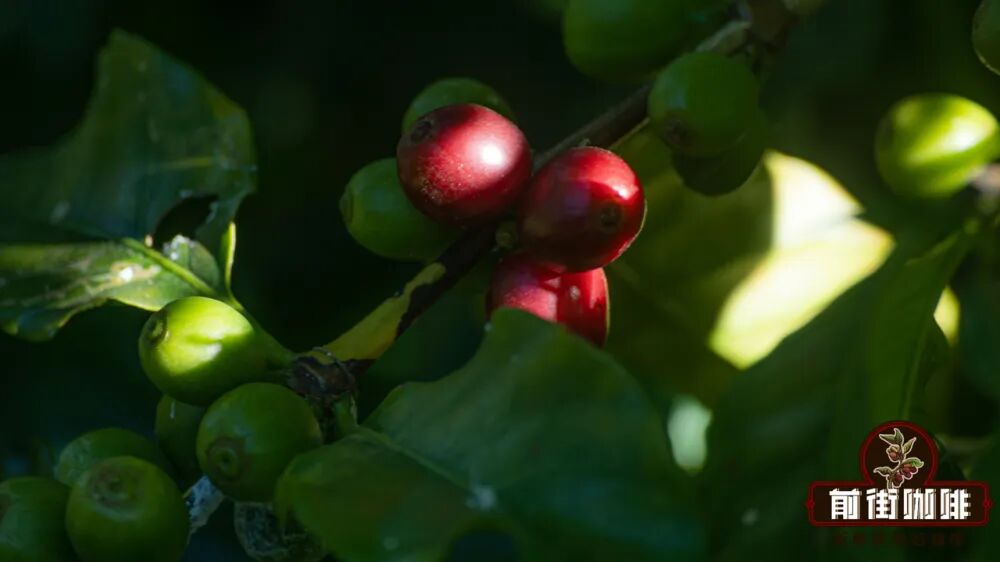
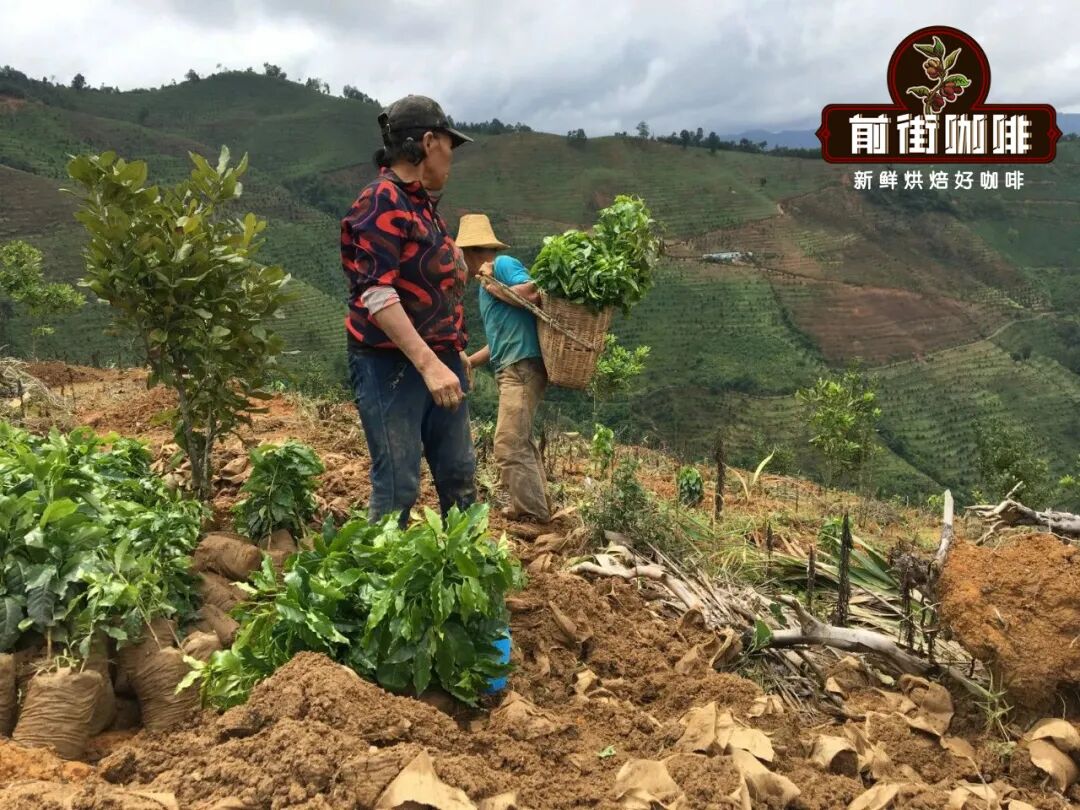
Taking the practice of a certain coffee brand as an example, they chose to start from the source of cultivation, replanting Typica in high-altitude, suitable areas of Yunnan, striving to create a specialty coffee that is uniquely Yunnan. This process took many years, with every step—from site selection and seedling cultivation to processing and brewing tests—being extremely meticulous.
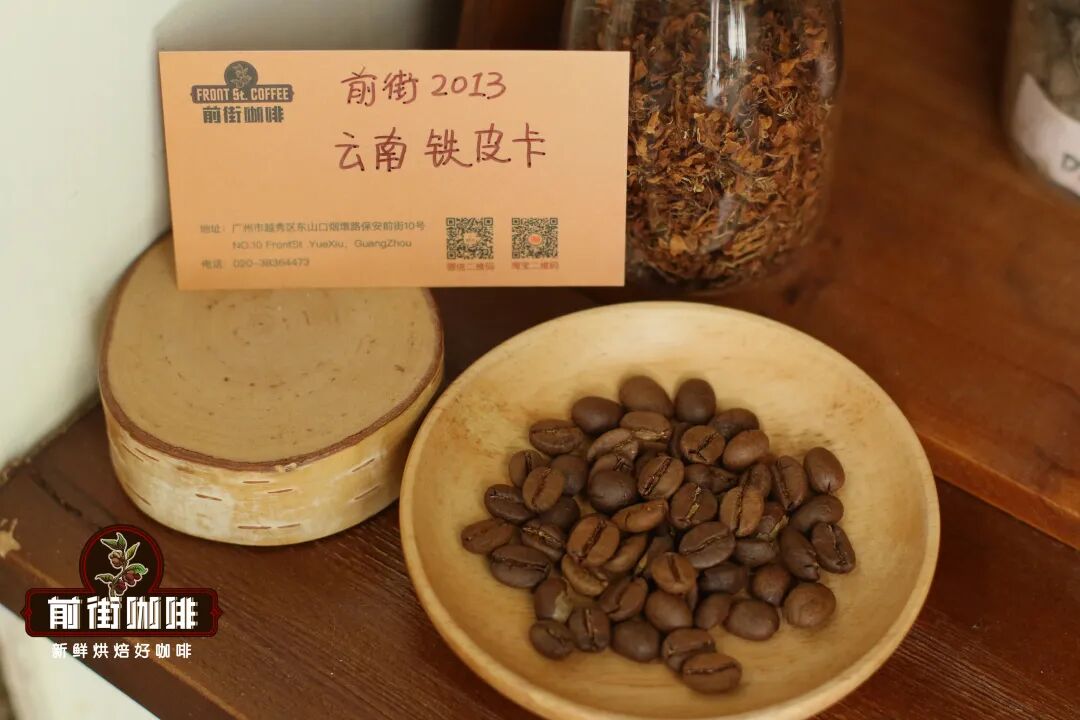
The brand eventually launched a naturally sun-dried Typica coffee bean called “2013,” sourced entirely from their own 200 kg production. From planting to harvest, it took seven years, followed by another year of green bean aging and processing experiments, ultimately presenting a balanced flavor profile of berries, brown sugar, and tea. The recommended brewing parameters for this bean are as follows:
Use a V60 filter, with water temperature controlled at 90°C, a coffee-to-water ratio of 1:15, and a grind size on the finer side of medium—approximately 80% passing through a Chinese standard No. 20 sieve. For the brewing steps, begin with a 30-second bloom using 30 grams of water, then pour in a slow circular motion until reaching 124 grams for the first pour. When the water level is about to expose the coffee bed, continue pouring to 227 grams. Finally, remove the filter just before the water level runs out, with a total extraction time of about 2 minutes.
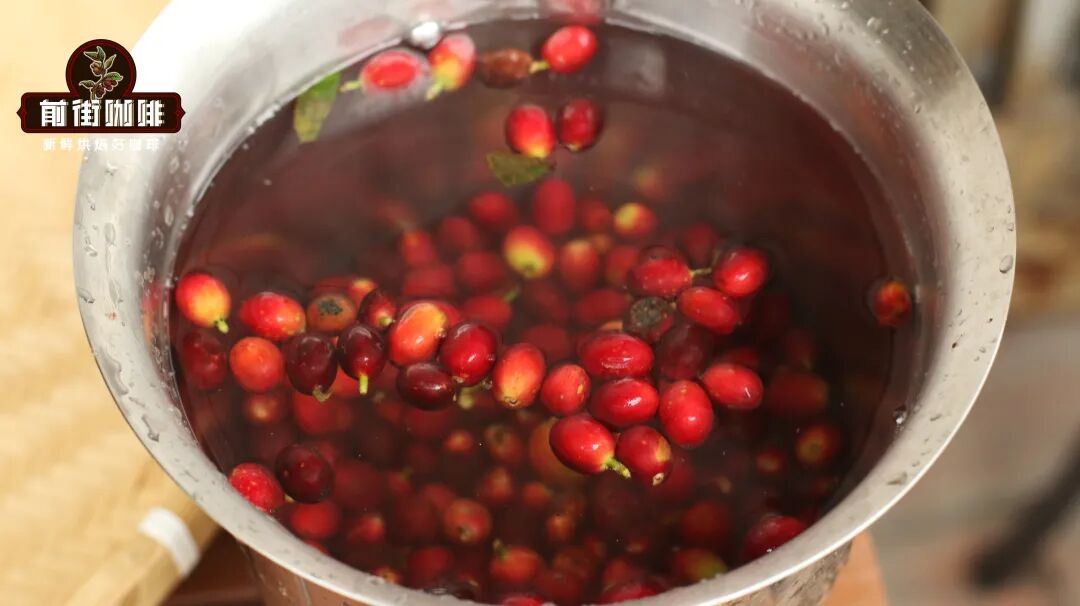
The final brewed coffee has a solid body, gentle acidity, pronounced sweetness, and berry notes, along with a subtle tea aroma, showcasing the potential of high-altitude Yunnan Typica when carefully processed.
In summary, although Catimor is a hybrid of Arabica and Robusta, under Yunnan’s unique environment and processing techniques, it can still exhibit a diverse and captivating flavor profile; whereas Typica is a variety with more traditional specialty coffee traits. Though limited in yield, when cultivated and processed properly, it can deliver a more delicate and brighter coffee experience.



The above content is compiled by CoffeeHunters, a coffee news website.

