








Introduction:Ethiopia and Kenya are both key regions for specialty coffee in Africa. While coffee from both origins is characterized by prominent fruity acidity, their flavor profiles differ significantly. This article will delve into the main coffee varieties, distinctive processing methods, distinct flavor characteristics, and brewing recommendations for each country, helping you find the African coffee bean that best suits your personal taste.
In the world of specialty coffee, Ethiopia and Kenya can be considered the twin jewels of African coffee. Both are renowned for their vibrant fruity acidity, but they showcase distinctly different personalities in terms of flavor profiles and processing techniques. According to market observations, African-origin coffees account for approximately 30%–40% of coffee menus, demonstrating their widespread popularity among consumers.

When it comes to African coffee, many people first think of Ethiopia—the country hailed as the birthplace of coffee. Ethiopian coffee varieties have spread globally and evolved into numerous branches. Ethiopian coffee primarily comes from smallholder farms, including forest coffee, garden coffee, and plantation coffee, all managed and exported uniformly by the government. Among the country’s nine major coffee-growing regions, Yirgacheffe and Sidamo are the most representative specialty coffee regions.
Light to medium roasted Ethiopian beans often exhibit bright aromas of lemon, citrus, and honey. The acidity is soft yet clear, with a refreshing mouthfeel. Even without sugar or milk, one can appreciate its unique aromatic layers and smooth texture.
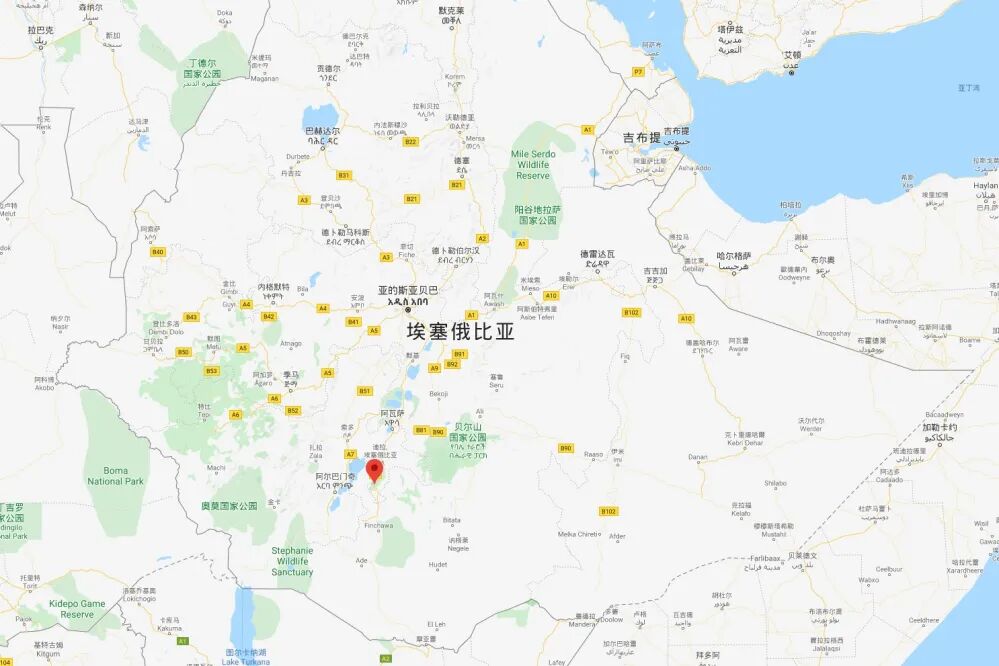
Yirgacheffe was originally part of the Sidamo region but became an independent district due to its distinctive flavor profile. Today, it is not only a place name but also synonymous with a specific flavor type. This region sits at an average altitude of about 2,000 meters, making it a classic high-altitude growing area. It is dominated by over 40 family-run cooperatives, including well-known micro-regions such as Kochere, Guji, and Gedeb. Each micro-region is managed by professional teams, resulting in the unique flavor of Yirgacheffe—such as intense jasmine, lemon, and peach-apricot notes, along with delicate tea-like undertones. Its overall profile is often described as “a garden in bloom.”

Sidamo is located in the southernmost part of Ethiopia, with an average altitude ranging between 1,400 and 2,000 meters. As the administrative region above Yirgacheffe, it does not include Yirgacheffe itself. Coffee from this region is known for its sweetness and is often praised as “sweet coffee.” Sun-dried Sidamo frequently features delicate floral notes reminiscent of pink blossoms, berry acidity, and a slight fermented touch, offering a smoother and richer mouthfeel compared to washed versions.

The Huakui coffee actually originates from the Hambella region in the Guji zone. In the 2017 TOH (The Taste of Harvest) green coffee competition, a sun-dried lot from this area won the sun-dried category with intense strawberry and cream aromas, scoring 88.21 points and defeating the then-defending champion Geisha. This lot subsequently gained fame and became the origin of the now-renowned "Huakui" series. Introduced and named by a Beijing-based green coffee importer, subsequent releases—Huakui 2.0, 3.0, and even the 2025 edition—have all come from the sun-dried batches of the Buku Abel processing station in Hambella, maintaining a consistent flavor lineage.
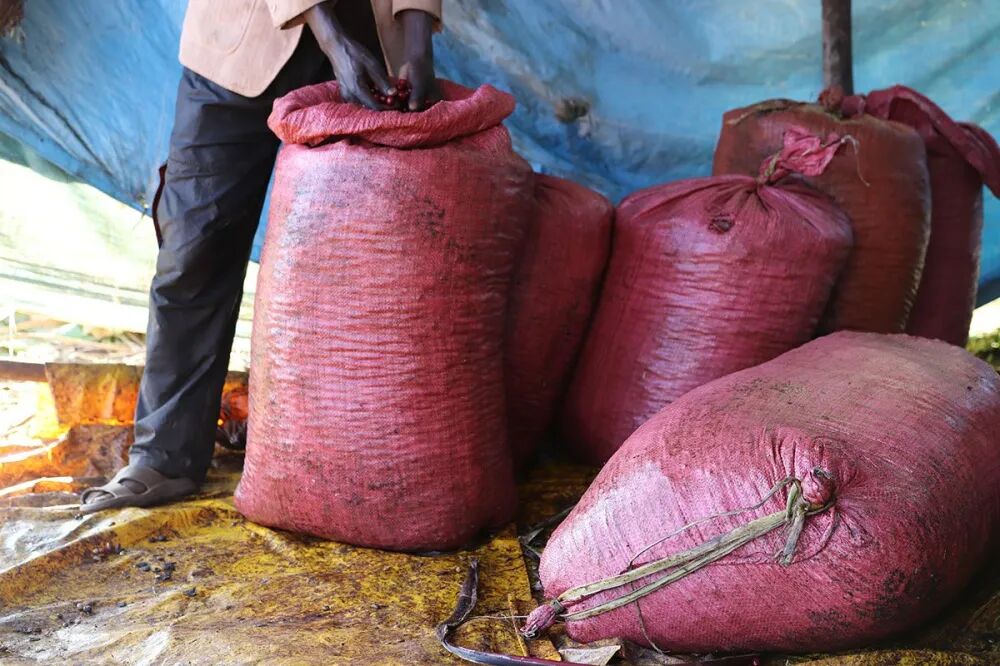
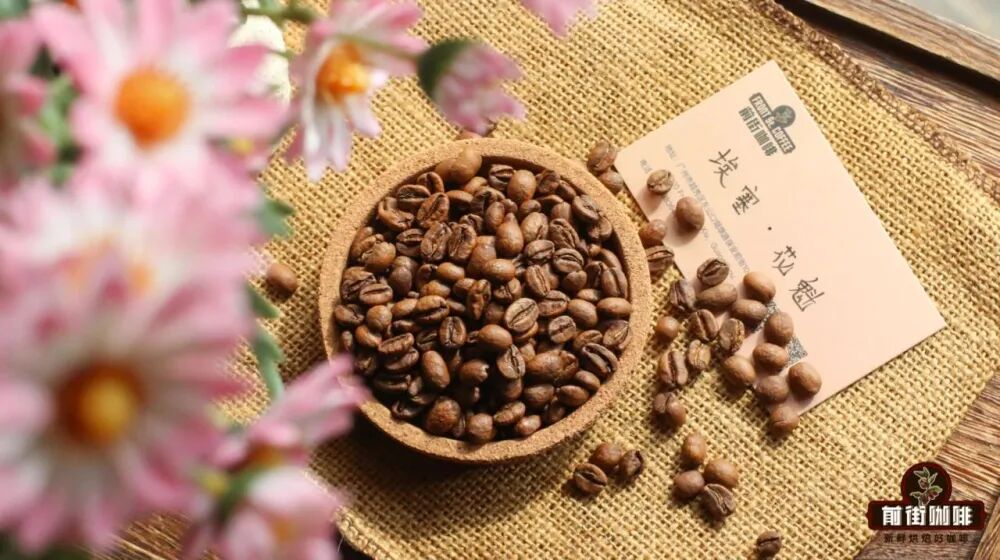
Ethiopian coffee varieties mostly fall under the so-called “Heirloom” (meaning native or heritage varieties). This is not a single variety but rather a mix of numerous strains preserved, exchanged, or handed down by smallholder farmers. These coffee trees are often intercropped with other crops. After harvest, beans from different smallholders are supplied and processed together, leading to variations in bean size, shape, and flavor between batches. This results in unique blend-type lots that offer rich aromatics and layered complexity.
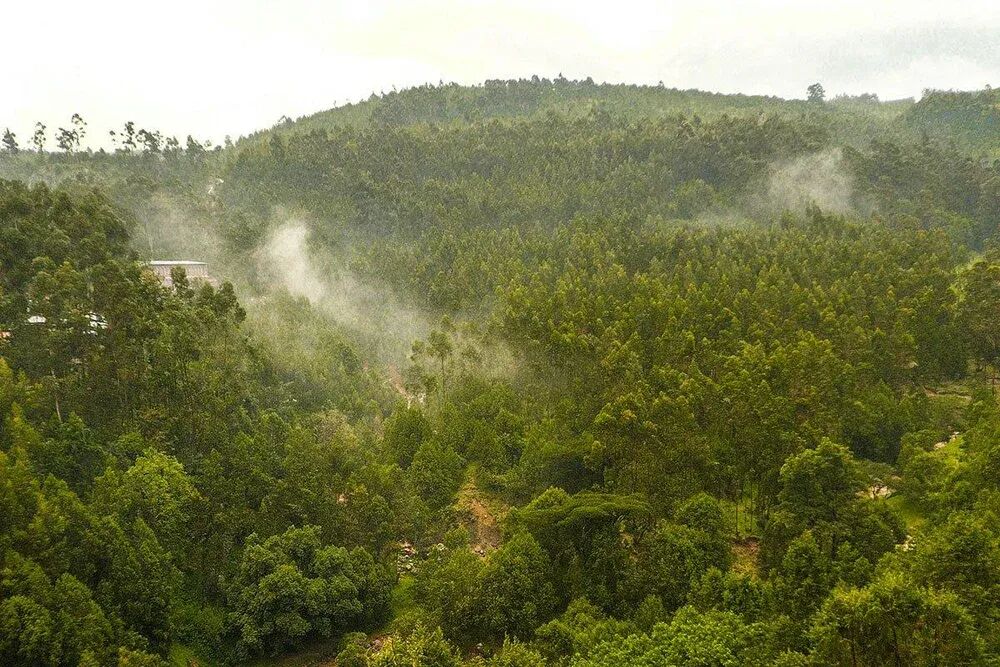
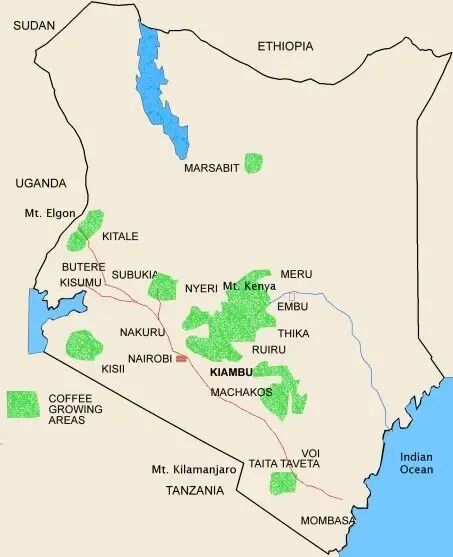
Kenya is located in East Africa, with the equator running through it and the Great Rift Valley stretching across the country, offering an exceptionally favorable geographical environment. Kenyan coffee is known for its intense aroma, round acidity, full body, and juice-like sweet-and-sour complexity, earning it the title “the connoisseur’s cup.” Major producing regions include the seven core areas of Kiambu, Kirinyaga, the western slopes of Mount Kenya, Nyeri, Embu, Murang’a, and Machakos. Elevations generally range between 1,500 and 2,100 meters, with two harvest seasons per year contributing to diverse microclimates and flavor expressions.
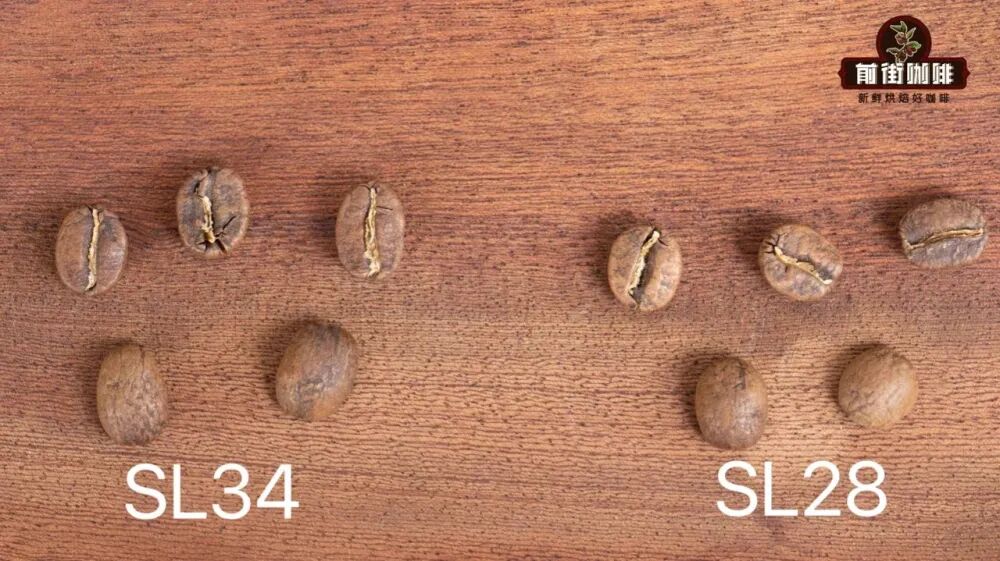
Common Kenyan coffee varieties include SL28, SL34, as well as the more recently widespread Ruiru11 and Batian. SL28 and SL34 were selectively cultivated by the Scott Laboratories (Scott Labs) between 1922 and the following decade from 42 coffee varieties. The former has Bourbon lineage, exhibiting bright and lively acidity, while the latter is closer to Typica heritage with gentler acidity. These two varieties remain the mainstay of Kenyan coffee and have even been introduced and cultivated in South America. Ruiru11 is a hybrid developed in response to the global outbreak of coffee leaf rust. It offers strong disease resistance, though its flavor is slightly less pronounced than that of the SL series.
Kenyan coffee is renowned for its captivating aroma, balanced acidity, attractive bean appearance, and rich fruit flavors. Compared to Ethiopia, both origins emphasize fruity acidity, but Kenyan acidity is fuller and more intense, whereas Ethiopian acidity tends to be lighter and brighter. For consumers trying African beans for the first time, it is recommended to start with Ethiopian coffee before gradually exploring the deeper complexities of Kenyan coffee.
In terms of processing methods, Yirgacheffe in Ethiopia initially relied mainly on traditional sun-drying. After the introduction of Central and South American washed processing techniques in 1972, the purity and clarity of jasmine and citrus aromas were greatly enhanced. Washed processing highlights the intrinsic flavors of the origin, while sun-drying adds sweetness and fermentation notes. Currently, washed is the dominant method for Yirgacheffe, but since the 21st century, sun-drying techniques have made a comeback. Processors such as Bike Coffee have refined the processing procedures, producing renowned sun-dried lots like Idido Misty Valley, Biloya, and Aricha, all of which deliver astonishing flavor profiles.
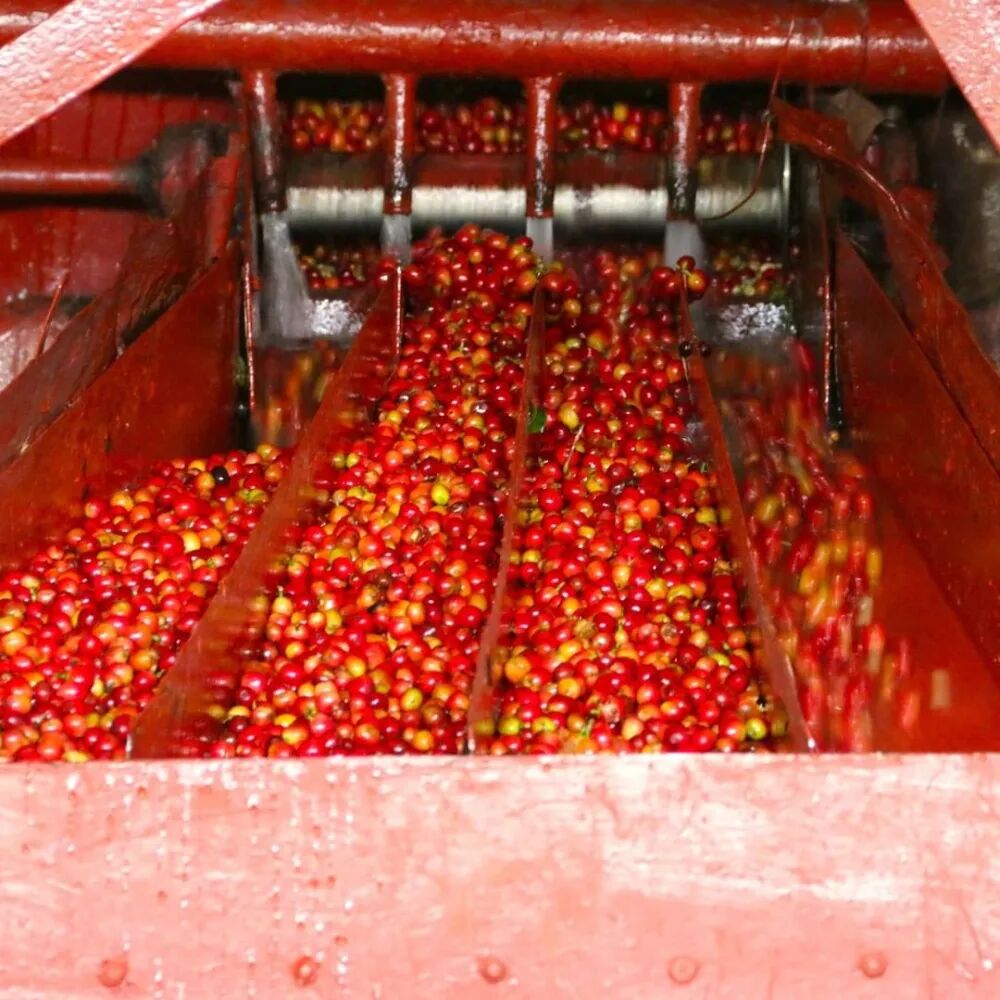
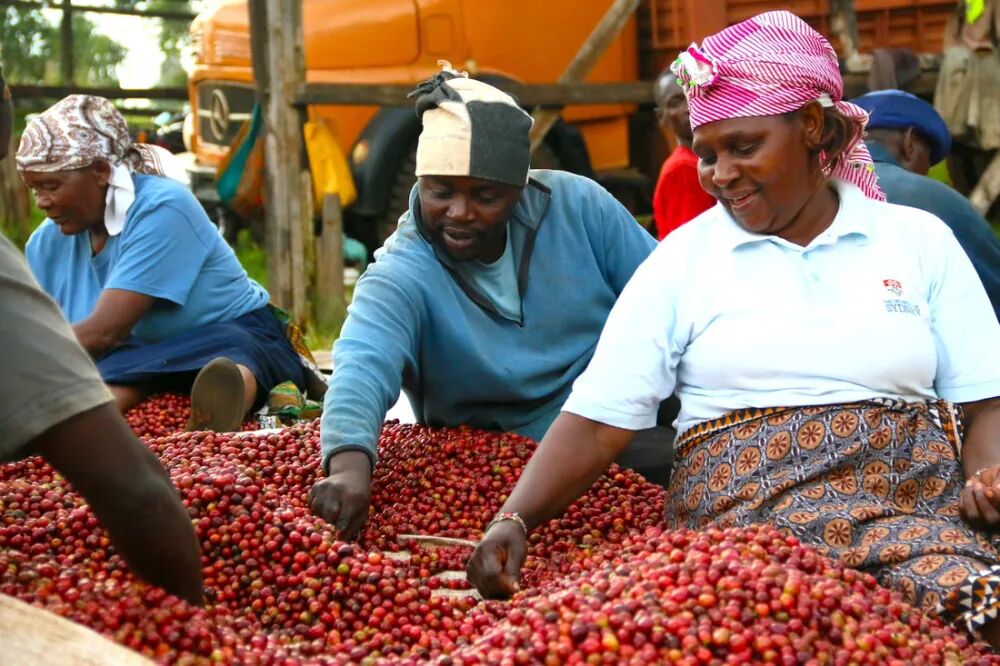
Kenya is famed for its unique K72 processing method. This technique extends the traditional washed process, using double fermentation and soaking to enhance acidity layers and overall flavor stability. Because it was first widely adopted in Kenya, it is also referred to as the “Kenyan processing method” or “double washed/fully washed.”

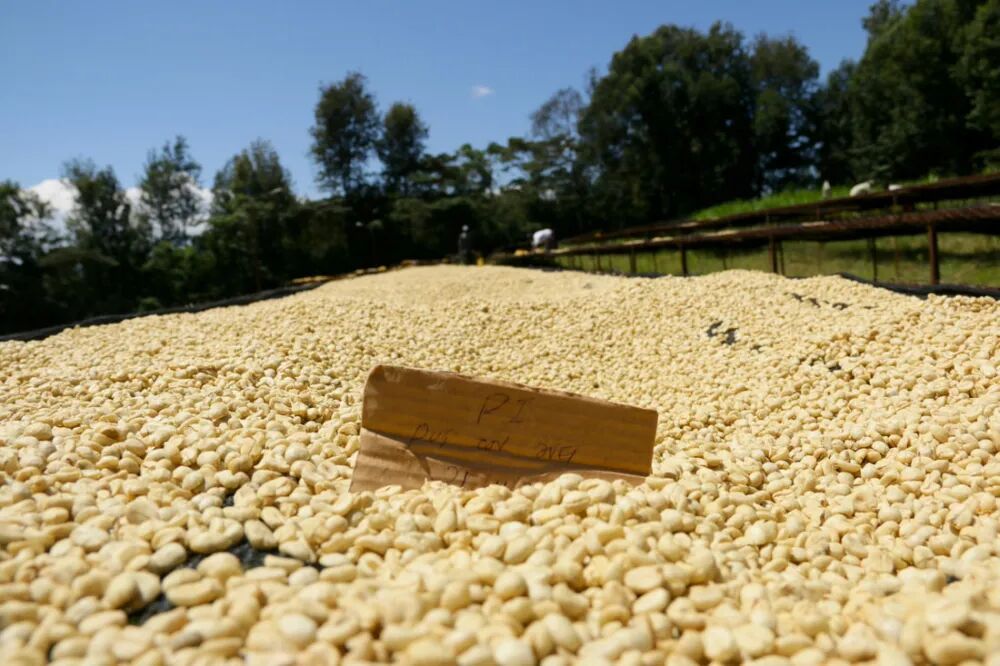
Regarding roasting and brewing recommendations, Yirgacheffe best showcases its refined acidity and floral-fruit character at a light roast level, whether washed or sun-dried. There are now medium-dark roasts of Yirgacheffe on the market with a richer, warmer body, but the mainstream remains light roasting. For Kenyan coffee, a medium-light roast is advised to highlight its robust fruity acidity and tomato-juice-like mouthfeel.
When brewing Ethiopian beans, it is recommended to use a high water temperature (around 91°C) and a fast-flow V60 filter to fully extract the bright acidity. A medium-fine grind (e.g., 80% passing through a Chinese No. 20 mesh sieve) is ideal, along with a three-stage pouring method: start with a bloom using twice the coffee weight in water (e.g., 60g water for 30g coffee) for 30 seconds, then pour up to 125g and subsequently 225g. The total extraction time should be around 2 minutes. This approach balances sweetness, acidity, bitterness, and smooth mouthfeel.






The latest season’s Huakui coffee exhibits a rich spectrum of sweet-and-sour notes, including flowers, berries, citrus, and mango, with an aftertaste of sweet black tea. Meanwhile, the washed Kenyan Assaliya offers flavors of dark plum, cherry tomatoes, and honey, with a subtle nutty aroma upon cooling. It delivers a robust acidity and a juice-like, vibrant mouthfeel.
The above content is compiled by CoffeeHunters, a coffee news website.

