







Introduction:Is latte art exclusively for lattes? In fact, with the right techniques, you can create beautiful latte art even with hot Americano, too. This article delves into the science behind latte art, explains how to foam pure coffee liquid to make designs, and shares our tested findings on the flavor differences between Americano latte art and regular hot Americano. From espresso extraction parameters to frothing methods, we provide complete steps and practical tips so you can try this fun challenge at home.
Customers often walk into coffee shops and ask for an "Americano with nice latte art," which often brings a smile to baristas’ faces—after all, the traditional understanding of latte art (Latte Art) refers to the technique of creating patterns on espresso using milk. The principle is to produce fine microfoam by steaming the milk, and through the contrast between the white milk and the dark brown crema, beautiful patterns are formed during the pouring process. But if you think only milk-based drinks can be used for latte art, then you’re underestimating the potential of coffee!
In reality, any liquid that can produce stable foam has the potential to achieve latte art effects. And the closest alternative is coffee itself. While Americano is simply a black coffee made by mixing espresso with water, with special treatment, it too can produce enough foam for latte art. The key lies in understanding the foaming principles and adjusting the process to suit the characteristics of coffee.

For years, we have been sharing hands-on experience with Americano latte art. The trick to this innovative approach is to treat the coffee liquid as the "foam ingredient." First, you need to prepare foamable coffee foam, then follow the standard latte art procedure. The core principle is the same as with milk latte art: utilizing the density difference created by bubbles in the liquid to produce visual textures through color contrast. The only difference is the medium—switching from milk to coffee itself.
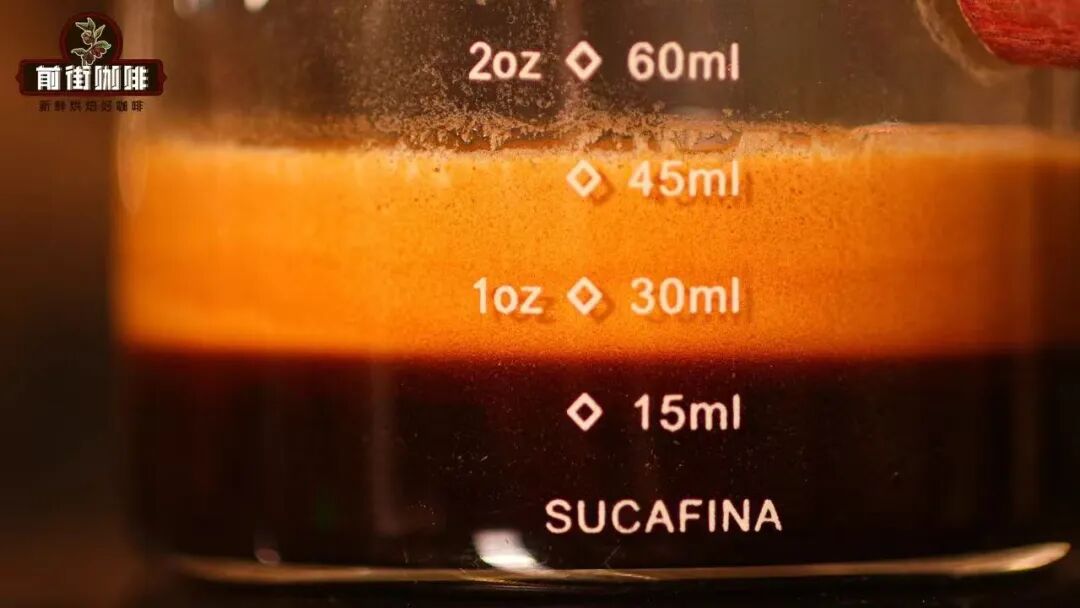
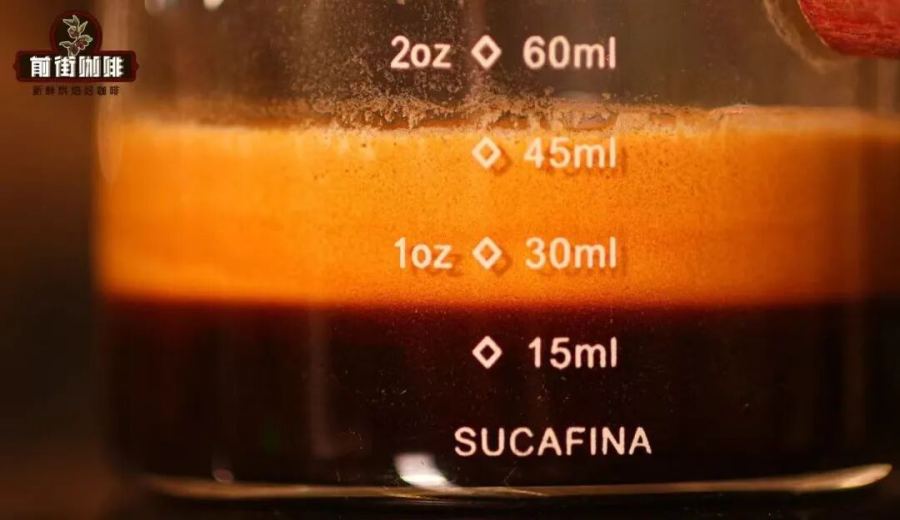
Espresso itself contains a natural layer of crema, which consists of tiny bubbles formed by coffee bean lipids and proteins encapsulating carbon dioxide. This golden crema is the foundation for foaming, and in theory, it can be frothed using steam or mechanical means. However, in practice, the fluidity and volume limitations of pure coffee liquid require additional adjustments to achieve the ideal foaming state.

The most effective solution is to add ice water for adjustment. Pre-mixing the extracted espresso with cold water not only maintains the final dilution ratio but also increases the total liquid volume and stability. Another advantage of using ice water is that it extends the retention time of the foam, helping to form a denser texture. A suggested ratio is: 40ml of espresso mixed with 80ml of room temperature water and 80g of ice cubes as the base.
This demonstration uses a classic blend, characterized by rich crema and pronounced aroma after extraction. Using a standard parameter of 20g coffee grounds, a 1:2 coffee-to-water ratio, and a 30-second extraction yields about 40ml of liquid. For efficiency, it’s recommended to use a split portafilter to extract two shots of espresso simultaneously—one as the base and the other specifically for foaming. The split operation should be performed immediately after tamping to ensure balanced flow between the two channels.

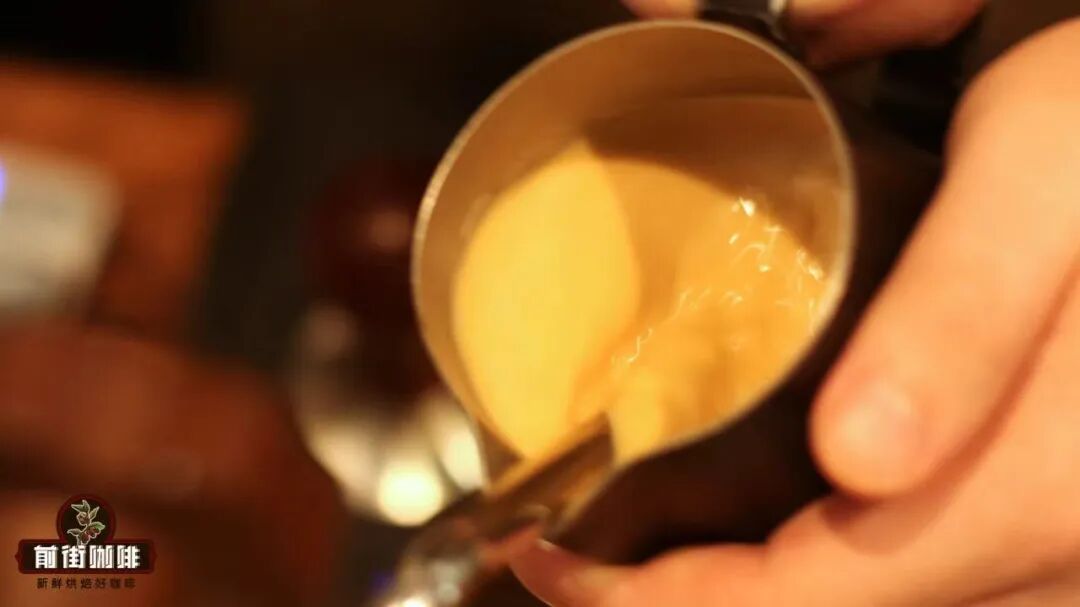
Pour one of the 40ml espresso shots into a latte pitcher already containing 80g of ice cubes and 80ml of room temperature water. Temperature control is a crucial step here. Then, stir in a manner similar to frothing milk, but note that less foam will be generated from coffee, so it’s advisable to increase the stirring intensity and duration. The ideal foaming temperature is around 65°C. This temperature range balances fluidity and mouthfeel while avoiding flavor impairment from overheating or reduced foam stability due to excessive cold.
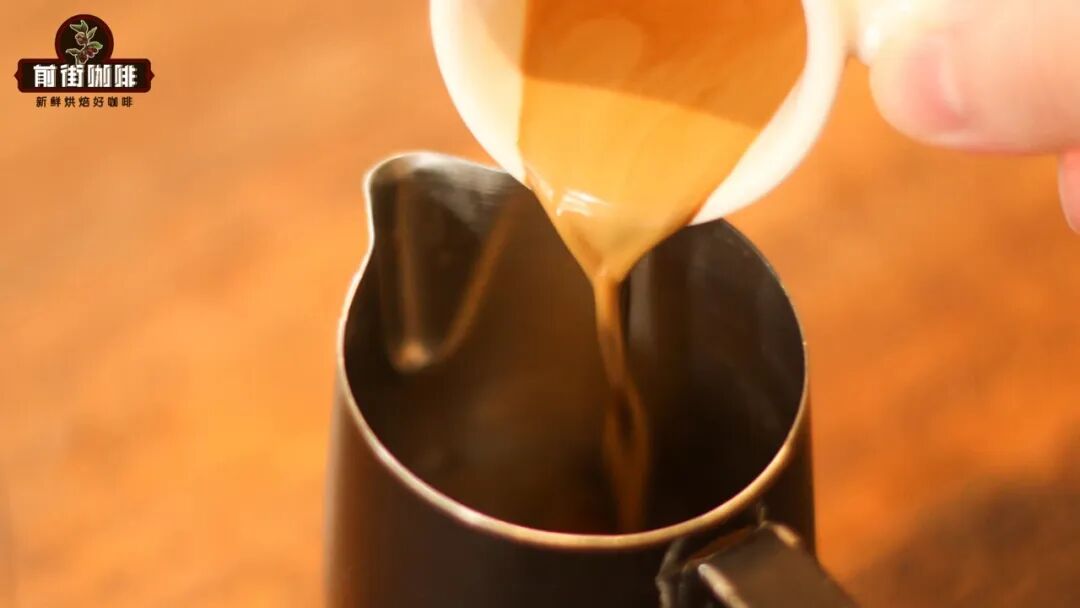
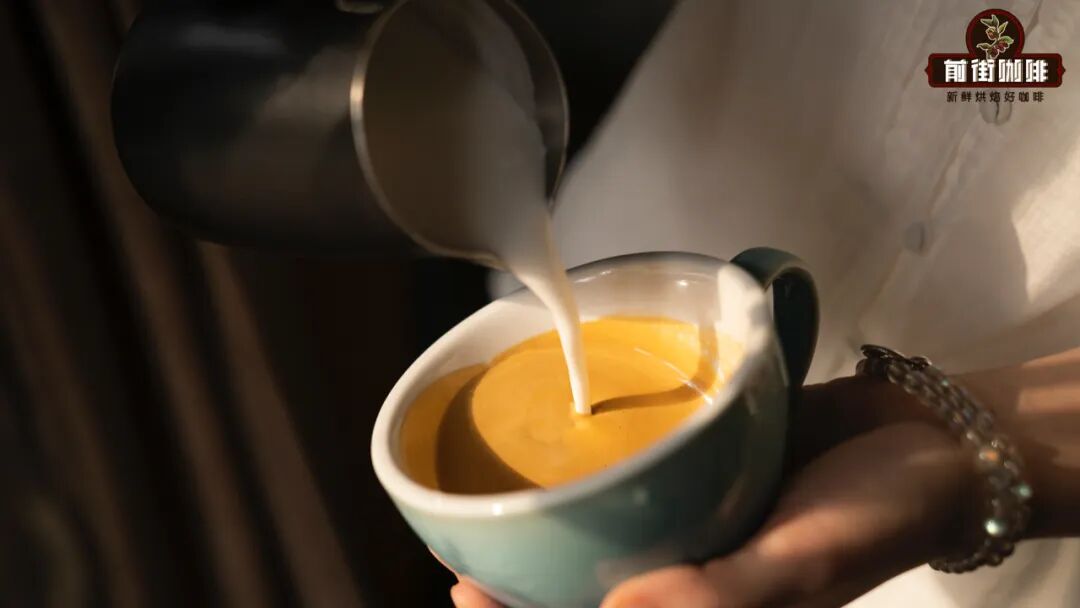
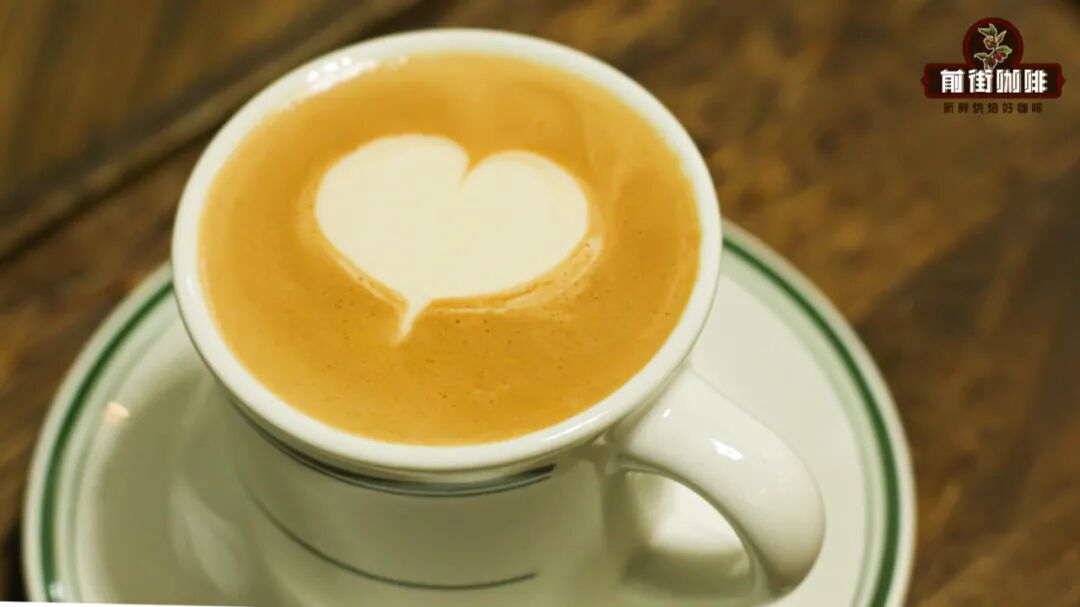
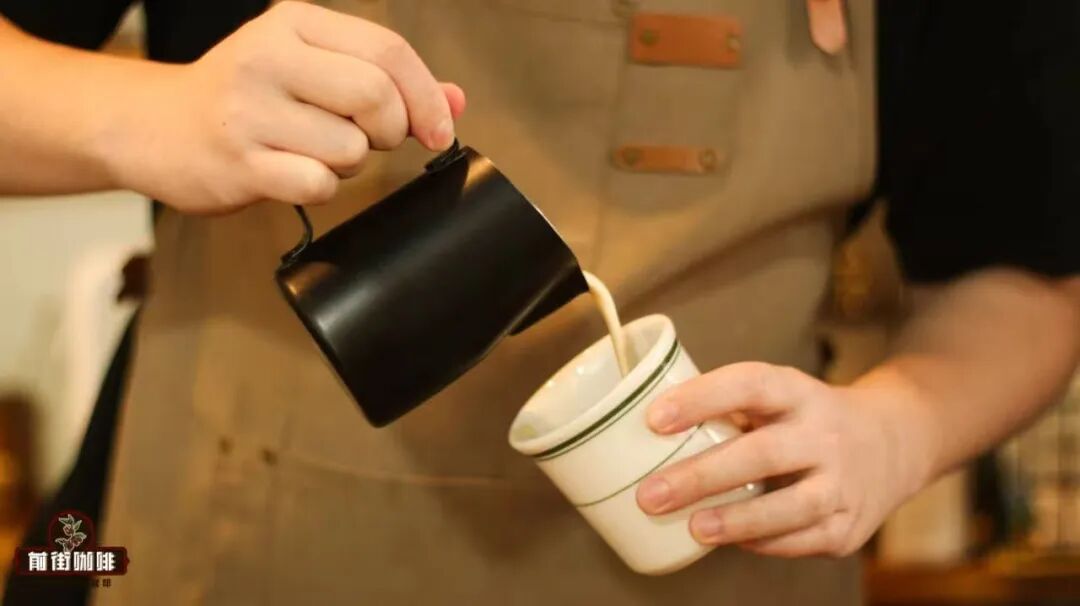
Once the foam is prepared, you can move on to the actual latte art stage. Use the same pouring motion as with milk latte art, leveraging the color contrast between the coffee crema and foam to create patterns. Although coffee foam may last slightly shorter than milk foam, as long as you time it right, you can still produce clear leaf or heart shapes. Remember to keep the angle between the pitcher and cup stable, and your wrist movements smooth and continuous.
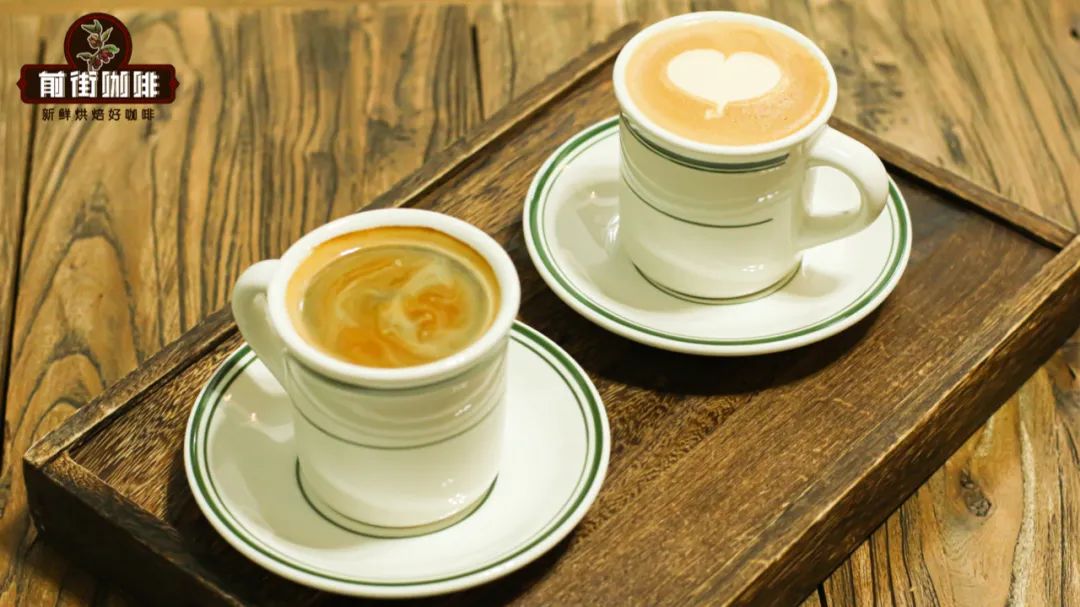
To compare flavor differences, we also prepared a traditional hot Americano as a control group: using the same 40ml of espresso, mixed with 160ml of 65°C hot water. Sensory evaluation showed that the two are quite similar in aroma profile and flavor notes (such as chocolate tones, nutty base, and buttery cookie finish). The main difference lies in the mouthfeel—the Americano with latte art gains a creamy texture from the top foam layer, and the foam also occupies volume, resulting in a slightly higher effective coffee concentration and more concentrated, full-bodied flavors during actual drinking.
In terms of practical advice, first-timers may want to moderately increase the amount of base water to avoid overly intense flavors due to a high proportion of foam. If you’re aiming for more striking visual effects, you can practice controlling foam thickness and pouring movement. Be especially mindful of adjusting the ice-to-water ratio, as seasonal ambient temperature differences can affect foaming efficiency. It’s recommended to fine-tune the recipe based on real conditions. Additionally, the freshness of the coffee beans and grind size can significantly impact foam texture, so it’s best to choose a roast level that delivers good crema performance.
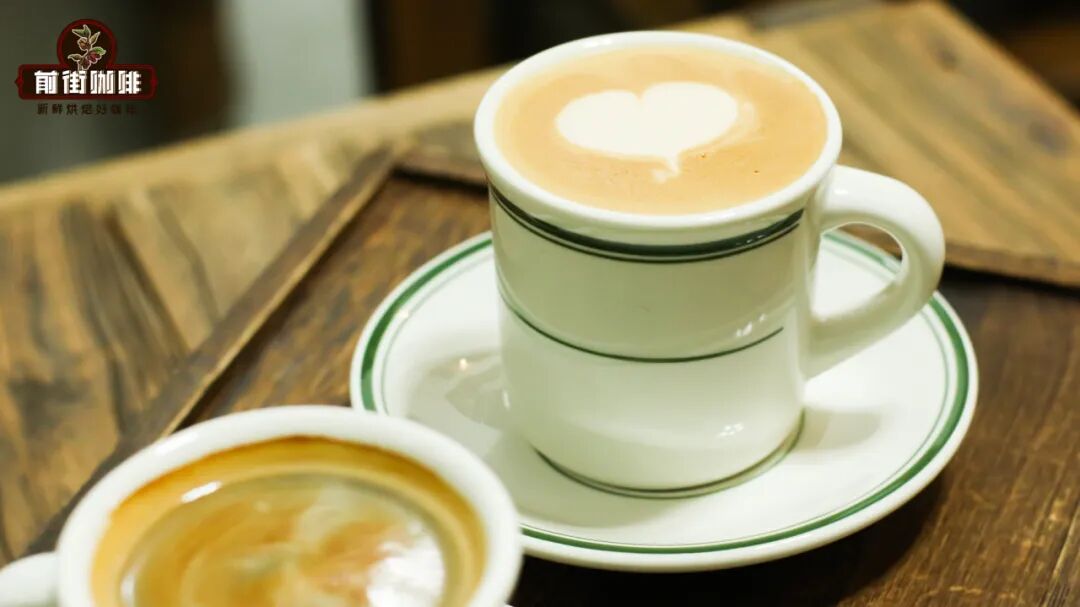
This innovative approach to latte art not only expands the expressive possibilities of black coffee but also offers coffee enthusiasts a fun experimental opportunity. From professional settings to home brewing, Americano latte art proves that the creative potential of coffee goes far beyond conventional expectations. Remember, the key lies in understanding the basic principles and systematically adjusting to find the optimal setup for your equipment and materials.
The above content is compiled by CoffeeHunters, a coffee news website.


