







Introduction:Jamaican Blue Mountain coffee is world-renowned for its unique flavor and rare production, but the market is flooded with counterfeits, making it difficult for beginners to discern the real deal. This article delves into the definition of authentic Blue Mountain coffee, explores the characteristics of its core growing regions, and explains in detail how to judge authenticity based on grade, import form, and price. It also deciphers the flavor profile of Blue Mountain No. 1, helping readers make accurate choices when selecting their beans.
Many coffee enthusiasts often wonder: are the affordable Blue Mountain coffees sold online genuine? In reality, due to the international prestige of Blue Mountain coffee, counterfeit products abound in the market. If you’re a beginner just stepping into the world of coffee, you might want to learn how to identify truly authentic beans from the core growing regions of Jamaica’s Blue Mountains through the following content.
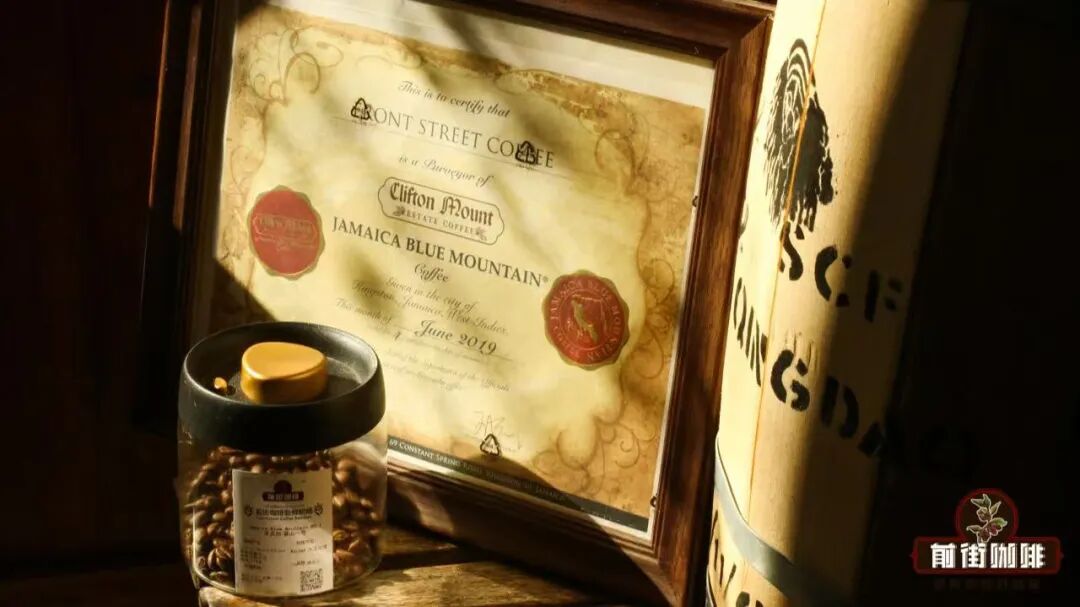
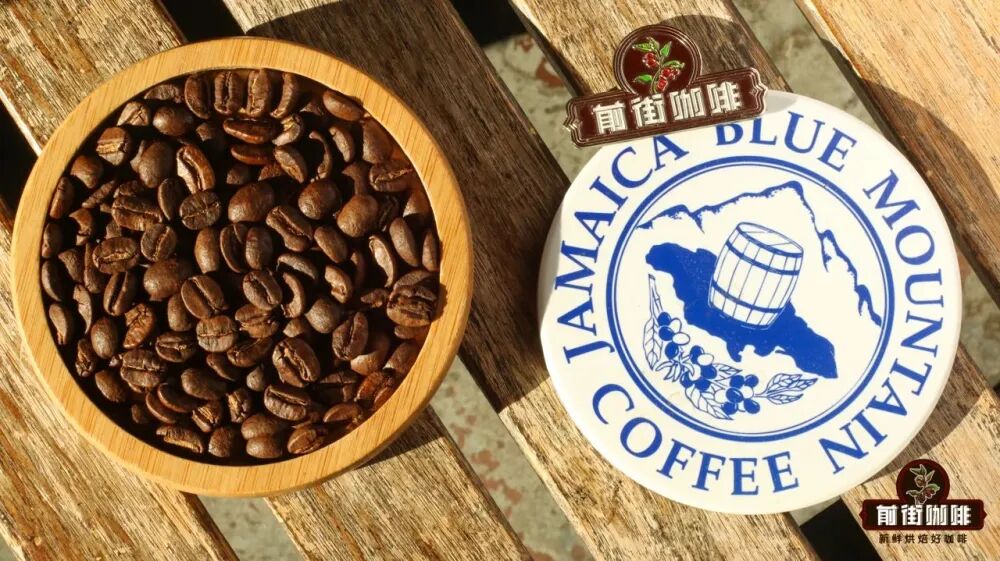
So-called authentic Blue Mountain coffee refers to beans grown in the core area of Jamaica’s Blue Mountain mountain range. This type of coffee is celebrated for its balanced acidity, sweetness, and bitterness, along with a rich yet smooth mouthfeel, making it a prized choice among coffee lovers worldwide. The reason Blue Mountain coffee has earned such high acclaim mainly stems from the 1970s and 80s, when it was one of the few coffee-producing regions in the global market that remained committed to quality above all else. Coupled with aggressive promotion in the Japanese market, Blue Mountain gradually established its reputation as the “King of Coffee.” In China, the fame of Blue Mountain coffee soared rapidly after the economic opening in the 1990s, when high-end hotels began offering premium coffee—including Blue Mountain—to cater to foreign guests, eventually becoming more widely available to the general public.
Generally, many people regard “Blue Mountain No. 1” as the representative of Blue Mountain coffee, but in fact, Blue Mountain coffee is divided into four grades: No. 1, No. 2, No. 3, and Peaberry. Among these, Blue Mountain No. 1 is the highest grade and the finest quality. For coffee beginners, understanding this grade is the first step in identifying true Blue Mountain coffee.
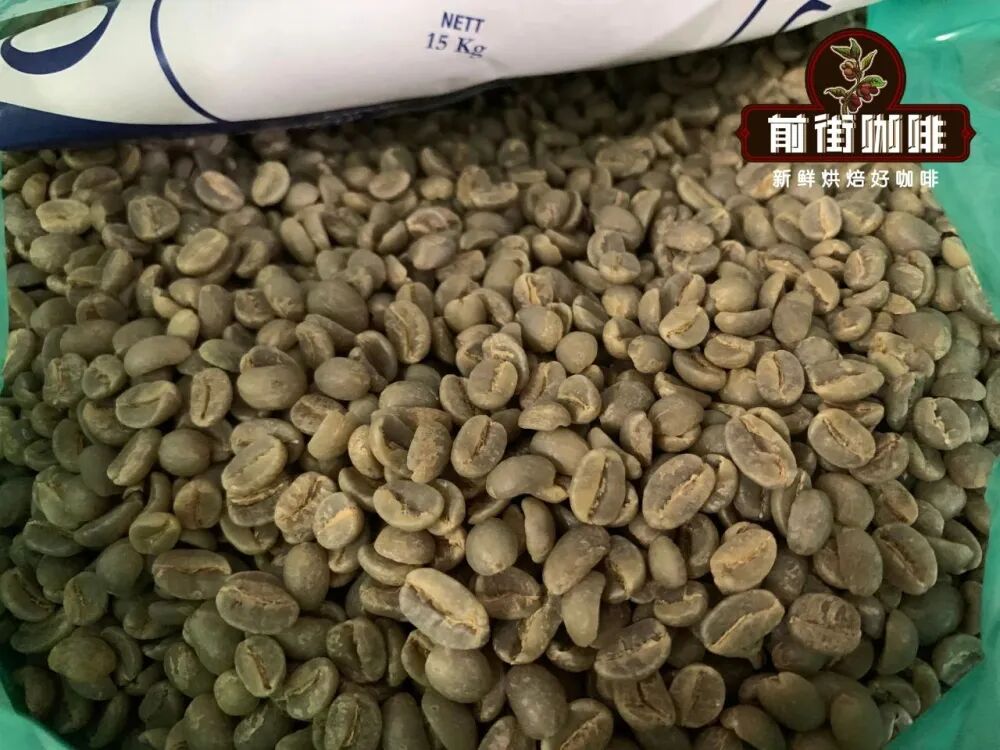
In the past, because mainland China did not directly import Blue Mountain coffee beans, consumers could only obtain small quantities via places like Hong Kong, Taiwan, or Japan, making it expensive and quite rare. It wasn’t until 2010, when the Hangzhou Coffee & Western Cuisine Industry Association was invited to visit Jamaica and signed a letter of intent to become the general agent for Blue Mountain green beans in China, that the first batch of Blue Mountain green beans officially entered China through Ningbo Port in May 2011. It’s worth noting that authentic Blue Mountain coffee beans are imported in original wooden barrels only, with each barrel size limited to 15 kg, 30 kg, or 70 kg. Because some smaller coffee shops cannot afford the cost or expected sales volume of a whole barrel, they sometimes opt for shared purchases, but this approach often makes it difficult to prove the coffee’s authentic origin to customers. For example, one merchant has been directly purchasing whole barrels of Blue Mountain No. 1 from the beginning and chose to work with Clifton Estate, one of the earliest farms to trade with China.
It’s worth mentioning that due to this merchant’s relatively affordable pricing strategy for Blue Mountain beans, some consumers worried that products priced at an average of 300 to 500 yuan per kilogram on e-commerce platforms might be fake when they saw such prices. In fact, the high price of Blue Mountain coffee in earlier years was mainly due to scarce import quotas and multiple layers of markups by agents. However, as import channels have gradually become smoother, China’s imports of Blue Mountain coffee have increased, and prices have gradually returned to reasonable levels.
Now that we understand what true Blue Mountain coffee is, let’s take a look at some commonly seen “Blue Mountain coffee” products that are obviously fake at a glance.
First are Blue Mountain instant coffees. Since Blue Mountain coffee can only be presented as whole beans or freshly ground coffee powder, any product labeled as Blue Mountain but sold in instant form can almost certainly be confirmed as not genuine Blue Mountain coffee—and may even be riding on the name of Blue Mountain for market hype.
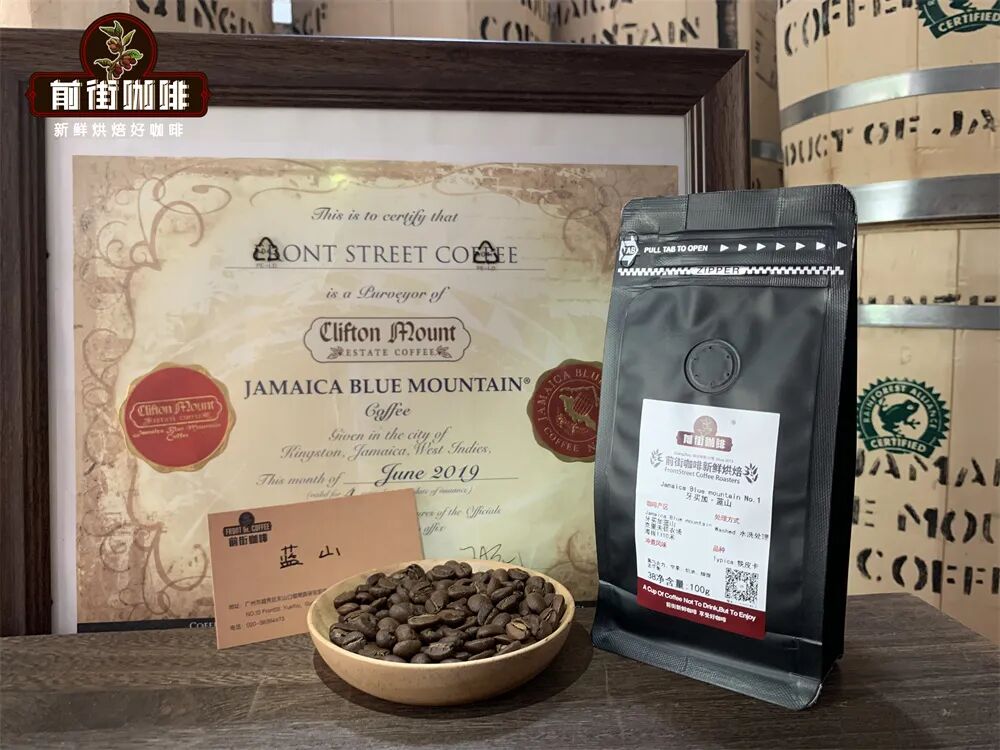
Next are products labeled as “Blue Mountain flavor” or “Blue Mountain blend.” These products usually do not directly claim to use real Blue Mountain beans but instead attempt to mimic the flavor characteristics of Blue Mountain through dark roasting and blending with other types of coffee beans. However, no matter how these products are blended, they cannot replicate the unique balance and delicate taste of authentic Blue Mountain coffee. Therefore, consumers should pay special attention to product labeling when making purchases.
Finally, Blue Mountain coffee with prices that are too low is also very likely to be fake. For example, if a certain Blue Mountain coffee is priced at just a few dozen yuan per kilogram—clearly below reasonable cost levels—consumers shouldn’t easily believe in its authenticity. After all, Blue Mountain coffee has limited production, and its import costs and quality control are relatively strict. If the selling price is too low, it not only defies common sense but is more likely to be a counterfeit product.
In summary, identifying true Blue Mountain coffee requires a comprehensive evaluation based on factors such as growing region, grade, import form, and price. As the highest grade, Blue Mountain No. 1 showcases the ultimate expression of balanced acidity and sweetness with a rich, mellow mouthfeel. It’s a classic item every coffee enthusiast should explore in depth. We hope this article helps you make wiser decisions when selecting Blue Mountain coffee.
The above content is compiled by CoffeeHunters, a coffee news website.

