







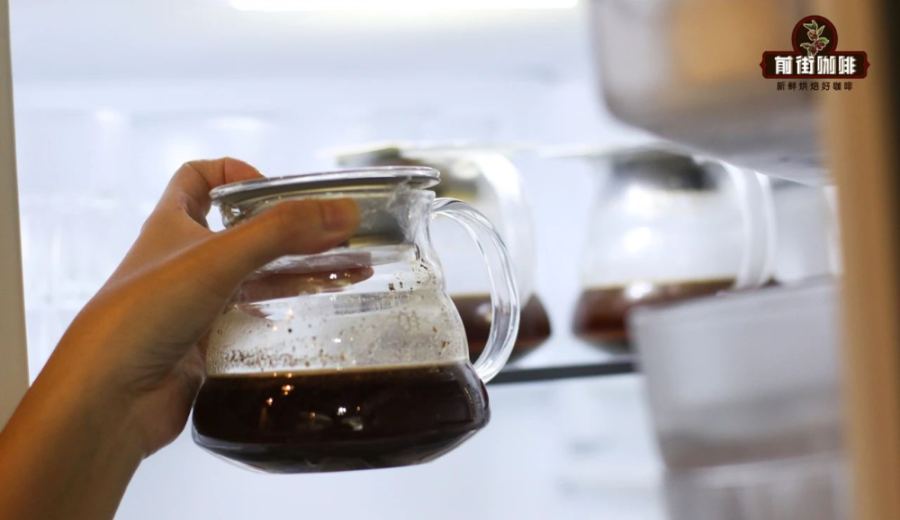
Introduction:Want to make cold brew coffee at home? You don’t actually need a coffee machine or a dedicated cold brew maker. Just a sealed bottle and your refrigerator can get the job done. This article provides both basic and advanced methods, covering key parameters such as grind size, coffee-to-water ratio, and steeping time in the fridge. It also explains the differences between cold brew and cold drip coffee, outlines four major benefits of cold brew, and offers bean selection tips—so you can enjoy a low-bitterness, aromatic cup of iced coffee on your very first try.
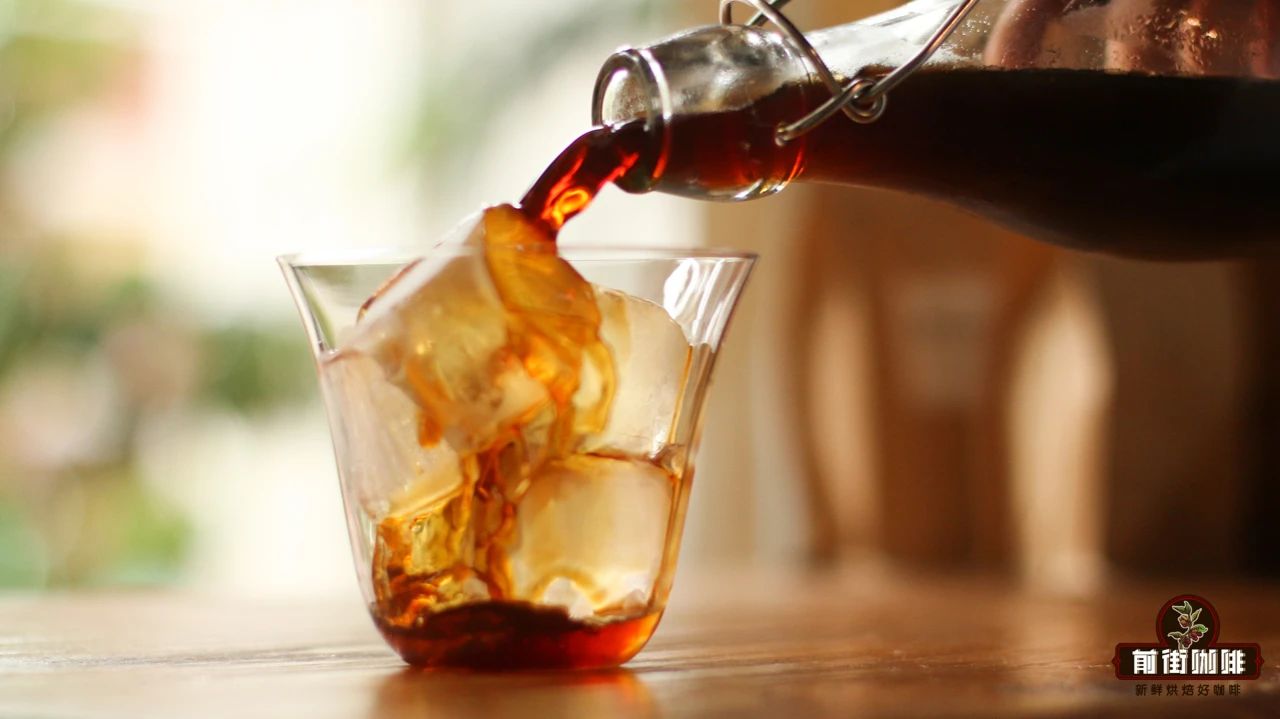
When you want an iced coffee in summer, there are more options than you might think: those who enjoy a ritual might go for cold drip; those who value speed might opt for iced pour over. But the easiest method—and currently the most popular—is the cold steeping approach. Cold Brew, iced steeped coffee, and cold drip coffee (in this context)—all these terms refer to the same thing: steeping coffee grounds in water for an extended period at low temperatures. The good news is, you don’t need to buy any special equipment like a coffee machine, cold brew maker, or cold brew cup. A regular sealed container you already have at home will work perfectly.
Let’s start with the simplest basic recipe. Prepare 50 grams of coffee beans, ground to a relatively coarse setting (75% through a standard #20 sieve), then pour them into a clean, sealed bottle. Add 500 milliliters of room temperature water, which gives you a coffee-to-water ratio of 1:10. Seal the bottle tightly, shake it well to ensure the coffee grounds are fully saturated, then place the whole bottle in therefrigerator for 12 to 14 hoursfor a slow, cold extraction. Once the time is up, separate the coffee grounds using filter paper or a filter screen. The resulting coffee liquid can be enjoyed right away, or kept sealed in the fridge andconsumed within two days.
Why deliberately use a stronger ratio like 1:10? The goal is to dissolve as many flavor compounds as possible in a relatively small amount of water, so the final brew ends up noticeably strong, with a rich fruity acidity and sweetness. Because it’s inherently more “concentrated,” it’s recommended to add some ice cubes when drinking, which both dilutes and chills the coffee for a crisper, smoother taste. Before filtering, let the bottle sit for a moment and then pour slowly—this helps prevent fine coffee particles settled at the bottom from making their way into your cup.
The recent surge in cold brew’s popularity can be attributed to four main benefits.First is its full aroma:Most aromatic compounds are prone to loss during hot water brewing, but cold brew preserves water-soluble aromas to the greatest extent, so the fragrance you taste closely resembles what you smell in the dry coffee grounds.Second is its unique flavor profile:It has low bitterness and astringency, with a rich, rounded mouthfeel, and often carries fermentation-like notes reminiscent of fine liquors.Third is cost-effectiveness:Making it yourself lets you use higher-quality beans while still keeping costs lower than buying ready-made cold brew.Fourth is its eco-friendliness and minimal waste:You can use up your stock of premium beans or custom blends, and the leftover coffee grounds can serve as fertilizer or natural deodorizers in the fridge or bathroom.
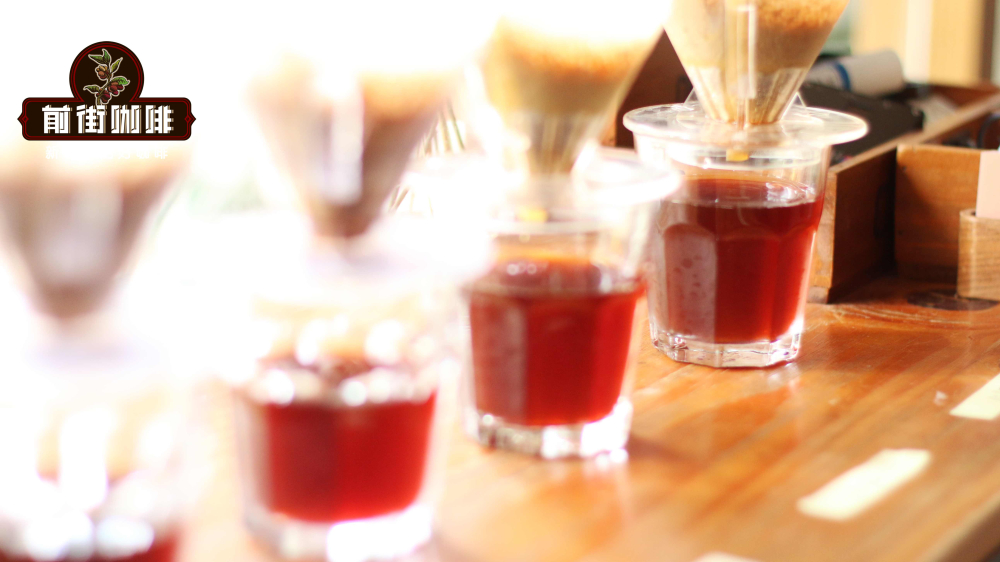
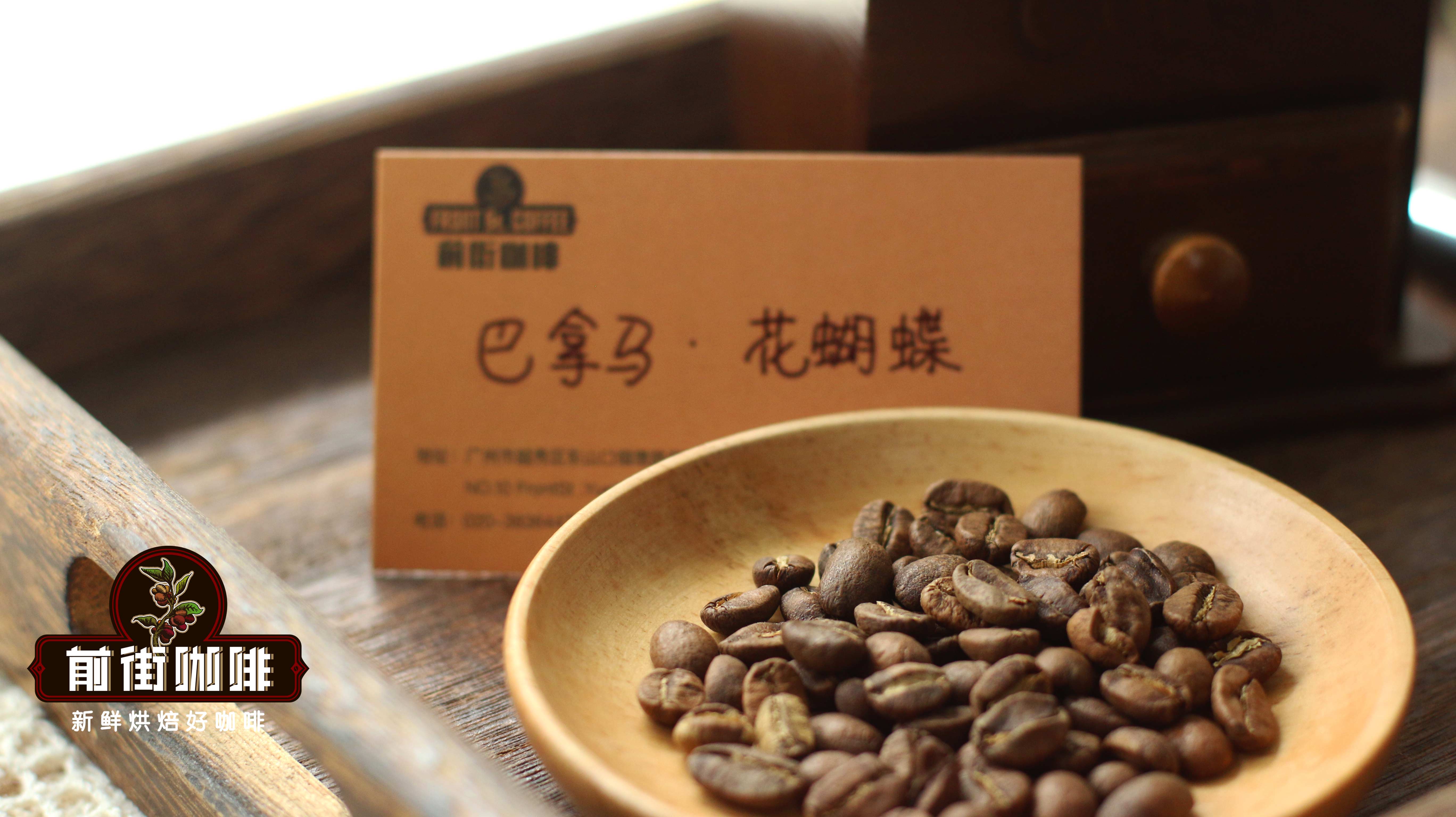
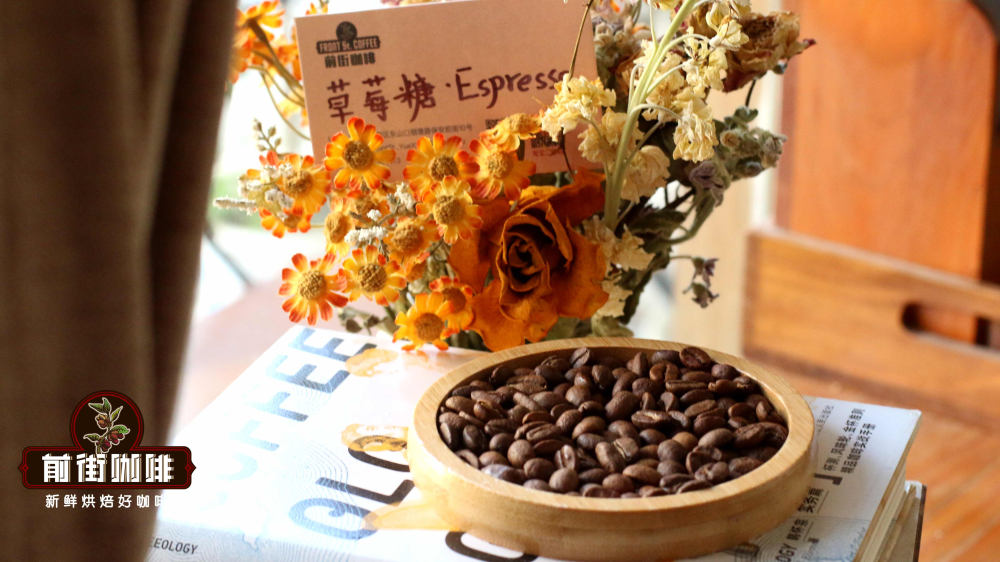
Once you’ve mastered the basic version, here’s a preferred advanced method. For beans, prioritizelight to medium roastswith juicy profiles—these types of beans yield the most pleasing acidity and sweetness in cold brew. As for equipment, there’s no need to upgrade at all; you still only need a clean, sealable container.
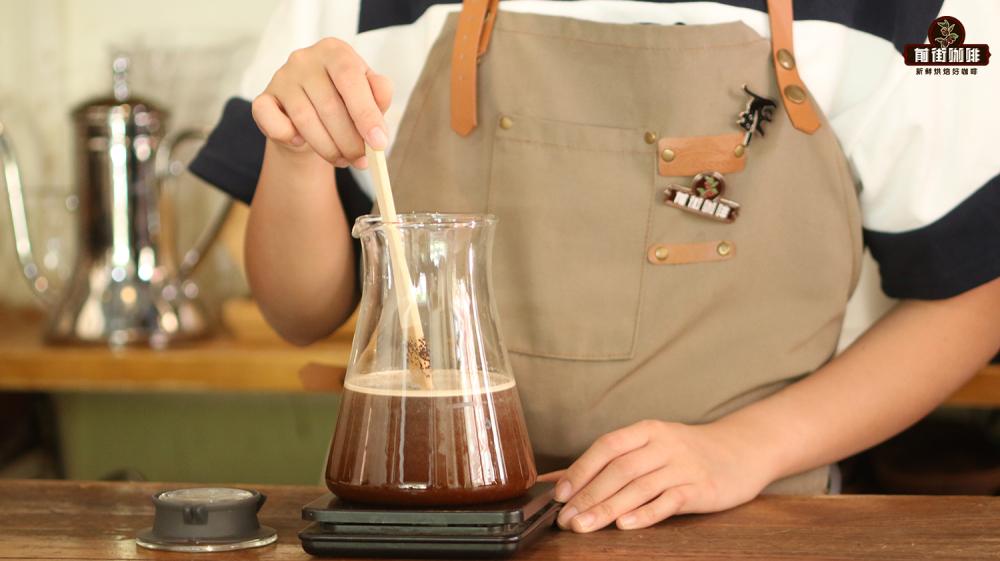
Take 40 grams of coffee grounds, this time ground slightly finer than the basic version (85% through a #20 sieve). Pour them into your container, then add 480 milliliters of cold water(a coffee-to-water ratio of about 1:12). Stir well with a wooden stick, then seal the lid.
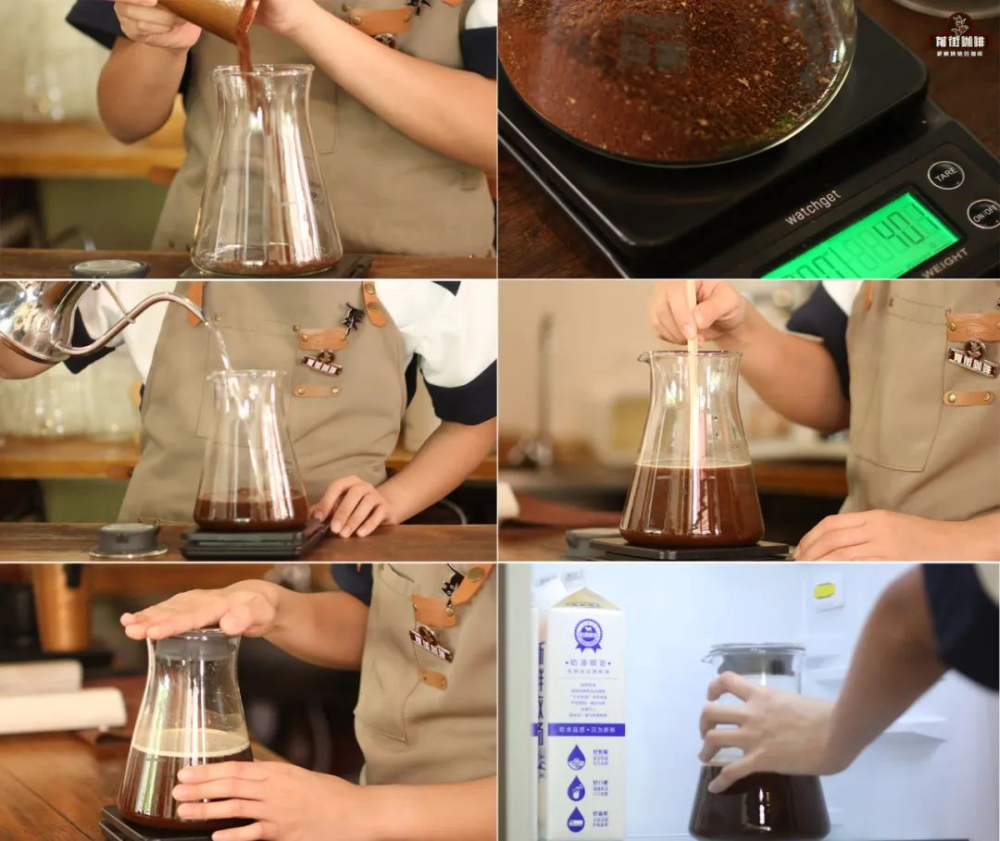
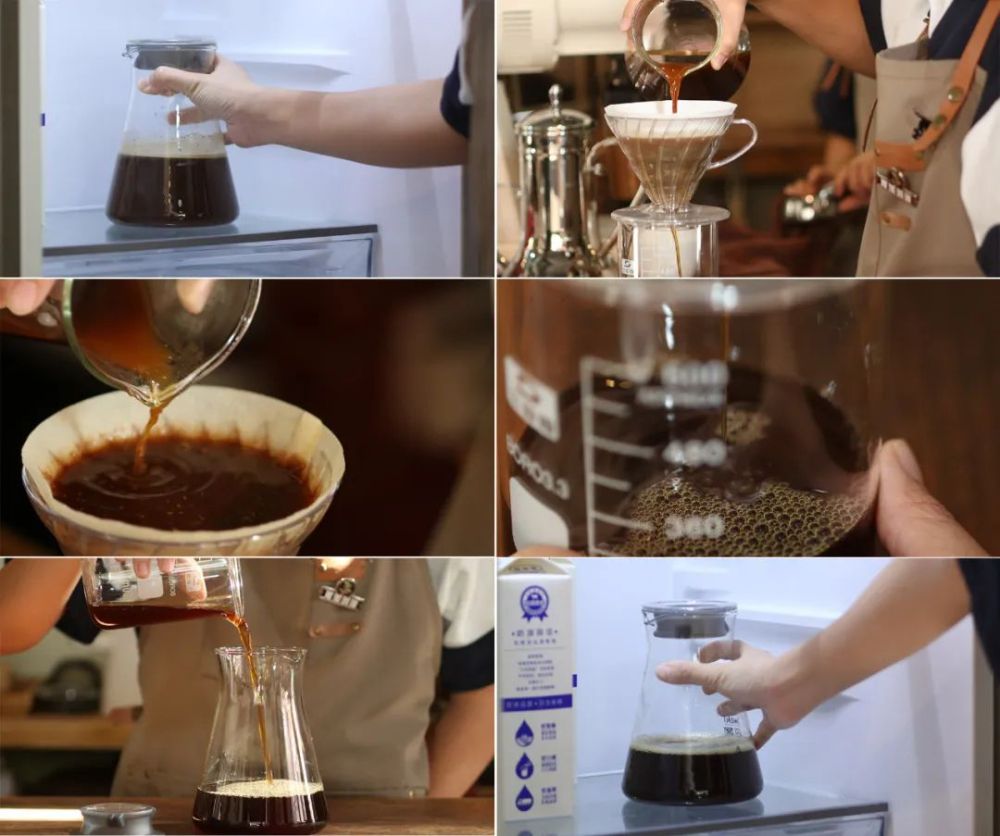
Refrigerate for 12 hours, then strain out the grounds. The filtered coffee liquid is ready to drink immediately. If you’re not in a rush, you can also transfer the filtered coffee into a bottle andlet it chill for another 4 hours—this will further enhance its flavor and mouthfeel.
Using a juicy light to medium roast bean in practice, the final brew has balanced acidity and sweetness. On the palate, it delivers soft berry and rose aromas, with sweet orange-like flavors unfolding in the mouth, followed by a lingering round sweetness reminiscent of almonds and candied fruit. Of course, actual flavor varies depending on the beans you choose—that’s the fun part of cold brew.
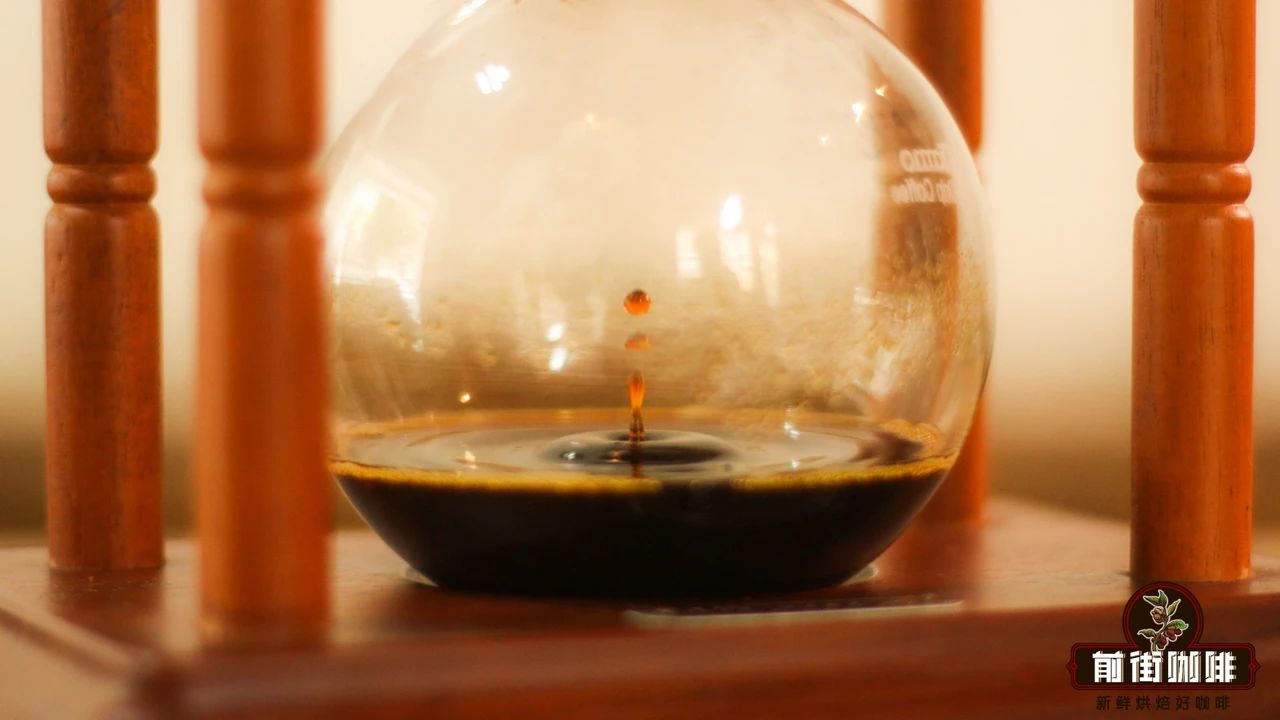
FAQ: What’s the real difference between cold brew and cold drip?Cold drip coffeeis made by letting cold water (sometimes mixed with ice) drip drop by drop through a bed of coffee grounds. The resulting brew usually has more pronounced fermentation flavors.Cold brew coffee, on the other hand, is more similar to cold steeped tea—coffee grounds are fully immersed in water, refrigerated for several hours, and then filtered. This method yields a smoother flavor and richer aroma.
So, are there any particular types of beans that are best suited for cold brew? The answer is:All coffee beans can be used for cold brew, and the resulting flavors naturally depend on the beans themselves. That’s exactly why making it at home is recommended: using beans you love for cold brew is the easiest way to get a flavor you truly enjoy. When starting out, keep the ratio and time consistent, and just experiment with grind size and bean types—you’ll quickly find your ideal parameters.
The above content is compiled by CoffeeHunters, a coffee news website.


