







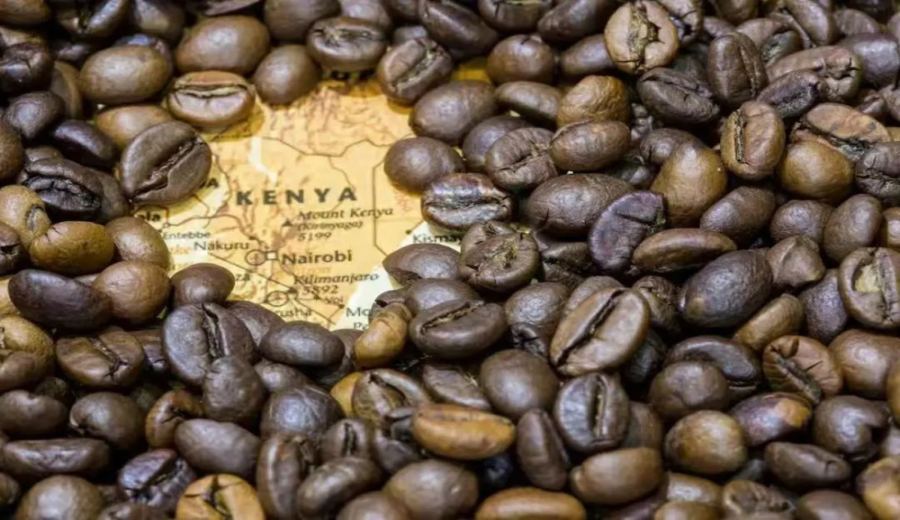
Introduction:Kenyan coffee is renowned for its bright acidity and distinctive flavors of small tomatoes and dark plums, yet many find it challenging to replicate the same complexity when brewing at home. This article explores the origins of Kenyan coffee’s unique flavor profile—from its growing environment and varietal characteristics to its washed processing method—and provides pour over parameters tailored for SL28 and SL34 beans, teaching you how to highlight their vibrant acidity and sweet aftertaste through proper brewing.
When it comes to specialty coffee, Kenyan beans have long been a benchmark of high quality for many coffee enthusiasts. If you’re familiar with specialty coffee, you’re likely impressed by Kenyan coffee’s bright and lively acidity, its sugarcane-like sweetness, and its unique flavor combination—such as small tomatoes and dark plums. These highly recognizable traits set it apart from other origins.

Mr. Han Huai-zong once commented in his book "The World of Specialty Coffee": "If cupped alongside non-Geisha varieties from other producing countries, Kenyan coffee often outshines them with its rich and full flavor profile." This speaks volumes about its deserved reputation for excellence. However, many consumers report that the Kenyan coffee they purchase fails to deliver the classic flavors they expect—whether the small tomato notes are faint or the overall taste feels thin. This issue may stem from brewing technique, but more often than not, it’s due to selecting the wrong bean variety or processing method.

What kind of Kenyan coffee truly embodies its classic flavor? And how can you bring out its distinctive characteristics through brewing? This article will delve into the growing environment, varietal genetics, and processing methods, while also offering practical pour over recommendations to help you savor the most captivating layers in a cup of Kenyan coffee.
Around 30% of a coffee’s flavor profile is shaped by its growing environment. The bold and bright acidity of Kenyan coffee owes much to its unique geography and climate. Located in East Africa, Kenya borders other well-known coffee-producing regions such as Ethiopia, Tanzania, and Uganda. Yet even within the same continent, differences in terrain, climate, and soil across regions create vastly distinct flavor profiles.
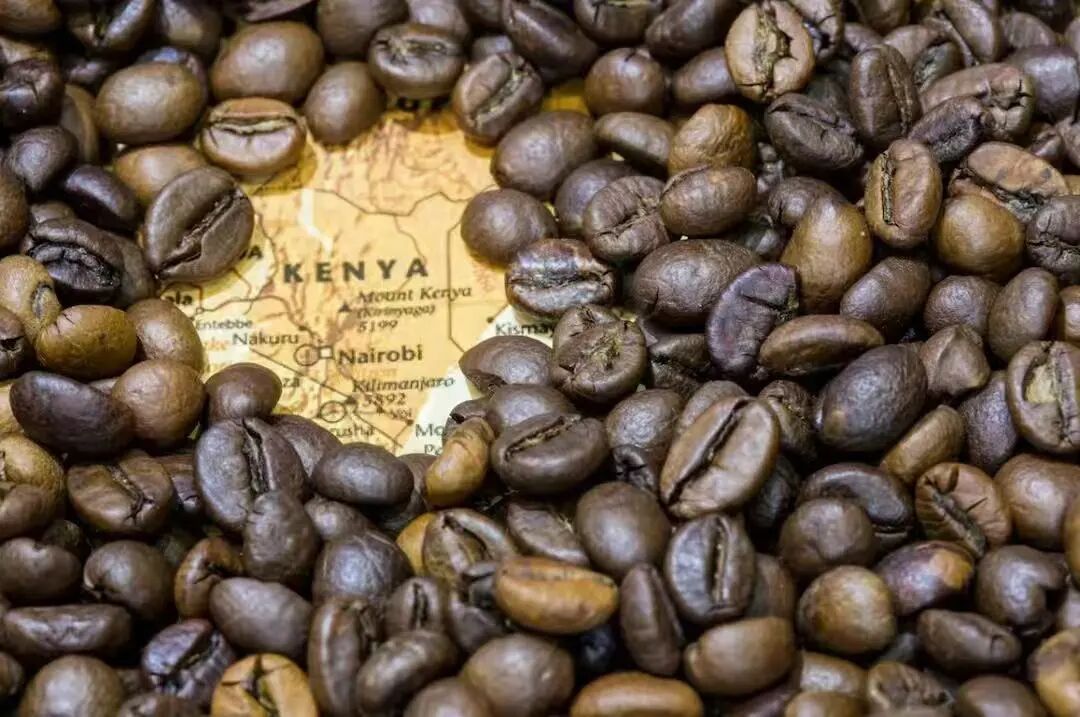
Kenya is a tropical region located near the equator, experiencing two distinct rainy seasons each year and dry seasons in between. The country is mostly characterized by highland terrain, with most coffee-growing areas situated at elevations between 1600 and 2100 meters, falling under a tropical savanna climate, while coastal areas are relatively humid and hot. The high altitude results in significant day-night temperature variations, which not only slow down the ripening process of coffee cherries but also encourage the beans to accumulate richer sugars, thereby enhancing aroma intensity and flavor body. Moreover, Kenyan coffee is predominantly grown in volcanic soils rich in phosphates, another key factor contributing to its bright acidity and three-dimensional flavor.

Going back to the 1930s, the Kenyan government commissioned the Scott Laboratories to conduct over a decade of breeding research aimed at developing coffee varieties suited to local conditions, commercially viable, and suitable for large-scale cultivation. The result was a series of outstanding coffee varieties, among which SL28 and SL34 are the most iconic. These two varieties are the key to creating the classic small tomato and dark plum acidity that Kenyan coffee is known for.

Before the development of SL28 and SL34, Kenya had introduced varieties such as Bourbon, Kent, and the typica variety from Jamaican Blue Mountain. SL28 and SL34 not only inherited excellent genetic traits but also exhibited a unique balance of acidity and aroma. The “SL” stands for Scott Laboratories, while 28 and 34 are experiment numbers. SL28 is derived from a Bourbon mutation, and SL34 is a Typica mutation; both are celebrated for their dark plum and small tomato acidity, along with pronounced sweetness that rounds out the acidity. For those interested in learning more about these two varieties, specialized resources on Kenya’s star beans are recommended.
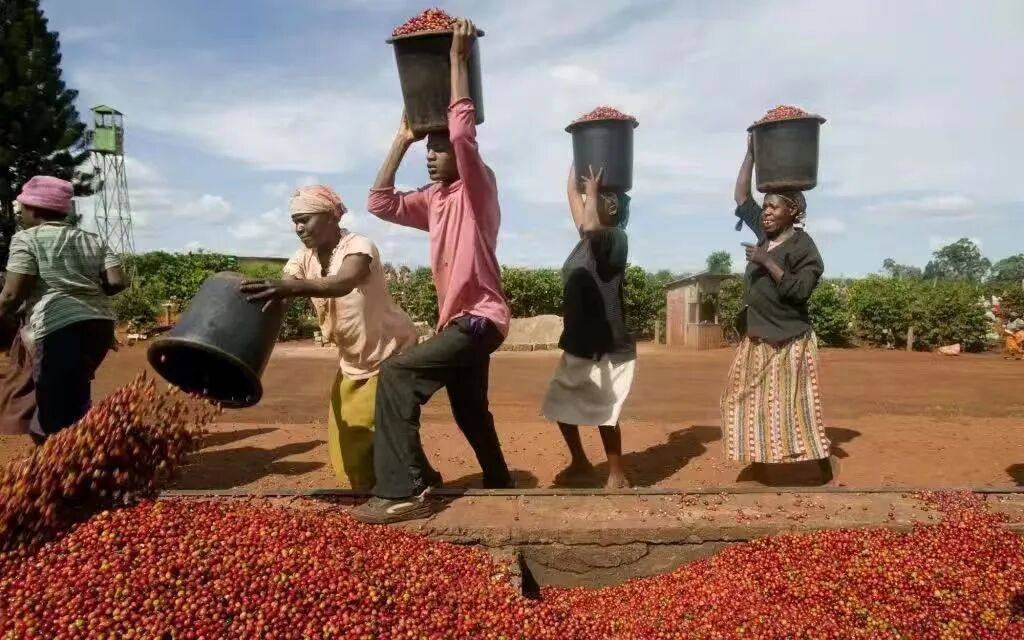
Beyond varietal and regional factors, the exceptional performance of Kenyan coffee is also due to its unique processing method. Although washed processing is common in many regions, Kenya’s washed method has its own distinctive features—particularly its longer soaking and fermentation times, resulting in cleaner and more layered flavors.
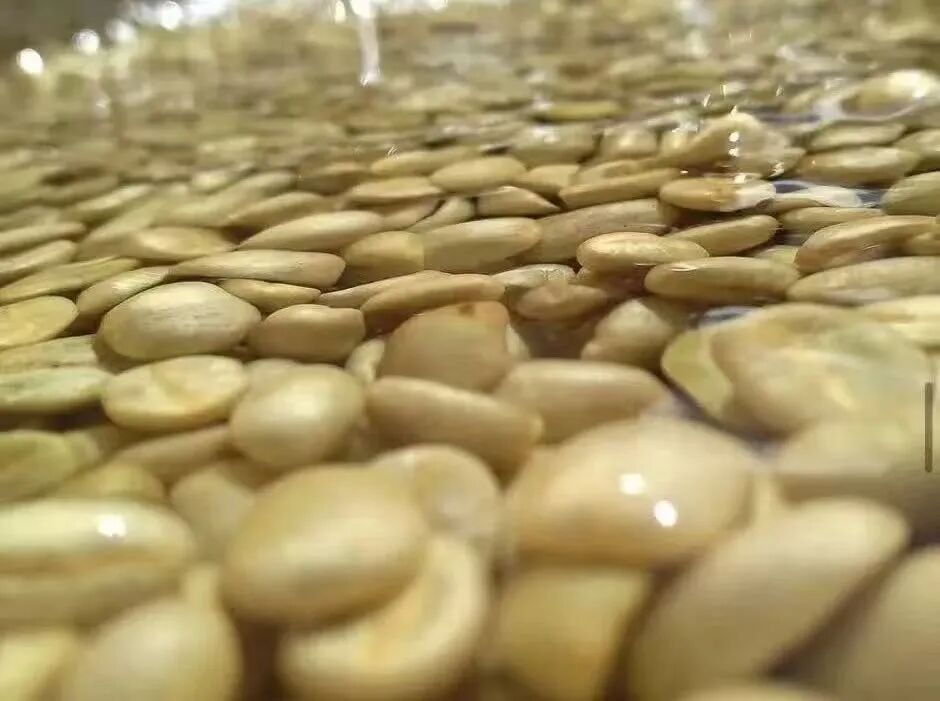
The traditional washed process generally involves removing the pulp after flotation, fermenting the mucilage-covered beans in water tanks for 24 to 36 hours, then manually removing the remaining mucilage, followed by drying. However, some Kenyan processing facilities, facing insufficient drying space in the past, would re-soak the depulped beans in water while waiting for space to become available, only drying them afterward. Unexpectedly, this approach yielded coffee with a cleaner and brighter flavor profile, leading to the development of the extended soaking “Kenyan-style washed process,” better known as the “K72” method.

The core of the K72 method lies in a total fermentation and soaking time of up to 72 hours. In practice, it typically involves soaking the mucilage-free beans in three separate cycles, each lasting about 24 hours, with rinsing in between, totaling 72 hours, followed by the usual drying process. This technique effectively enhances the clarity and complexity of the coffee’s flavor and is a major reason behind the consistent high quality of Kenyan coffee. If you want to experience the most representative Kenyan flavor, look for beans that use the SL28 and SL34 varieties and are processed using the K72 washed method.
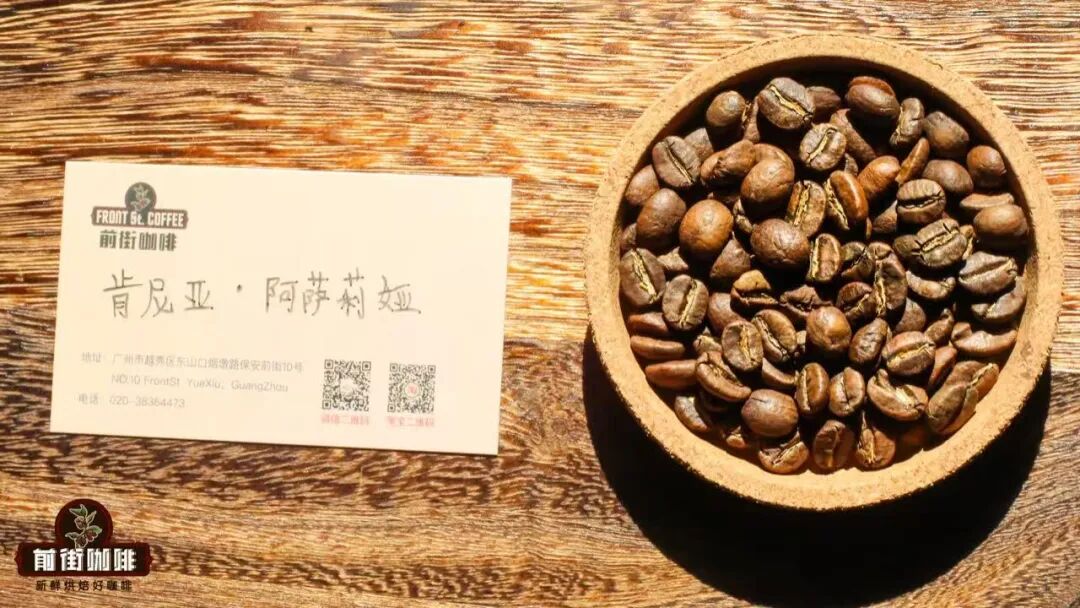
Take the Kenyan coffee "Small Tomato" released by a certain brand as an example. These beans, cultivated at altitudes between 1550 and 1750 meters in the Thika region and processed by the Assaliya Factory, are carefully selected from the SL28 and SL34 varieties. Through washed processing, they exhibit the classic flavor combination of dark plum, small tomato, brown sugar, and black plum. To fully showcase the acidity of the small tomato and dark plum while preserving the right level of sweetness, the roaster chose a medium-light roast curve, achieving an outstanding balance of acidity and sweetness.
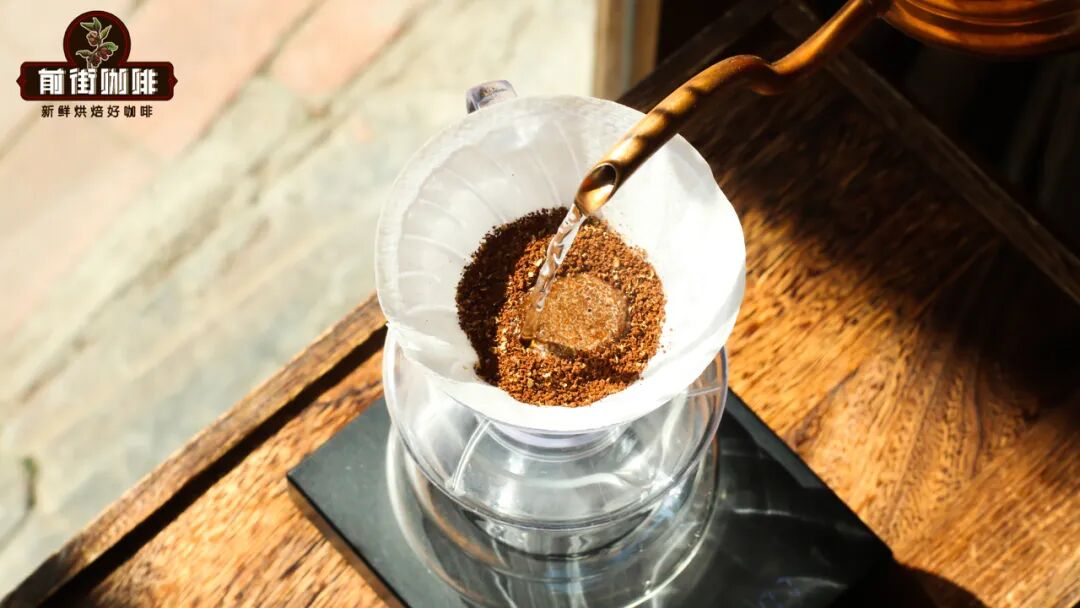
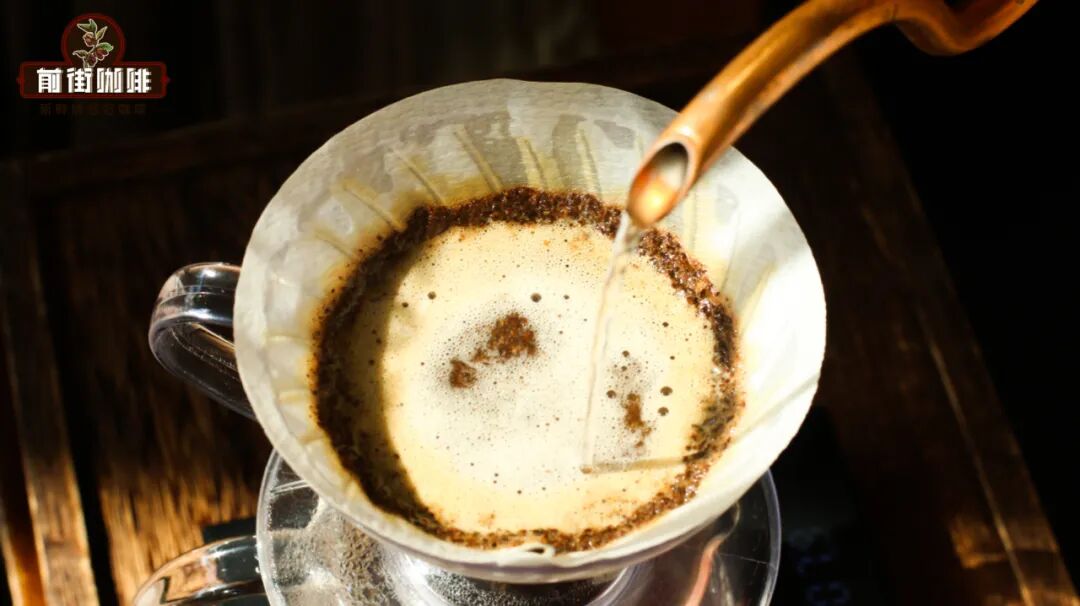
To brew this coffee at home and achieve its optimal flavor, you can reference the following pour over parameters: Use 15 grams of coffee, ground to a fineness roughly equivalent to the 9.5 setting on an Ek43 grinder or a 75% extraction rate (sugar-like grind) through a #20 sieve. Set the coffee-to-water ratio at 1:15, control the water temperature at 92°C, and employ a three-stage extraction method using a V60 filter. Begin with the bloom phase by pouring double the coffee’s weight in water (approximately 30 ml) and let it degas for 30 seconds.
After the bloom, move on to the second pour. Since medium-light roasted coffee beds are more fluffy, slightly increase the water flow and pour 120 ml of hot water in a wide circular motion, taking about 30 seconds. Once the dripping stabilizes—around 1 minute and 20 seconds—proceed with the third pour, using a smaller stream in a tight circle to add 75 ml over about 20 seconds. The total brew time should be around 2 minutes, and the filter can be removed once all the coffee has dripped through.

Once brewed, the Kenya · Small Tomato reveals distinct aromas of small tomato and dark plum even before tasting. The first sip brings a bright and juicy acidity reminiscent of plump small tomatoes, yet it remains smooth thanks to ample sweetness without being overly sharp. Subsequently, flavors of dark plum, black plum, and brown sugar unfold layer by layer. As the cup cools slightly, the fruity and sweet aftertaste of berries becomes more apparent. The overall profile is as vivid and layered as freshly squeezed tomato juice—an excellent choice for experiencing the charm of Kenyan coffee.


The above content is compiled by CoffeeHunters, a coffee news website.

