







Introduction:Want to understand why Panamanian Geisha has become a representative of top-tier specialty coffee? This article delves into the anaerobic natural-processed Geisha from the Savia Series of a certain estate, covering its variety history, processing details, actual cupping performance, and brewing suggestions. We’ll guide you through this rare bean variety with its high-altitude intensity and balanced sweet-acid profile, while also exploring why it commands such a high price.
Panama is renowned for producing some of the world’s finest Geisha (Gesha / Geisha) coffee, and many enthusiasts’ first choice often comes from estates with extremely high altitudes and unique microclimates. In addition to the well-known estate, the Savia Series Geisha under another estate has also attracted numerous specialty coffee lovers with its delicate anaerobic natural process and exceptional flavor profile. But many may not realize that the Geisha variety actually did not originate in Panama.
Image placeholder:
In fact, Geisha was first discovered in the 1930s in the wild coffee forests of Ethiopia, later brought to a research station in Tanzania, and then introduced to the Tropical Agricultural Research and Higher Education Center (CATIE) in Central America in 1953, where it was coded as T2722. It wasn’t until the 1960s that the variety was brought to Panama by CATIE. However, at the time, its plants had fragile branches, and although they showed high resistance to leaf rust, they were not favored by farmers and were mainly used for windbreak planting rather than commercial coffee production.
It wasn’t until 2004 that the Peterson family from the Boquete region of Panama entered their Geisha into the “Best of Panama (BOP)” competition. With its unprecedented complex floral notes, tropical fruit character, and astonishing sweetness, it won the championship and broke the then-record auction price for green beans. From then on, Geisha gained widespread fame and became a legendary variety in the specialty coffee world.
Image placeholder: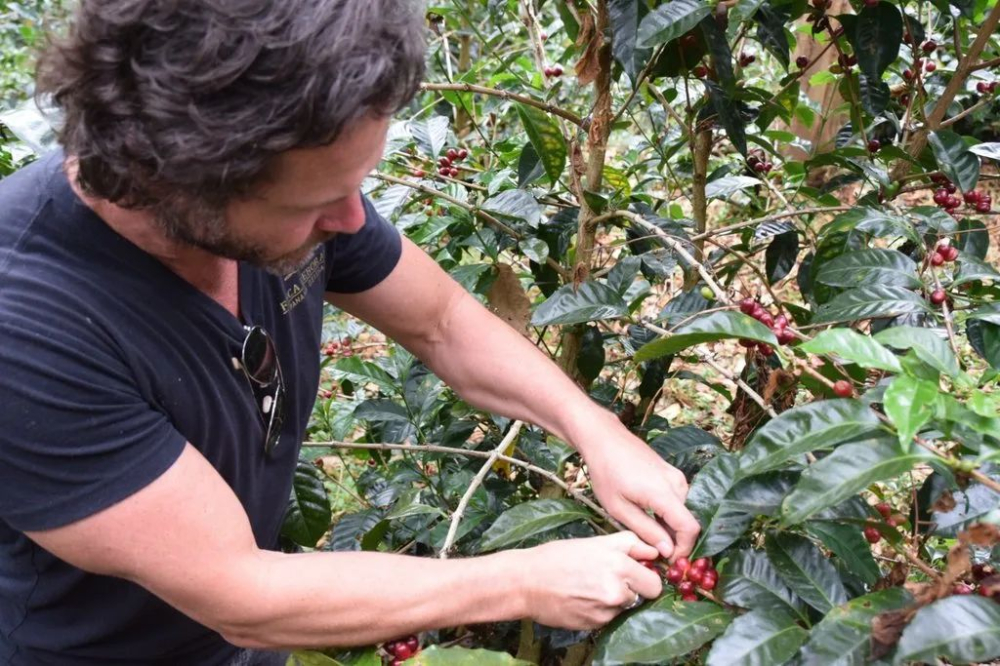
However, the Geisha variety is often confused in the market because multiple genetically similar but differently sourced plants may all be referred to as “Geisha.” According to genetic analysis by World Coffee Research, the T2722 series Geisha in Panama has shown significant genetic differences from the original Ethiopian Geisha plants. Additionally, both “Geisha” and “Gesha” spellings originate from an Ethiopian dialect and are still used interchangeably today, though early germplasm records mostly used Geisha, while many consumers prefer Gesha for its more regionally representative connotation.
Image placeholder:
One of the currently highly regarded Geishas in the market is the Savia Series from a certain estate. This series of Geisha is not produced from the main estate itself, but rather consists of high-altitude Geisha coffee cherries personally sourced by Mr. Savia, the estate owner, from surrounding smallholder farmers. Through his own developed processing method, he creates specialty beans with unique flavors. This series showcases Mr. Savia’s pursuit of exceptional coffee flavor through its innovative processing and high-quality taste profile, and he even named the series after himself, demonstrating great confidence.
Image placeholder: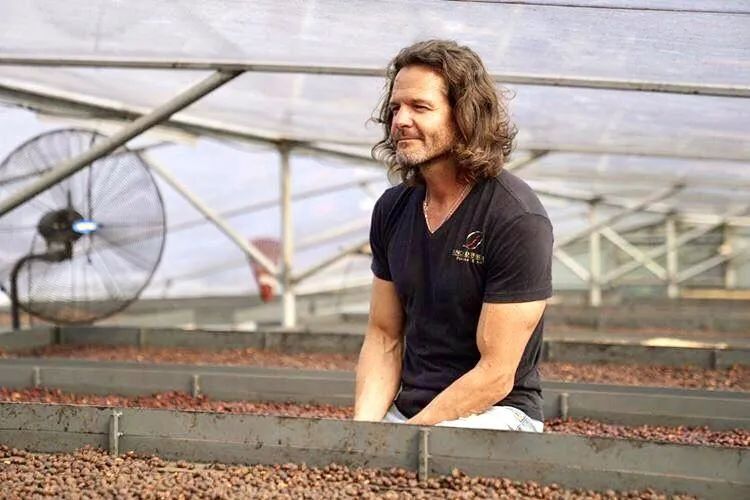
The most notable aspect of the Savia Geisha from this estate is its anaerobic fermentation combined with natural sun-drying processing method. Anaerobic fermentation refers to placing green coffee beans in a completely sealed, oxygen-free fermentation tank. During the process, gases such as carbon dioxide are injected to remove oxygen, allowing the coffee to undergo initial fermentation for about 18 to 24 hours in an oxygen-deprived environment, which helps flavor compounds in the mucilage more easily penetrate the bean surface. Some advanced processes even extend this to 120–240 hours to more precisely control fermentation conditions, including temperature, pH, and sugar conversion.
The subsequent “anaerobic natural” step involves moving the coffee beans to drying racks for natural sun drying after anaerobic fermentation is complete. This helps preserve the aroma and sweetness accumulated during fermentation, while sunlight stabilizes moisture content, resulting in a unique flavor profile that combines intense tropical fruits, floral notes, and a rich body.
Image placeholder: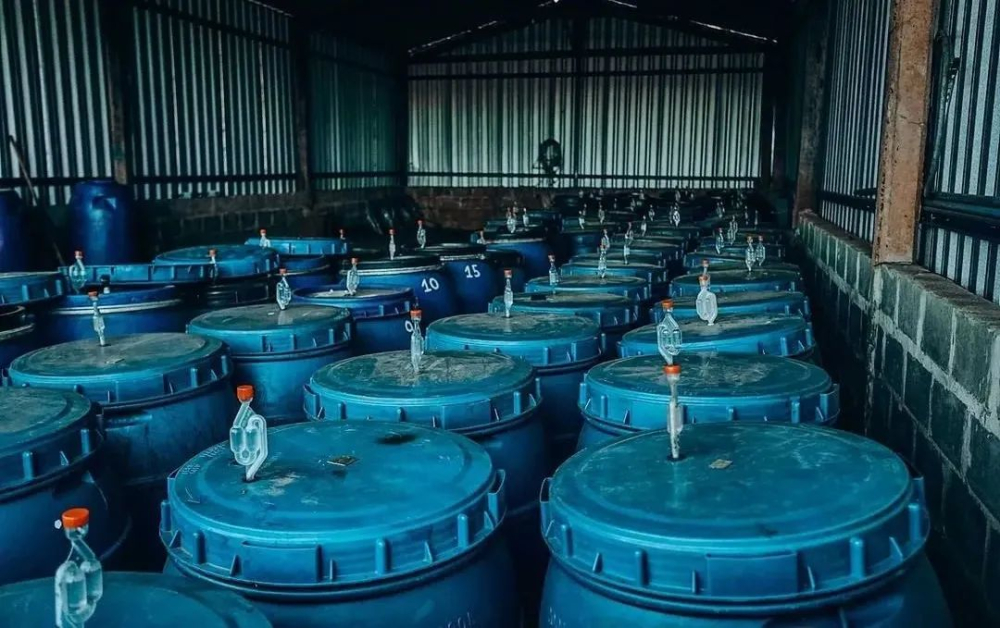
The estate is located in the high-altitude volcanic region of Chiriquí Province, Panama, at an altitude exceeding 1900 meters, making it one of the few extremely high-altitude coffee-growing areas in the country. The region features mineral-rich volcanic soil, significant day-night temperature variations, along with ample sunlight and moderate rainfall, all contributing to the coffee cherries’ intense flavors and high sweetness. The entire estate is powered by solar energy and is committed to environmental sustainability, using no pesticides and maintaining ecological balance. Estate owner Jamison Savage strictly oversees harvesting and selection, picking only fully ripe coffee cherries to ensure top-tier raw materials.
Image placeholder: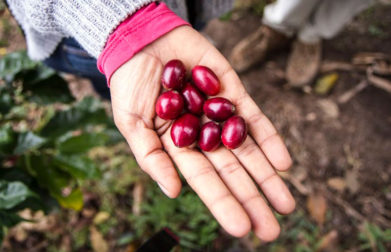
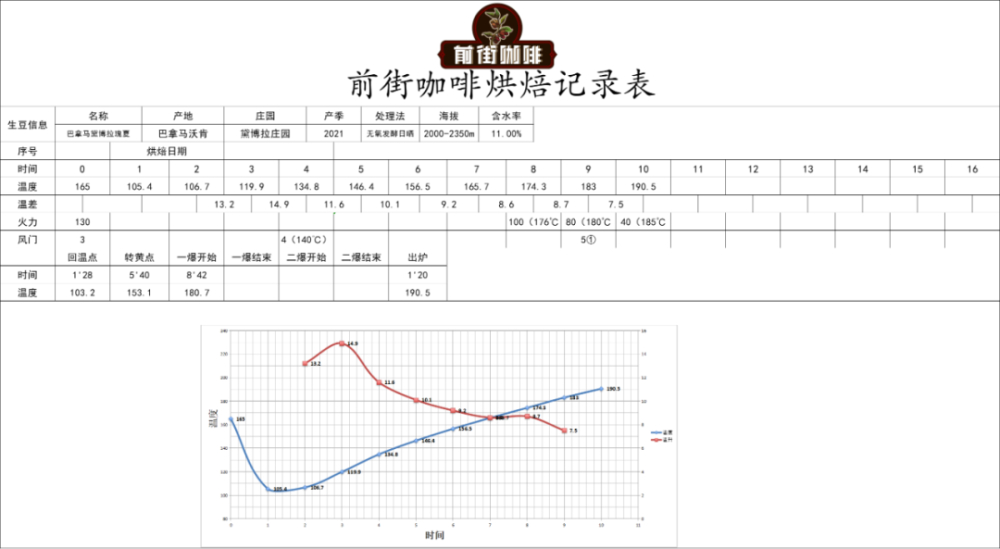
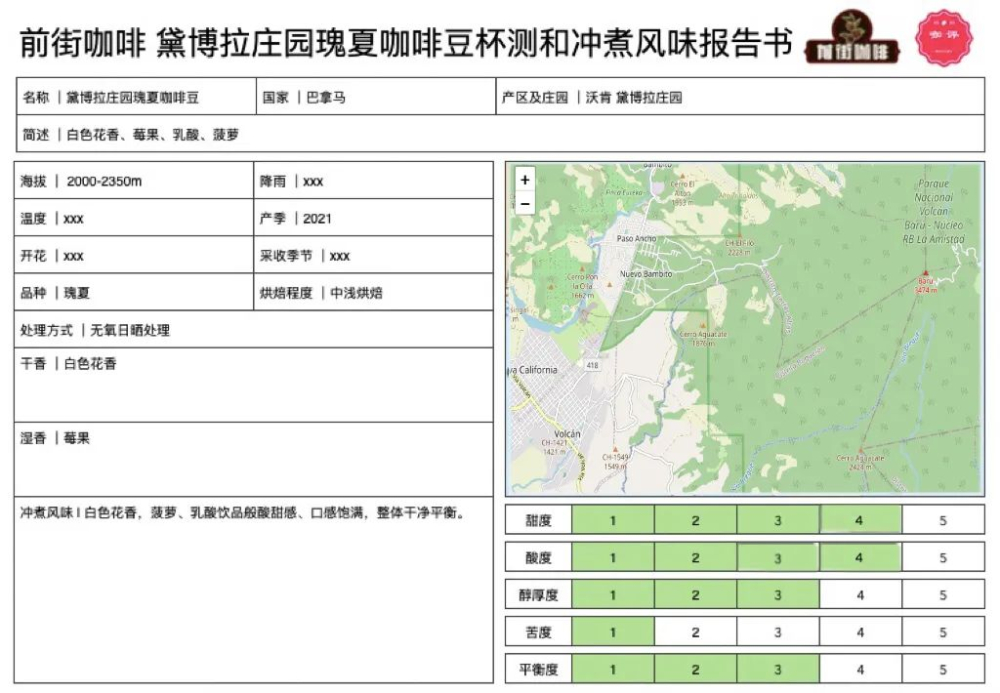
A certain coffee brand uses a medium-light roast for this Savia Geisha, allowing it to develop for about 1 minute and 20 seconds after the first crack before being dropped, in order to preserve a clear acidity, delicate floral notes, and bright fruit tones. During cupping, one can distinctly perceive a rounded acidity akin to yogurt, accompanied by layered flavors of sweet pineapple and tropical fruits, with a tea-like finish and long-lasting sweetness.
Image placeholder: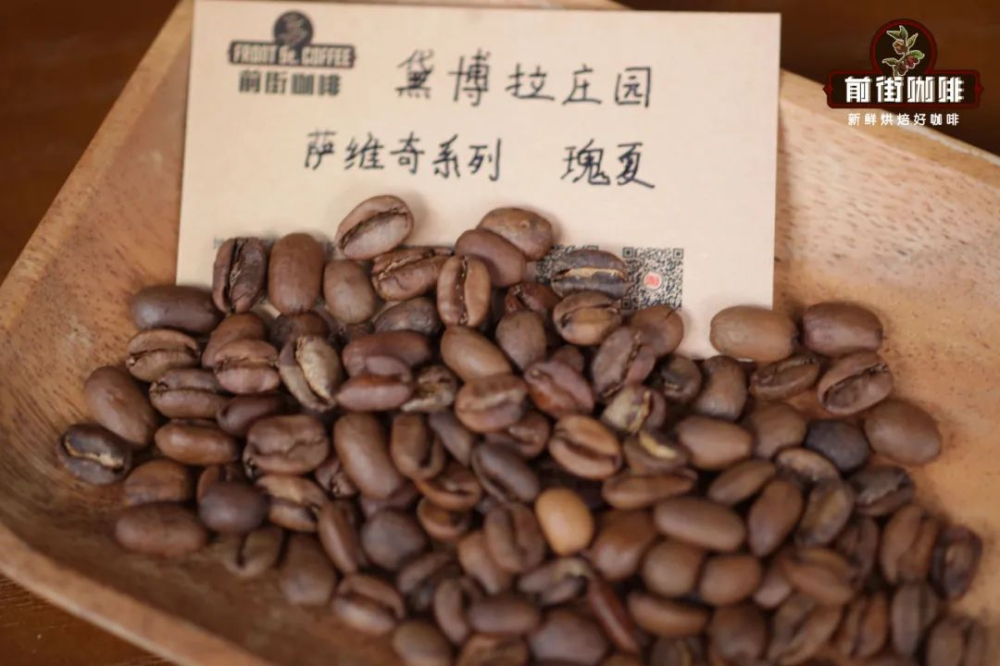
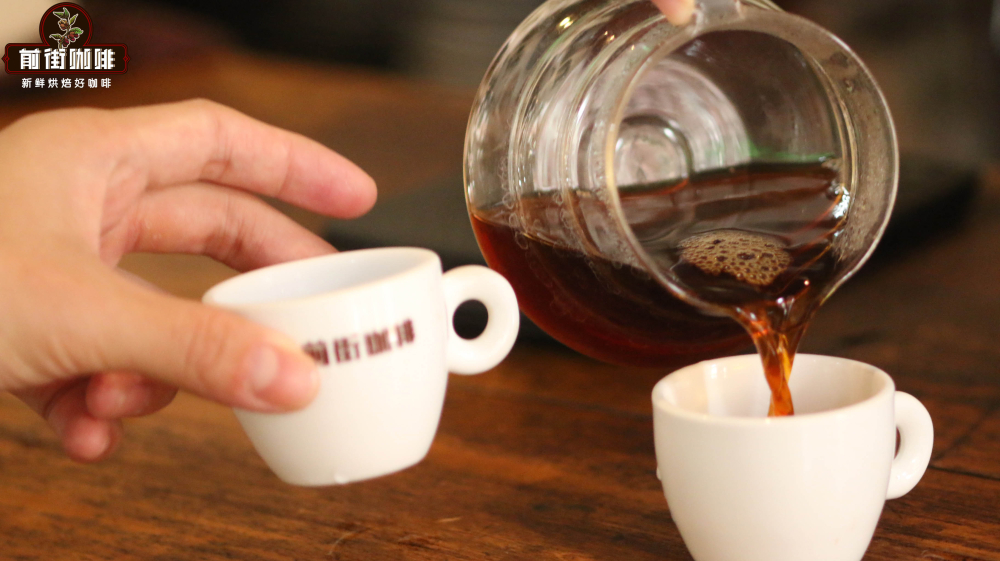
For brewing recommendations, it is advised to start tasting from the 7th day after roasting, when the flavors are most balanced and rich. The beans are shipped within 5 days after roasting to ensure customers receive fresh product. Use a V60 #01 filter, with water temperature controlled at 91°C, a brew ratio of 1:15, and a grind size of approximately 78% passing through a 20-mesh sieve (medium-fine grind). Employ a three-stage pouring method: first, bloom with 30 grams for 30 seconds, then pour in a small circular motion up to 125 grams for the first pour, followed by pouring up to 225 grams, with a total extraction time of about 2 minutes and 10 seconds. This method fully highlights its floral-fruity aromas and rich mouthfeel.
Image placeholder: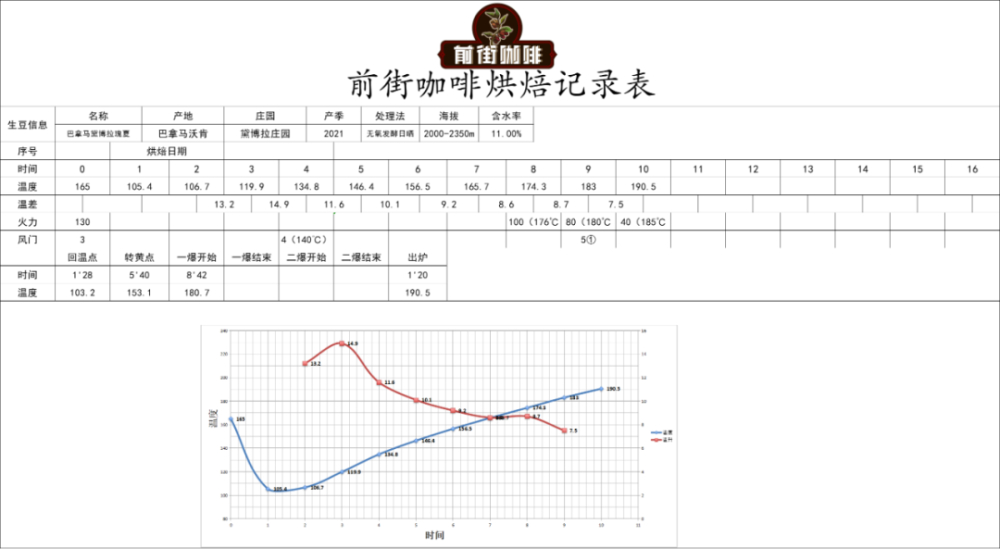 ,
 ,
As for pricing, due to high-altitude cultivation, unique microclimates, hand-picking of ripe cherries, and the complex processes of anaerobic fermentation and natural drying, the Savia Geisha from this estate commands a relatively high price. Typically, it sells for more than 100 grams than standard Geisha, reflecting the costs and quality inputs behind its rarity and refined processing. Compared to well-known green-label Geishas on the market, its pricing also reflects differences in estate origin, processing methods, and flavor positioning—making it well worth savoring for its unique qualities.
Image placeholder:
The above content is compiled by CoffeeHunters, a coffee news website.

